
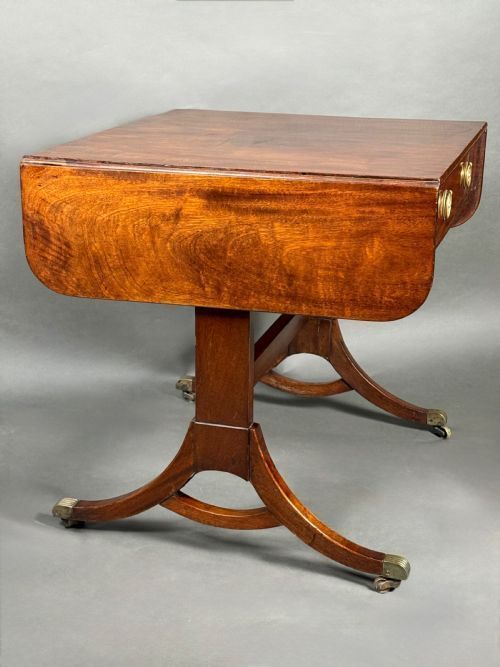
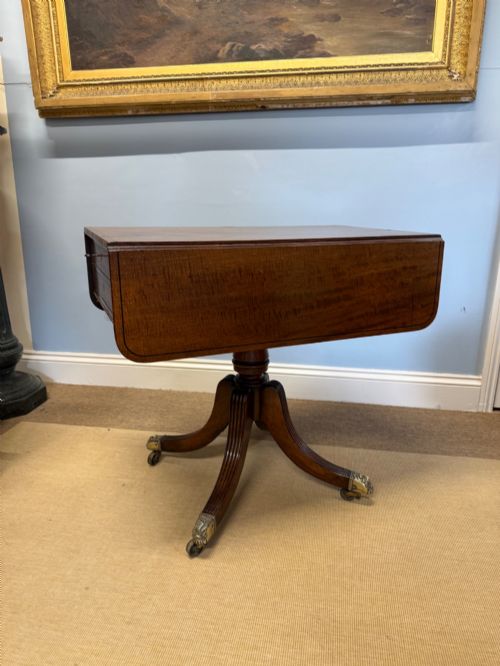
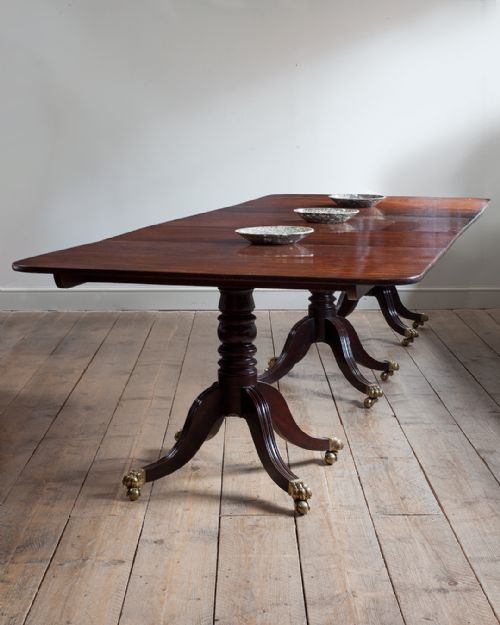
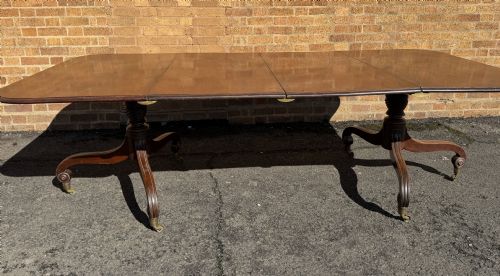
Brass Castor Pedestal Table
A brass castor pedestal table combines sturdy mobility with refined timber work, making it a versatile centrepiece for any traditional interior.
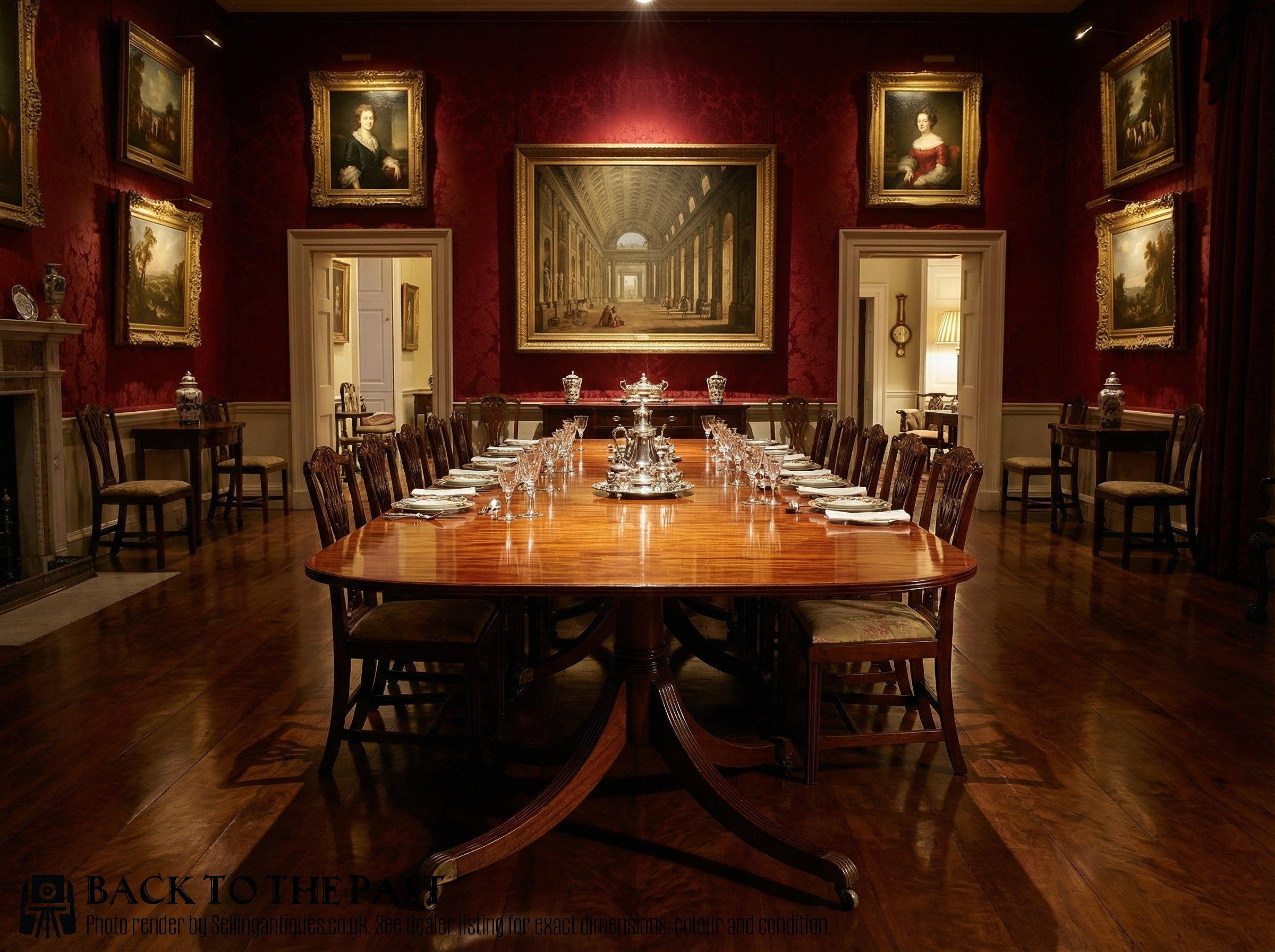
Understanding the brass castor pedestal table
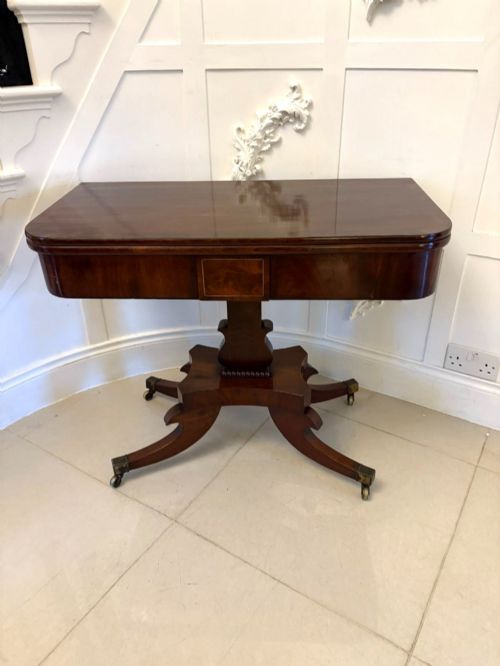
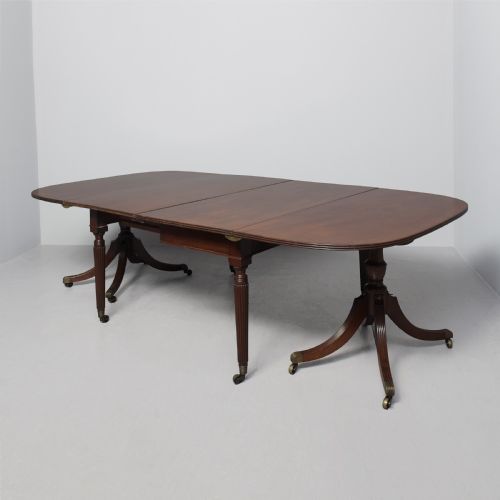
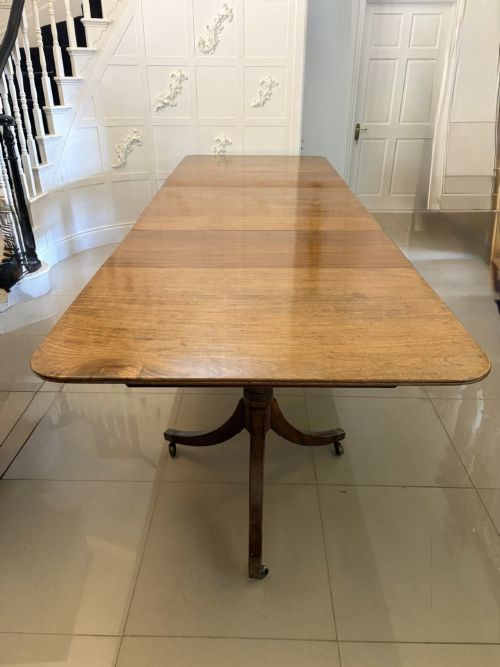
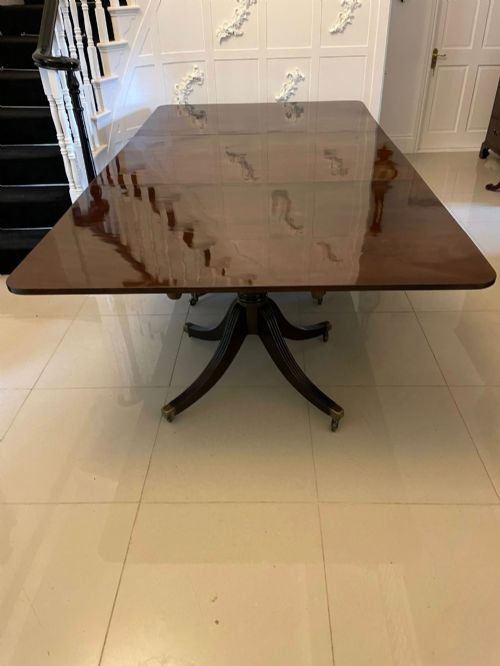
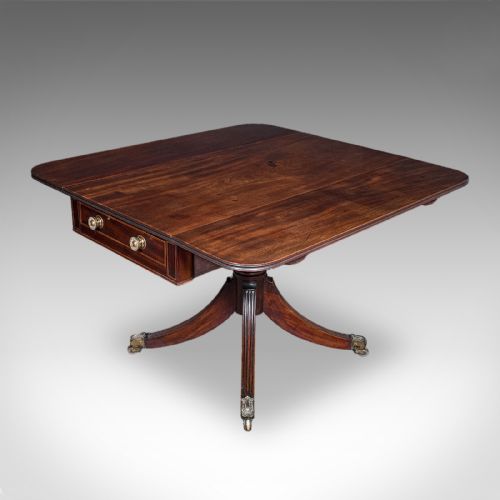
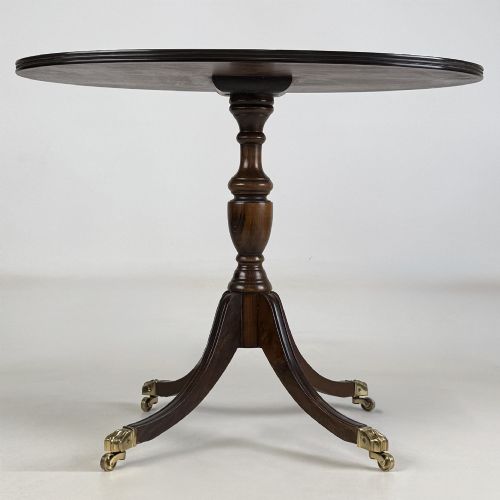
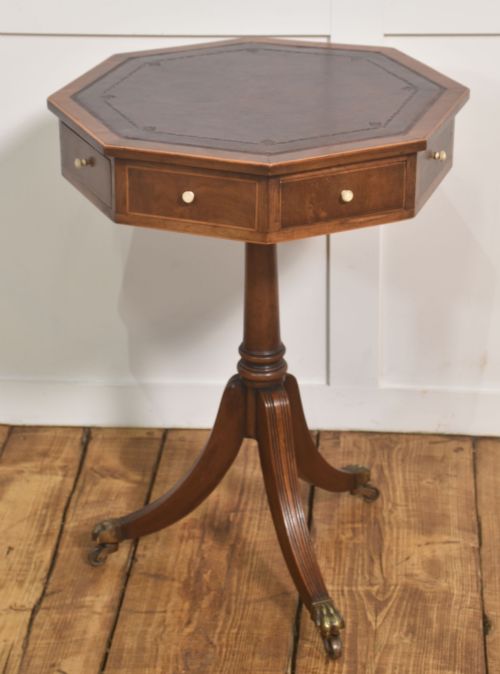
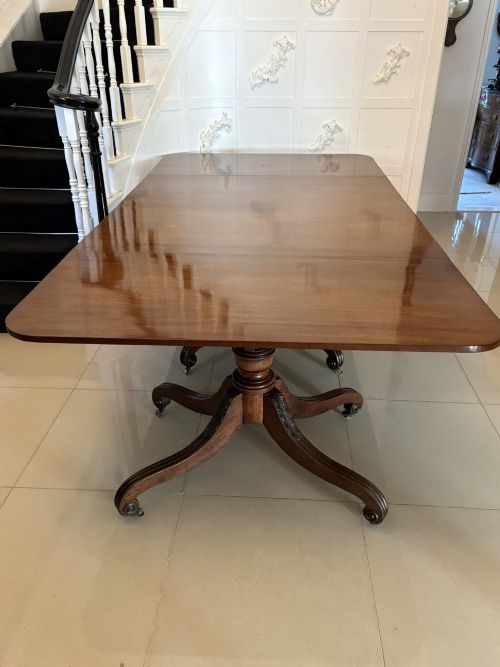
A brass castor pedestal table brings together a central column support and metal wheeled feet to allow easy movement across a room. Buyers searching this phrase encounter dining tables, drum tables, side tables, breakfast tables, and sewing tables. These items frequently date from the Georgian, Regency, Edwardian, and early 20th Century periods.
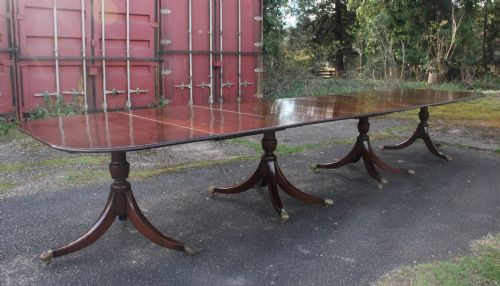
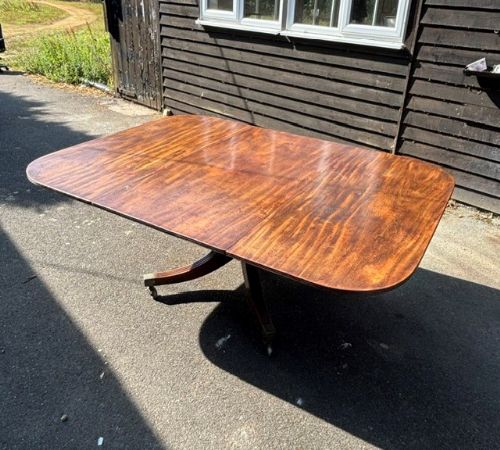
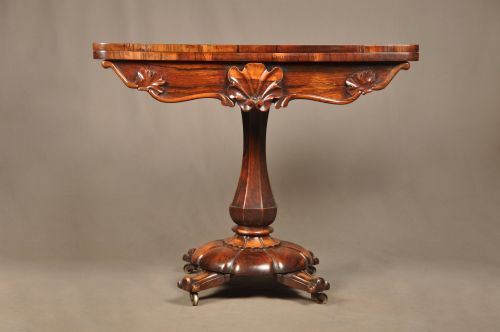
The mahogany versions dominate the selection on this page, often utilising single, double, three, or four pedestal configurations. Alongside mahogany, examples appear in exotic timbers such as goncalo alves and rosewood, sometimes paired with leather surfaces. Styles range from strict Regency and George III designs to later Regency Revival interpretations.
Materials and construction
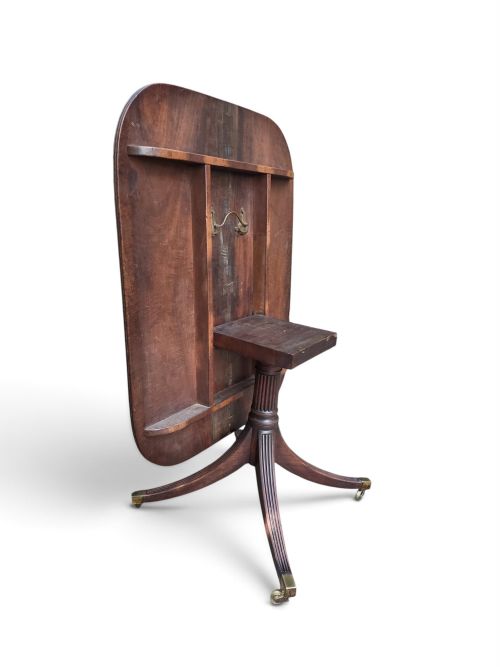
Cabinet makers constructed these tables using solid and veneered hardwoods like mahogany, rosewood, and goncalo alves over heavy central timber columns. The distinct mobility relies on cast brass fittings attached to the base of each pedestal leg, sometimes taking decorative forms such as lion paws.
Joinery techniques tied the central pillar securely into weighted tripod or quadruped foot bases to support substantial top boards. Surface treatments highlighted the natural grain of the timber while accommodating functional additions like leather inserts on writing surfaces.
Retail Price Guide 2026
Typical UK retail prices for brass castor pedestal table, calculated from the Sellingantiques database of over a million retail prices indexed since 2003. This retail price guide relies exclusively on Sellingantiques data; no external sources or auction records are used, so the figures do not describe the wider market.
Materials appearing across the inventory include brass, mahogany, leather, goncalo alves, and rosewood.
Assessing quality and craftsmanship
The distinction between standard examples and superior pieces rests upon the choice of timber figure and the complexity of the pedestal base. Tables with multiple pedestals and richer secondary woods such as rosewood or goncalo alves demonstrate higher ambition in design and execution.
Proportion and the integration of the brass castors define the visual balance of the piece. Master craftsmen ensured that the central column and the supporting legs maintained structural harmony while allowing smooth operation of the metal wheels.
The Brass Castor Pedestal Table Glossary
- Pedestal table
- A standalone furniture form supported by a central vertical pillar rather than four corner legs. This configuration maximises seating space around dining tables.
- Brass castor
- A small swivelling wheel set in a copper alloy housing attached to furniture feet. It enables smooth repositioning of heavy timber tables.
- Drum table
- A circular library or writing table featuring a deep frieze band containing small drawers. The cylindrical silhouette resembles a traditional drum.
- Goncalo alves
- A dense exotic hardwood prized for its striking contrasting grain patterns. Makers utilised it during the nineteenth century for decorative highlights.
- Tilt-top table
- A hinged tabletop that folds vertically when not in use to save floor space. This mechanism allowed tables to stand against walls in smaller rooms.
Frequently Asked Questions
How do I use a pedestal table in a dining room?
A pedestal table allows chairs to tuck neatly around the circumference without corner legs obstructing diners. Multiple pedestal versions extend gracefully to accommodate larger gatherings.
The central pillar construction provides stable support while maintaining open legroom underneath for guests.
What is a drum table used for?
A drum table served traditionally as a library or writing desk where books and documents could be stored within the frieze drawers. The circular top provided equal access from all sides.
In modern spaces, these tables function effectively as central lamp tables or small study desks.
How do I identify a Regency period table?
Regency tables typically display classical architectural influences, dark mahogany or rosewood timbers, and robust brass mounts. The designs often draw inspiration from ancient Roman and Greek forms.
Purchasers look for clean geometric lines and substantial central pillars resting on heavy brass castors.
Can I care for mahogany surfaces easily?
Mahogany requires regular dusting with a soft cloth and occasional treatment with appropriate wood waxes to nourish the grain. Avoiding direct sunlight prevents the timber from fading over time.
Leather inserts on writing tables need specific leather balms to stay supple and free from cracking.