


Antique Style Centre Table
An antique style centre table brings dramatic presence to a room, offering a versatile surface designed to be viewed from all sides.
Antique Style Centre Table
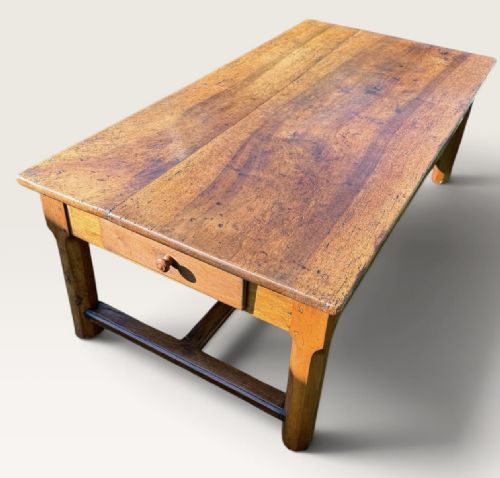
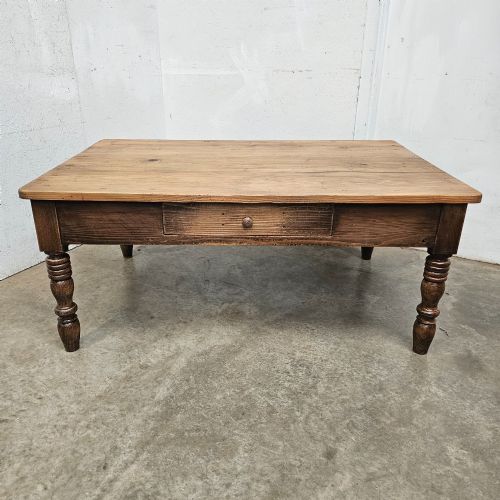
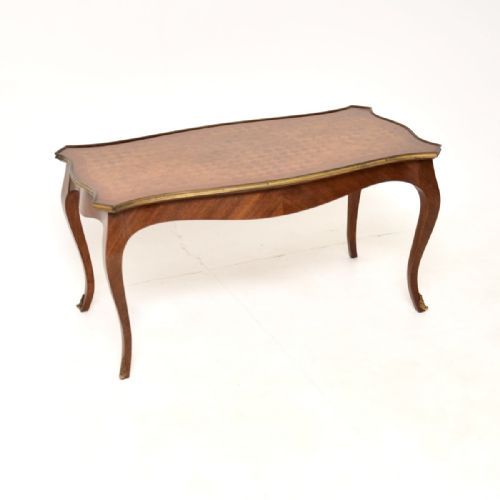
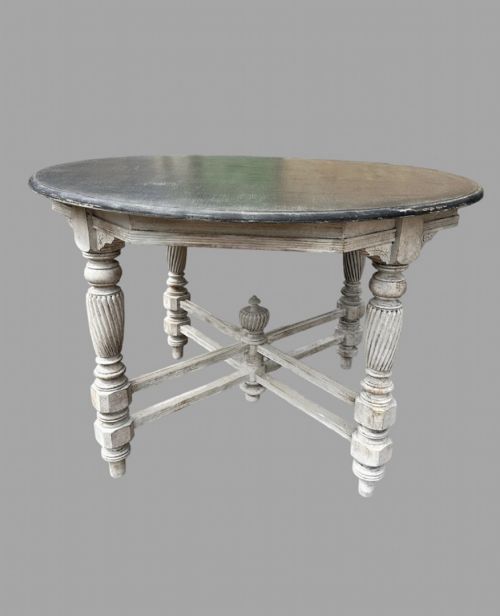
An antique style centre table functions as a freestanding focal point within a room, designed to be approached and appreciated from every angle rather than pushed against a wall. The pieces collected under this search phrase span centuries of cabinet-making, encompassing formal Victorian reception rooms, French revival drawing rooms, and rustic domestic interiors.
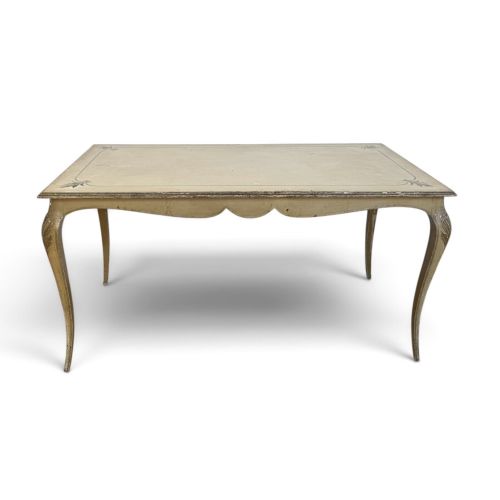
You will most frequently encounter variations belonging to the Victorian era and the later nineteenth century, alongside revival interpretations ranging from Louis XV and French Empire to Sheraton and Regency styles. These forms often double as coffee tables, lamp tables, or occasional tables in modern settings.
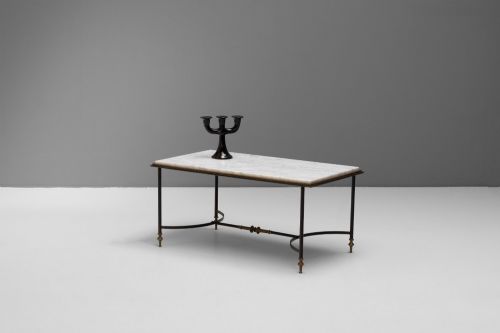
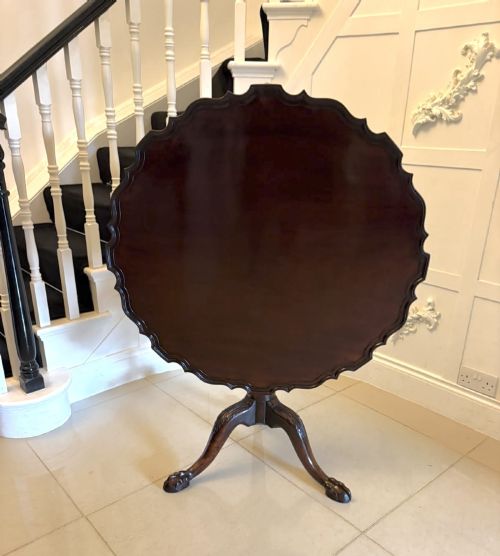
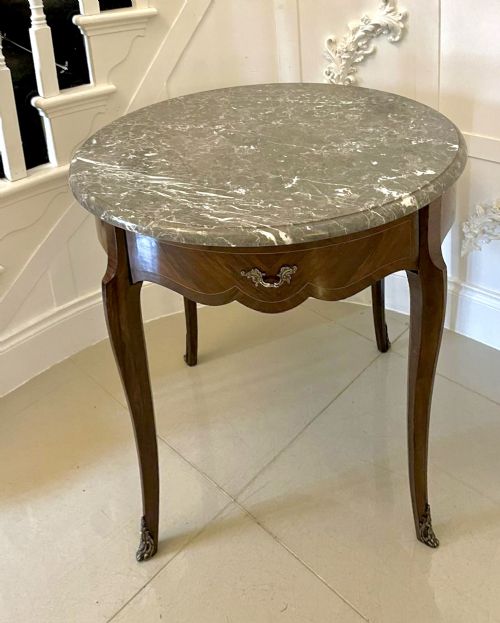
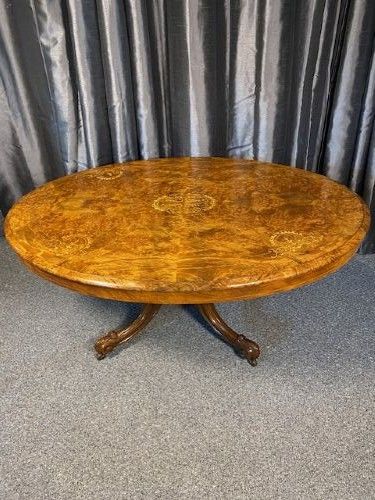
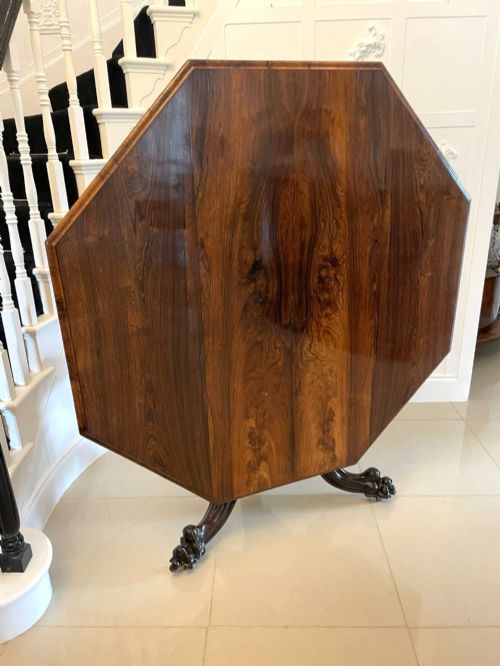
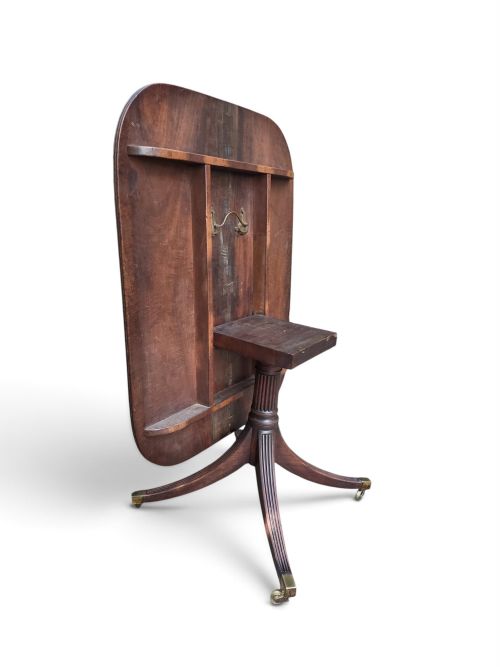
Construction formats vary from circular breakfast tables with triform bases to rectangular marble-topped tables and octagonal occasional pieces. Material choices stretch across rich timbers like mahogany, walnut, rosewood, and kingwood, frequently enhanced by decorative veneers and metal mounts.
How they were made
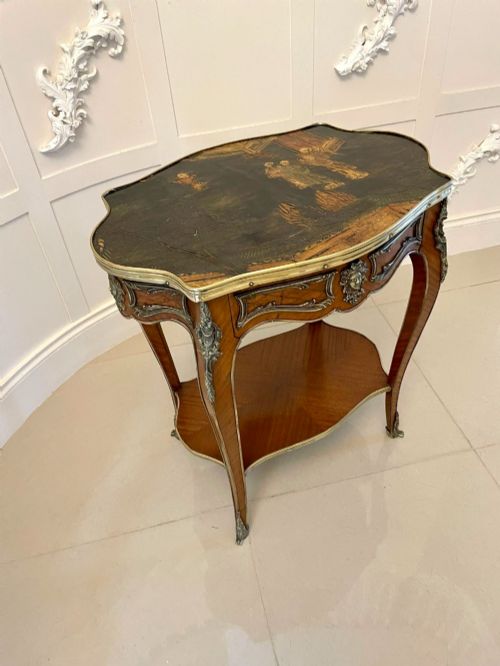
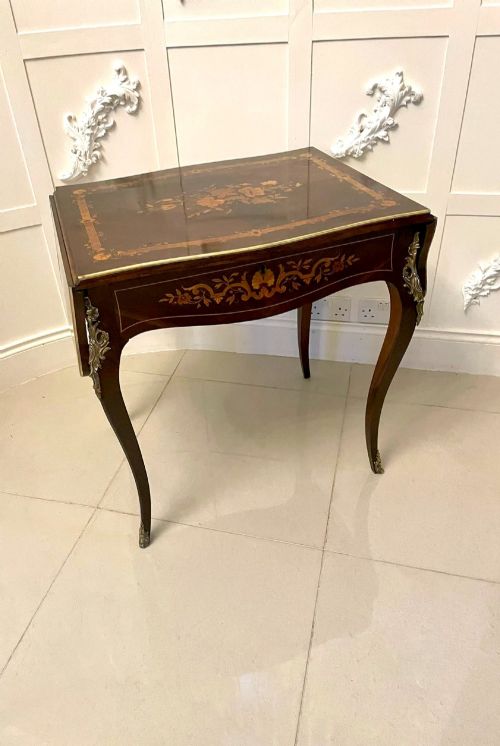
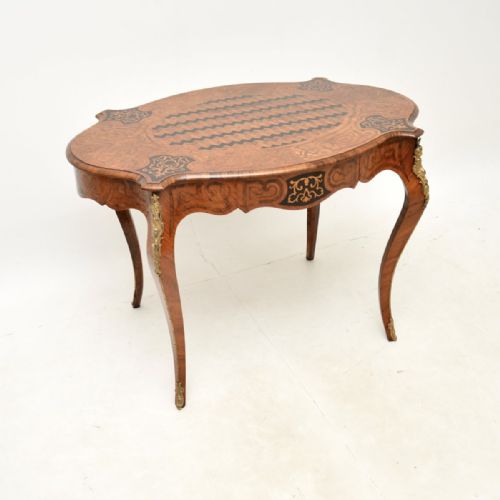
Cabinet-makers relied on solid hardwoods such as mahogany, oak, and walnut for structural integrity, whilst applying exotic timbers like kingwood, rosewood, satinwood, and burr yew as veneers for decorative surfaces. Marquetry and parquetry techniques introduced intricate geometric or floral patterns across table tops, utilising contrasting wood grains.
Metal enrichment played a major role in specific continental traditions, employing cast or chased ormolu mounts to accent corners, aprons, and legs. Marble inserts, particularly rouge marble, provided durable, cool-surfaced table tops that contrasted with polished wooden frames.
Joinery methods depended on the period, employing sturdy traditional joints for structural stability under heavy stone tops or large timber leaves. Carving was executed by hand, yielding deep relief work on linden wood or crisp moulding along table edges and legs.
Listings feature periods from the Georgian era through the Edwardian years, showcasing mahogany, walnut, and rosewood.
What varies in quality
Quality rests fundamentally on the selection of timber veneers and the precision of the underlying construction. Superior pieces demonstrate continuous, well-matched wood grains across expanses, whereas lesser examples rely on erratic or heavily printed surfaces.
The finesse of hand-carving and the weight of metal mounts distinguish workshops of note from standard commercial production. Crisp detailing in ormolu mounts and finely chiselled lines separate exceptional cabinet work from plain assembly.
Proportion and stability dictate the long-term success of a table. Top-tier examples maintain perfect balance across freestanding designs, ensuring that inlay work and joints remain flush and secure over generations of use.
Gillows·Francois Linke
The Antique Style Centre Table Glossary
- Freestanding
- Finished on all four sides so the piece can sit in the middle of a room without a designated front or back. This construction demands meticulous craftsmanship across hidden as well as visible areas.
- Ormolu
- Gilt bronze mounted onto furniture pieces to provide golden decorative enrichment. The technique requires precise casting and mercury gilding methods.
- Marquetry
- The art of applying small pieces of veneer to form decorative patterns and pictures on a wooden surface. Craftsmen select contrasting timbers to create depth and shade.
- Gueridon
- A small French occasional table supported by one or more columns or caryatids. Originally designed to hold a light source or candelabrum.
- Parquetry
- Geometric mosaic woodwork used for flooring and furniture tops. It creates repeating patterns through exact placement of angled timber blocks.
Antique Style Centre Table: Frequently Asked Questions
Where should I place a centre table?
These tables are designed to sit in the open space of a room, acting as a functional island for lamps, books, or decorative objects. Ensure there is adequate walking clearance around all sides to appreciate the freestanding design.
In larger reception rooms, they anchor seating groups, while smaller examples function effectively as lamp tables or dramatic hallway focal points.
How do I clean marble top tables?
Marble surfaces require gentle maintenance using soft cloths and mild, pH-neutral soap mixed with warm water. Avoid acidic cleaners or abrasive scouring pads that can etch or dull the polished stone.
Dry the surface thoroughly after wiping to prevent water marks, and consider professional sealing if the stone is porous.
Can I use an antique table for daily dining?
Many examples, particularly breakfast tables and larger Victorian pieces, were built robustly enough for daily domestic use. Protective pads or placemats help prevent heat rings and scratches on polished wood.
For delicate marquetry or antique French models with gilt mounts, daily heavy use demands extra caution to preserve fragile veneers.
What is the difference between a centre table and a coffee table?
Historical centre tables were traditionally built taller to stand freely in a room and serve various social functions like writing or holding lamps. Modern usage frequently adapts these taller tables for coffee table heights or placements.
True coffee tables from later periods generally sit lower to the ground to align with contemporary lounge seating.