
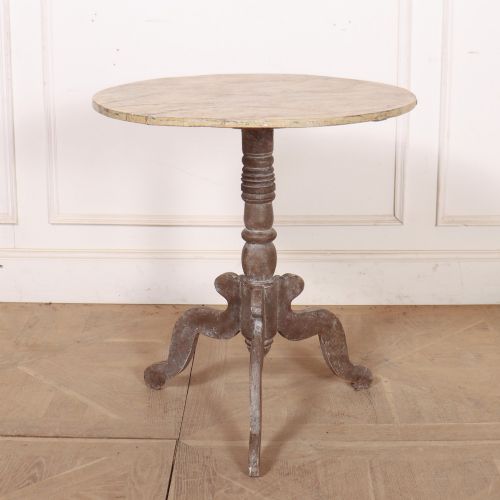
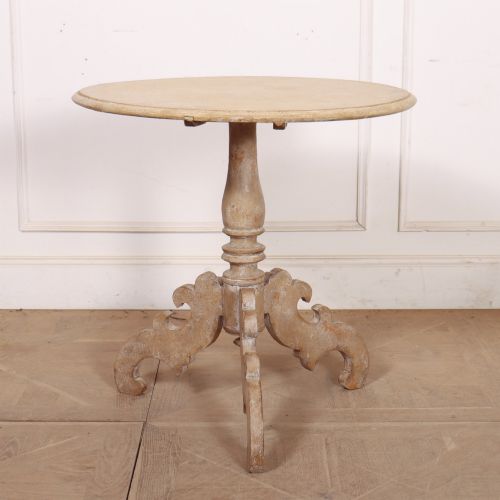
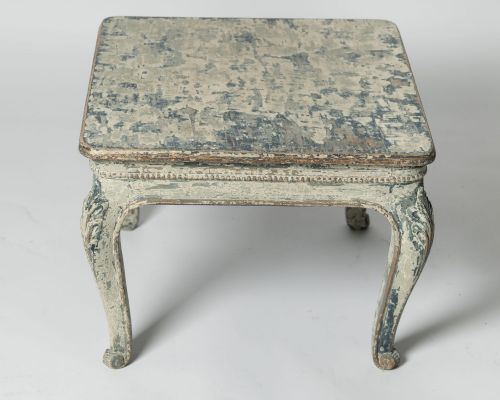
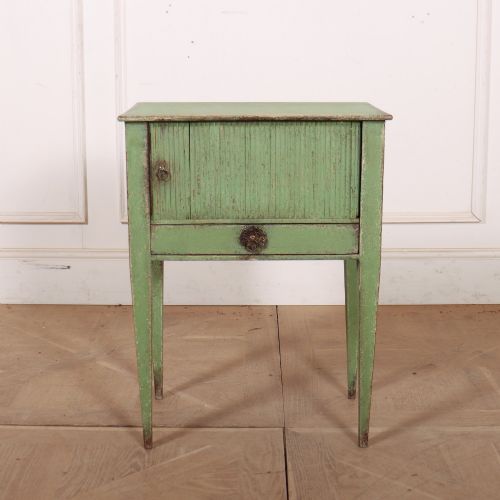




Distressed Wood Lamp Table
A distressed wood lamp table brings tactile warmth and aged character to a room, grounding your lighting with centuries of European craftsmanship.
Distressed Wood Lamp Table
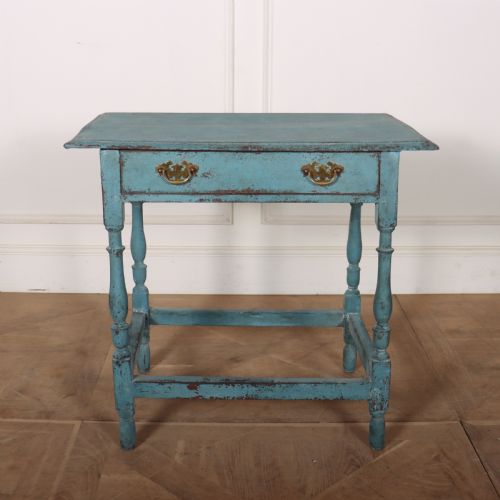
When you search for a distressed wood lamp table, you find small functional surfaces designed to support lighting while displaying weathered, aged timber or paint finishes. The forms span side tables, occasional tables, bedside tables, and occasional lamp bases originating from various European country traditions.
The pieces on this page lean heavily into French Chateau, Swedish Country, English Country, and Dutch Provincial styles. Most examples date from the eighteenth and nineteenth centuries, utilising softer woods with time-worn patinas rather than high-gloss formal polishes.
Buyers choose these items to introduce rustic texture and historical depth into modern or traditional interiors. Each table offers a compact footprint suitable for corners, beside seating, or next to a bed.
How they were made
Joinery on these tables relies on traditional timber construction using native woods like pine and mixed softwood and hardwood timber. Carpenters shaped structural elements by hand, frequently applying surface decoration in layers of paint or decorative washes.
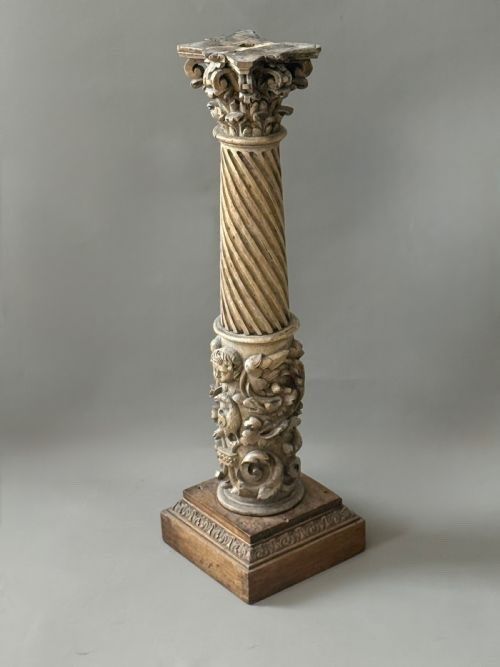
Aged finishes often result from decades of use, weathering, and repeated overpainting rather than factory distress. Carved wood details appear on select baroque and provincial forms, showing manual chisel work alongside turned pillars and pedestal bases.
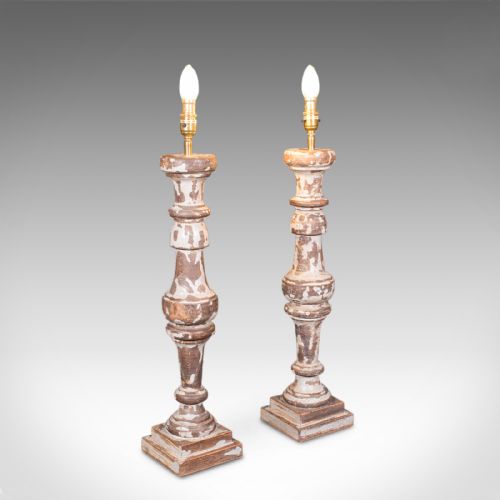
Some seventeenth-century architectural elements find a second life illuminating modern rooms as converted wooden pillar lamp bases.
What varies in quality
The standard of a distressed wood lamp table rests on the integrity of its original construction and the authenticity of its surface finish. Pieces retaining early or original paint layers command greater interest than those stripped down or heavily restored in recent times.
Proportion and structural balance separate simpler utility items from more refined provincial pieces. Subtle details such as hand-carved mouldings, turned supports, and integrated marble tops elevate individual tables above standard vernacular work.
The Distressed Wood Lamp Table Glossary
- Provincial
- Describing furniture made in the regions rather than capital cities, often displaying local traditions and practical forms. These pieces prioritize sturdy construction and straightforward utility.
- Softwood
- Timber from conifer trees, such as pine, which workers utilised extensively for painted country furniture. It provides a lighter weight and a receptive surface for layered paint.
- Pedestal table
- A standalone table supported by a single central column or pillar rather than four corner legs. This form allows maximum legroom in compact spaces.
- Patina
- The surface sheen and coloration developed through age, handling, and wear over decades or centuries. It signals genuine antiquity and organic use.
- Side table
- A small, movable table designed to stand against a wall or beside furniture. It serves as a convenient surface for lamps, books, and decorative objects.
Distressed Wood Lamp Table: Frequently Asked Questions
What is a distressed wood lamp table?
A distressed wood lamp table is a small antique or vintage surface, typically made from pine or timber, used primarily to hold a table lamp.
These pieces often feature painted or weathered finishes that reflect French, Swedish, or English country traditions from the eighteenth and nineteenth centuries.
How do I style a painted lamp table?
Pair the table with a compatible lamp base, utilising the aged wood and worn paint to add texture against plain walls.
Because these tables are compact, they fit easily beside sofas, armchairs, or beds as functional accent pieces.
Are these tables sturdy enough for daily use?
Most of these occasional and side tables were built for practical daily tasks in domestic settings using solid timber construction.
While centuries old, their sturdy wooden frames accommodate standard lamps and small daily items comfortably.
How can I tell an older table from a newer one?
Examine the timber, construction joints, and surface wear for signs of genuine age rather than artificial distressing.
Older pieces show natural patination, hand-tool marks, and historic paint layers that modern manufacturing rarely replicates accurately.