
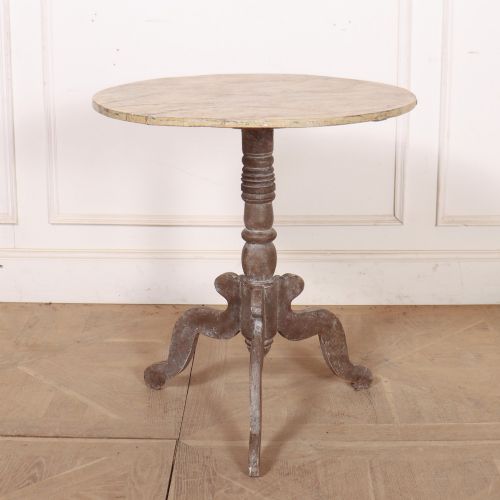
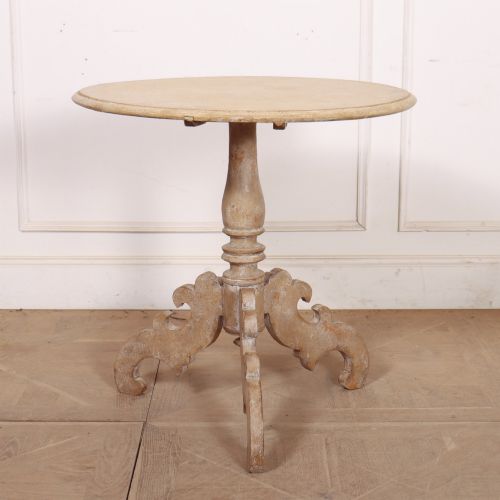
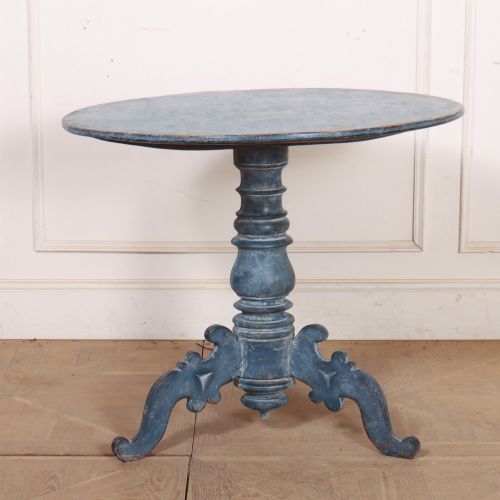
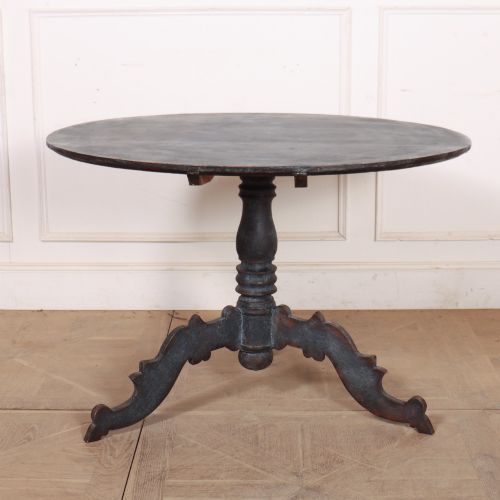
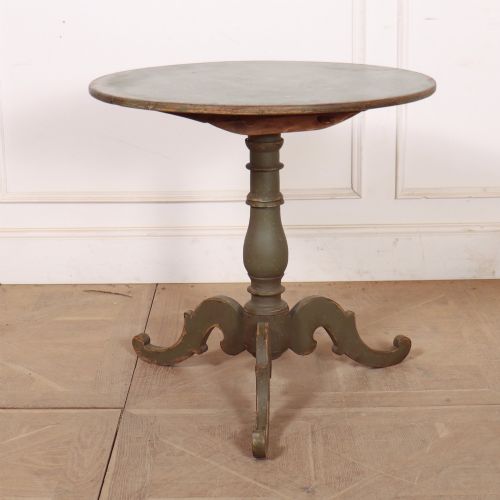


Gustavian Painted Accent Table
These gustavian painted accent table pieces offer restrained Nordic elegance, bringing muted painted finishes and practical surfaces to modern interiors.
Gustavian Painted Accent Table
A gustavian painted accent table brings understated Scandinavian country style into a room, serving as a functional surface for lamps, books or daily items. These pieces span the eighteenth century, nineteenth century and early twentieth century, reflecting enduring regional traditions of craftsmanship.
You are most likely to meet lamp tables and occasional tables on this page, often built from pine or softwood and finished with painted wood surfaces. Alongside these side tables and supper tables, the selection includes related forms like Swedish stools and dining or centre tables.
The aesthetic leans heavily towards Scandinavian country and Swedish country traditions, though French chateau and French provincial influences occasionally appear. These tables provide a subtle focal point without overwhelming a scheme, functioning well beside seating or in hallways.
How they were made
Makers relied primarily on pine, softwood and general timber to construct the carcases, shaping sturdy frames suited to daily domestic use. These foundational woods provided a reliable base for decorative painted treatments applied across generations.
Painted finishes define the visual character of the group, utilising layers of paint that wear down over time to reveal texture and tone. Brass details occasionally supplement the woodwork, adding subtle contrast to the painted surfaces.
Listings span the eighteenth century, nineteenth century, 1890 and 1910, utilising pine, softwood, timber, paint and brass.
What varies in quality
Quality rests in the integrity of the painted surface, where original pigment layers and natural ageing distinguish finer examples from later repainting. The handling of proportions and the subtlety of carved or turned details also separate everyday pieces from superior items.
Construction methods reveal the standard of the workshop, with tighter joinery and well-balanced frames indicating careful regional production. The preservation of the timber substrate beneath the paint dictates the structural longevity of each table.
The Gustavian Painted Accent Table Glossary
- Gustavian
- The Swedish neoclassical style spanning the late eighteenth and nineteenth centuries, characterised by restrained lines and pale painted finishes. It draws inspiration from French court taste interpreted through a northern European lens.
- Lamp table
- A small occasional table designed specifically to hold a lighting fixture beside a chair or bed. These compact pieces prioritise height and surface stability over storage.
- Softwood
- Timber derived from conifers, such as pine, which was widely employed in Scandinavian cabinetmaking for its workability and abundance. It formed the standard structural base for painted furniture.
- Occasional table
- A general term for a movable, smaller table used intermittently in various rooms for display or convenience. They appear in round and rectangular formats across the nineteenth century.
- Scandinavian country
- A vernacular design tradition focused on utility, clean forms and local materials rather than elaborate ornamentation. Painted finishes protect the timber while brightening darker interiors.
Gustavian Painted Accent Table: Frequently Asked Questions
What is a gustavian painted accent table used for?
These pieces serve practical functions as lamp tables, supper tables or general occasional surfaces in living spaces and hallways. Their compact proportions make them adaptable for holding small lamps, books or decorative objects.
Historically, they provided flexible surface space within Nordic homes, moving easily between rooms as household needs required. Today, they bring both utility and subdued decorative character to contemporary interiors.
How do I identify a nineteenth century piece?
Nineteenth century examples typically exhibit construction traits like hand-cut joints, pine timbers and traditional layered paint finishes that show genuine wear. The proportions often reflect regional Scandinavian country design rather than strict neoclassical symmetry.
Examining the underside and interior surfaces reveals tool marks and material consistency typical of nineteenth century workshop practices. Paint patination also builds up organically over decades of use and cleaning.
Are these tables suitable for everyday use?
Pine and softwood construction provides sufficient durability for daily tasks, provided the tables are treated with reasonable care. Their sturdy frames handle standard items like lamps and cups without structural strain.
Because many carry historic painted surfaces, placing them away from direct heat sources and moisture preserves the finish. Using coasters protects the painted wood from accidental spills.
What defines Swedish country style?
Swedish country style combines functional simplicity with pale, light-reflecting painted surfaces designed to brighten long northern winters. It strips away heavy ornamentation in favour of clean silhouettes and practical form.
This aesthetic values honest materials like pine and softwood, often softened by patinated paint. The result is an understated elegance that complements various interior design schemes.