

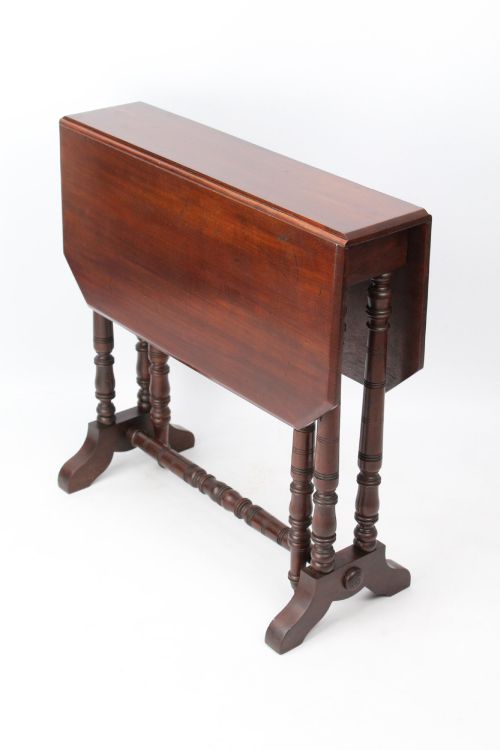
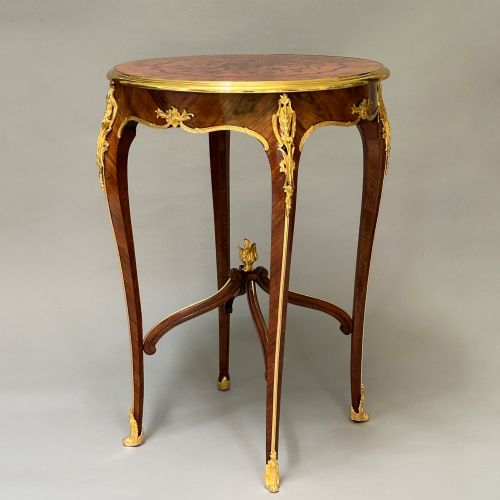
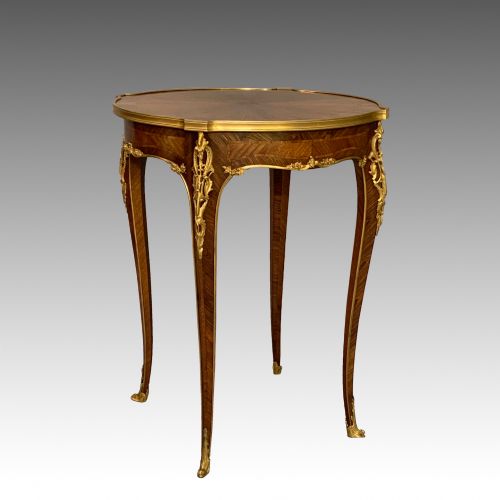
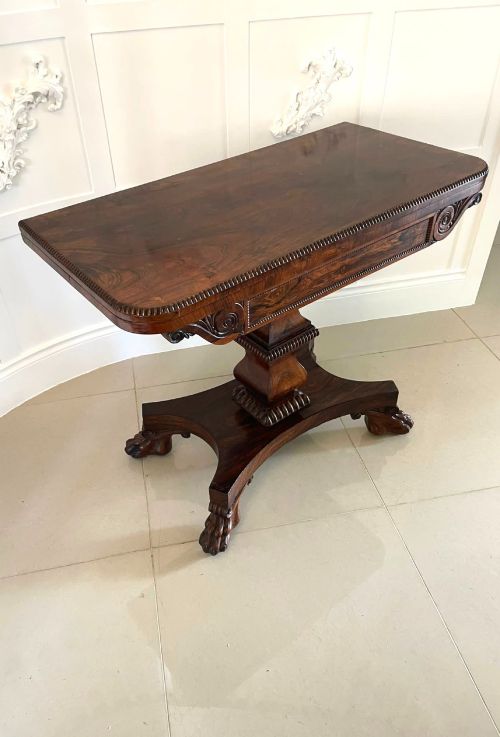
Nineteenth Century Tea Table
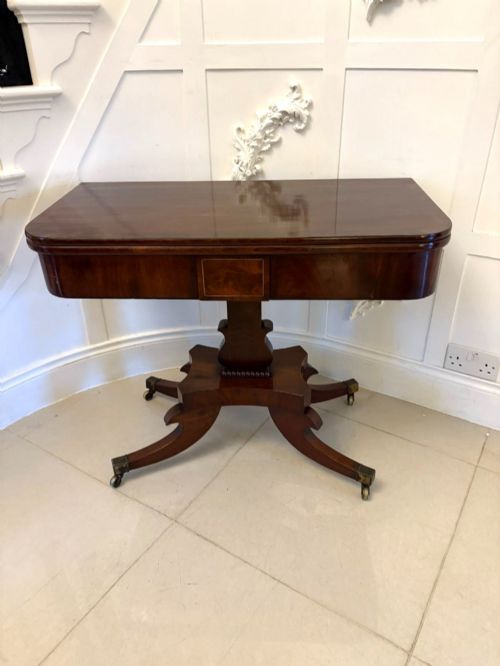
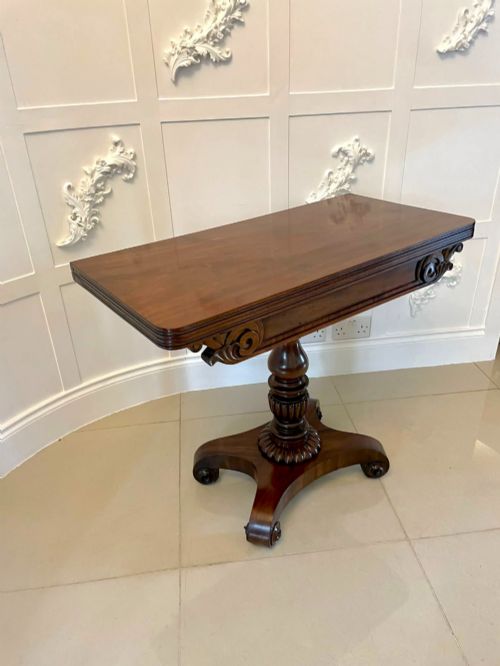
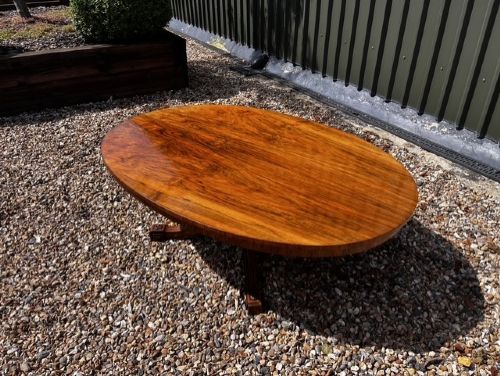
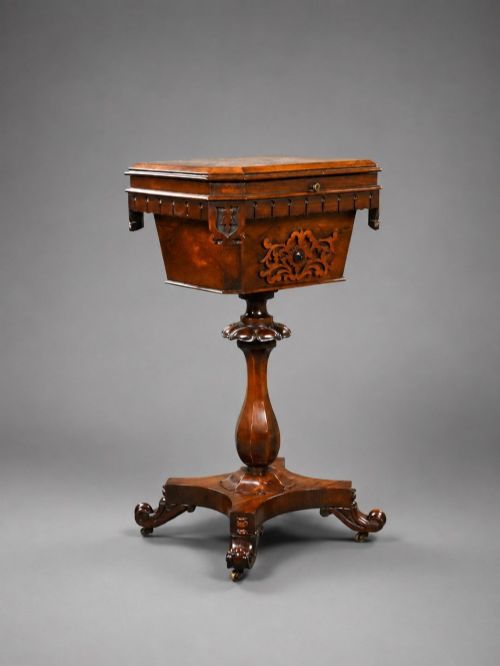
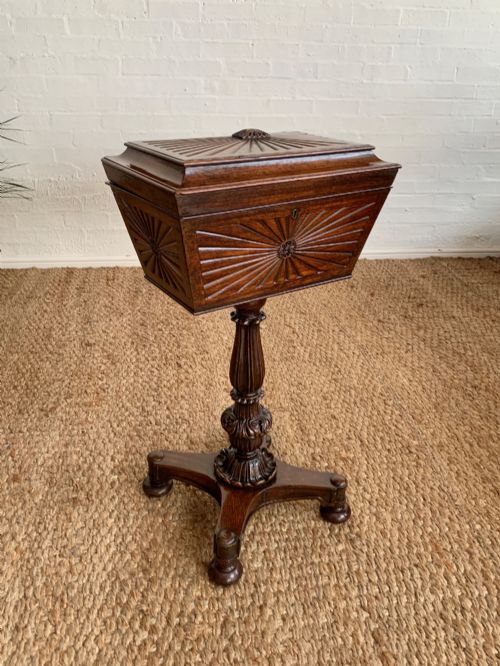
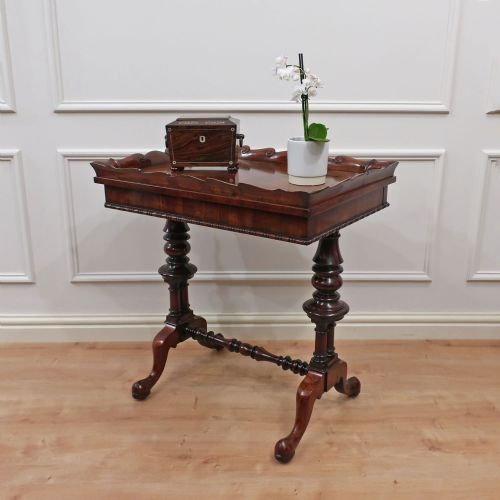
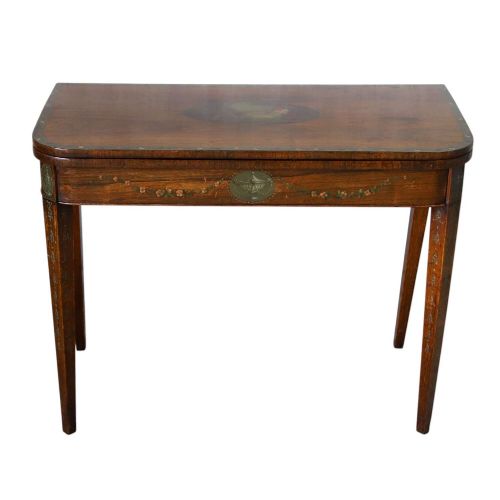
A nineteenth century tea table offers folding leaves and rich timbers designed to hold evening porcelain with elegance.

Nineteenth Century Tea Table
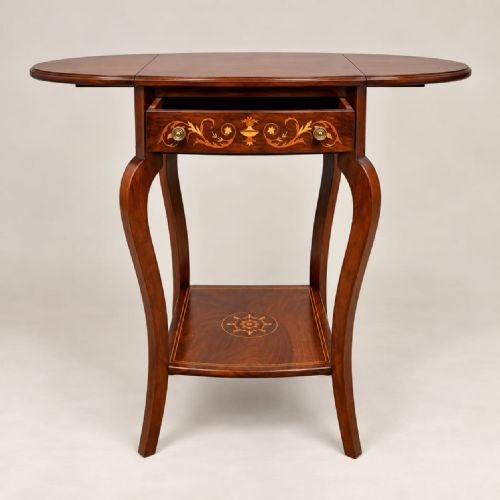
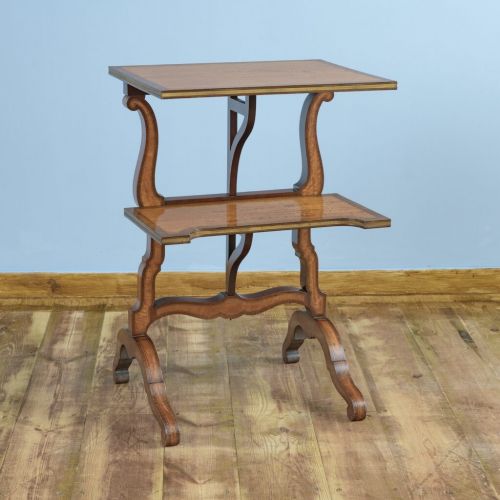
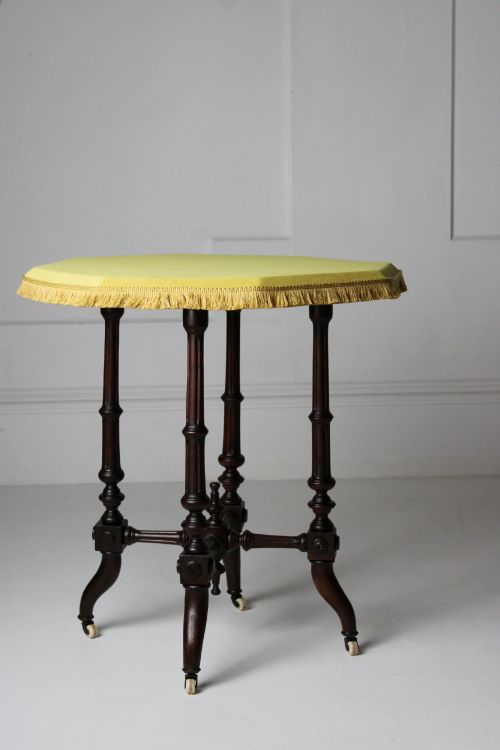
A nineteenth century tea table serves as a versatile piece designed for hosting tea, frequently appearing in forms that fold over or drop their leaves. Buyers encounter variants spanning Regency, William IV, and Victorian periods, alongside specific regional types including Anglo-Indian and Chinese examples.
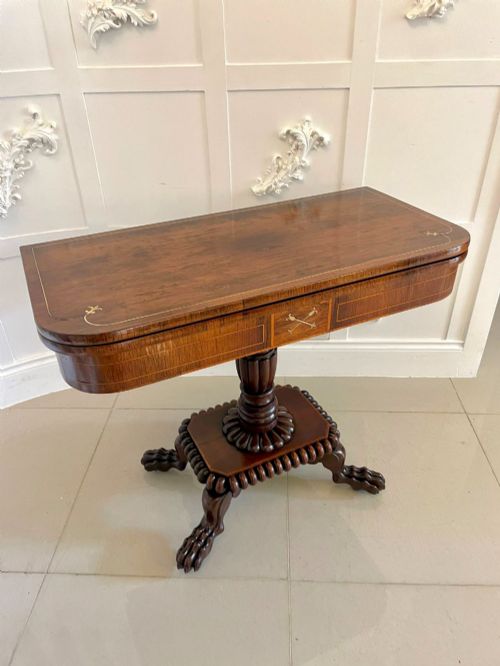
The materials reflect high craftsmanship, utilising rich hardwoods such as rosewood, mahogany, and walnut, often paired with satinwood or kingwood veneers. These surfaces frequently incorporate brass inlay, marquetry, or parquetry.
Many examples double as card or games tables, utilising swivel tops and folding mechanisms to transition between uses. Occasional and side variants also appear, showcasing the adaptability of nineteenth-century domestic furniture.
Materials and Construction
Cabinetmakers constructed these tables using solid hardwoods like mahogany and oak for structural integrity, applying expensive veneers such as rosewood and kingwood to visible surfaces. Marquetry and parquetry techniques introduced geometric or floral patterns using contrasting timbers.
Metal accents played a functional and decorative role, with cast brass inlay, Ormolu mounts, and brass castors integrated into pedestal and leg designs. Papier-mâché and bamboo also emerged in later Victorian pieces, expanding the range of production techniques.
Nineteenth Century Tea Table Retail Price Guide 2026
Typical asking prices for nineteenth century tea table among the pieces listed under this phrase on Sellingantiques today, from the lower quarter to the upper quarter. They describe what is for sale here now, not the wider market.
Some tables feature carved wooden dolphins supporting the central pedestal, proving that nineteenth-century joiners enjoyed marine life as much as mahogany.
Evaluating Craftsmanship
The distinction between standard production and top-tier work rests on the selection of timber and the precision of the joinery. Figured mahogany and richly grained rosewood indicate superior material choice, while tight hinges on folding tops demonstrate expert carpentry.
Hand-cut brass inlay and intricate marquetry separate master workshops from lesser makers. The fluidity of carved details, such as pedestal dolphins or sunburst motifs, dictates the overall refinement of the piece.
George Bullock·Joseph-Emmanuel Zwiener·Holland & Sons·Gillows·Maison Giroux·François Linke·Johnstone and Jeanes·William Trotter
The Nineteenth Century Tea Table Glossary
- Tea table
- A small domestic table designed specifically to hold tea service equipment, often featuring a folding top.
- Card table
- A hinged table designed to fold open for card playing, frequently sharing forms with tea tables.
- Marquetry
- Decorative wood veneer arranged in pictorial or ornate patterns across the surface of the table.
- Ormolu
- Gilded bronze mounts applied to furniture for decorative enrichment, common in French-influenced nineteenth-century pieces.
- Tilt top
- A mechanism allowing the table surface to tilt vertically for convenient storage against a wall when not in use.
Nineteenth Century Tea Table: Frequently Asked Questions
How did people use a nineteenth century tea table?
These tables stood against parlor walls holding decorative items until evening tea service commenced. The top surface folded open to accommodate porcelain pots, cups, and saucers.
Many designs doubled as card or games tables, allowing households to transition the furniture from dining utility to evening entertainment with a simple swivel and fold mechanism.
How do I tell Regency from Victorian examples?
Regency pieces lean toward classical restraint, utilising clean architectural lines, rosewood veneers, brass stringing, and pedestal bases carved with motifs like dolphins. They date from the early decades of the century.
Victorian variants tend to show heavier proportions, darker walnut or oak timbers, and elaborate carving associated with later revival styles or the Aesthetic movement.
Where should I place this table at home?
A folding tea table fits well in a living room or hallway against a flat wall, showing off its veneered top when closed. Opening the leaves creates a functional surface for lamps or books.
Smaller occasional and tilt-top variants work effectively beside armchairs or in corners, functioning much as they did in nineteenth-century drawing rooms.
What is the difference between a tea table and a work table?
A tea table focuses on a wide, folding surface designed for hospitality and social gatherings. The construction prioritizes stability and polished timber tops.
A work table incorporates fitted interiors, caddy tops, or fabric bags beneath for sewing and needlework, pointing toward personal crafting rather than serving guests.