


Victorian Gateleg Table
A victorian gateleg table is a folding piece designed to save space, and you want one for its clever mechanism and rich timber.
Victorian Gateleg Table
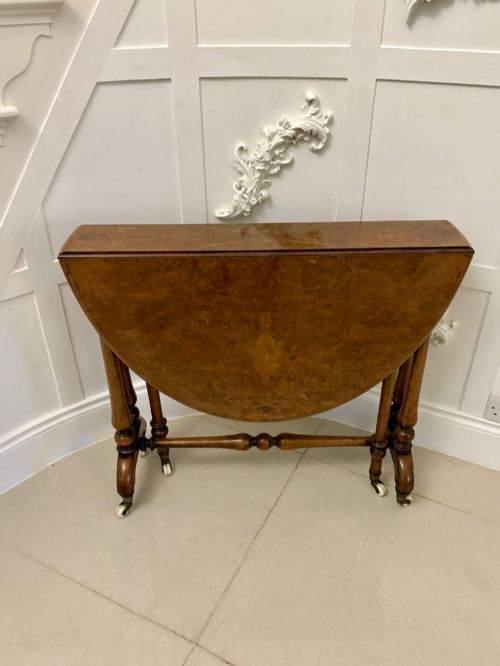
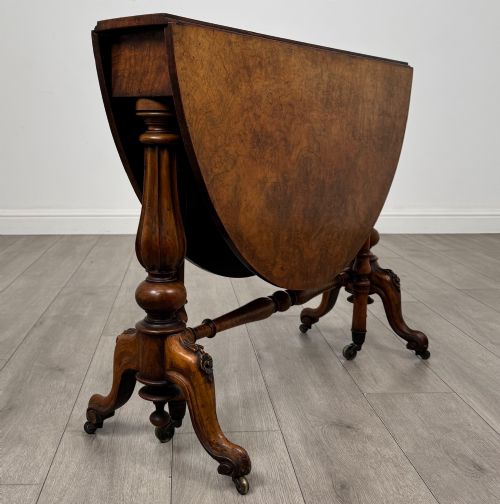
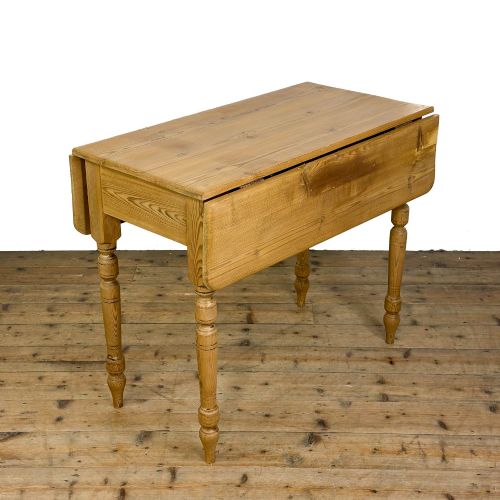
A victorian gateleg table is a practical piece of furniture featuring hinged leaves supported by swing-out legs. The inventory relies heavily on walnut, burr walnut, and mahogany, alongside sturdy oak and pine examples from the nineteenth century.
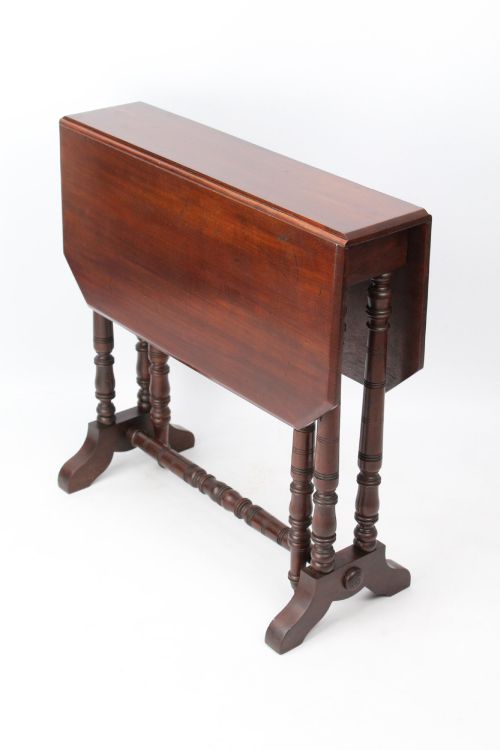
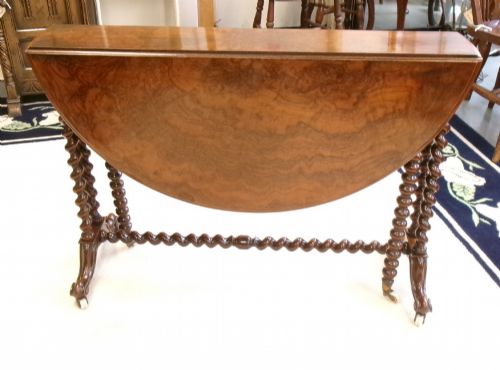
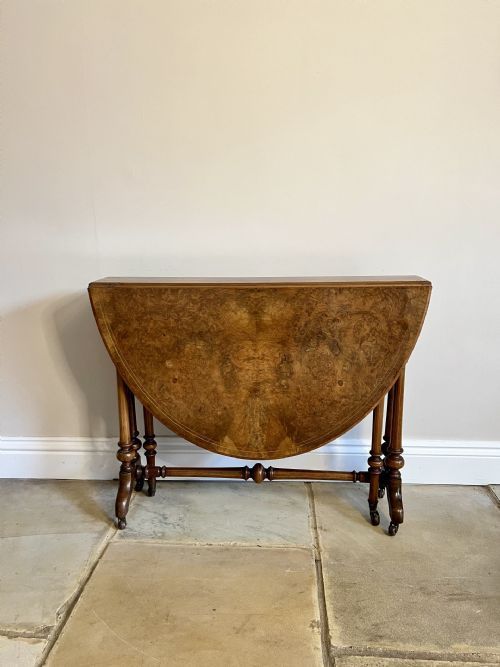
The form appears predominantly as a Sutherland table, a slender version with narrow leaves and a low-slung pivot, alongside larger dining versions and small occasional or tea tables. Most pieces date from the Victorian and Edwardian eras, spanning from eighteen fifty to nineteen hundred.
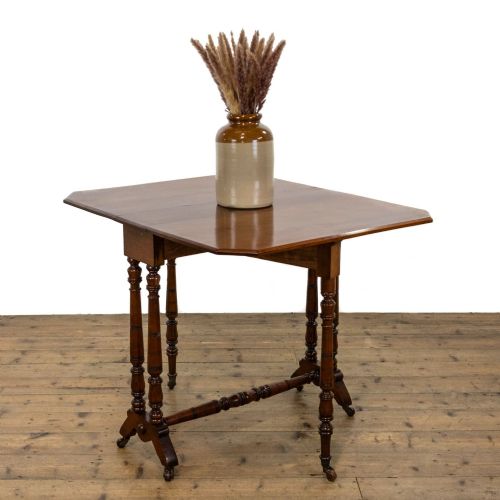
Buyers frequently encounter variations incorporating satinwood inlay, marquetry, bobbin turned legs, or carved details. These tables function equally well as occasional lamp tables, coffee tables, or compact dining surfaces in modern homes.

How they were made
Cabinetmakers constructed these tables using solid hardwoods such as mahogany and oak, frequently applying highly figured burr walnut veneers to the top surfaces. Timber preparation required careful seasoning to prevent warping across the folding leaves.
The structural integrity relies upon sturdy pivot joints and gateleg actions fabricated from matching hardwoods or reinforced with brass fittings. Turning lathes shaped ornamental elements like bobbin legs and barley twist supports, while hand-cut inlay introduced contrasting lines of satinwood.
The inventory records pieces spanning from eighteen fifty to nineteen hundred, encompassing Victorian, Edwardian, and Regency eras.
What varies in quality
Quality rests primarily upon the selection of timber and the intricacy of the cabinetwork. Tables featuring dense burr walnut veneers with matched grain patterns and fine marquetry inlay sit firmly at the upper end of the range.
The precision of the gateleg hinge mechanism and the stability of the swing-out legs determine everyday utility. Superior examples maintain rigid alignment when extended, whereas lesser pieces show slackness in the pivot joints and simpler structural turns.
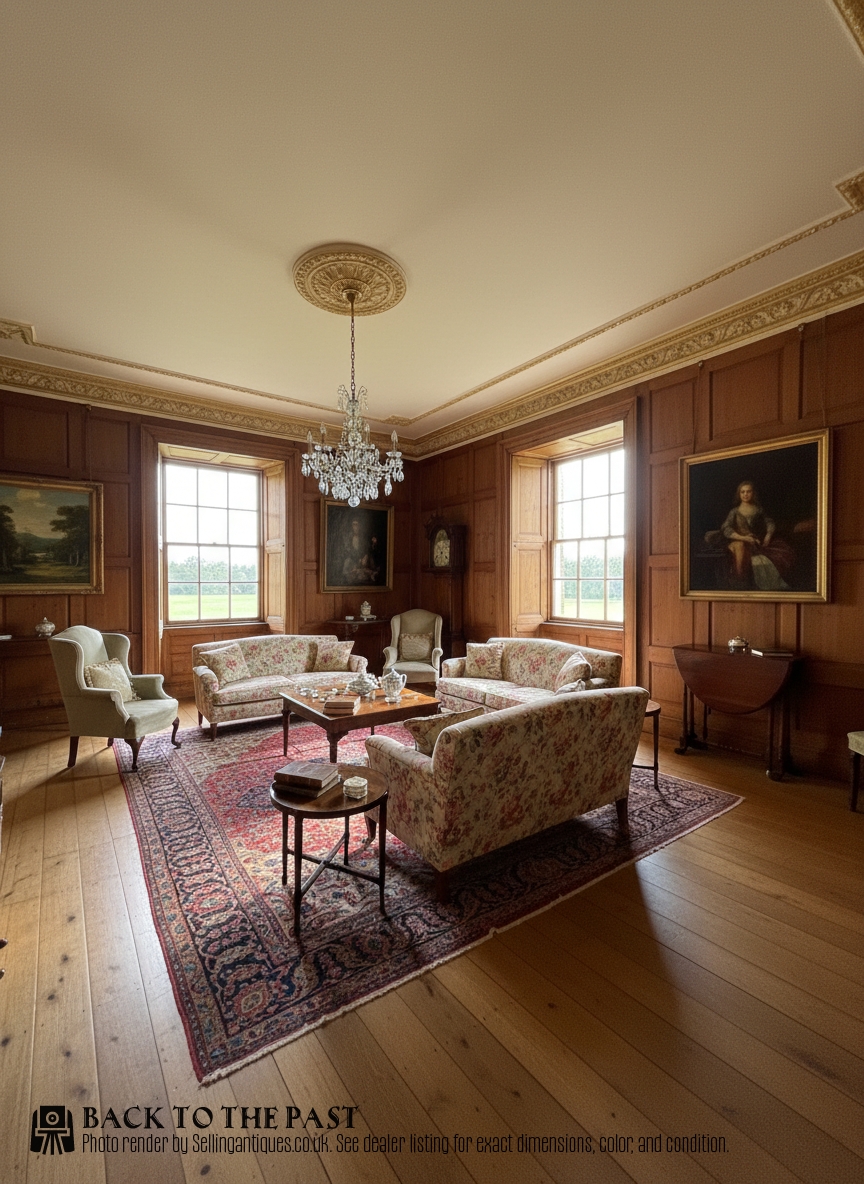
The Victorian Gateleg Table Glossary
- Sutherland table
- A narrow drop-leaf table with exceptionally small flaps and low-slung gatelegs. This form became particularly popular during the Victorian period for occasional parlour use.
- Gateleg table
- A table with hinged leaves supported by one or more legs that swing outward like a gate. This clever folding action allows the surface area to expand or contract swiftly.
- Burr walnut
- A prized wood harvested from the abnormal growth knots of walnut trees, yielding turbulent, highly decorative grain patterns. Cabinetmakers utilised this timber for tabletop veneers on fine nineteenth-century pieces.
- Barley twist
- A decorative turning style resembling a spiralling rope carved into furniture legs and supports. This ornate detail frequently appears on late nineteenth-century oak and mahogany tables.
- Bobbin leg
- A turned furniture leg shaped to resemble a series of wooden spools or bobbins stacked end to end. This playful turned detail characterises certain nineteenth-century walnut and oak tables.
Victorian Gateleg Table: Frequently Asked Questions
How did Victorians use these tables?
Victorians utilised these folding tables to adapt their living spaces throughout the day, opening the leaves for tea parties or dining and folding them flat against a wall when floor space was required.
Smaller Sutherland variants served primarily as occasional pieces for holding books, lamps, or sewing equipment in the parlour.
How do I style a gateleg table today?
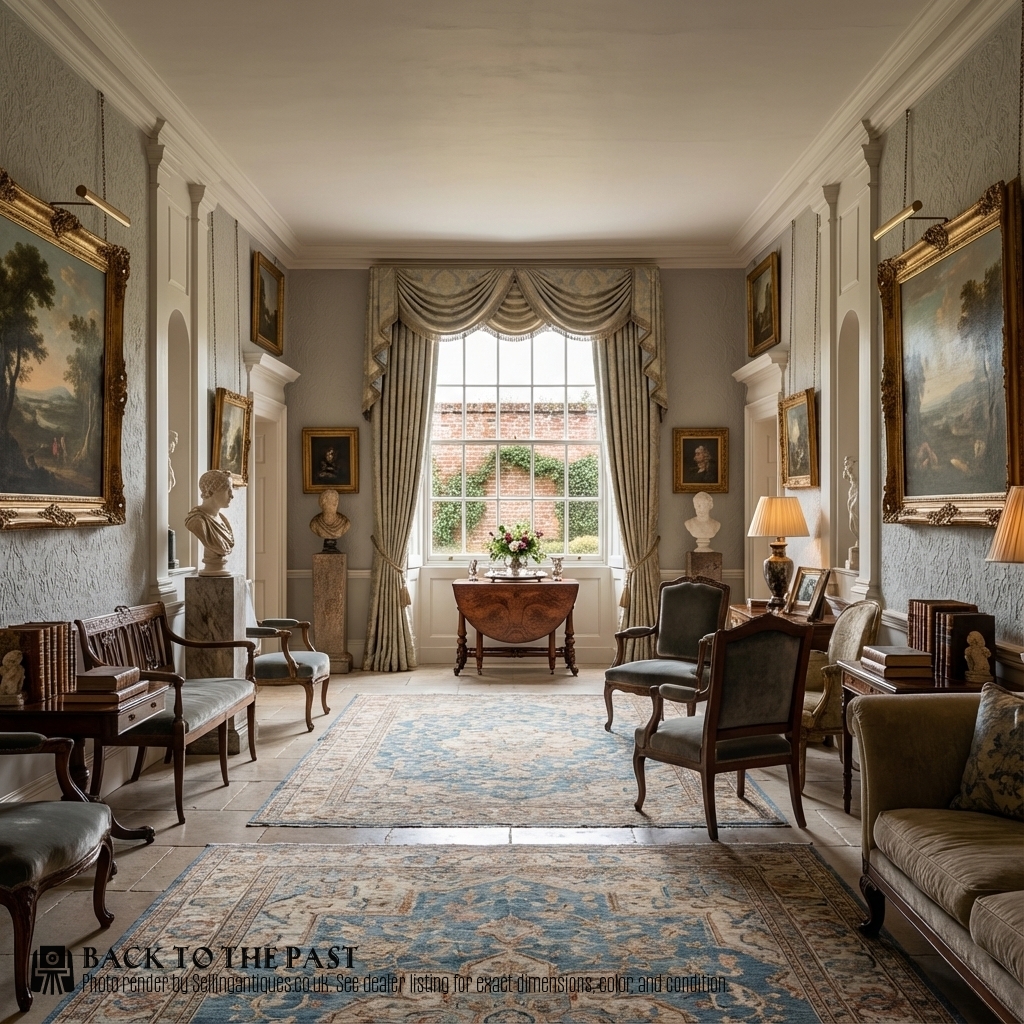
These tables fit easily into modern interiors by acting as compact hallway consoles, lamp tables, or impromptu desks when the leaves remain dropped.
Pulls can be extended when guests arrive, providing extra surface area without permanently dominating the room.
What is the difference between an oak and walnut table?
Oak tables generally offer a heavier, more rustic appearance with visible grain, suiting country house aesthetics and daily kitchen use.
Walnut and mahogany versions tend to display finer veneers, decorative inlays, and a more polished formality suited to sitting rooms.
How do I spot a Sutherland table?
A Sutherland table stands apart from standard drop-leaf tables by having very narrow leaves and legs positioned extremely close to the central pivot when folded.
This specific proportion creates an exceptionally slim profile when closed.