


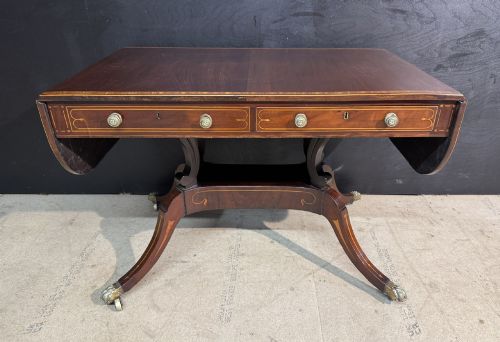
Antique Drop Side Table
An antique drop side table offers a flexible surface that folds away neatly when floor space matters.
The Form and Periods
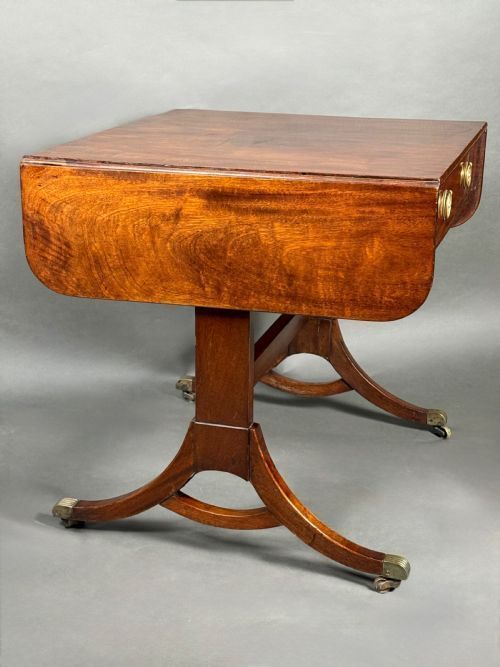
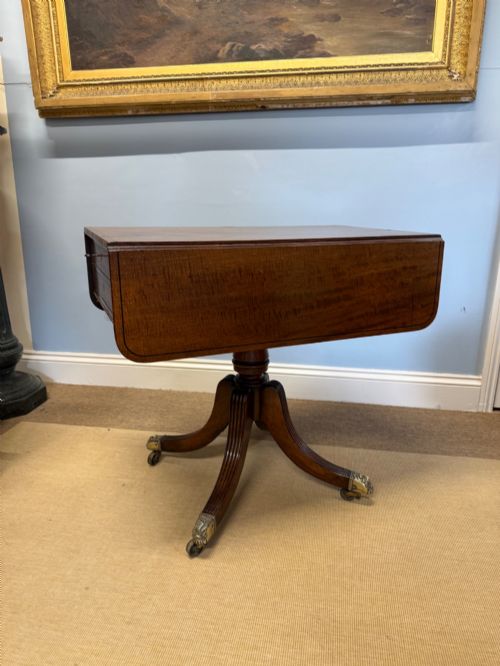
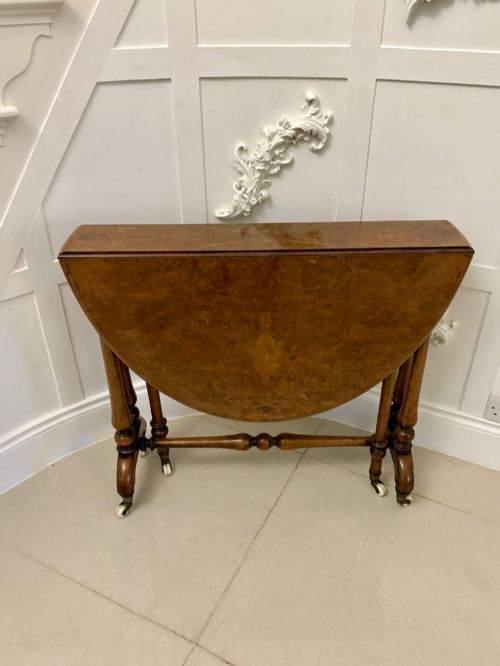
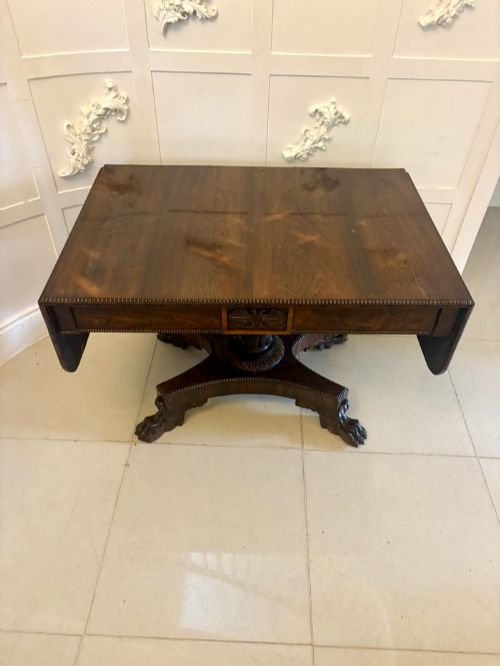
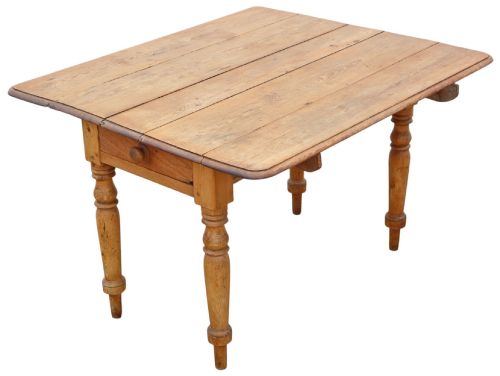
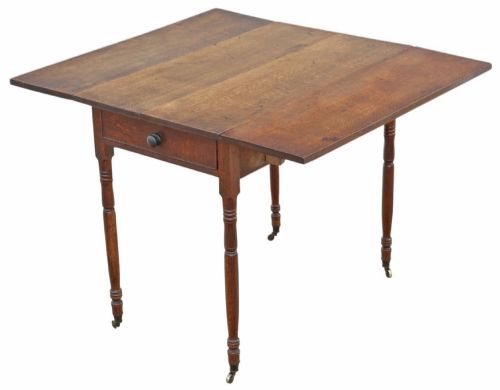
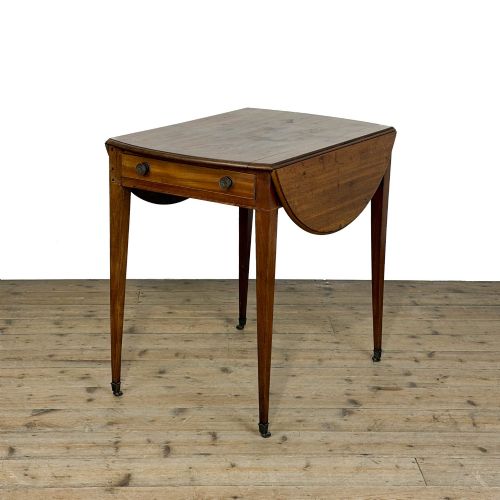
An antique drop side table is primarily represented here by dining tables, sofa tables, and Pembroke tables spanning the Georgian, Victorian, and 1800 periods.
The archive shows that oak and mahogany dominate the construction, often taking the form of gateleg or Pembroke tables designed for domestic utility.
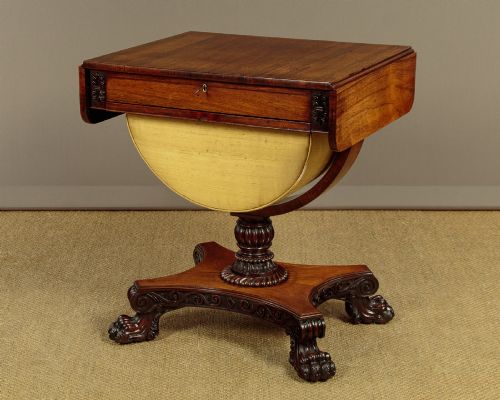
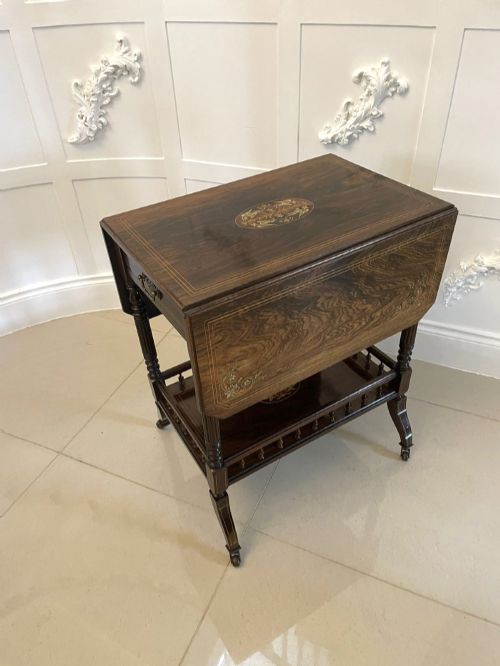
Buyers will encounter simpler oak pieces alongside finely finished mahogany and rosewood examples from later nineteenth-century workshops.
Materials and Construction
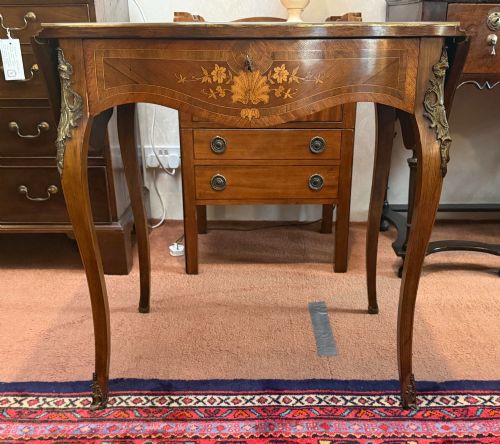
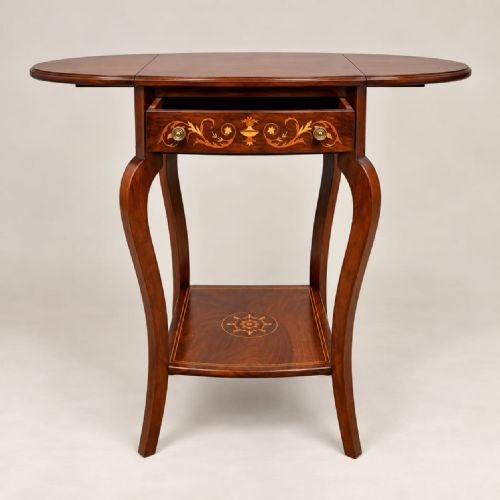
Cabinetmakers utilised solid timbers such as mahogany, oak, and walnut, frequently selecting figured veneers for tops and incorporating brass or ormolu mounts on high-status examples.
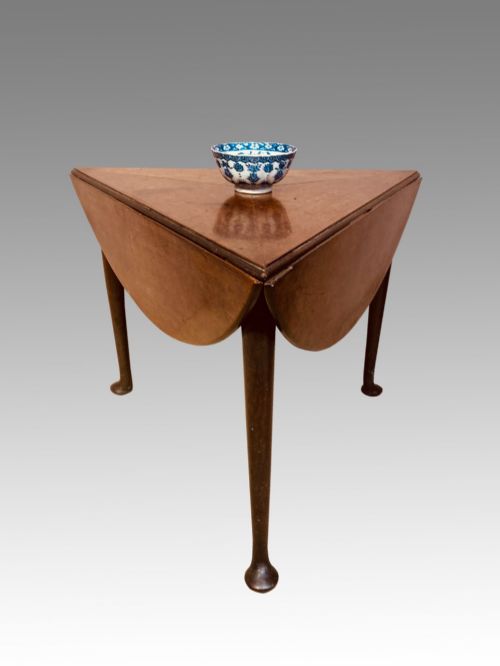
Hinges and folding brackets support the movable flaps, allowing the leaves to drop securely when not in use.
Retail Price Guide 2026
Typical UK retail prices for drop side table, calculated from the Sellingantiques database of over a million retail prices indexed since 2003. This retail price guide relies exclusively on Sellingantiques data; no external sources or auction records are used, so the figures do not describe the wider market.
Listings span multiple centuries, incorporating materials such as oak, mahogany, walnut, rosewood, brass, and iron.
Judging the Standard
Quality rests upon the selection of timber grain, the crispness of any inlay, and the retention of original brass hardware or hinges.
Tables that maintain a warm, deep patina across both the main top and the drop leaves demonstrate careful handling over centuries.
Jean-Joseph Chapuis
The Antique Drop Side Table Glossary
- Gateleg table
- A table with hinged leaves supported by swing-out legs that resemble a gate.
- Pembroke table
- A small rectangular table featuring two hinged drop leaves and typically one or two small drawers.
- Sofa table
- A rectangular occasional table designed to stand in front of a sofa, usually fitted with drop leaves and twin pedestals.
- Patina
- The surface sheen and colour developed by wood through age, wear, and polishing.
Frequently Asked Questions
How were antique drop side tables used originally?
These tables served multiple purposes in domestic rooms, expanding for meals or writing and folding down to save space against a wall.
Pembroke and sofa tables were frequently moved around sitting rooms and parlours as daily needs shifted.
Where should I place a drop side table?
They fit well in narrow hallways, beside sofas, or as compact dining surfaces in smaller apartments.
Dropping one leaf allows the table to sit flat against a wall while remaining instantly ready for use.
How do I identify a Georgian drop side table?
Georgian examples often feature solid mahogany or oak timbers, subtle inlay work, and straightforward functional lines.
Look for period hinge mechanisms and the characteristic depth of colour in the wood.
What is the difference between oak and mahogany versions?
Oak examples generally date from earlier periods or country workshops, displaying a robust grain and sturdy gateleg construction.
Mahogany and rosewood versions tend to appear in later Georgian and Victorian urban settings with finer finishes.