

Antique Tilt Top Breakfast Table
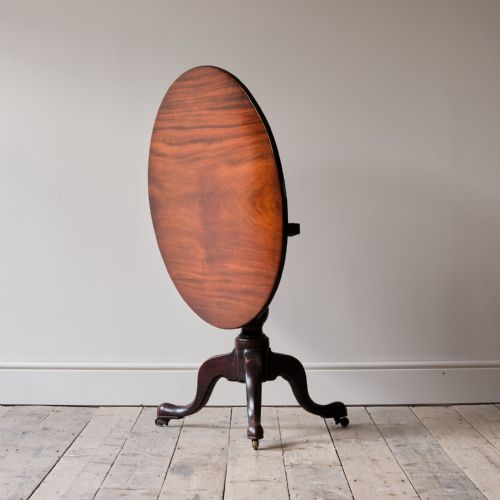
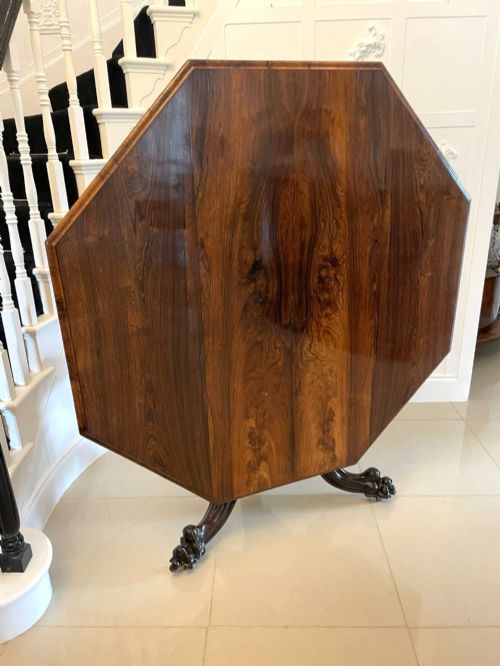
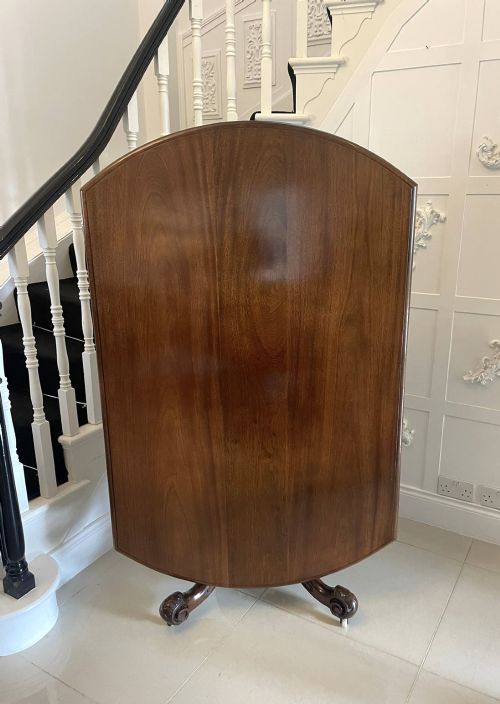
An antique tilt top breakfast table combines domestic scale with a clever mechanism that stores the surface flat against a pedestal when not in use.
What these tables are
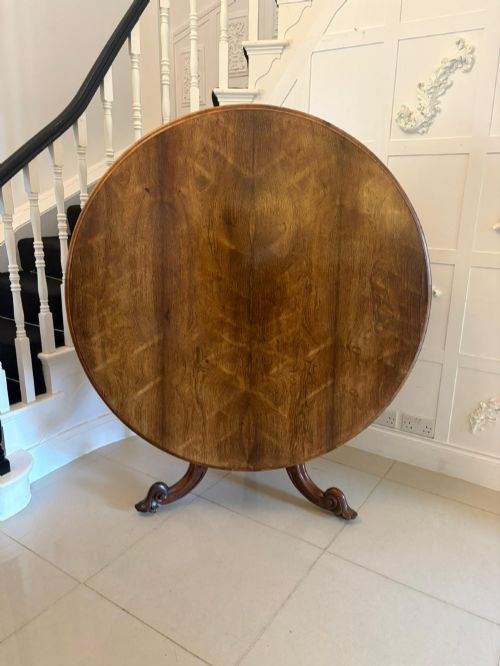
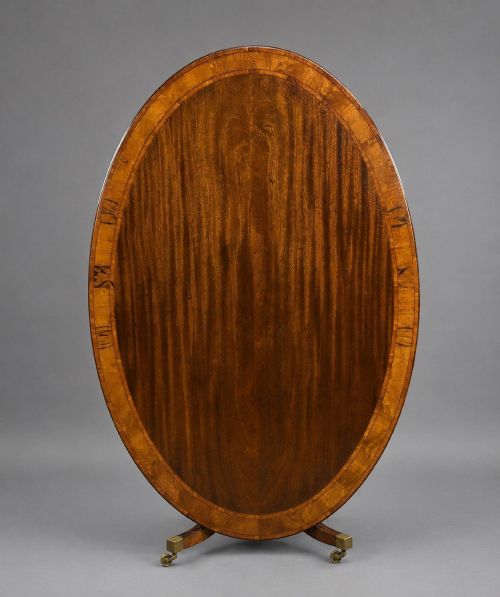
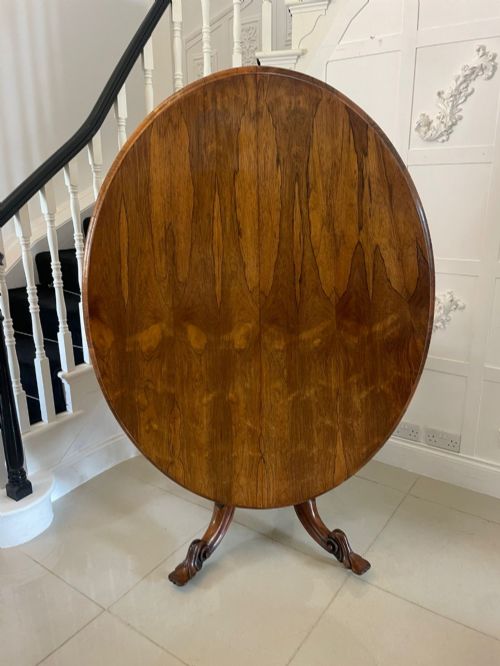
An antique tilt top breakfast table is a versatile piece designed originally for morning dining or central placement in a reception room, scaling from small circular formats to large multi-seater dining boards. The evidence shows these surfaces span the 18th century, Georgian, William IV, and Victorian periods, often turning up in round, oval, or rectangular proportions.
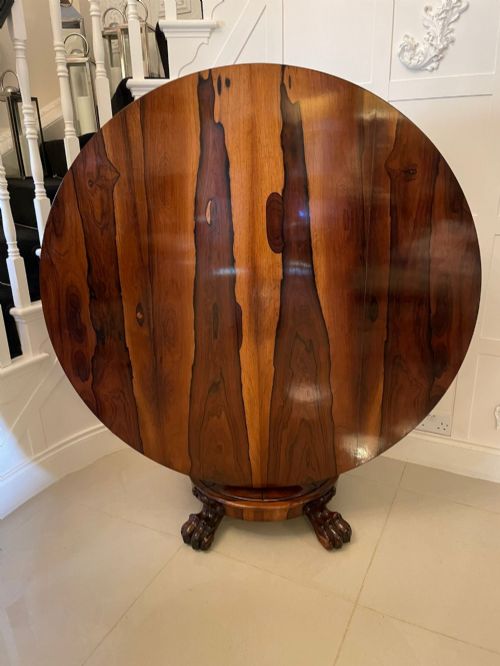
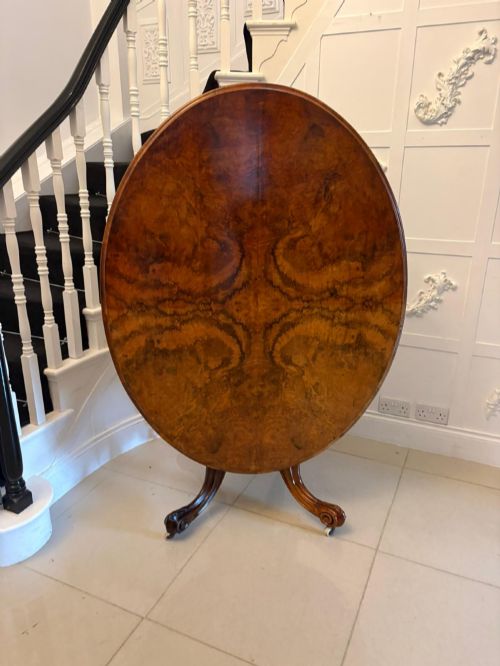
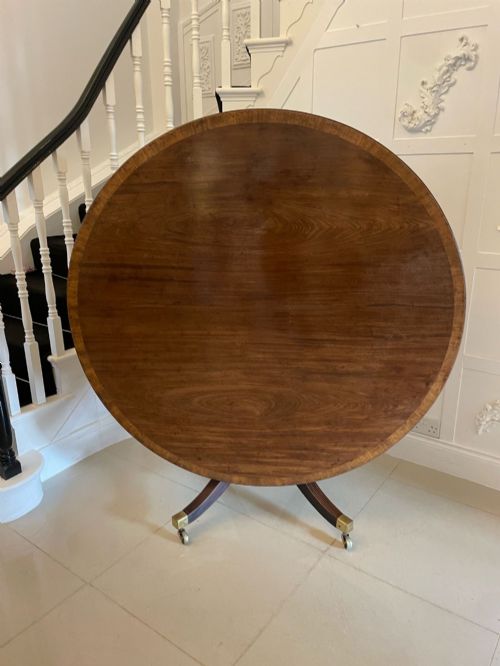
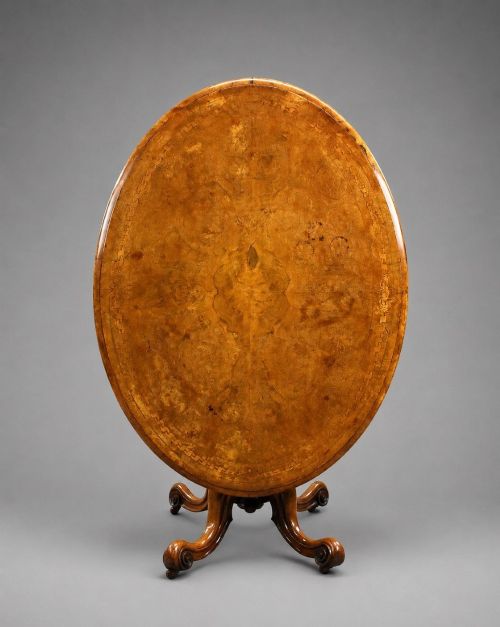
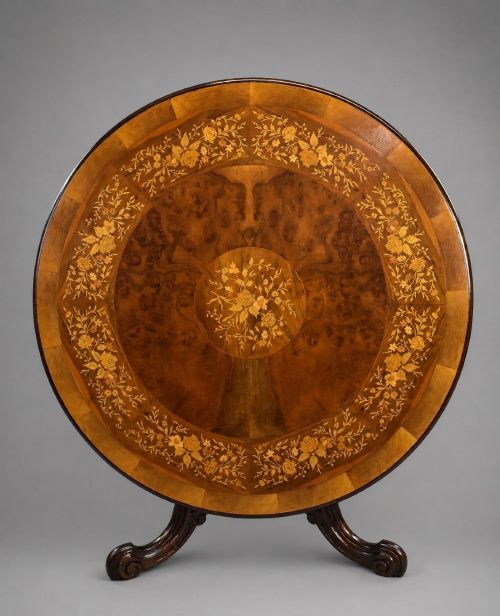
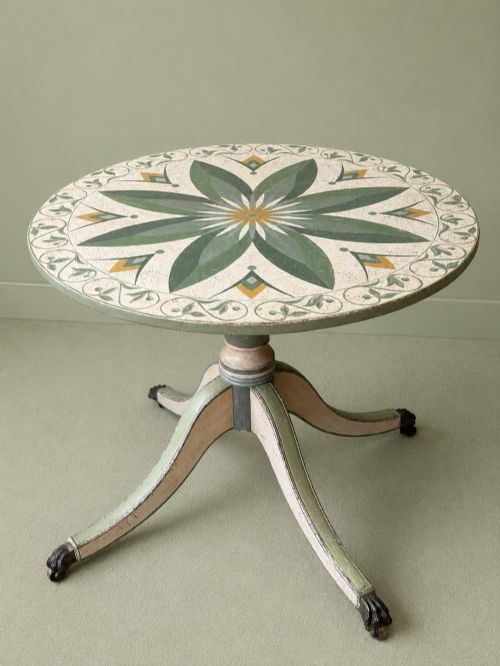
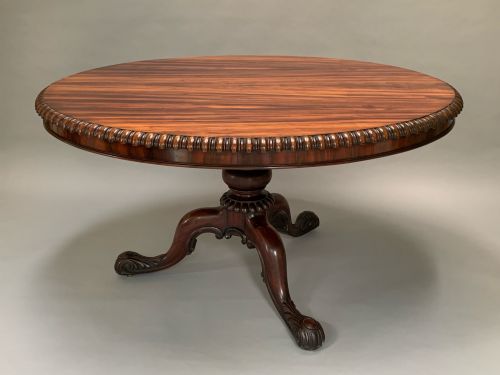
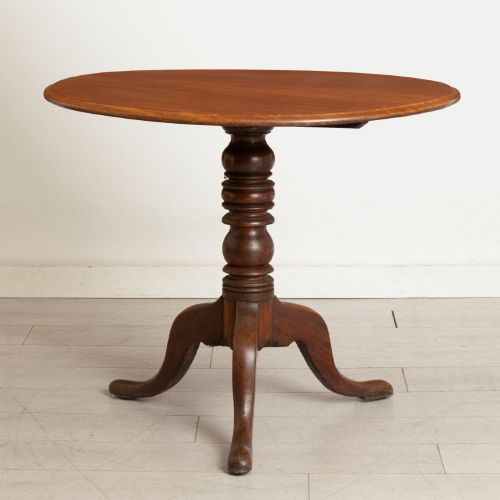
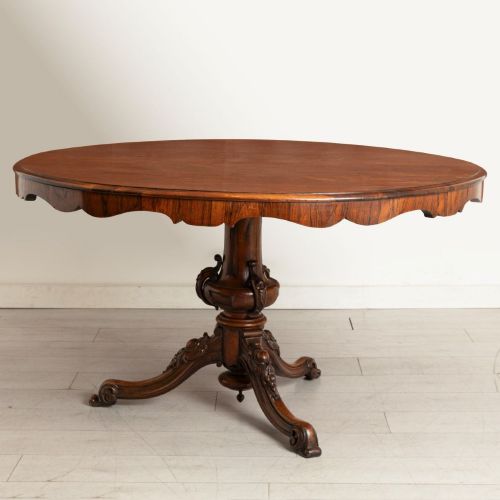
The version most commonly met on this page is the Victorian or Georgian mahogany or rosewood pedestal table, typically resting on a tripod or triform base with carved details. Walnut, burr walnut veneer, and oak also appear, alongside specialised inlays such as marquetry and boxwood.
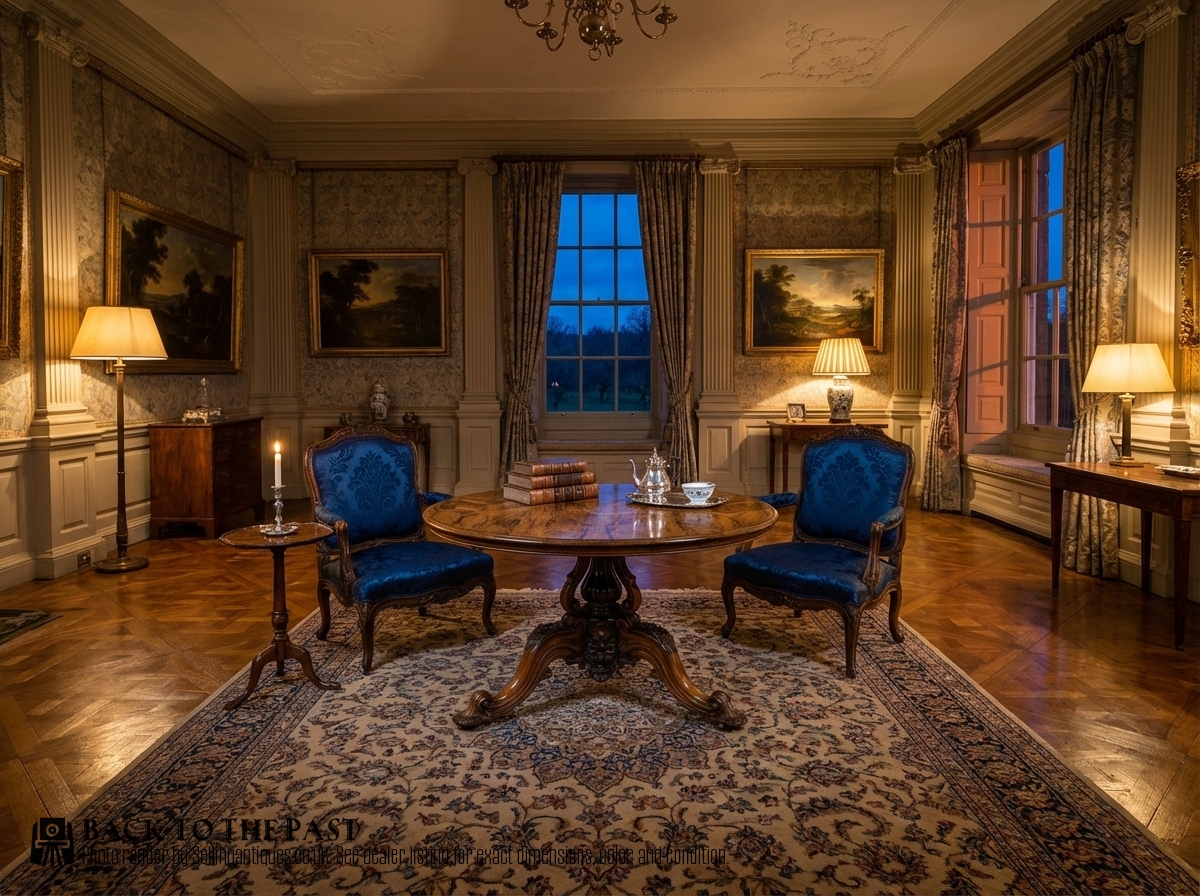
How they were made
Joiners and cabinet makers constructed these tables from dense hardwoods like mahogany, rosewood, and walnut, frequently applying figured veneers or burr walnut to create patterned surfaces on the top. Marquetry inlay and boxwood details add geometric or floral ornamentation to specific Victorian and Georgian examples.
The tipping mechanism relies on a sturdy block catch and a central pillar, usually supported by a tripod or heavily carved pedestal base fitted with brass castors for mobility. Solid oak and mahogany form the core structural timbers, ensuring the pivot bears the weight of large round or oval tops.
Retail Price Guide 2026
Typical UK retail prices for tilt top breakfast table, calculated from the Sellingantiques database of over a million retail prices indexed since 2003. This retail price guide relies exclusively on Sellingantiques data; no external sources or auction records are used, so the figures do not describe the wider market.
Some dining rooms doubled as dance floors, meaning these tables tilted vertically just in time to clear the floor for an evening reel.
What varies in quality
Quality rests in the choice of timber figure, such as flame mahogany or burr walnut, and the crispness of hand-carved details upon the pedestal and base. Subtle differences in proportion and the seamless execution of marquetry inlay separate standard workshop production from finer cabinet work.
The engineering of the tilt mechanism also distinguishes better examples, where the brass catch and pivot operate smoothly without play in the joint. A well-balanced base ensures the large top locks securely into a flat position when lowered.
The Antique Tilt Top Breakfast Table Glossary
- Tilt top
- A tabletop mounted on a pivot and catch mechanism that allows the surface to swivel vertically for storage against a wall or in a corner.
- Snap top
- An alternative term for a tilting surface, secured in the horizontal position by a brass catch or spring bolt underneath.
- Loo table
- A large Victorian card or breakfast table, often oval or circular, named after the popular card game loo.
- Triform base
- A pedestal support resting on three distinct feet or scrolling legs, frequently seen on Victorian and William IV examples.
- Figured mahogany
- Timber showing distinctive grain patterns like flame or fiddleback, chosen by cabinet makers for decorative impact.
Frequently Asked Questions
How did people use an antique tilt top breakfast table?
These tables served primarily for morning meals or as a central feature in reception rooms, providing a generous surface that could be moved aside when dining concluded. The tilting mechanism allowed households to clear floor space quickly in smaller rooms.
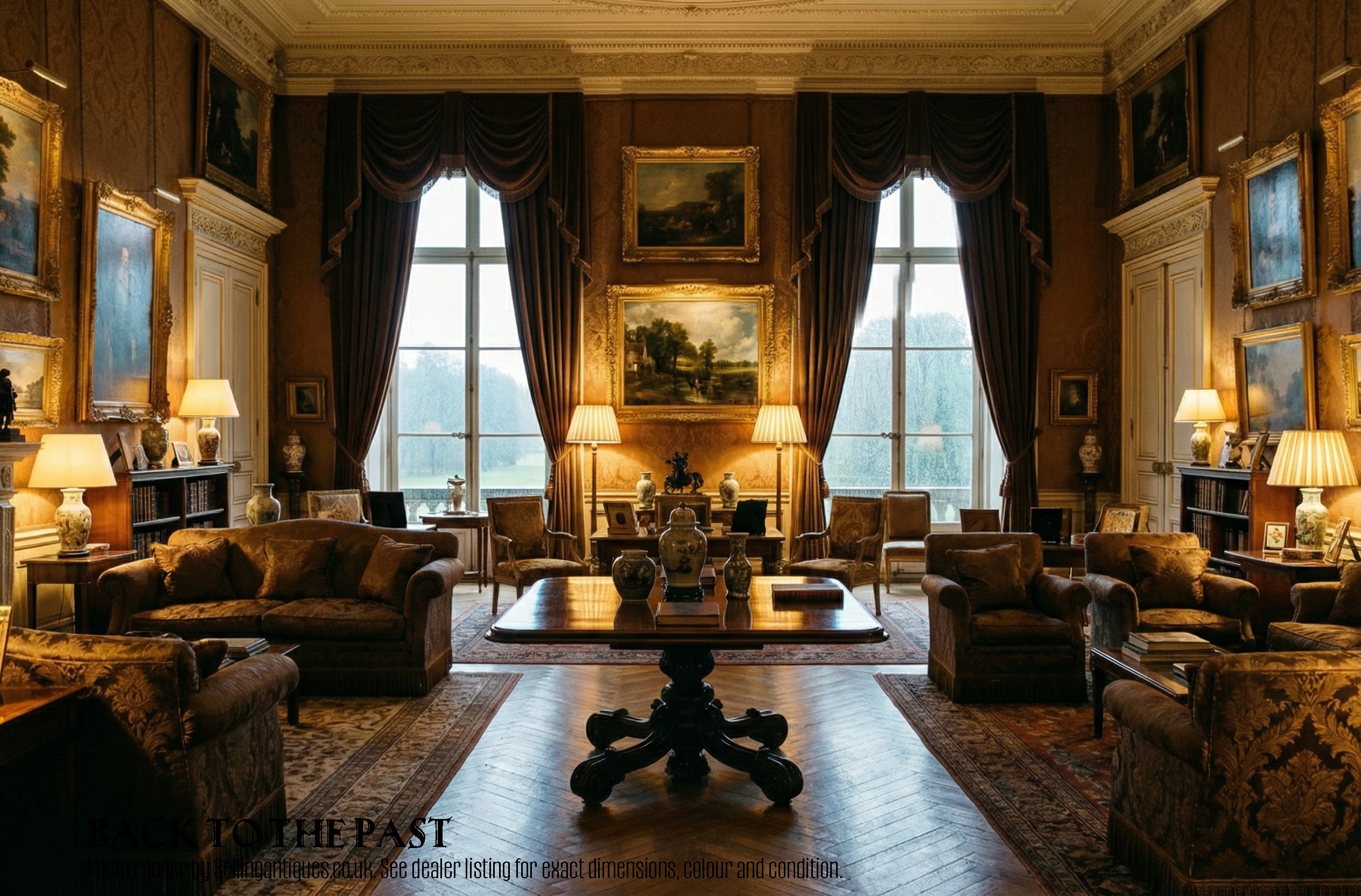
In larger houses, they sat in the middle of a hall or drawing room to display decorative items, converting back to a functional dining board when guests arrived.
How do I tell a Georgian table from a Victorian one?
Georgian examples often lean towards simpler architectural lines in mahogany, favouring tripod bases and plain or subtle figured tops dating from the late eighteenth or early nineteenth century. They tend to emphasise proportion and timber grain over heavy ornamentation.
Victorian versions frequently introduce rosewood, burr walnut veneer, and elaborate carvings, alongside oval or rectangular formats designed to seat larger numbers. Marquetry inlay and triform pedestals become more common in the middle of the nineteenth century.
Can I use one as a daily dining table?
Yes, many of these pieces were built to seat anywhere from six to eight people comfortably, provided the pedestal and pivot remain stable. The solid mahogany and walnut construction handles regular daily use without issue.
Care should be taken with veneered surfaces such as burr walnut, using heat mats to protect the antique finish from warm serving dishes.
Why do these tables tilt?
The tilting function was an essential space-saving design in historic homes, letting servants or owners fold the top flat against the pedestal when the room was needed for other activities. It also protected the expansive timber surface from dust and damage when not in active service.
The catch mechanism locks the board securely horizontal for dining and unlocks with a simple release.