


Pedestal Breakfast Table
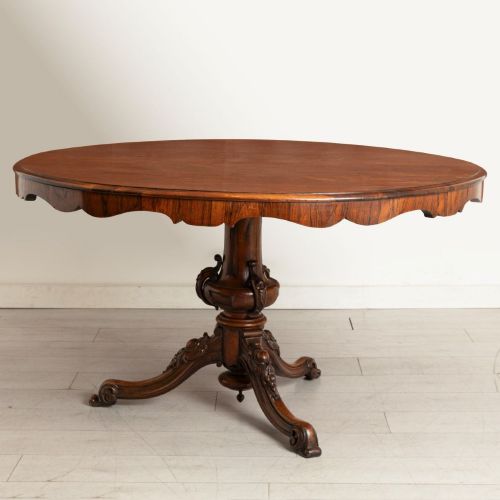
A pedestal breakfast table is a versatile dining or centre piece built around a central support, prized for combining generous seating with easy room clearance.
Pedestal breakfast table forms and origins
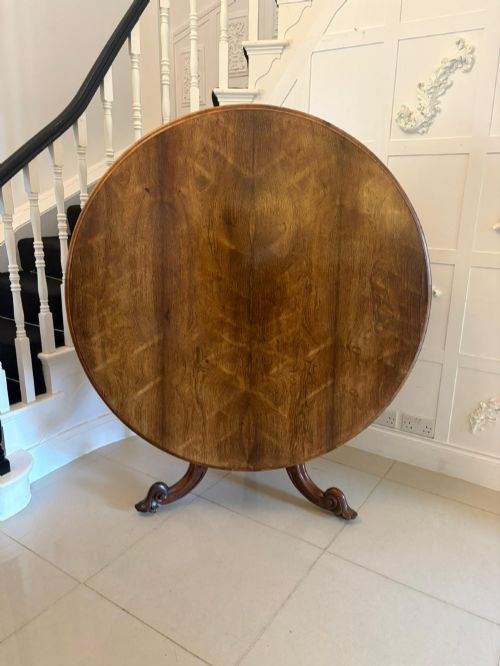
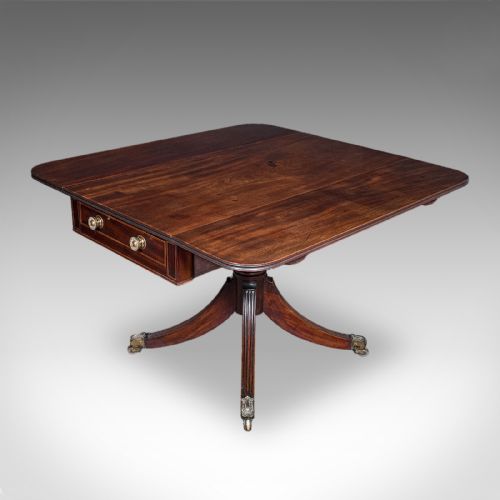
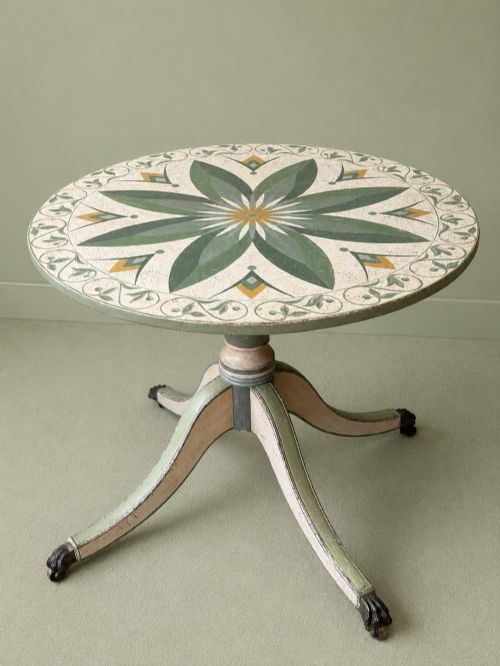
A pedestal breakfast table typically appears as a round, oval, rectangular, or oblong dining and centre surface supported by a stout central pillar resting upon splayed legs or a platform base. When you search for this phrase, you encounter heavy timber furniture primarily originating from the Georgian, Regency, and Victorian periods, alongside specific nineteenth-century pieces designed to seat anywhere from six to eight people.
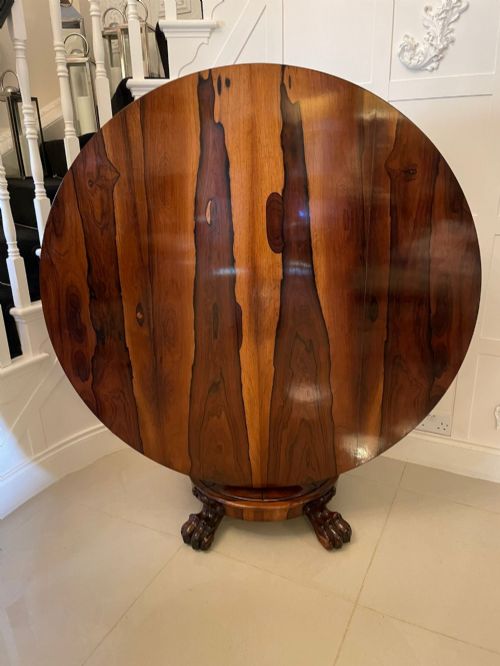
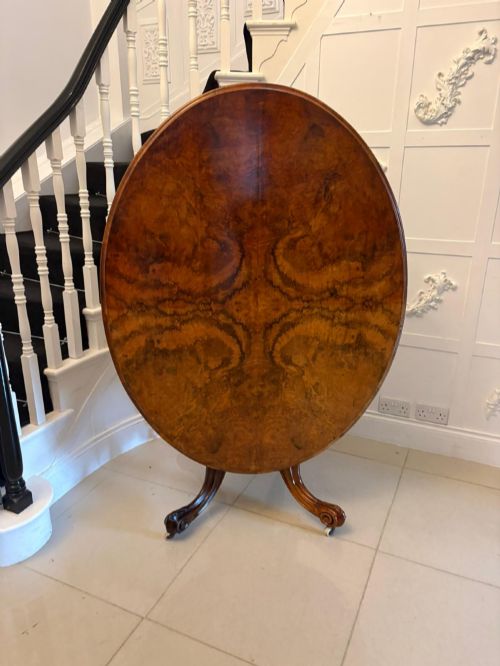
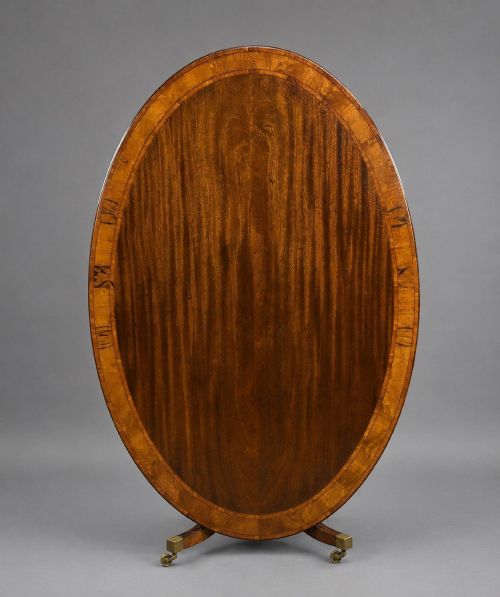
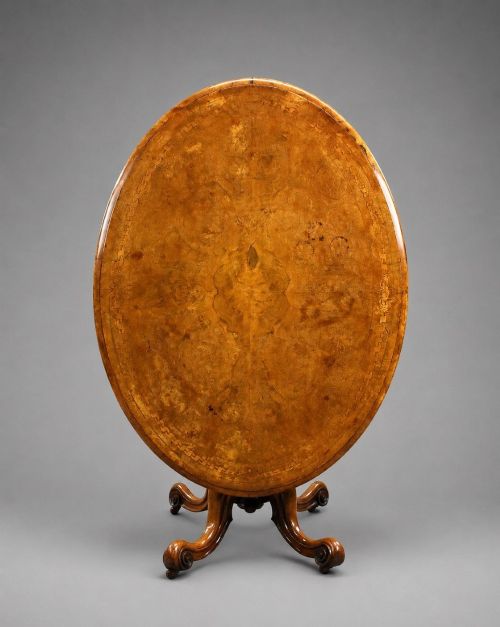
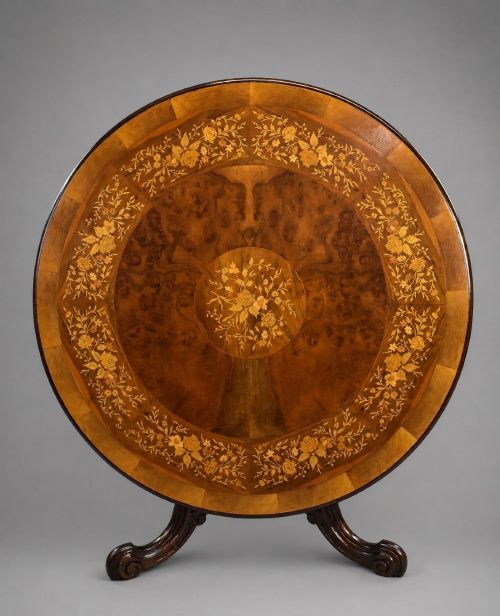
Beyond standard mahogany constructions, the archive shows variations in walnut, burr walnut with marquetry inlay, and rosewood crossbanding, alongside occasional specialised forms like the Looe table or Pembroke variations. Pieces span from the early nineteenth century around eighteen hundred through to the later Victorian era, maintaining a robust architectural presence built around a single central pedestal.
Materials and construction techniques
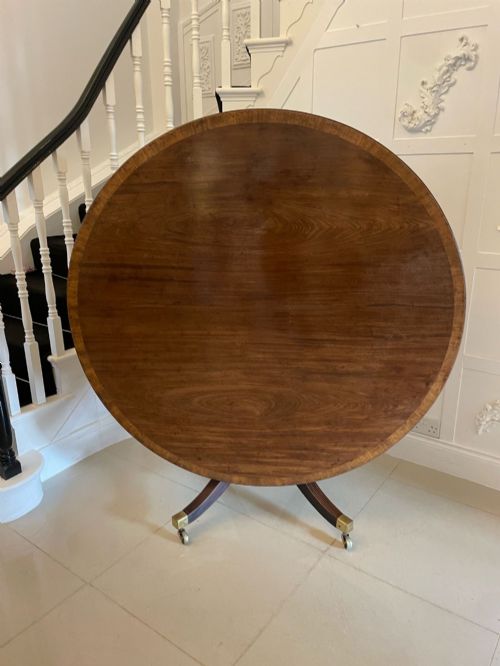
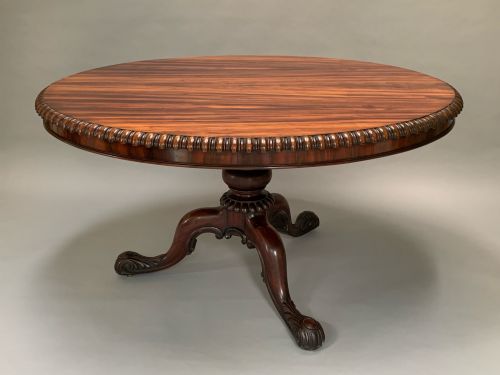
Makers constructed these tables predominantly from dense hardwoods, utilising solid mahogany, figured mahogany, and walnut timbers, frequently enhanced with flame mahogany veneer or marquetry inlay across the top surface. Rosewood also appears in select pieces, adding rich dark grain patterns that contrast with the structural elements of the central pillar.
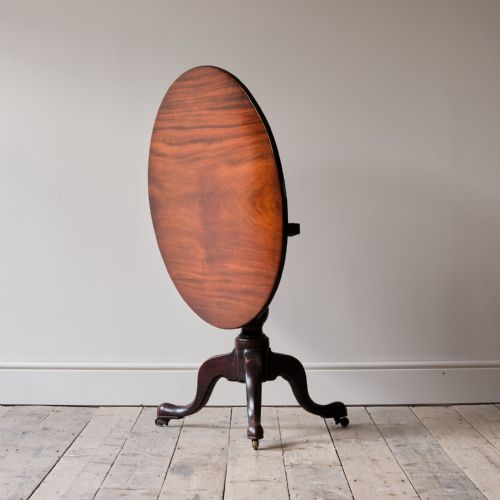
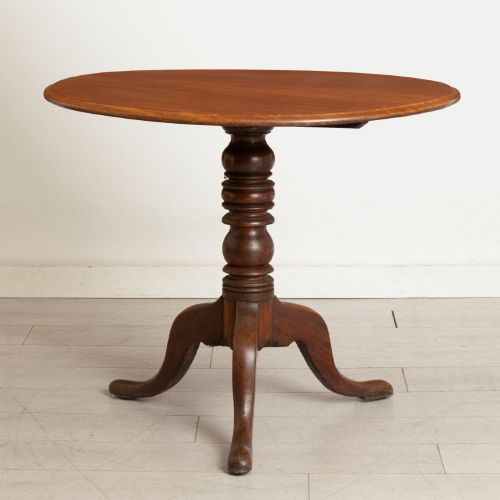
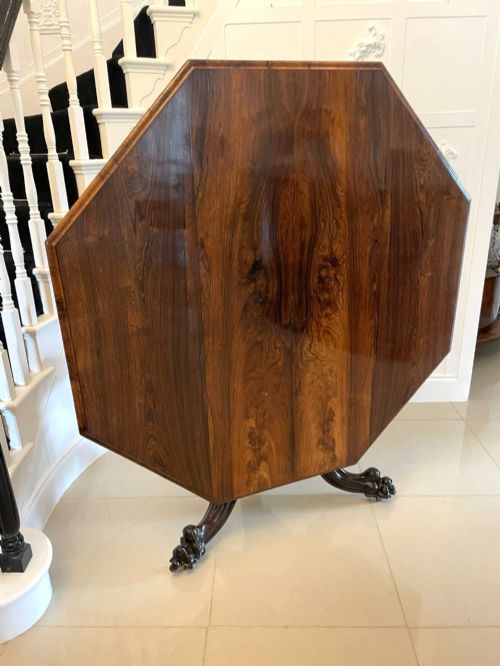
Structural engineering relied upon a sturdy central pedestal supported by quadruped splay legs or a weighted base, frequently fitted with brass castors to allow movement despite the heavy timber construction. Many examples incorporate a tilting mechanism mounted to the underside of the top, allowing the horizontal surface to pivot upright on its pivot block.
Additional hardware includes ceramic components and brass fittings used within the castors and locking mechanisms, while carved wooden details adorn the pedestals and legs of Victorian and Regency iterations. Carpenters selected timber grain deliberately to present decorative figured surfaces on the main tabletops, contrasting with the solid turned columns beneath.
Retail Price Guide 2026
Typical UK retail prices for pedestal breakfast table, calculated from the Sellingantiques database of over a million retail prices indexed since 2003. This retail price guide relies exclusively on Sellingantiques data; no external sources or auction records are used, so the figures do not describe the wider market.
Some tables came with secret hinges designed so you could park them vertically like giant wooden shields.
Distinctions in craftsmanship and materials
The standard of a pedestal breakfast table rests heavily on the choice of timber and the complexity of its veneer work, with figured mahogany and flame mahogany veneers commanding greater visual depth than plain boards. Superior examples exhibit carefully matched grain patterns across multi-plank tops and expert marquetry inlay that remains intact within the surrounding wood.
Structural integrity of the central column and its junction with the splayed legs separates ordinary items from superior survivals, as heavy tabletops place immense strain on the pivot block and base joints. Well-executed carving on the pedestal base and precise fitting of the tilt mechanism indicate higher workshop standards during the nineteenth century.
The Pedestal Breakfast Table Glossary
- Tilt top
- A tabletop mounted on a hinge mechanism that allows the surface to pivot from horizontal to vertical, making the table easy to store against a wall. This feature is common on nineteenth-century breakfast and loo tables.
- Quadruped splay legs
- A base design featuring four distinct legs curving outward from the central pedestal to provide stable floor support. This configuration frequently incorporates brass castors.
- Crossbanding
- A decorative border technique where strips of veneer are laid perpendicular to the main grain of the tabletop, creating a contrasting framing effect in woods like rosewood or mahogany.
- Looe table
- A large nineteenth-century circular or oval card and centre table suited for playing the popular game of loo, closely related in construction to the standard breakfast table.
Frequently Asked Questions
What is a pedestal breakfast table?
A pedestal breakfast table is a nineteenth-century dining or centre table supported by a single central column rather than four corner legs. This central arrangement allowed diners to sit comfortably without leg obstructions.
These pieces were built during the Georgian, Regency, and Victorian eras from timbers such as mahogany, walnut, and rosewood, often featuring round or rectangular surfaces designed for versatile domestic use.
Why do some tables tilt?
The tilting mechanism allowed households to pivot the heavy wooden top into a vertical position when the table was not in use. This saved considerable floor space in nineteenth-century rooms.
When locked horizontally, the top served for morning dining or general gatherings, functioning as both a practical table and a space-saving device.
How do I tell Regency from Victorian tables?
Regency tables generally feature cleaner classical lines, subdued brass inlay, and elegant reeded or turned pedestal columns derived from earlier Georgian precedents. Woods like flame mahogany and rosewood dominate this era.
Victorian examples tend to be heavier with more elaborate carving on the central pedestal and legs, frequently utilising burr walnut, marquetry inlay, and larger overall proportions.
Were these tables only used for breakfast?
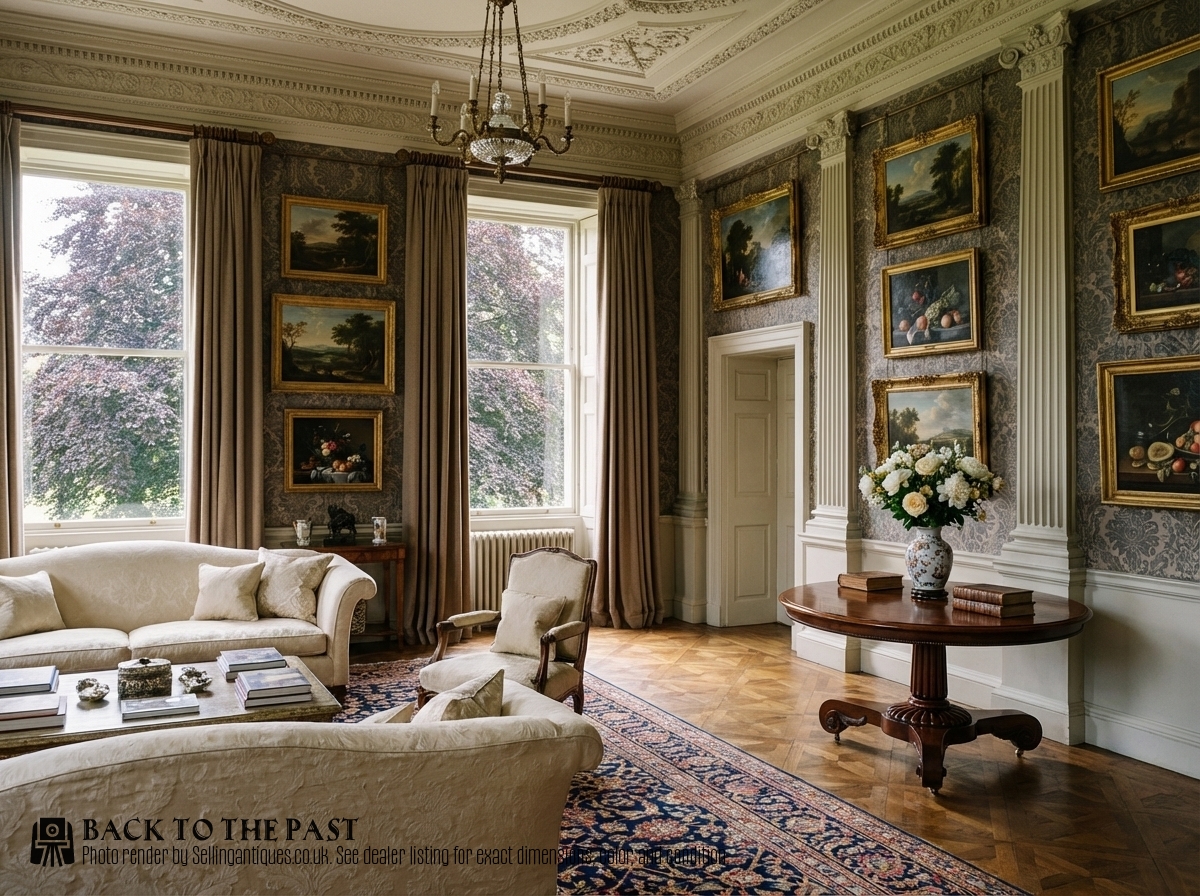
Despite the name, these tables functioned throughout the day for writing, reading, sewing, and general parlour activities. Their central pedestal design made them adaptable centre tables for libraries and reception rooms.
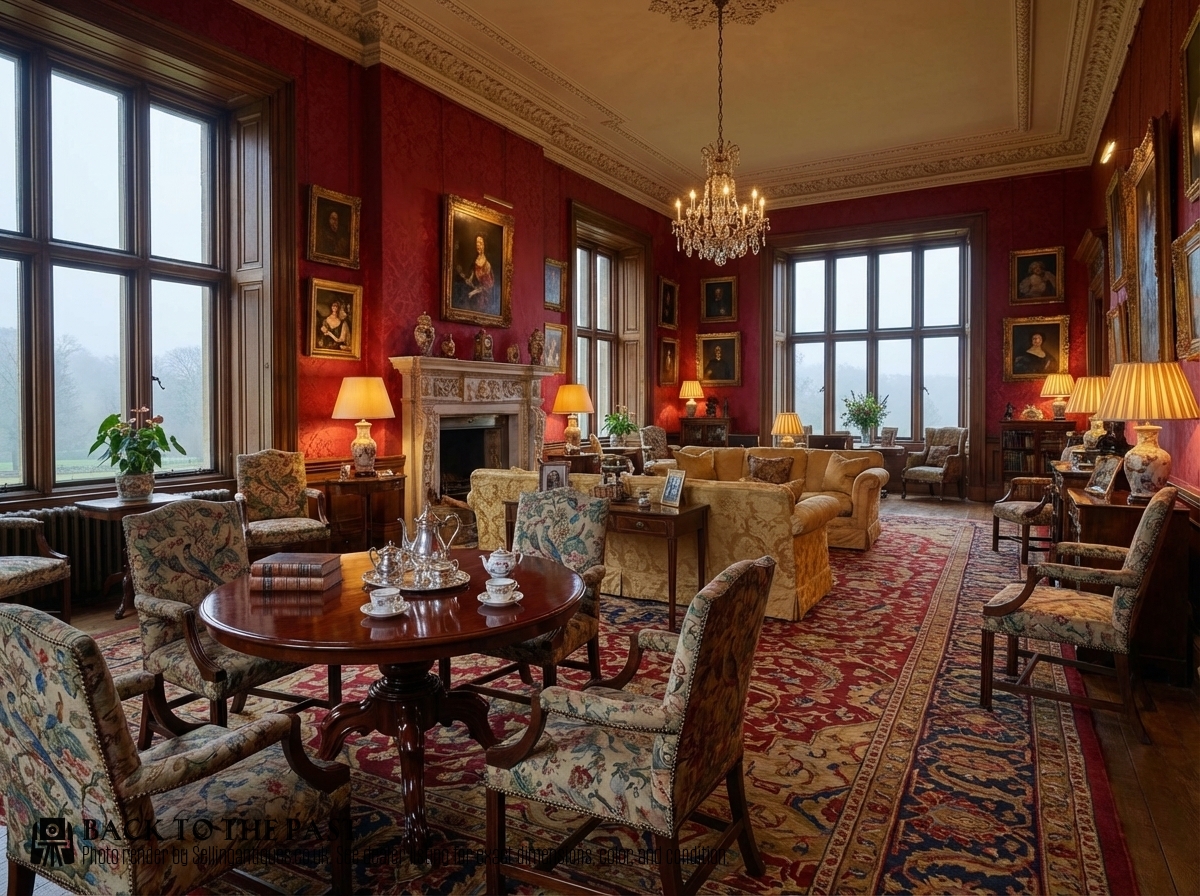
In larger households, they served as secondary dining surfaces or intimate breakfast tables before being cleared away or tilted aside.