


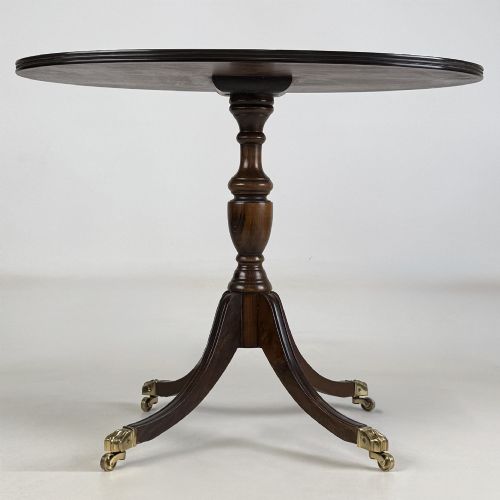
Brown Oval Table
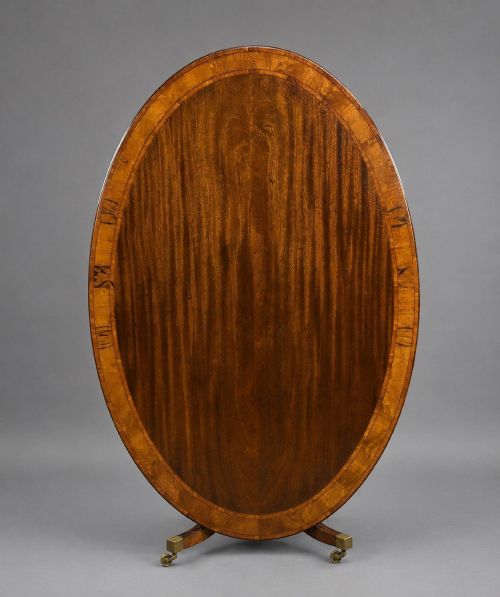
A brown oval table brings warmth and curved grace to a room, offering a sociable surface suited to both grand dining rooms and quiet corners.
Brown Oval Table
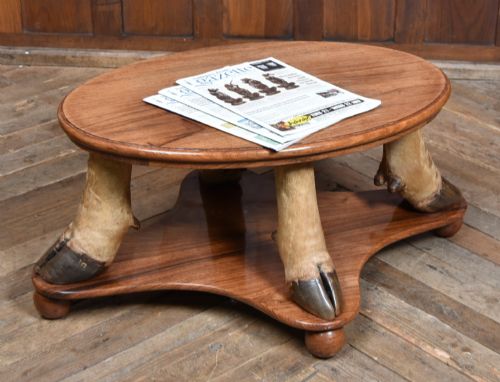
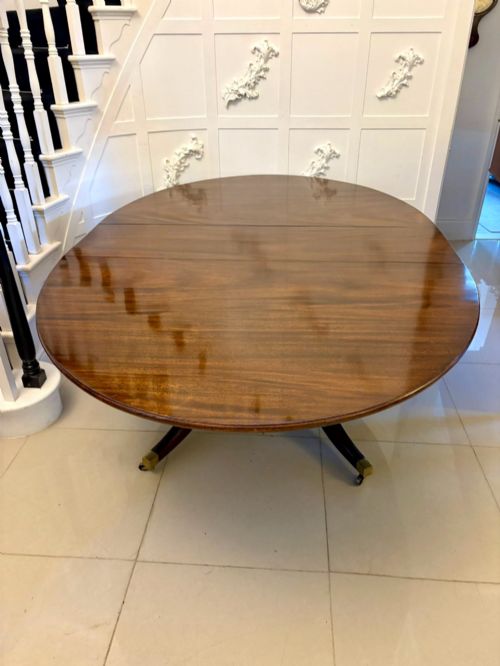
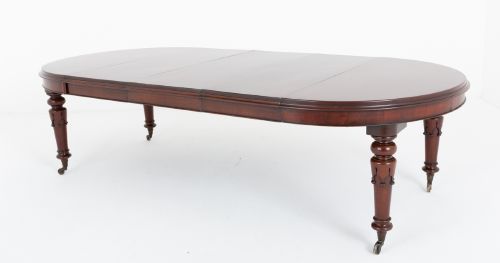
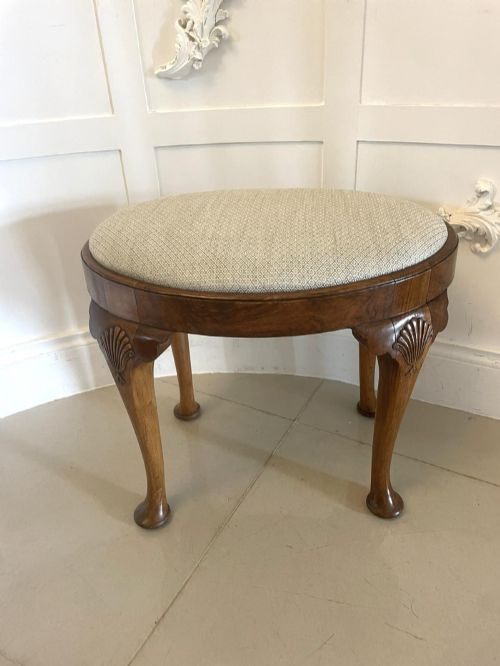
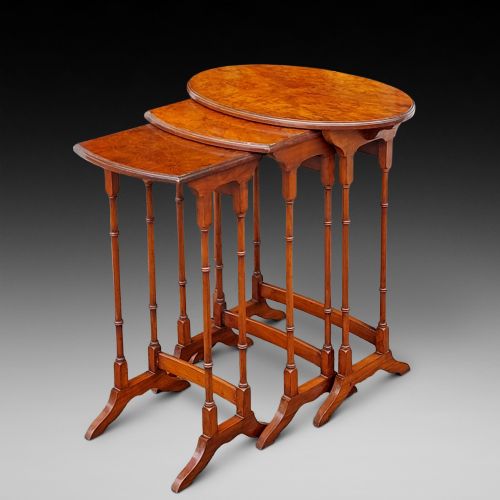
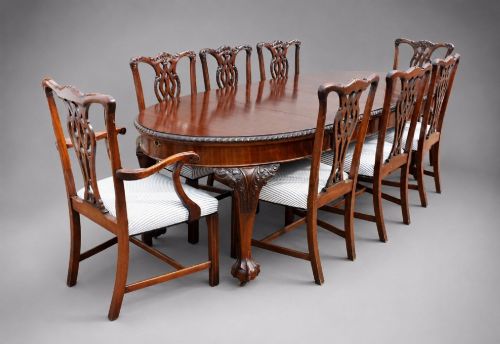
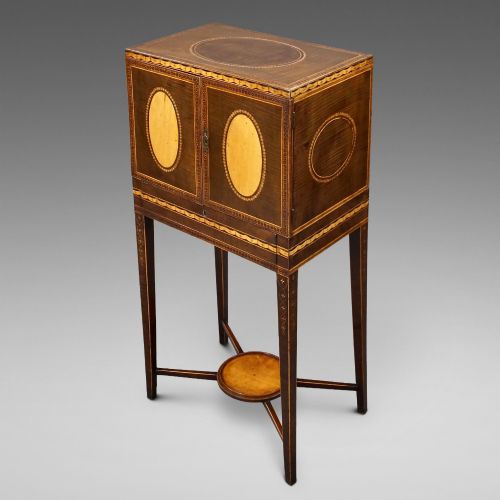
A brown oval table spans several centuries of British and continental cabinet making, covering forms from intimate lamp stands to large dining surfaces. When buyers search for a brown oval table, they encounter diverse iterations shaped by Georgian, Victorian, Edwardian, and later hands.
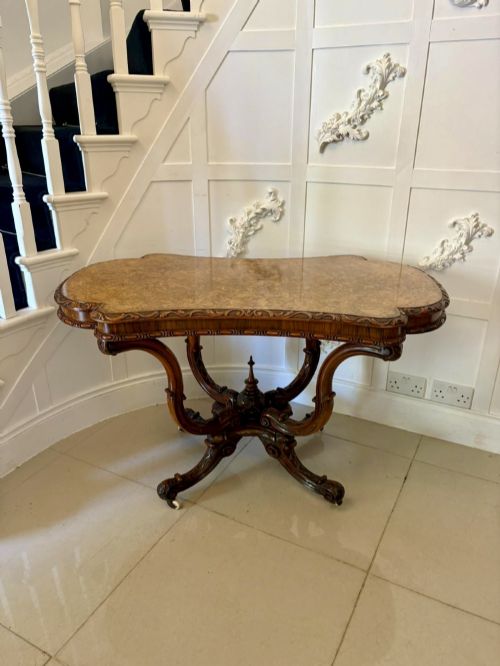
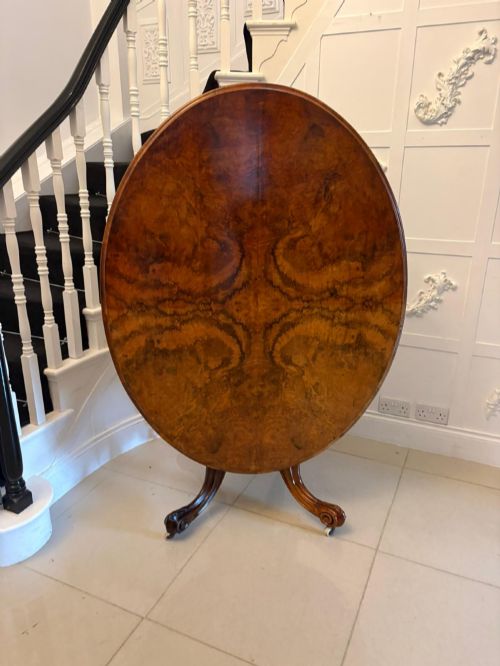
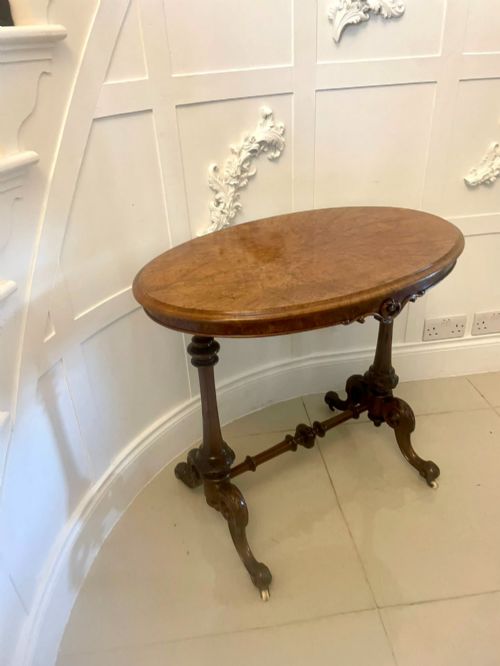
The selections on this page lean heavily toward Victorian burr walnut centre and breakfast tables alongside Edwardian occasional pieces in mahogany and oak. These items range from tilt top loo tables resting on carved quadrapod bases to simpler butler trays on folding stands.
Dining and coffee formats appear frequently, built to accommodate everyday domestic use or formal entertaining. The curved outline softens the rigid geometry of a room while maintaining substantial surface utility.
Materials and Construction
Timbers such as mahogany, walnut, burr walnut, and oak form the structural core of these pieces, selected for strength and rich grain patterns. Cabinet makers utilised solid wood for frames and legs while applying finely figured veneers to table tops for visual depth.
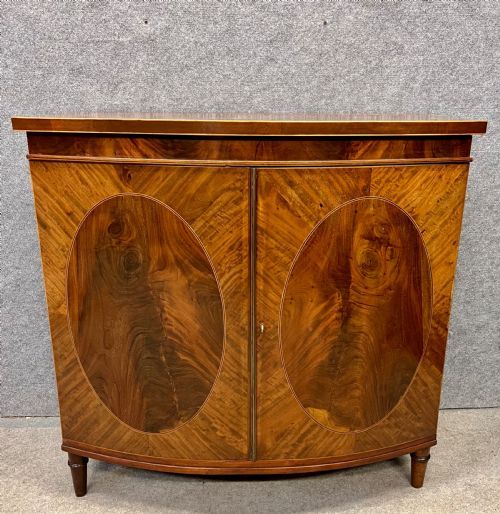
Inlay work in lighter woods, satinwood, and brass accents frequently decorate Victorian and Edwardian examples, adding contrast to the darker primary timbers. Joinery methods relied on traditional mortise and tenon joints, stable gateleg mechanisms, and sturdy pedestal supports.
Surface finishes were traditionally achieved through hand-applied polishing techniques that built up a lustrous sheen over the wood grain. This method protected the timber while highlighting the natural figuring of burr walnut and mahogany.
Listings feature walnut, mahogany, burr walnut, oak, satinwood, and iron, spanning Edwardian, Victorian, Georgian, and 18th-century periods.
Distinctions in Standard
The distinction between ordinary and exceptional pieces rests primarily on the selection of timber and the ambition of the carving. Highly figured burr walnut veneers and crisp, hand-carved pedestal bases separate workshop masterworks from standard commercial production.
Structural integrity and the retention of original components dictate the standing of a table. Subtle details, such as the precision of inlaid banding, the weight of a tilt top mechanism, and the harmony of proportion, reveal the skill invested by the original maker.
François Linke·Wylie & Lochead·Holland & Sons
The Brown Oval Table Glossary
- Burr walnut
- A prized timber harvested from growth excrescences on walnut trees, yielding complex, swirling grain patterns. It was frequently applied as veneer to the top surfaces of Victorian centre and loo tables.
- Tilt top
- A mechanism allowing the table top to pivot into a vertical position when not in use. This clever design enabled large breakfast and loo tables to be stored flat against a wall.
- Quadrapod base
- A heavy central pedestal branching out into four carved feet or legs. This sturdy underframe provides the necessary balance for large oval dining and breakfast tables.
- Butler tray
- A portable rectangular or oval tray with hinged or cutout sides, originally designed for serving. It typically rests on a folding wooden stand rather than a fixed frame.
- Gateleg table
- A drop-leaf table featuring hinged legs that swing outward to support the raised flaps. This flexible construction allows the table surface to expand or contract as needed.
Brown Oval Table: Frequently Asked Questions
How do I style a brown oval table?
An oval table works well in rooms with hard architectural angles, as the curved edges soften the overall flow and improve movement around the space. Pair it with complementary seating that echoes the period wood tone to maintain a cohesive interior.
Keep surface decoration balanced so the natural grain of the walnut or mahogany remains visible. A simple centrepiece, such as a ceramic bowl or lamp, complements the proportions without cluttering the surface.
What rooms suit an oval coffee table?
An oval coffee table fits comfortably in sitting rooms where space for circulation is tight, because the rounded ends eliminate sharp corners. It anchors a seating arrangement while maintaining visual openness.
These low tables pair effectively with both traditional sofas and contemporary upholstery, bridging different design eras through warm wood tones.
Can I use an antique table daily?
Most antique tables were built for rigorous daily domestic use from durable hardwoods like oak, mahogany, and walnut. Regular care and sensible precautions against heat and moisture ensure they endure.
Using coasters and placemats protects the polished finish from marks while allowing you to enjoy the craftsmanship every day.
How do I identify a Victorian table?
Victorian pieces often display rich burr walnut veneers, heavy pedestal bases, and substantial proportions. Maker marks, stampings on the underside, or characteristic turnings provide clues to their mid-to-late nineteenth-century origins.
The use of machinery combined with traditional hand carving became more common during this period, resulting in confident, ornate designs.