
Antique Extension Dining Table
An antique extension dining table brings centuries of dining craft to the room, offering sturdy leaves and pillars to seat a gathering.
Defining the antique extension dining table
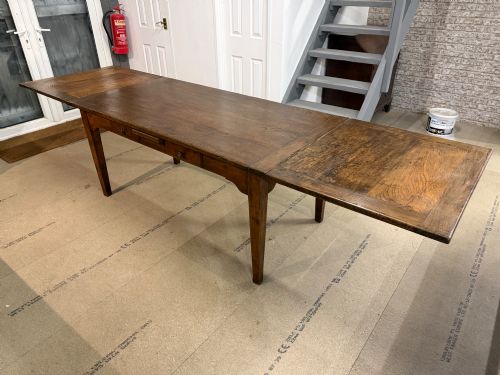
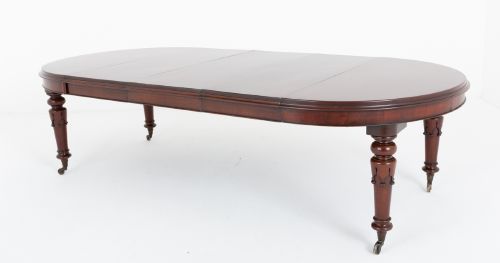
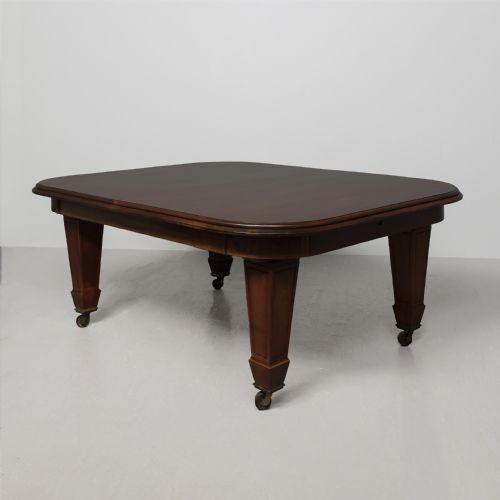
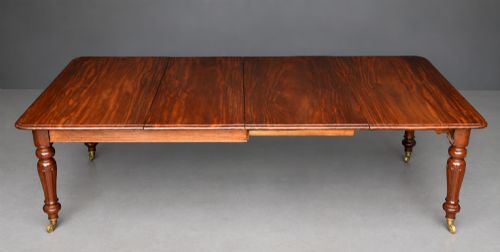
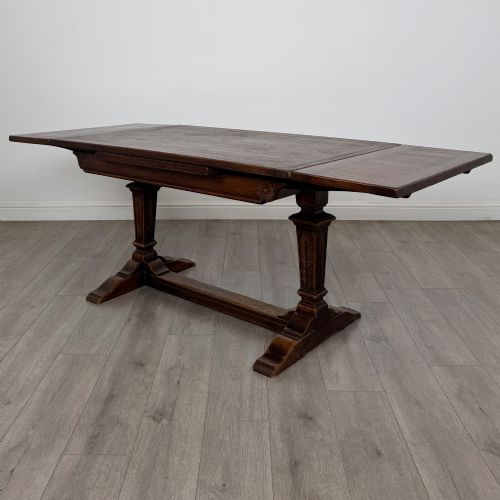
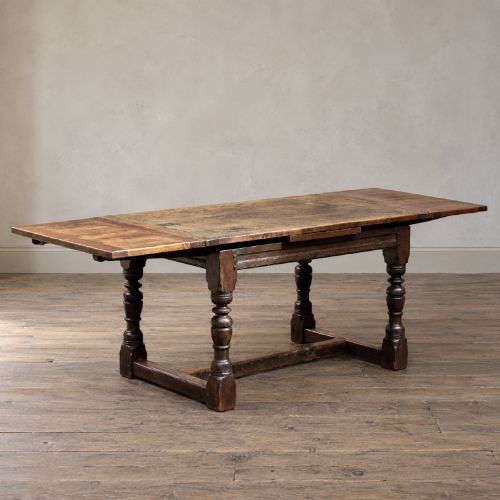
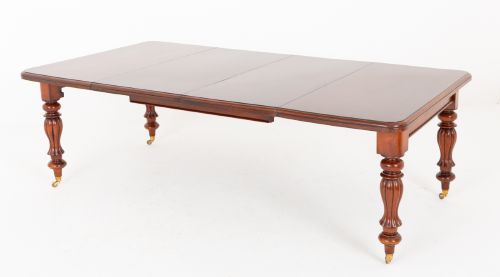
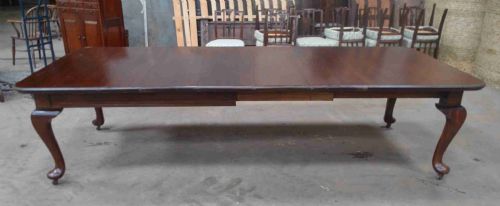
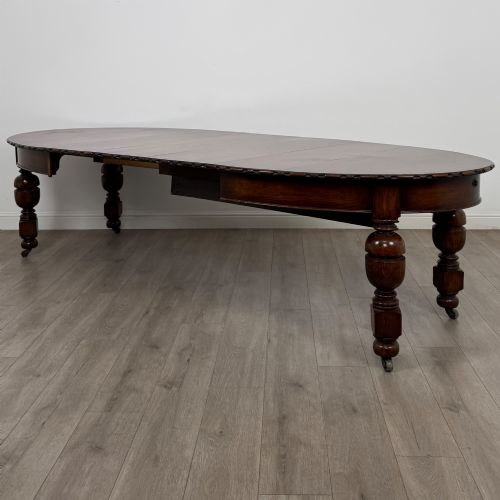
An antique extension dining table provides flexible seating through mechanisms such as draw leaves, pillars, and multiple table leaves. These pieces appear across the seventeenth, nineteenth, and early twentieth centuries in forms ranging from Dutch Renaissance to Victorian and French Country styles.
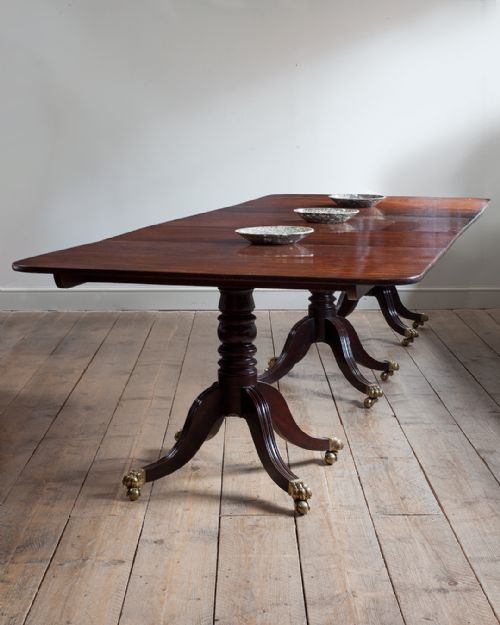
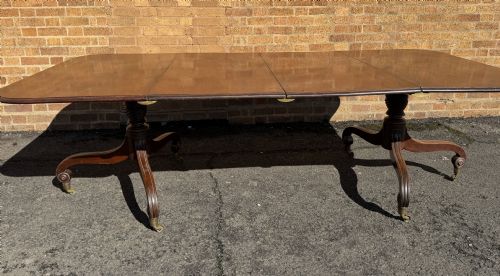
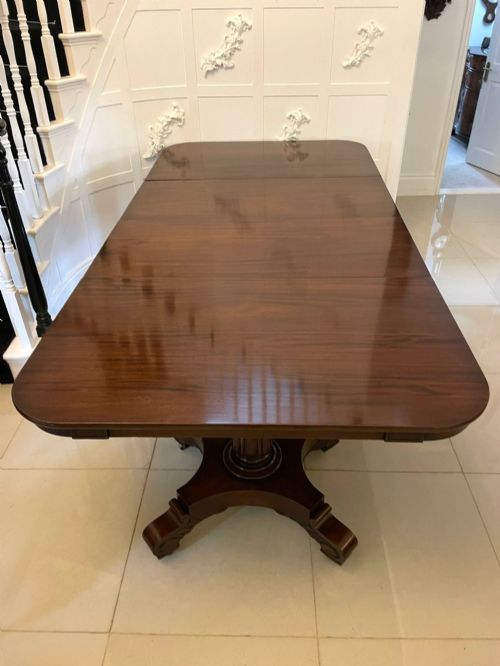
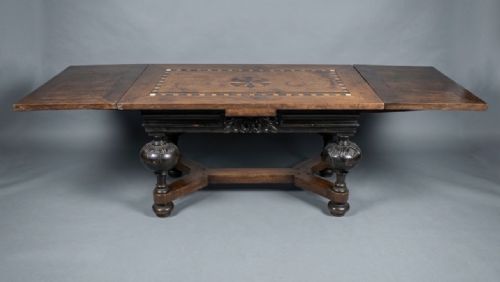
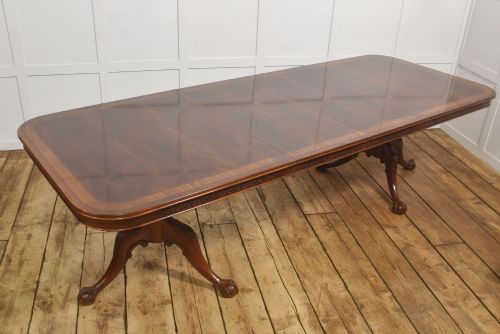
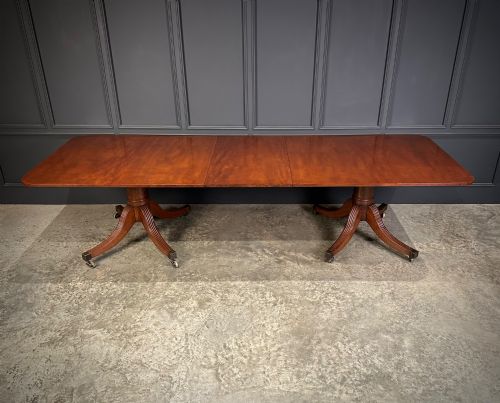
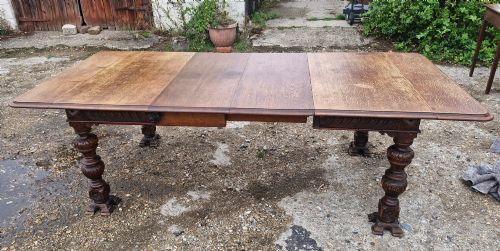
The most common formats on this page are mahogany pillar tables and oak draw leaf tables. These sturdy wooden boards demonstrate how earlier households adapted their dining spaces for larger meals without sacrificing interior floor space during quieter days.
Assessing quality and craftsmanship
Superior examples demonstrate meticulous timber selection, ensuring the grain matches seamlessly across every added leaf and the main table top. Lower quality pieces often show mismatched wood sections or crude repairs to the internal extension tracks.
The sophistication of the carving and the smoothness of the pillar or draw leaf mechanism divide ordinary tables from exceptional works of cabinetmaking. A finer table operates with balanced weight distribution and tight joints that withstand regular expansion.
Retail Price Guide 2026
Typical UK retail prices for extension dining table, calculated from the Sellingantiques database of over a million retail prices indexed since 2003. This retail price guide relies exclusively on Sellingantiques data; no external sources or auction records are used, so the figures do not describe the wider market.
Early dining tables often hid their extension boards underneath so cleverly that guests sat completely unaware of the engineering magic waiting inside.
The Antique Extension Dining Table Glossary
- Draw leaf
- A table design featuring hidden leaves stored beneath the main top that pull out to extend the surface length. This clever mechanism allows rapid adjustment of the table size.
- Pillar table
- A heavy dining table supported by one or more central wooden columns rather than four corner legs. This construction style provides extra legroom for seated guests.
- Wood inlay
- Decorative patterns created by fitting contrasting strips of wood into recessed portions of the surface timber. This intricate technique showcases the artisan's skill.
- Victorian
- A period of design spanning the reign of Queen Victoria, known for robust mahogany dining furniture and dark polished finishes. Pieces from this era emphasise formal dining tradition.
Frequently Asked Questions
How do draw leaf tables work?
Draw leaf tables utilise two secondary leaves stored directly beneath the main surface. When pulled outward, these leaves rise into place to lengthen the table.
This mechanism requires no separate storage space for extra boards, making it practical for daily dining adjustments.
What is a pillar dining table?
A pillar dining table rests on central wooden columns instead of standard corner legs. These central supports distribute weight effectively across the floor.
Such designs allow diners to sit comfortably without legs obstructing their seating positions.
How do I care for antique mahogany?
Antique mahogany requires regular dusting with a soft, dry cloth to protect the polished surface. Avoid placing the timber in direct sunlight or near heat sources to prevent warping.
Applying occasional beeswax helps nourish the wood grain and preserves its natural depth of colour.
How can I identify a Victorian table?
Victorian dining tables often feature dark polished mahogany timbers and robust construction designed for formal dining rooms. They frequently incorporate multiple leaves and heavy pillar supports.
Examining the underside reveals period joining techniques and fastener types consistent with the nineteenth century.