
Victorian Leaf Dining Table
A victorian leaf dining table offers a practical surface for meals that expands smoothly when guests arrive.
Victorian Leaf Dining Table
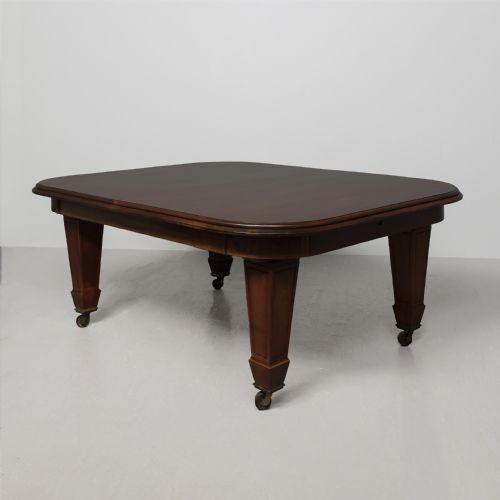
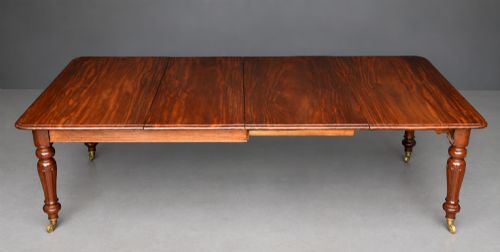
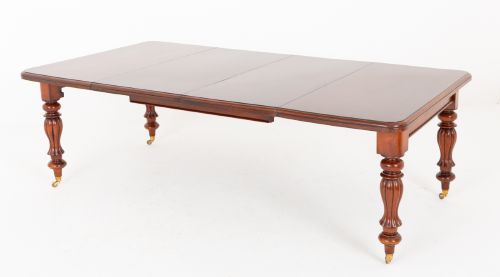
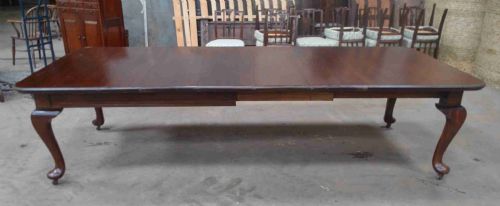
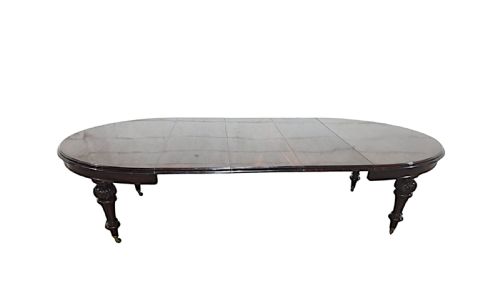
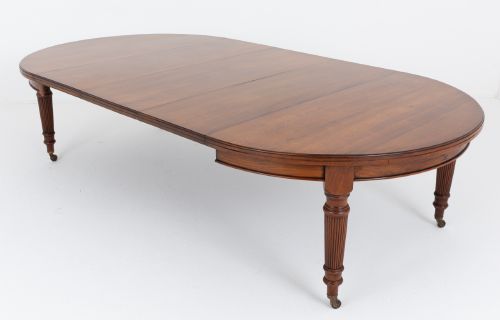
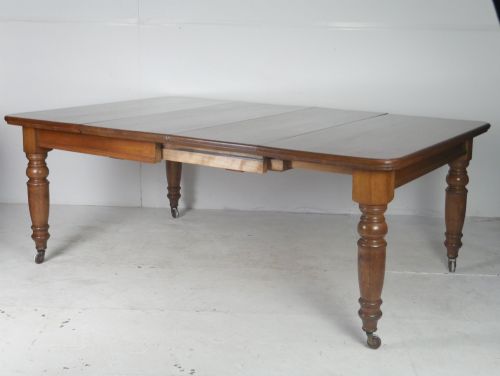
A victorian leaf dining table is a functional domestic piece designed to accommodate variable seating numbers through removable timber leaves or wind-out extension mechanisms. The pieces appearing most frequently across these records date from the nineteenth century, spanning the Victorian era alongside earlier William IV and later Edwardian periods.
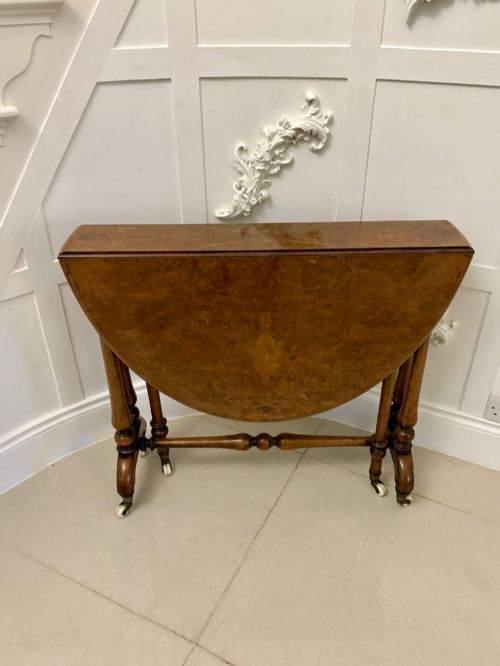
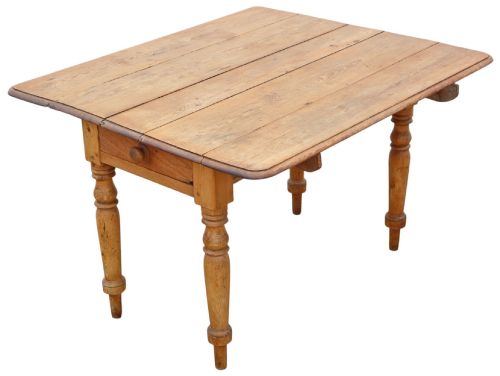
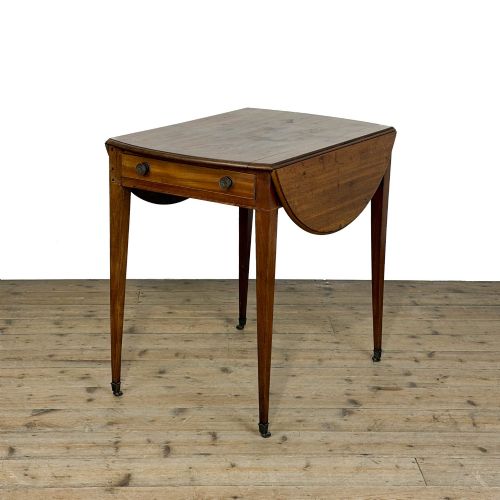
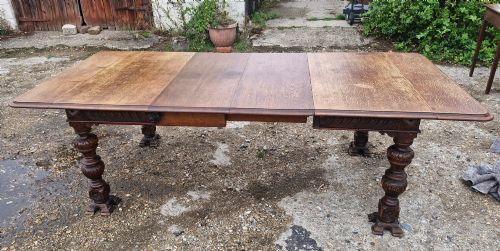
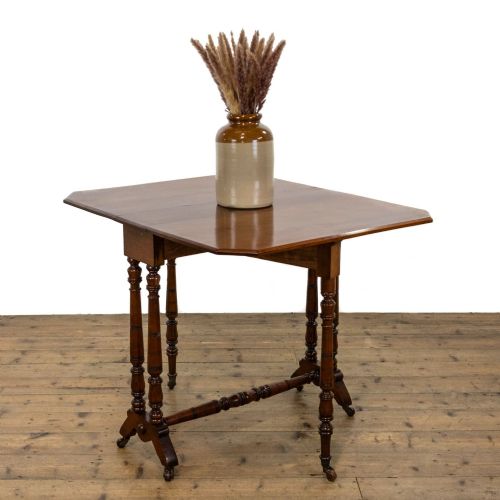
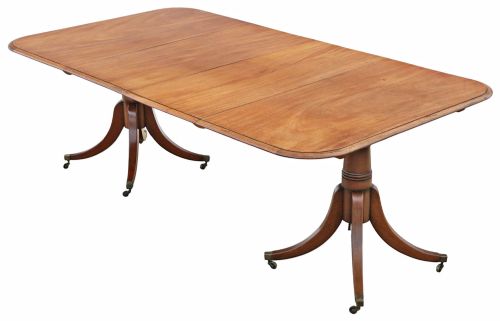
Buyers encounter multiple structural formats including large multi-leaf tables on pedestal or pillar supports, drop-leaf Pembroke designs, and draw-leaf kitchen variants. Mahogany serves as the predominant timber, supplemented by walnut, oak, and pine depending on whether the table was intended for a formal dining room or a domestic kitchen.
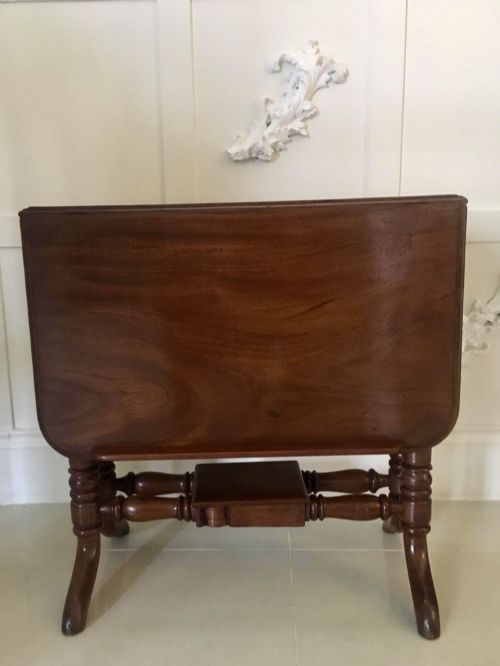
The selection ranges from compact single-leaf examples suitable for smaller spaces to grand multi-leaf extending tables capable of seating substantial parties. The historical scope encompasses plain utilitarian kitchen tables alongside heavily figured showpieces featuring carved details and original brass castors.
Materials and Construction
Cabinetmakers constructed these tables primarily using solid or veneered mahogany, walnut, oak, and pine, selecting timbers based on the intended room and social status of the household. Dense hardwoods provided stable surfaces for extending frames, whilst secondary softwoods appeared in kitchen and utility tables.
Extension systems utilised timber runners, central pillars, and mechanical wind-out screws paired with brass castors to allow smooth operation when inserting or removing leaves. Joints were typically pegged or dowelled, and decorative elements relied on natural wood grain figures such as burr walnut and flame mahogany rather than applied ornamentation.
Victorian Leaf Dining Table Retail Price Guide 2026
Typical asking prices for victorian leaf dining table among the pieces listed under this phrase on Sellingantiques today, from the lower quarter to the upper quarter. They describe what is for sale here now, not the wider market.
Listings demonstrate that nineteenth century dining tables frequently incorporate between one and five separate extension leaves.
Evaluating the Build
Quality separates through the selection of timber figures, such as highly figured flame mahogany or burr walnut veneers, compared to plain utility boards. Superior examples maintain exact alignment across every inserted leaf, ensuring the grain matches coherently when fully extended.
The sophistication of the internal mechanism dictates the grade of the piece, with complex wind-out systems and robust brass castors marking out superior dining tables. Joinery execution in the framing and the retention of original matching leaves further distinguish high-tier examples from altered or mismatched assemblies.
The Victorian Leaf Dining Table Glossary
- Extending table
- A dining table designed with a central gap and internal runners to accept removable timber leaves.
- Wind-out mechanism
- A mechanical screw system operated by a handle that draws the table halves apart to receive extension leaves.
- Drop-leaf
- A table configuration featuring hinged flaps on one or both sides that drop down when not in use.
- Draw-leaf
- A form where additional leaves slide out from beneath the main top surface to lengthen the table instantly.
- Flame mahogany
- A decorative veneer cut from timber fork sections that produces a flamelike repeating grain pattern.
Victorian Leaf Dining Table: Frequently Asked Questions
How do wind-out tables work?
Wind-out tables operate using an internal metal screw mechanism turned by a removable crank handle. This action separates the two main halves of the table top evenly.
Once the frame expands, additional timber leaves drop into the central gap and the mechanism winds back to secure them tightly together.
Are all leaves original?
Not all leaves are original to their tables, as timbers frequently became separated or lost over long periods of domestic use. Matching the grain pattern, colour, and edge moulding helps determine if a leaf belongs to the original construction.
Slight variations in timber tone or wear patterns often indicate that a leaf was added later by a cabinetmaker.
Where were these tables used?
Formal dining tables in mahogany and walnut stood in the principal dining rooms of Victorian townhouses and country estates. They served family meals and large social gatherings.
Simpler oak and pine variants functioned in domestic kitchens and sculleries for daily food preparation and everyday family dining.
How do I care for the surface?
Polished timber surfaces require regular dusting with a dry, soft cloth and occasional treatment with traditional beeswax to nourish the grain. Direct sunlight and excessive heat sources should be avoided to prevent timber warping or veneer cracking.
Using protective mats under hot dishes and liquids safeguards the antique polish from permanent marking.