

Dark Brown Dining Table
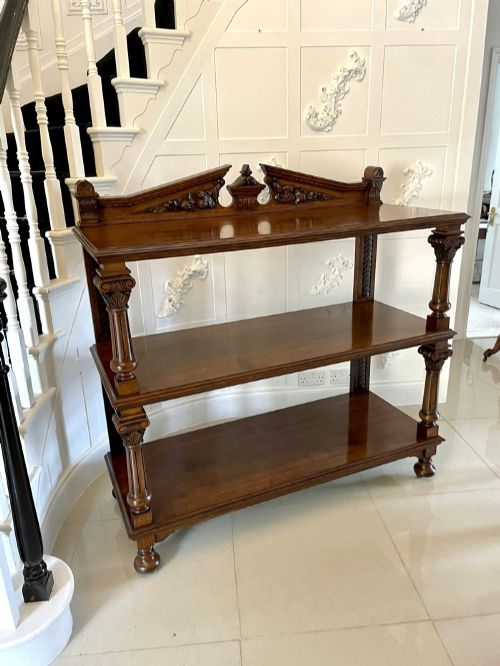
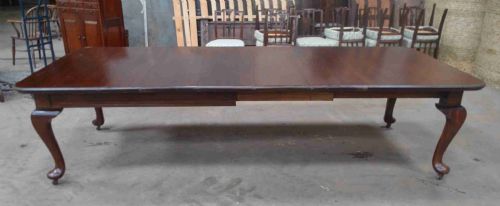
A dark brown dining table anchors the room with deep timber tones, spanning centuries of oak and mahogany craftsmanship.
Dark Brown Dining Table
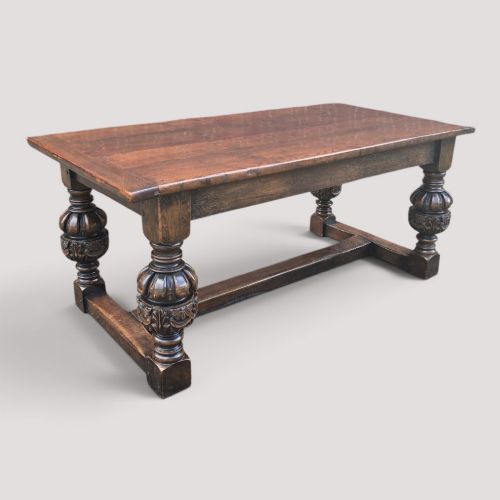
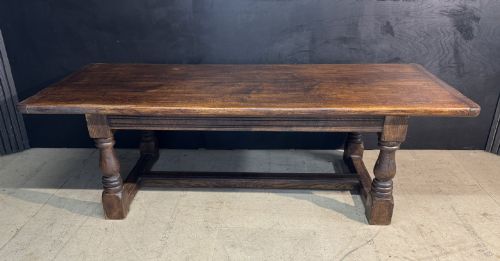
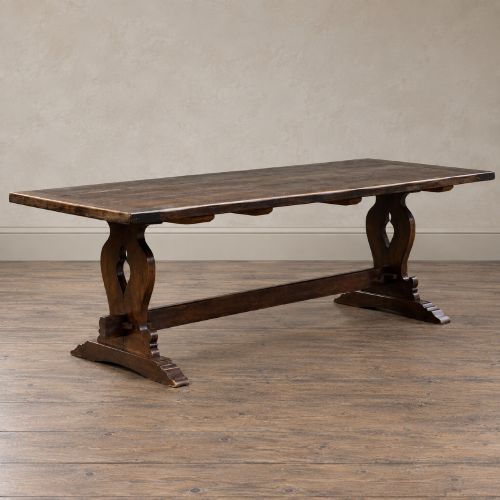
A dark brown dining table gathers people around timber surfaces shaped by centuries of domestic life. You will encounter refectory forms, gateleg designs, and pedestal tables spanning the 17th century through the Edwardian era.
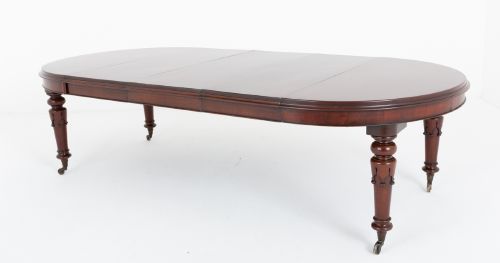
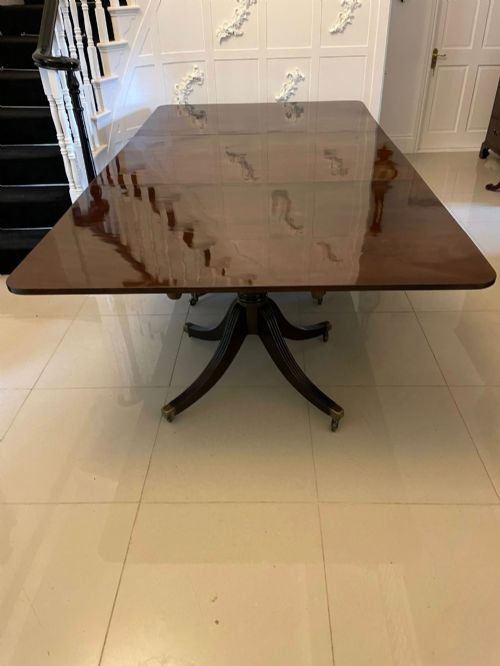
Oak and mahogany dominate the selection, appearing in both solid construction and figured veneers. These pieces range from substantial farmhouse refectory boards to expandable Georgian and Victorian dining tables with multiple leaves.
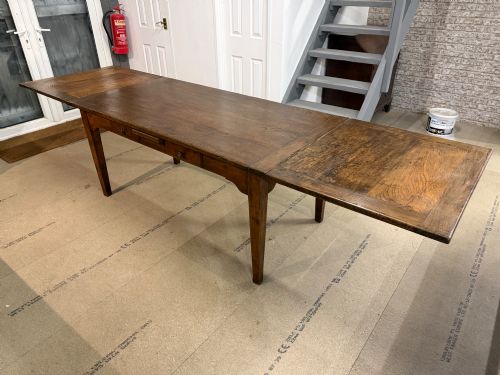
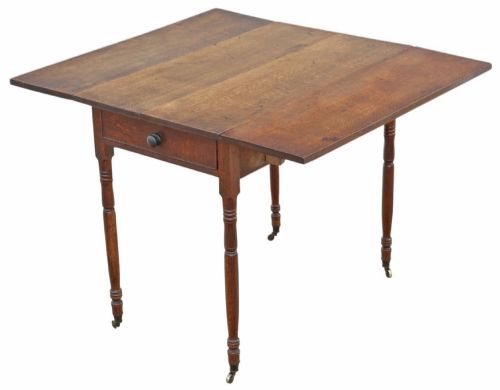
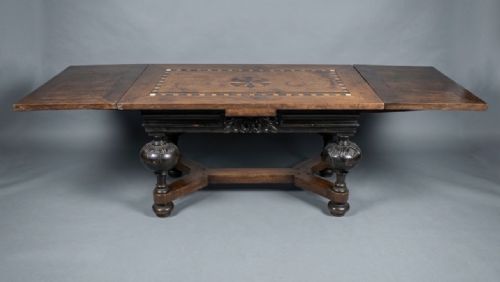
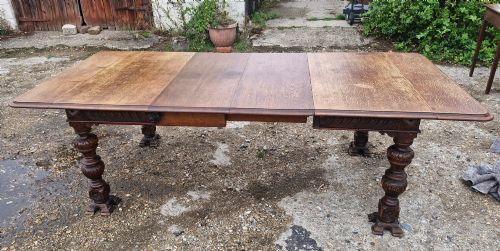
The assortment includes drop-leaf formats and clever draw-leaf mechanisms designed to accommodate variable seating needs. Period interpretations like Jacobean Revival and Regency styles frequently appear alongside genuine antique examples.
Materials and construction
Cabinet makers relied primarily on oak and mahogany for their durability and rich natural colour. Walnut and rosewood also provide deep, dark tones across specific Victorian and Art Deco pieces.
Joinery methods involved sturdy pegged tenons, draw-leaf extensions, and gateleg pivoting actions to support heavy timber tops. Brass and iron hardware frequently reinforced hinges, drop handles, and pedestal mechanisms.
Carved details, barley twist legs, and inlaid patterns demonstrate traditional hand woodworking techniques. Surfaces were finished with oils or polishes that deepened the grain pattern over decades of use.
Dark Brown Dining Table Retail Price Guide 2026
Typical asking prices for dark brown dining table among the pieces listed under this phrase on Sellingantiques today, from the lower quarter to the upper quarter. They describe what is for sale here now, not the wider market.
Some tables retain subtle ink stains from centuries of homework and letter-writing.
Judging quality
The distinction between ordinary and exceptional work lies in the selection of the timber and the integrity of the joinery. Figured mahogany veneers and thick, quartersawn oak boards indicate superior materials chosen by skilled cabinet makers.
Smooth operation of extending mechanisms, draw leaves, and drop-leaf hinges separates refined pieces from utilitarian ones. Original hardware and minimal structural alteration preserve the historical integrity of the table.
Proportion and balance define the visual success of larger refectory and pedestal formats. Subtle hand-carved ornamentation executed with precision elevates a piece beyond standard revival workshop production.
The Dark Brown Dining Table Glossary
- Refectory table
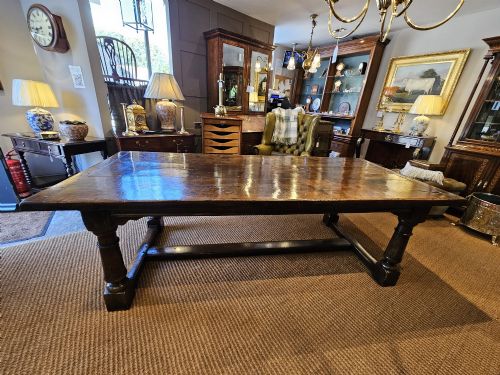
- A long, narrow dining table traditionally used in monasteries and large halls. These substantial pieces usually feature thick timber tops supported by sturdy trestles or four legs connected by stretchers.
- Draw-leaf table
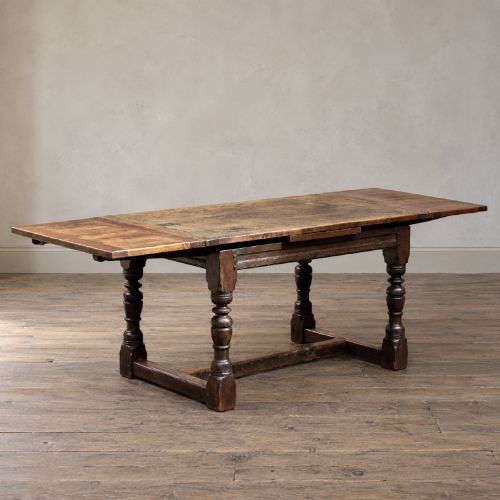
- An extending table with two pull-out leaves stored beneath the main top. Pulling them extends the surface length while the centre section remains fixed.
- Gateleg table
- A drop-leaf table where hinged legs swing out like a gate to support the raised flaps. This form allows the table to fold down compactly when not in use.
- Pedestal table
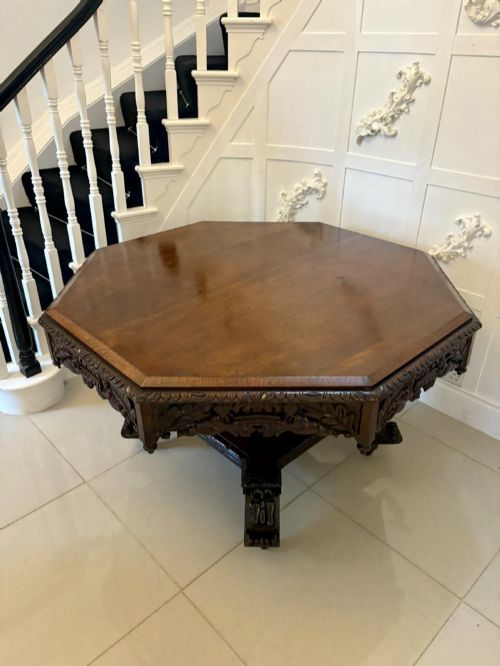
- A table supported by one or more central columns rather than corner legs. This design maximises legroom around the perimeter of the dining surface.
- Quarter-sawn
- A method of cutting logs radially to produce timber with prominent grain markings. This technique reduces the likelihood of the wood warping over time.
Dark Brown Dining Table: Frequently Asked Questions
How do I seat ten people?
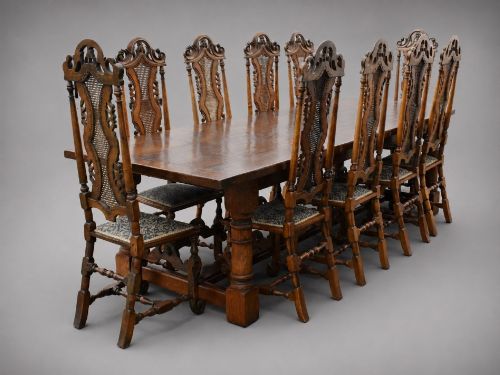
Look for large refectory formats or extending tables fitted with extra leaves. Georgian and Victorian pedestal designs frequently accommodate multiple insert leaves for larger gatherings.
Ensure you check the clearance between table legs and pedestals to confirm chairs fit comfortably underneath.
Are gateleg tables stable?
Solid oak and mahogany gateleg tables provide reliable support when the swinging leg locks firmly into position. The hinged flaps rest securely on these structural swing arms during meals.
Inspect the pivot points and leg joints to ensure the mechanism remains rigid and aligned.
How do I care for antique wood?
Maintain the finish by dusting with a soft cloth and applying appropriate beeswax or wood balms periodically. Avoid placing timber tables near direct heat sources or strong sunlight to prevent cracking.
Use protective mats for hot dishes and liquids to safeguard the historic polish.
What is a draw leaf?
A draw leaf system uses sliding panels hidden beneath the main surface. You simply pull the ends outward, and the central top drops down to create one continuous board.
This clever mechanism allows you to lengthen the table quickly without storing loose leaves elsewhere.