

Antique Wind Out Table
When you search for an antique wind out table, you are looking for a versatile dining piece that expands smoothly to seat large gatherings.
Antique Wind Out Table
An antique wind out table is a heavy dining surface designed to lengthen through an internal mechanical system operated by a handle. These pieces date predominantly from the nineteenth and early twentieth centuries, spanning the Victorian and Edwardian periods.
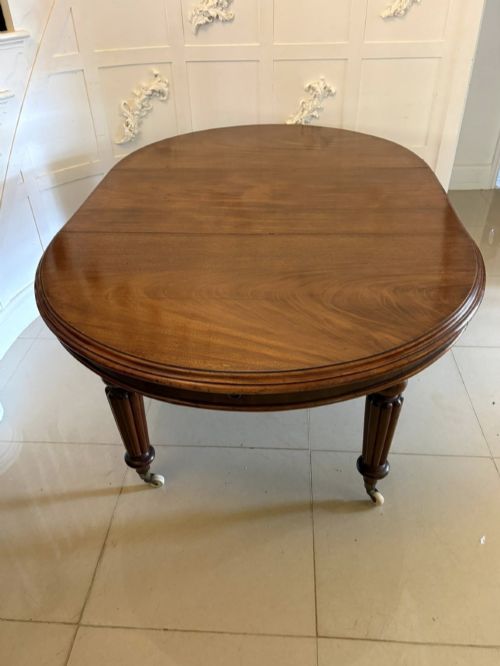
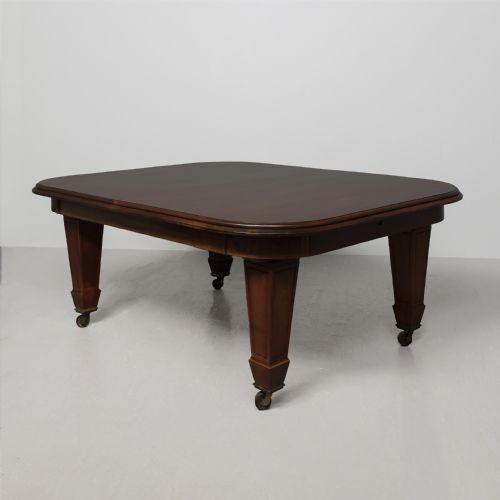
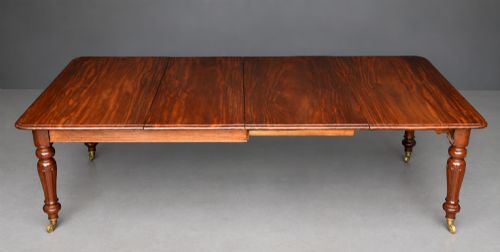
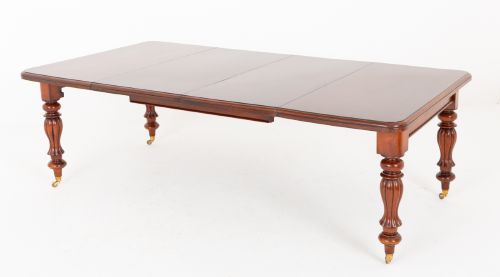
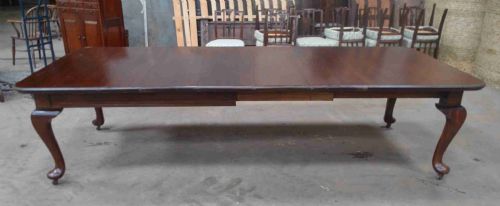
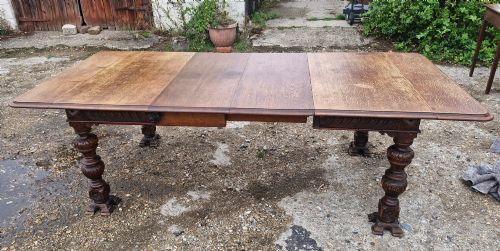
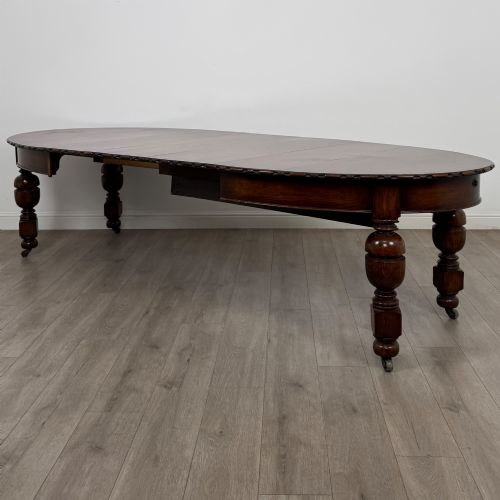
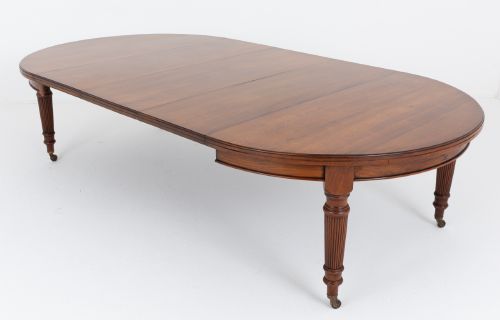
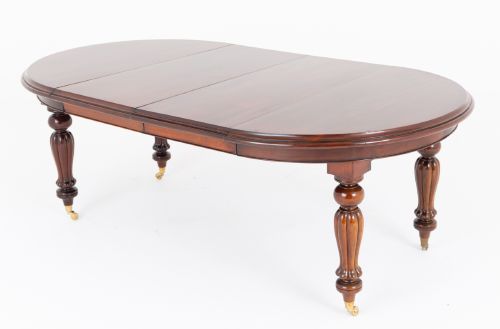
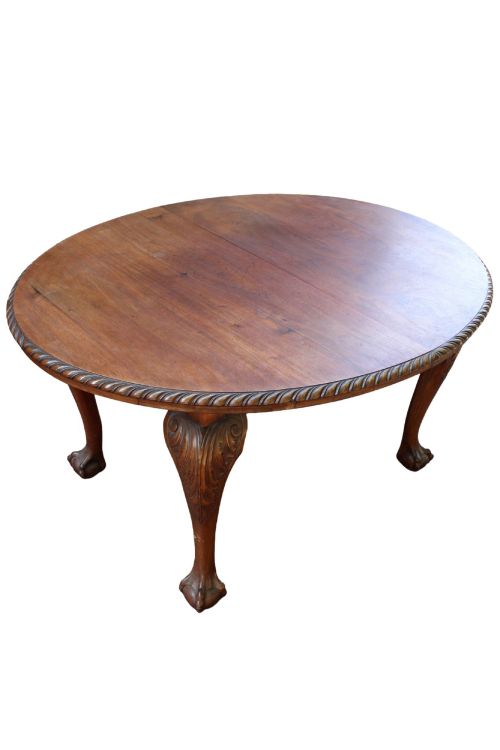
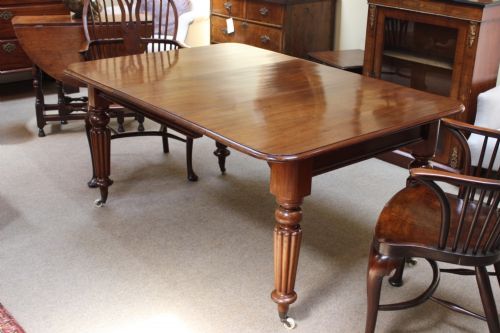
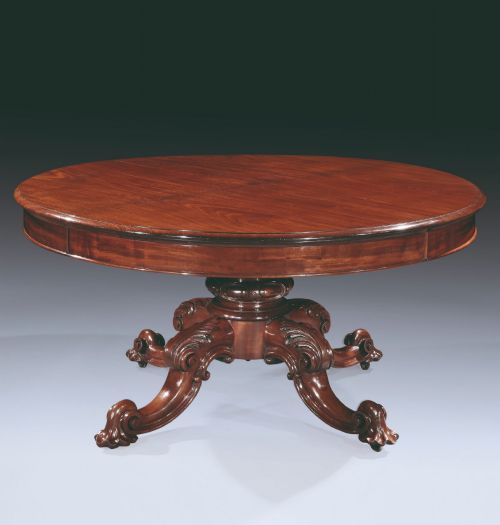
The most common version met on this page is a substantial mahogany dining table with multiple extra leaves, often resting on castors. Oak and walnut examples also appear frequently, alongside occasional pine farmhouse variants and circular formats.
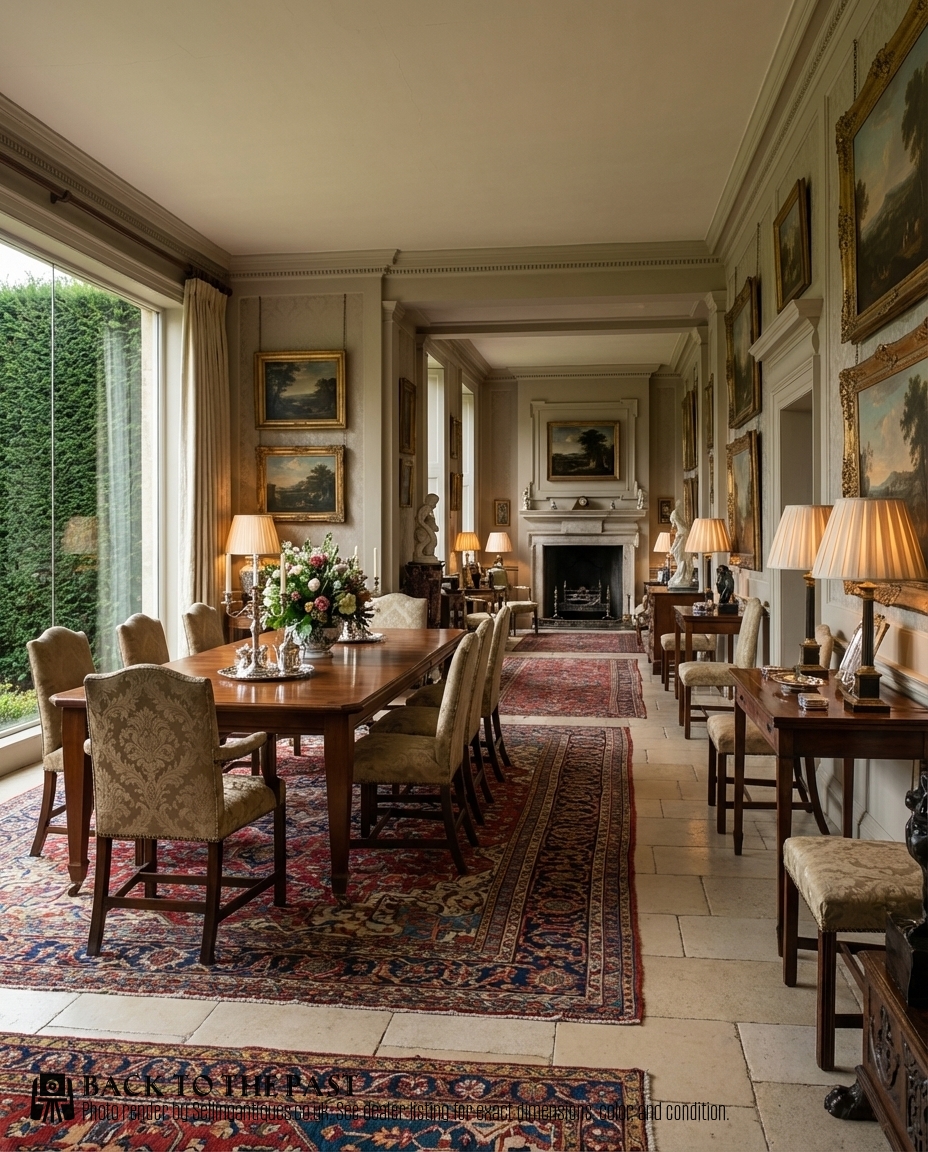
These tables served primarily in large dining rooms where hosts needed the flexibility to adjust the surface length for family meals or formal banquets.
How they were made
Cabinet makers utilised dense timbers such as mahogany, oak, and walnut, frequently selecting figured or flame grains for the top surfaces. The internal extension relies on robust metal and steel winding mechanisms paired with brass or ceramic castors on the legs.
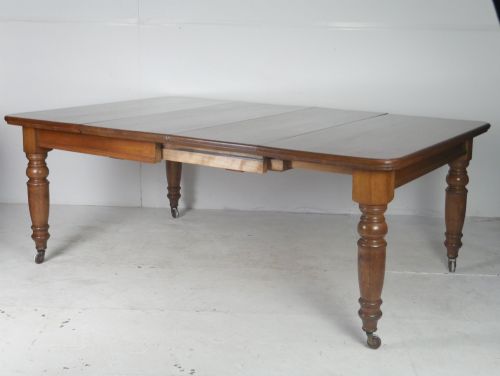
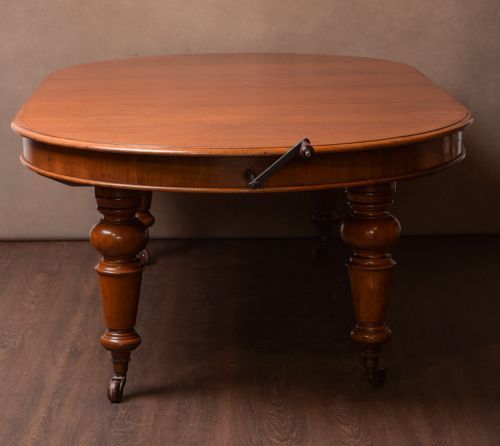
Makers constructed these tables with removable leaves that slot securely into the expanded framework, operated via a detachable handle inserted into the side apron.
Antique Wind Out Table Retail Price Guide 2026
Typical asking prices for wind out table among the pieces listed under this phrase on Sellingantiques today, from the lower quarter to the upper quarter. They describe what is for sale here now, not the wider market.
Some tables require up to four heavy extra leaves hidden away for decades, turning an ordinary lunch into a medieval banquet.
What varies in quality
The distinction between ordinary and superior examples lies in the selection of timber figure, the density of the mahogany or oak, and the precision of the internal winding mechanism. Master workshops produced heavier frames, finer grain figuring, and smoother mechanical operation.
The quantity of original matching leaves and the overall scale, such as lengths reaching twelve or thirteen feet, elevate certain tables significantly above standard domestic formats.
F & J Smith·Gillows·Merryweather of Holloway London·James Shoolbred
The Antique Wind Out Table Glossary
- Wind-out mechanism
- A geared mechanical system housed beneath the table top that separates the halves when turned with a handle. This allows extra leaves to be dropped into the centre.
- Leaf
- A removable section of timber inserted into the table to increase its overall length. Sets often include between one and five original leaves.
- Castor
- A small wheel attached to the bottom of each table leg to assist with movement across flooring. These are frequently made of brass, ceramic, or metal.
- Apron
- The wooden framing situated directly beneath the outer edge of the table top. It conceals the mechanism and structural rails.
- Figured mahogany
- Timber exhibiting intricate, wavy, or speckled grain patterns highly prized for decorative surfaces. It creates a striking visual depth when polished.
Antique Wind Out Table: Frequently Asked Questions
How do you operate the winding mechanism?
A small metal handle is inserted into a discreet socket located beneath the outer rim of the table. Turning this handle rotates internal metal gears that draw the two main halves apart.
Once the gap is wide enough, the stored extra leaves are dropped into the centre and locked securely into place before tightening the mechanism back up.
How many people do these tables seat?
The seating capacity varies widely depending on the number of inserted leaves and the overall length of the timber frame. Smaller versions accommodate six to eight guests comfortably.
Larger country house and grand Victorian examples stretching up to twelve or thirteen feet can easily seat ten to fourteen people.
How do you identify Victorian periods?
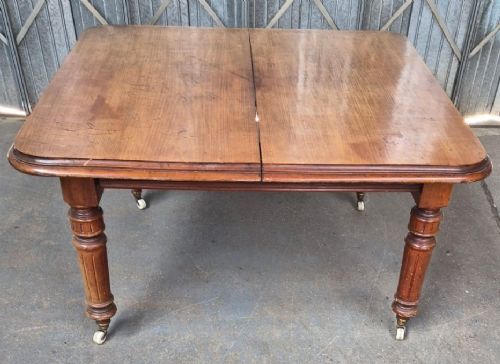
Victorian pieces typically display deep, dark mahogany timbers, heavy turned or fluted legs, and robust brass or ceramic castors. Earlier examples from the mid-nineteenth century often feature solid mahogany construction and grand proportions.
Later Victorian and Edwardian iterations frequently introduce lighter oak or walnut woods alongside simpler carved details.
Can you use daily dining chairs with them?
These dining surfaces pair well with a wide variety of seating options, provided the height of the table apron allows adequate legroom underneath. Many historical listings note matching sets of chairs sold alongside the table.
When living with these pieces daily, ensure that modern dining chairs slide comfortably beneath the framework when the leaves are fully extended.