


Dark Wood Extendable Table
A dark wood extendable table brings centuries of dining heritage into a home, offering sturdy timber and adaptable space for gatherings.
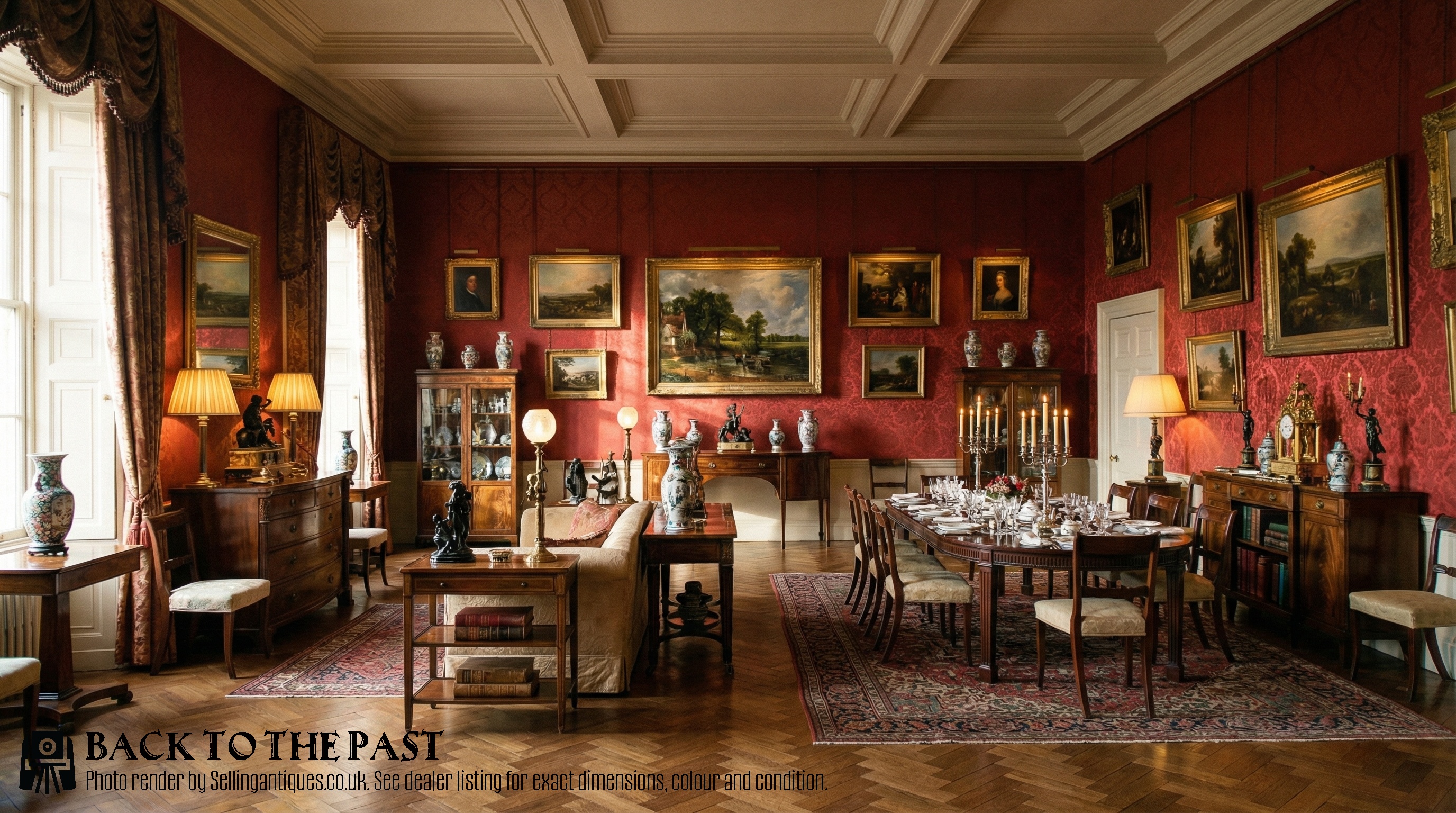
What these tables are
A dark wood extendable table unites practical dining capacity with traditional cabinet-making, providing a surface that expands to suit the occasion. Buyers searching this phrase will find large dining tables designed to accommodate multiple leaves.
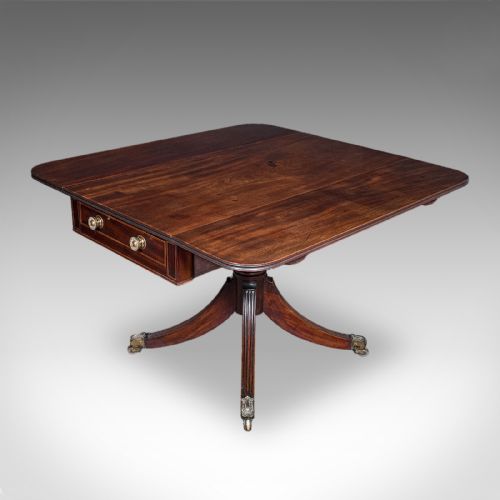
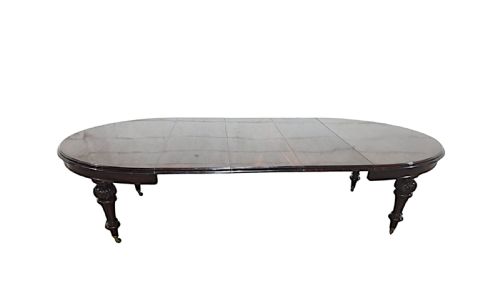
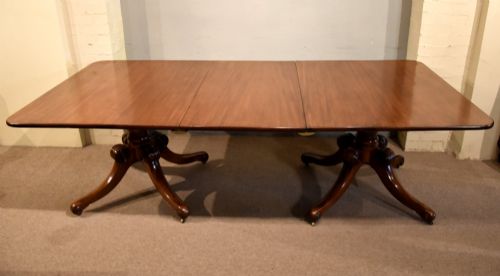
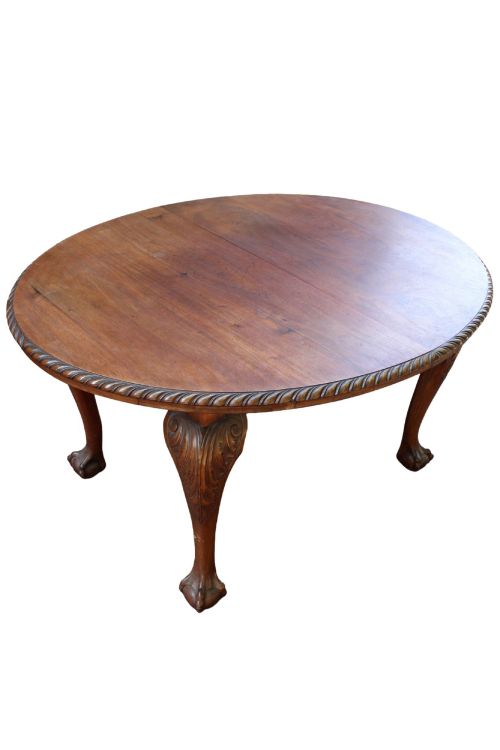
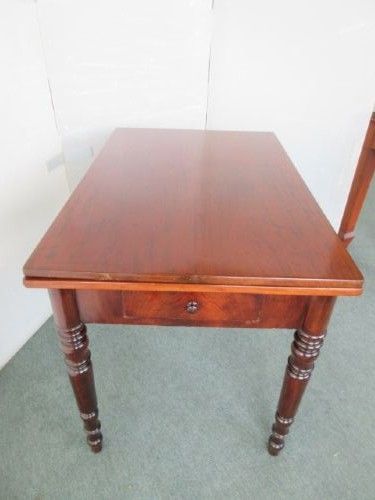
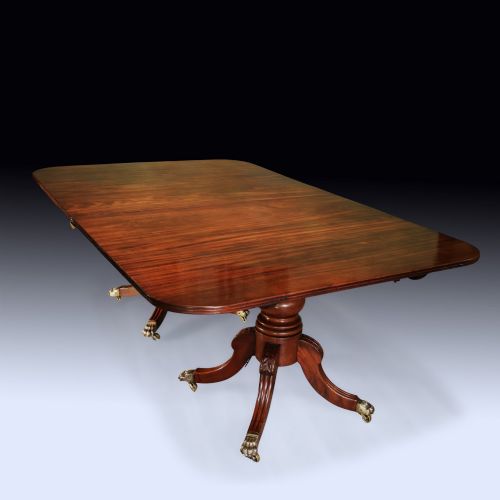
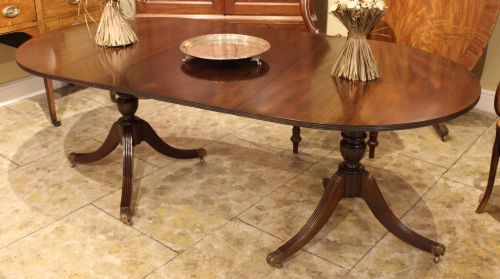
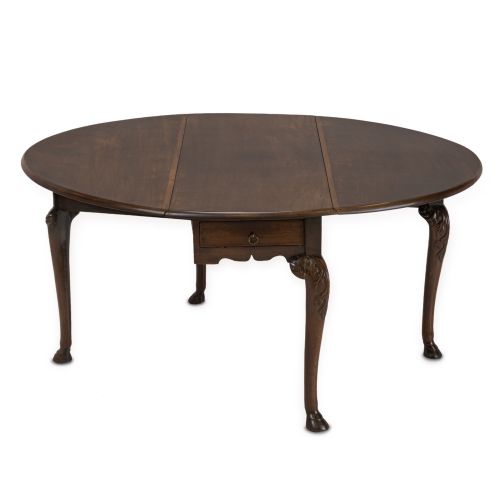
The examples recorded here span from the Georgian period through the Victorian era up to nineteen hundred. These pieces showcase classic forms including D end designs and multi legged frameworks.
Mahogany and walnut dominate the selection, often accompanied by brass fittings that assist the extension mechanism. Most pieces on this page reflect Regency, George IV, and Victorian aesthetic influences.
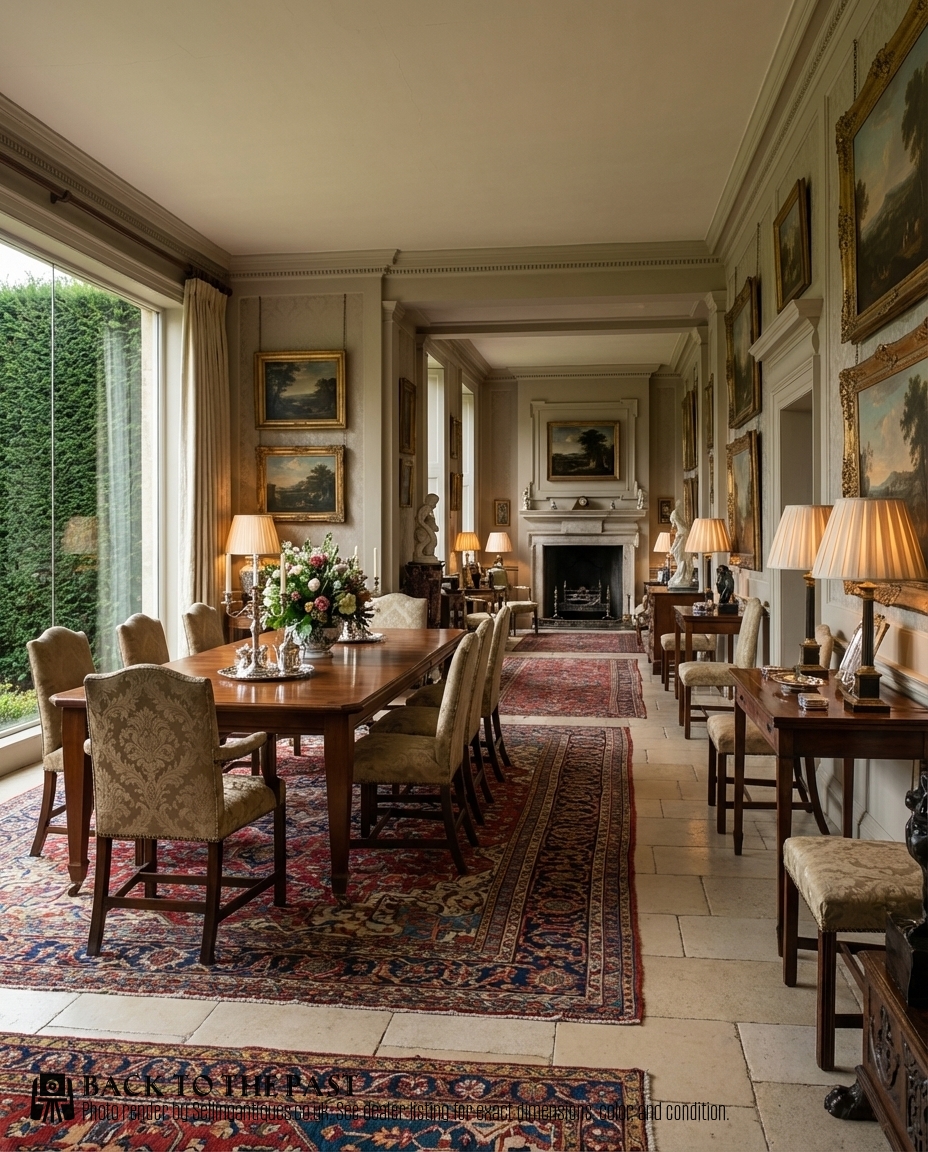
How they were made
Cabinet makers utilised dense timbers such as mahogany and walnut, selecting boards for rich grain patterns and deep natural colour. These woods were worked by hand to create solid tabletops and substantial support legs.
Extension systems incorporated brass components to ensure smooth movement when inserting or removing leaves. Joinery techniques from the nineteenth century prioritised structural strength across large dining surfaces.
Retail Price Guide 2026
Typical UK retail prices for dark wood extendable table, calculated from the Sellingantiques database of over a million retail prices indexed since 2003. This retail price guide relies exclusively on Sellingantiques data; no external sources or auction records are used, so the figures do not describe the wider market.
Listings feature mahogany and walnut timbers alongside brass fittings across Georgian and Victorian periods.
What varies in quality
The distinction between standard and superior pieces rests upon timber selection and the precision of the extension mechanism. Finer tables exhibit careful matching of mahogany or walnut veneers and solid timber boards across every leaf.
Proportion and stability separate simpler examples from grander outputs, particularly in multi legged formats. The integration of brass hardware and the crispness of period styling further define the upper tier.

The Dark Wood Extendable Table Glossary
- D end
- A table end shaped in the form of a capital letter D, allowing sections to stand separately or join together.
- Leaf
- A removable section of timber inserted into an extending table to increase its overall surface length.
- Regency
- A British design style spanning the early nineteenth century, characterised by classical restraint and rich mahogany timbers.
- Extension table
- A dining table engineered with internal runners or tracks to expand and accept additional leaves.
Frequently Asked Questions
How do extending tables work?
These tables utilise internal wooden tracks or frames that pull apart to create a gap for additional leaves. Metal clips or brass pins often secure the sections together for stability.
Additional leaves are stored separately when not in use and dropped into the centre opening to expand the dining surface.
What wood is used most?
Mahogany is the predominant timber found in these nineteenth century dining tables, prized for its durability and deep reddish brown tone. Walnut also appears among later pieces from nineteen hundred.
Both woods provide the structural strength necessary to support large tabletops and heavy extension mechanisms over decades of daily use.
How do I identify periods?
Georgian and Regency pieces often display slender proportions, classical leg turning, and fine mahogany grain. Victorian examples frequently incorporate multiple legs and heavy brass hardware.
Examining the construction methods underneath the tabletop and the style of the legs helps assign a piece to the correct nineteenth century decade.
How do I care for timber?
Dark wood surfaces benefit from regular dusting with a soft, dry cloth to prevent the accumulation of grit. Natural waxes help maintain the lustre of mahogany and walnut without building up heavy residue.
Keeping tables away from direct heat sources and strong sunlight protects the polish and prevents the timber from drying out.