


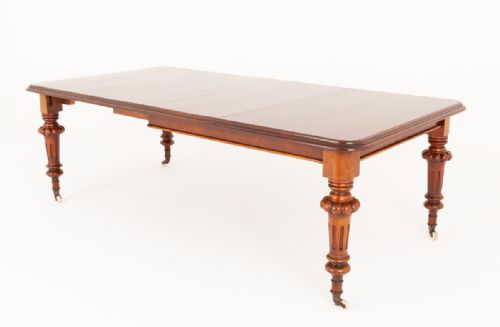


Two Leaf Dining Table
A two leaf dining table provides the versatility needed for everyday meals and larger gatherings alike.
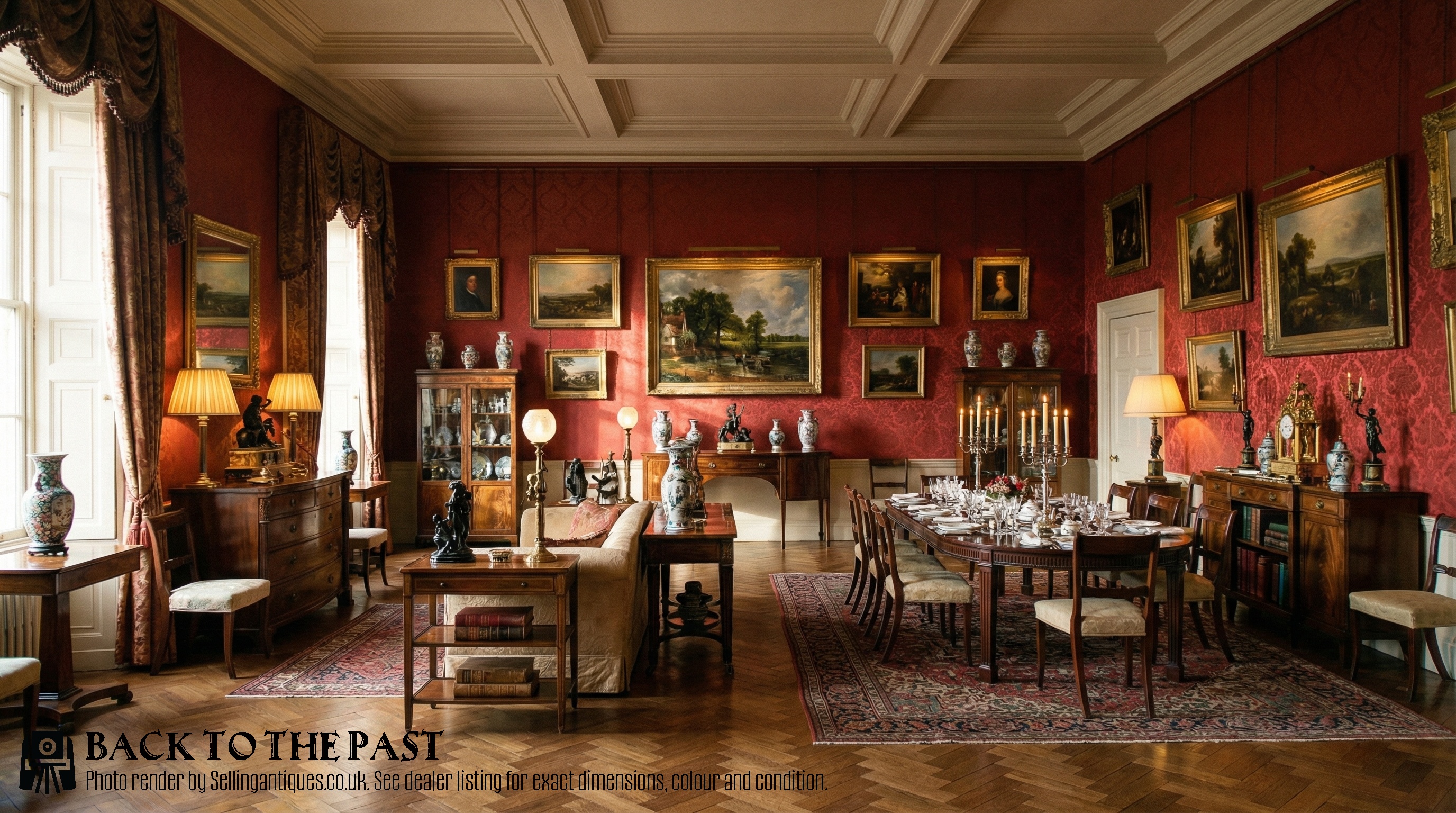
Two Leaf Dining Table
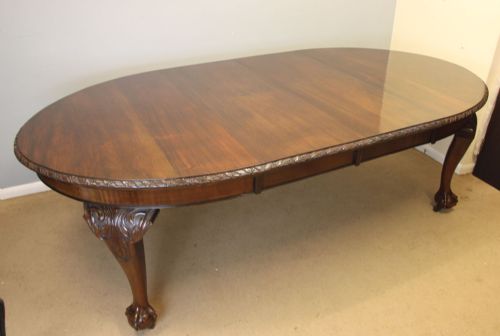
A two leaf dining table is designed to adapt its length using removable or winding extra leaves, accommodating larger parties when needed. These pieces mostly originate from the Victorian and Regency periods, alongside later twentieth-century iterations.
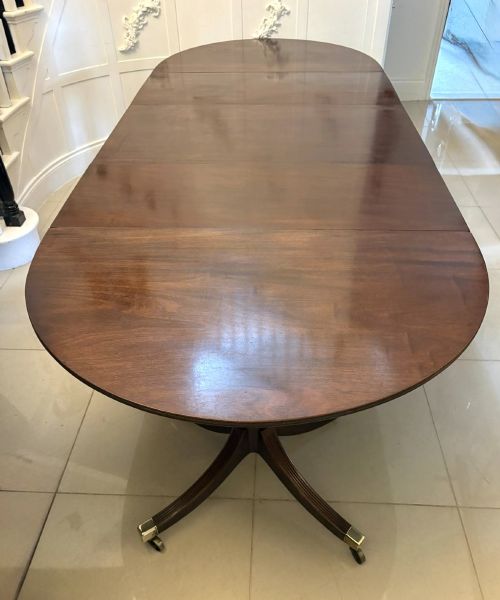
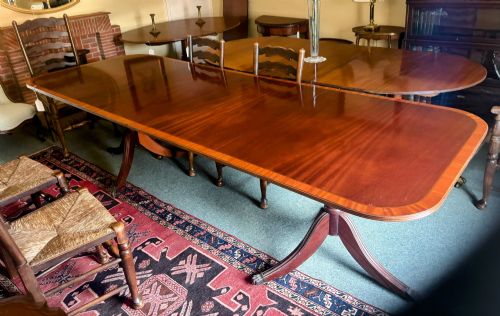
Mahogany and walnut form the predominant timbers across these tables, frequently paired with pillar supports or pull-out extending frames. Buyers encounter various formats, from twin pillar designs to wind-out mechanisms.
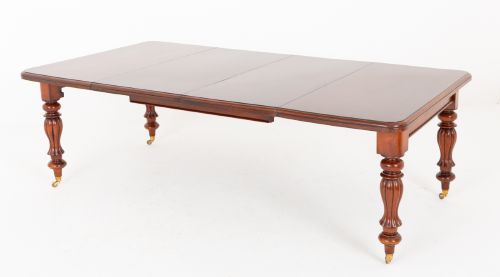
The selection ranges from grand nineteenth-century extending tables to smaller drop leaf versions in pine or solid oak. Victorian examples in mahogany dominate the available options.
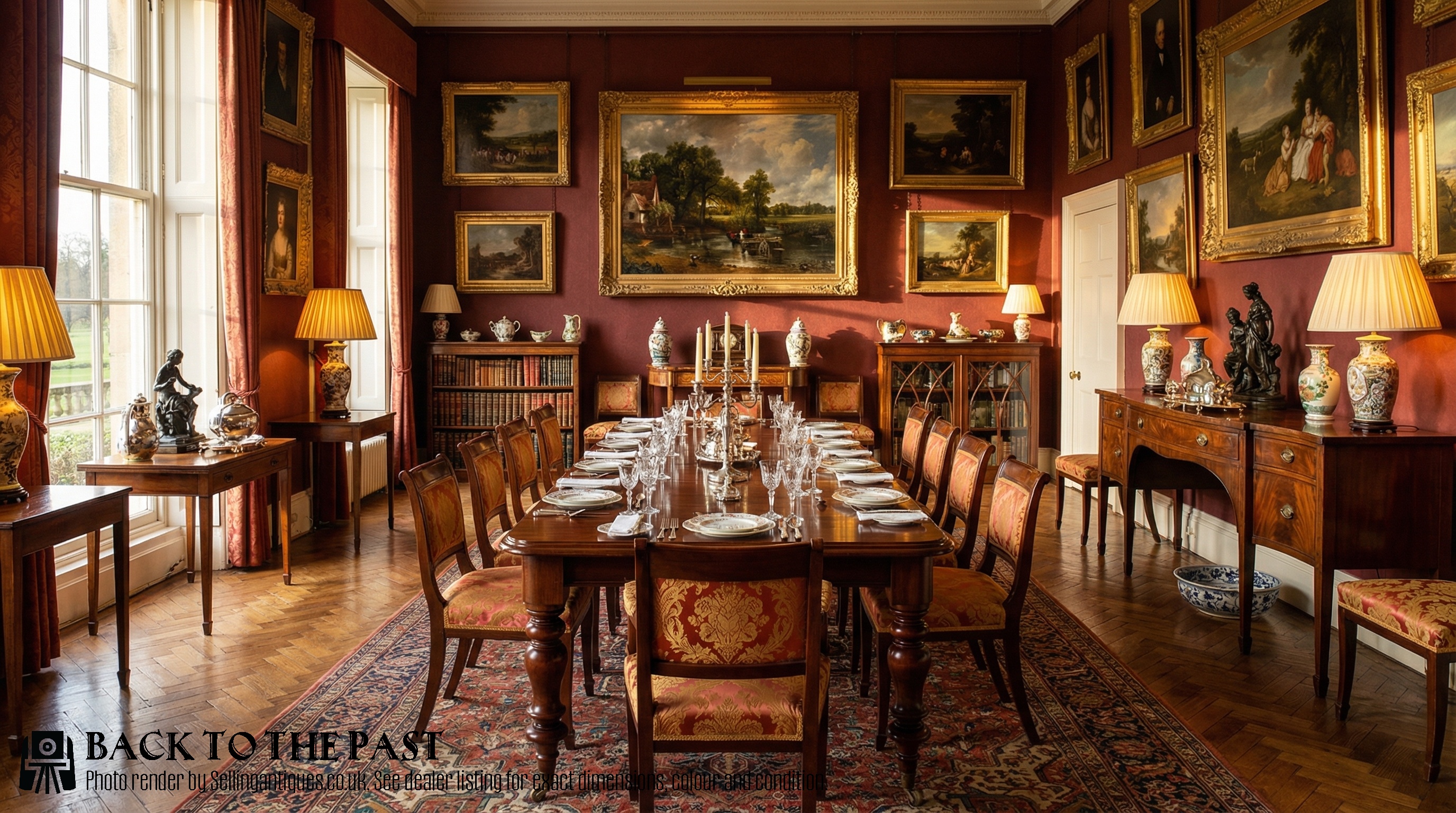
What varies in quality
The grade of timber and the complexity of the mechanism determine the standing of each piece, with burr walnut and figured mahogany representing the finer end of the spectrum. Superior examples maintain smooth operation in their extension systems and feature solid timber runners rather than softer secondary woods.
Proportion and decorative restraint set apart the better examples, where pillar turnings, reeded legs, and brass fittings are executed with precision. Pieces retaining their original winding handles and matching leaves command greater appreciation from collectors.
Two Leaf Dining Table Retail Price Guide 2026
Typical asking prices for two leaf dining table among the pieces listed under this phrase on Sellingantiques today, from the lower quarter to the upper quarter. They describe what is for sale here now, not the wider market.
London cabinet makers once fitted table winders with concealed brass sockets so guests would not bump their knees during dinner.
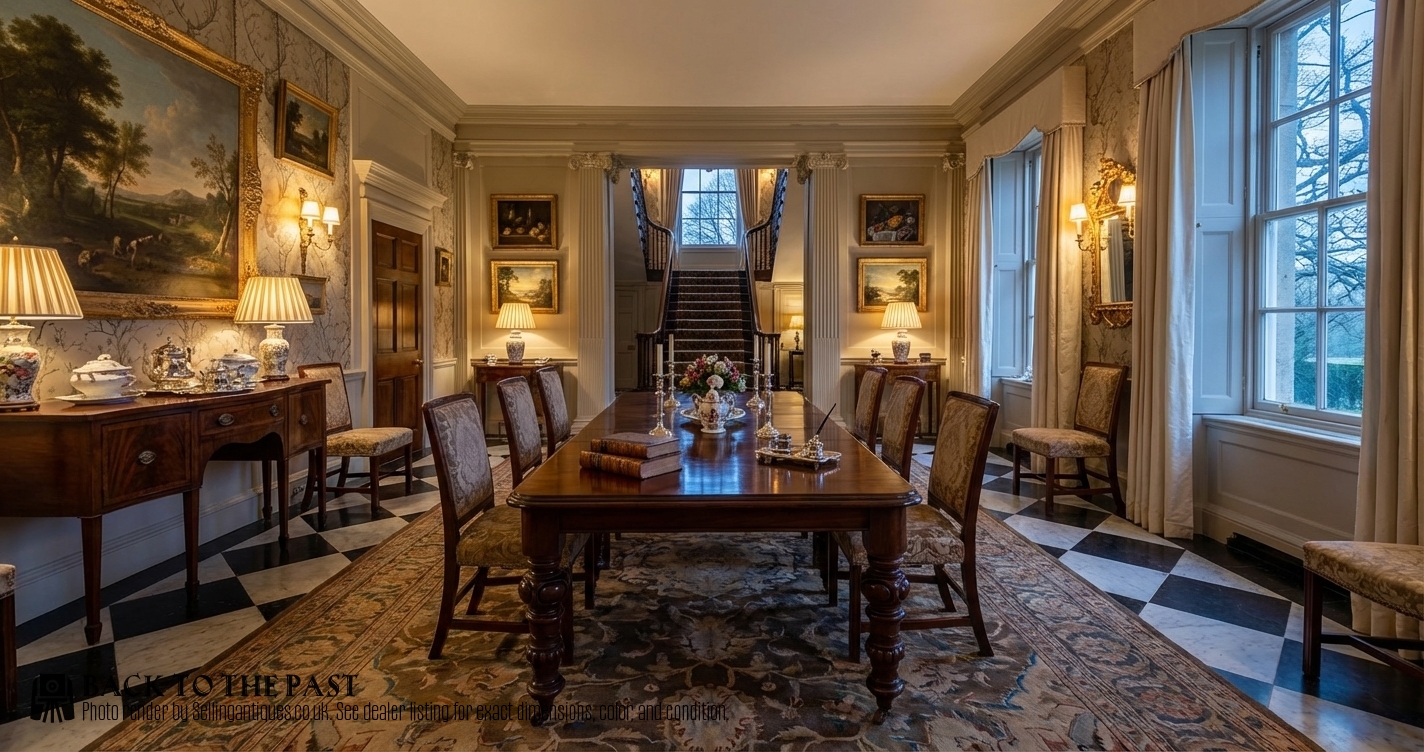
Merryweather of Holloway London
The Two Leaf Dining Table Glossary
- Wind out
- A mechanical extending system operated by a handle that turns a screw mechanism to part the table halves. This allows extra leaves to drop smoothly into the centre.
- Twin pillar
- A base construction featuring two central pedestals, usually mounted on tripod or quadruped legs with brass castors. This design provides robust support for long extending tops.
- D end
- A table end shaped in a semi-circle resembling the letter D, often found on pillar tables. When separated, these ends can function as console tables.
- Reeded
- A decorative moulding formed of parallel convex strips carved directly into the timber legs or pillar columns. It reflects classical design influences popular in Regency furniture.
- Drop leaf
- A table featuring fixed central boards and hinged flaps that fold down when not in use. This space-saving format appears in oak, pine, and fruitwood variants.
Two Leaf Dining Table: Frequently Asked Questions
How do wind out tables work?
These tables use an internal metal screw mechanism connected to a removable handle. Turning the handle drives the table sections apart to create a gap for the extra leaves.
Once the leaves rest securely in position, the handle winds the frame back together to lock everything tightly in place.
How many people do they seat?
Capacity depends on the length of the table once extended with both leaves inserted. Many Victorian and Regency examples accommodate eight to ten diners comfortably.
Smaller drop leaf or compact versions suit tighter spaces and seat between two and four people.
How do I care for antique wood?
Protect the surface from direct sunlight and excessive heat fluctuations to prevent the timber from drying or cracking. Regular dusting with a soft cloth maintains the finish without building up residue.
Apply beeswax periodically to nourish mahogany and walnut surfaces and preserve their natural sheen.
Can leaves be stored separately?
Extra leaves are designed to be removed when the table is shortened for daily use. They should be stored flat in a stable environment with consistent temperature and humidity.
Storing them upright or in damp spaces can cause the timber to warp and prevent a proper fit later.