
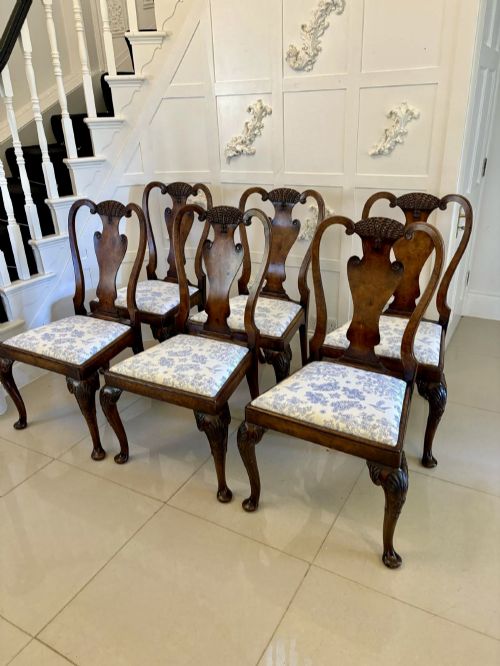
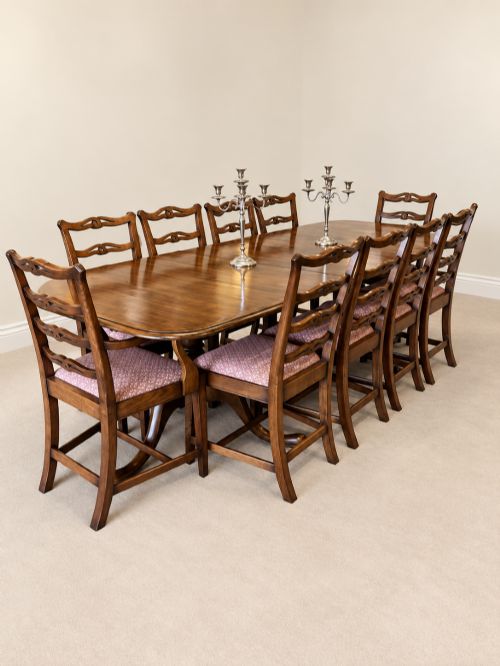
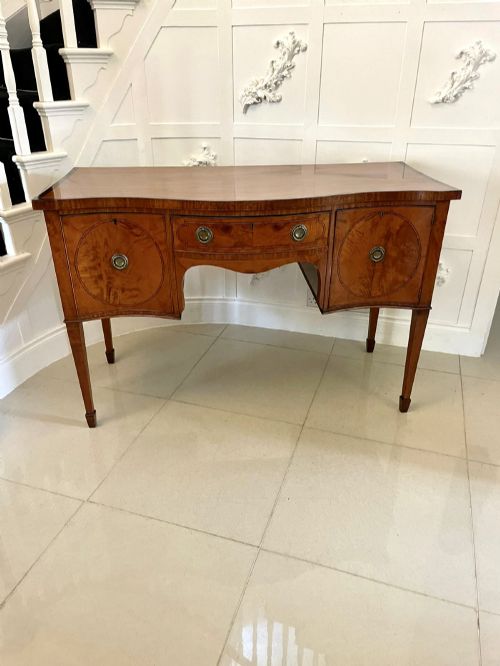
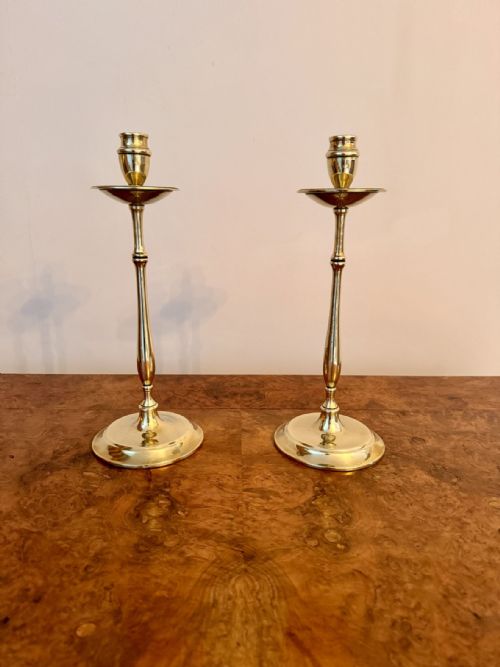
Victorian Style Dining Table
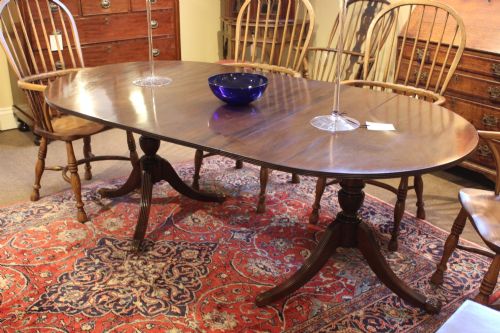
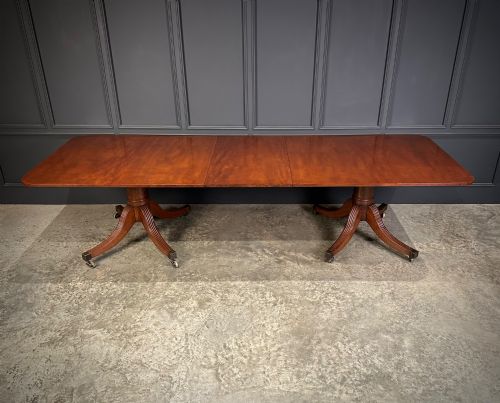
When you seek a victorian style dining table, you find extendable timbers and robust pedestals built for gathering.
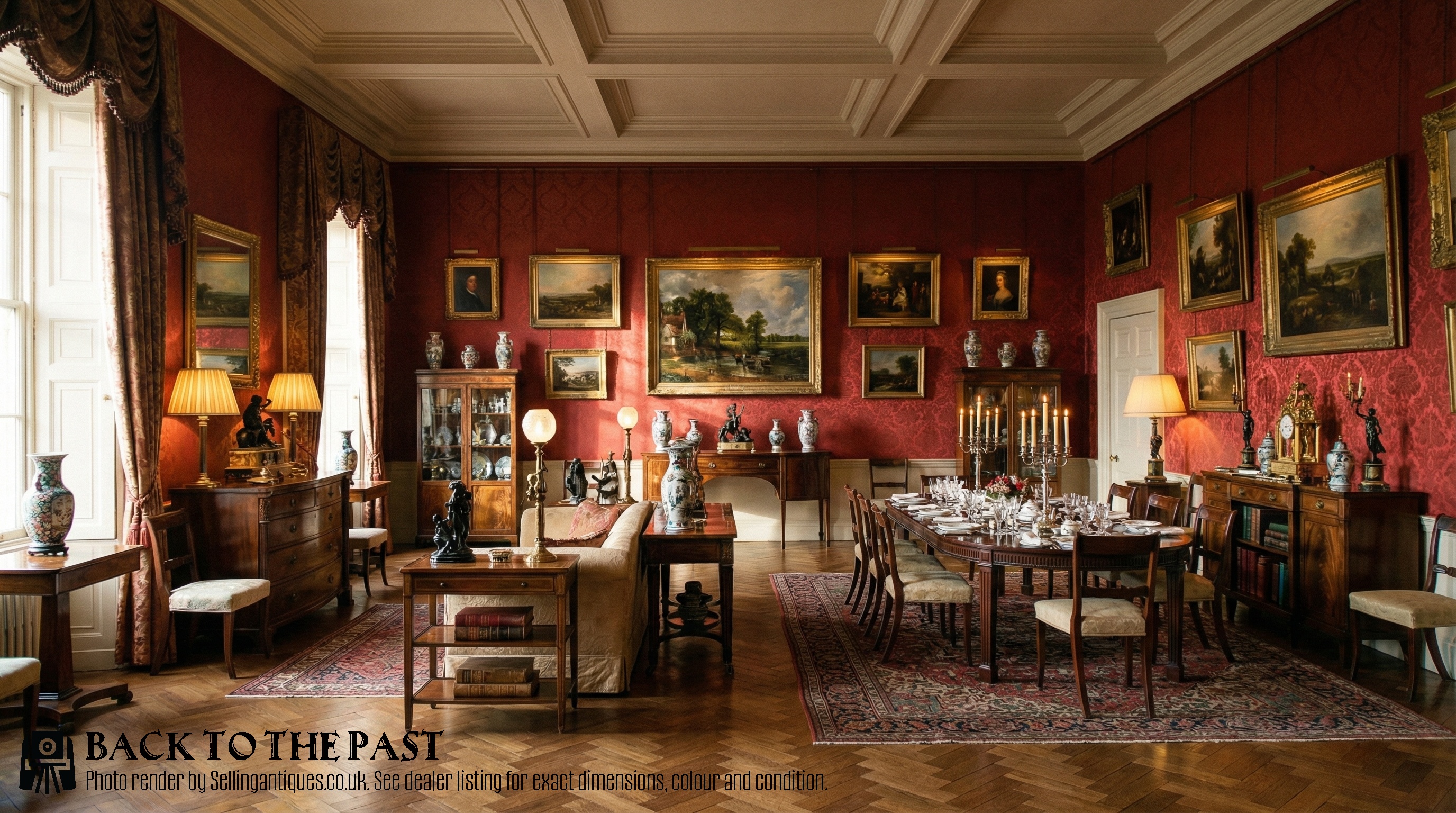
Victorian Style Dining Table
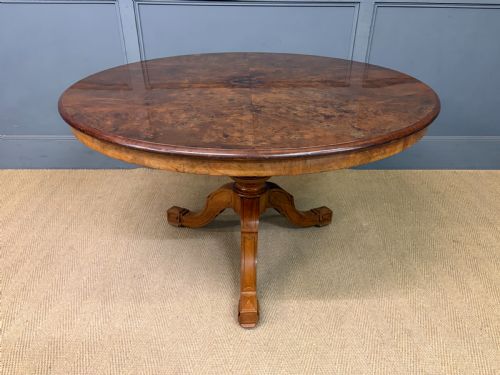
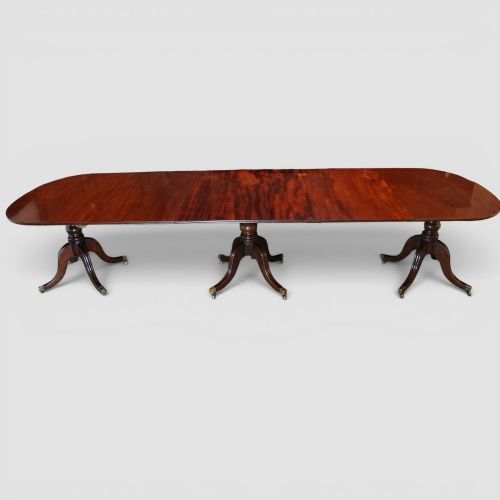
The materials and styles span from the nineteenth century into later revivals, displaying influences such as Gothic, Georgian, and William IV alongside standard Victorian aesthetics. Many examples utilise tilt-top mechanisms or solid carved legs with claw and ball details.
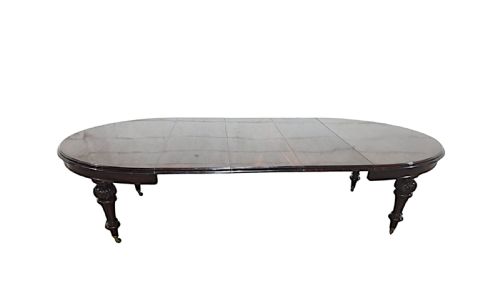
The selection here ranges from large ten-seater boardroom boards to circular centre tables and gate-leg oak versions. These tables serve daily family meals or formal hosting, maintaining the substantial presence characteristic of the period.
How They Were Made
Cabinet makers utilised dense hardwoods like mahogany, walnut, and oak, frequently selecting figured veneers and flame mahogany for the primary surfaces. These timbers were joined using sturdy internal mechanisms to support multiple extending leaves.
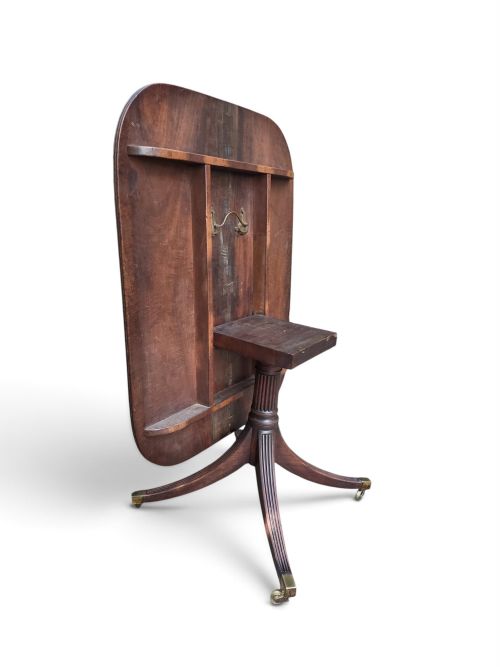
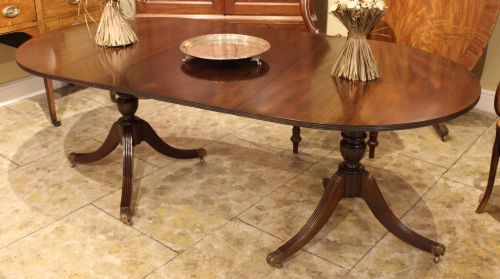
Carving was executed by hand, producing intricate details such as claw and ball feet, cabriole legs, and marquetry inlay. Brass components, including castors and connecting clips, aided the mobility and stability of heavy pillar tables.
Listings feature mahogany, walnut, and oak extending tables alongside tilt-top and gate-leg variations.
What Varies in Quality
The selection of timber dictates much of the character, with figured mahogany and burr walnut showing deeper grain patterns than plain secondary woods. Cabinet-making skill appears in the seamless fit of extra leaves and the smoothness of extending mechanisms.
Carved ornamentation ranges from crisp, deep relief work on legs and friezes to simpler, mechanical shaping. Tables bearing maker signatures or distinctive regional construction reflect higher workshops and individual craftsmanship.
Gillows·William and Gibton
The Victorian Style Dining Table Glossary
- Extending dining table
- A table designed with a central frame that pulls apart to accept removable leaves, increasing the overall surface length.
- Pedestal table
- A table supported by one or more central columns standing on a tripod or platform base rather than four corner legs.
- D-end
- A table configuration where the end sections form semi-circles resembling the letter D, often used with drop-in leaves.
- Marquetry
- Decorative veneer work forming pictures or geometric patterns using various coloured woods laid into a ground surface.
- Tilt-top table
- A table featuring a mechanism that allows the top to pivot vertically for storage when not in use.
Victorian Style Dining Table: Frequently Asked Questions
How do I extend a pedestal table?
Most pedestal tables utilise a sliding wooden runner system hidden beneath the top. You pull the ends apart to reveal gaps where separate leaves drop into place.
Securing brackets underneath lock the sections together to keep the surface stable during meals.
How do I care for mahogany dining wood?
Mahogany surfaces benefit from regular dusting with a soft, dry cloth to prevent grit accumulation. Occasional application of quality beeswax maintains the moisture and sheen of the timber.
Direct sunlight and extreme heat sources should be avoided to prevent the wood from drying or warping.
How do I distinguish revival styles from original pieces?
Revival styles often incorporate older design motifs, such as Georgian or Jacobean details, executed during later decades like the late nineteenth or early twentieth century. Construction marks, screw types, and timber seasoning help indicate the actual period of manufacture.
Examining the underside and internal runners reveals the age of the mechanics used in the table.