

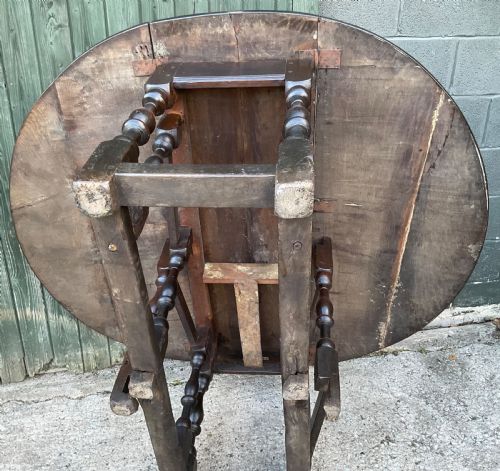


Traditional Oval Dining Table
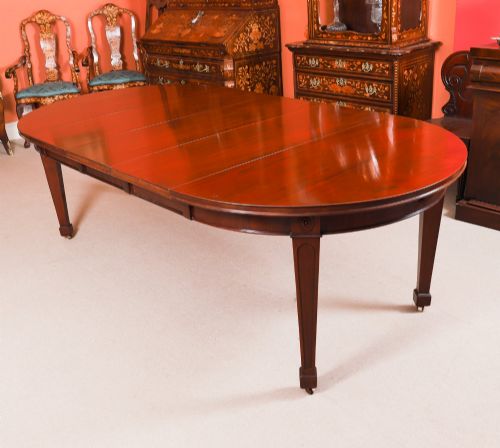
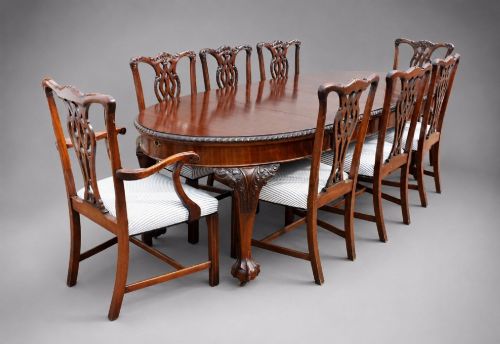
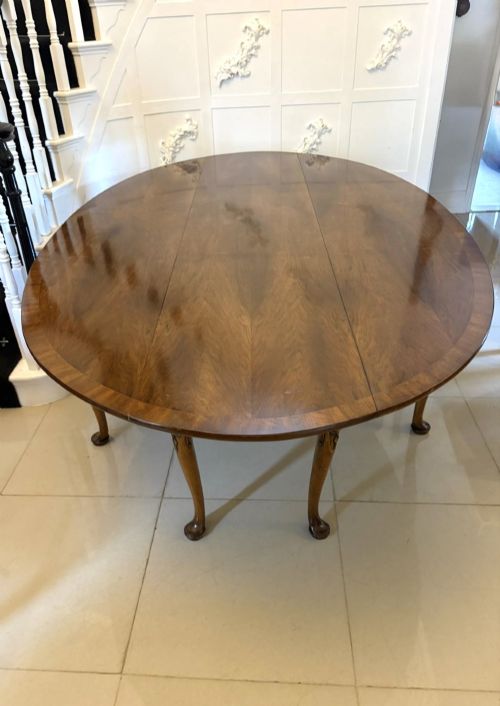
A traditional oval dining table brings timber warmth and practical seating to the room, from mahogany extension models to sturdy oak gateleg forms.
Traditional Oval Dining Table
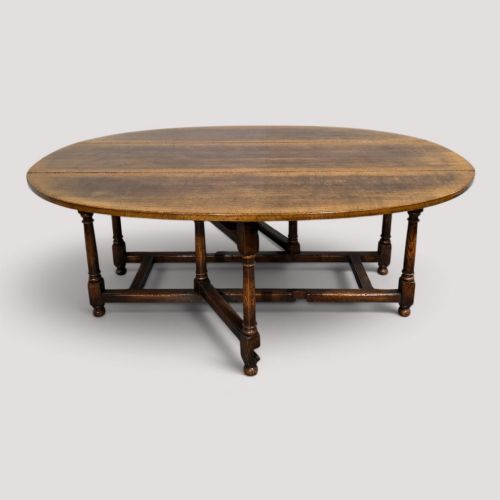
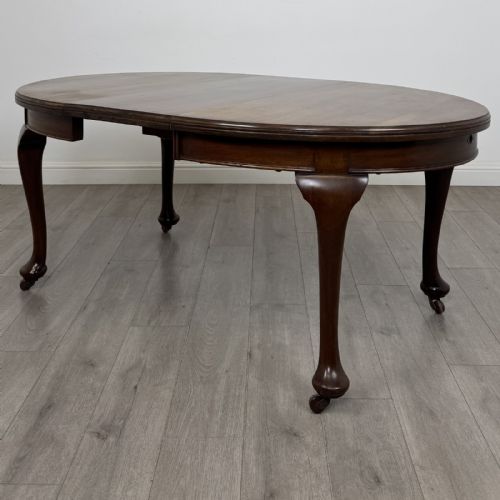
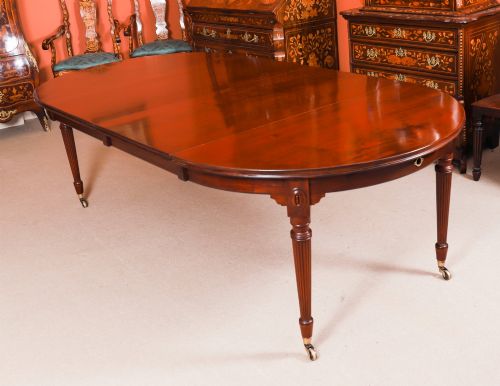
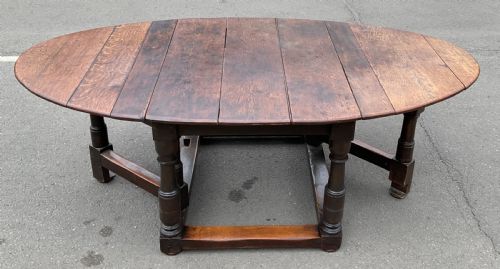
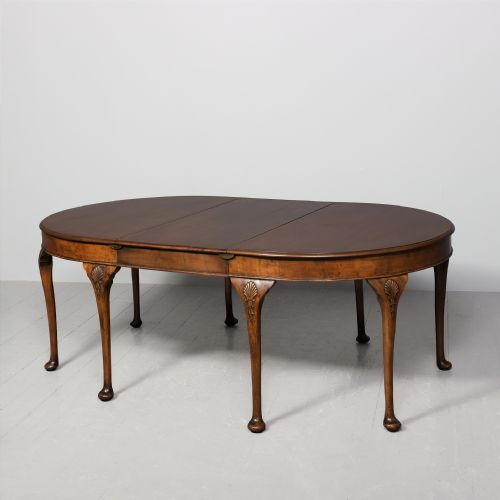
A traditional oval dining table spans centuries of cabinetmaking, appearing in heavy seventeenth-century oak, refined eighteenth-century mahogany, and later Edwardian and Victorian iterations. Buyers seeking this phrase encounter versatile drop-leaf gateleg designs, pedestal tables with extension leaves, and large refectory or wake formats meant for gathering.
The material palette relies heavily on native and imported hardwoods like oak, walnut, and flame mahogany, often paired with brass mechanisms or iron fittings on extension systems. Pieces range from compact small-scale drop-leaf tables to expansive ten-seater dining furniture suitable for substantial rooms.
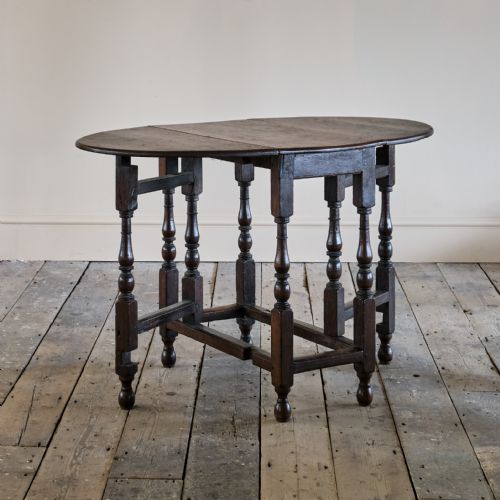
Stylistic influences draw from Jacobean, Georgian, Regency, and Queen Anne traditions, reflecting the decorative preferences of their respective periods. Gateleg and pedestal configurations dominate the selection, providing functional surfaces that expand or fold down according to space.
Craftsmanship and Proportion
Quality rests in the selection of timber, where finely figured flame mahogany or dense, well-pegged oak demonstrates superior material sourcing by the maker. The integrity of the structure shows in how smoothly drop leaves operate, how securely extension leaves lock into place, and the stability of turned legs under weight.
Proportion and surface finish distinguish standard examples from exceptional ones, particularly in the crispness of turned gateleg supports and the preservation of original patination on the timber. Tables retaining matching extension leaves and original hardware command greater architectural harmony.
Some seventeenth-century oak tables have survived centuries of family banquets simply because they were too heavy for anyone to move.
Selbat·Waring and Gillow
The Traditional Oval Dining Table Glossary
- Gateleg table
- A table with hinged leaves supported by legs that swing outward like a gate. This design allows the surface area to expand or contract efficiently.
- Flame mahogany
- A veneer cut from the fork of a mahogany tree where branches meet the trunk. It produces a distinctive flickering flame-like pattern across the tabletop.
- Refectory table
- A long, narrow dining table traditionally used in communal dining halls. Surviving examples often feature solid oak construction and stretchers for stability.
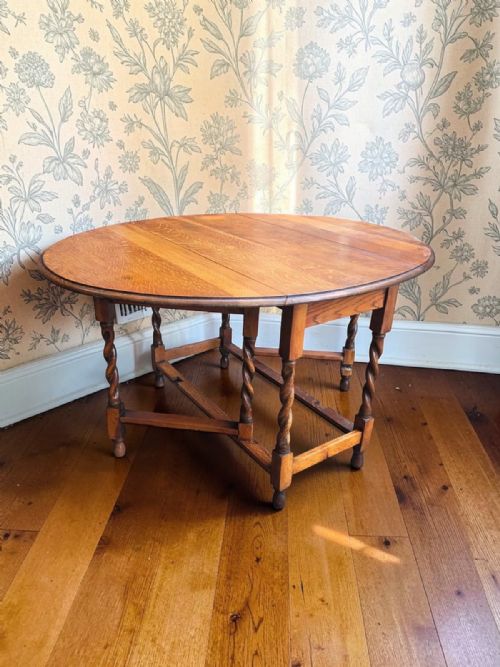
- Barley twist
- A decorative turning technique resembling a spiralling rope. It appears frequently on the legs of seventeenth and early twentieth-century oak furniture.
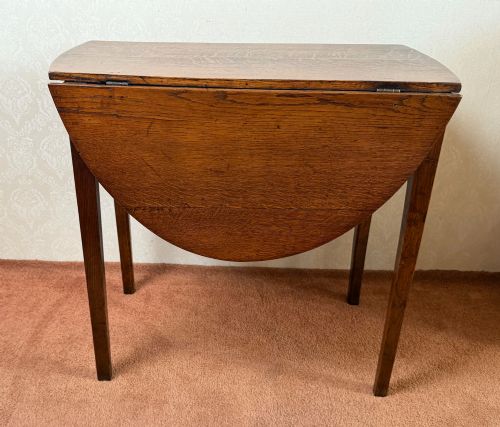
- Drop leaf table
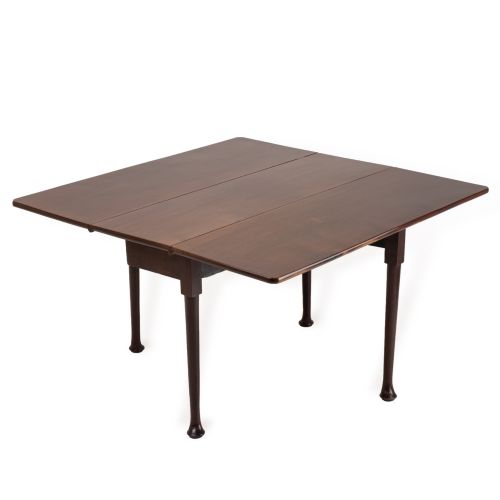
- A table featuring a fixed central section and hinged flaps on either side. These flaps raise to provide extra surface space when needed.
Traditional Oval Dining Table: Frequently Asked Questions
How do I seat more guests at an oval table?
Many traditional oval tables utilise drop leaves or extension mechanisms with removable leaves to expand surface length.
Gateleg designs allow the drop leaves to be lifted and supported by swinging legs, instantly accommodating additional diners.
Are gateleg tables stable for daily dining?
Gateleg tables constructed from solid oak or mahogany provide robust daily surfaces when properly adjusted and placed on level flooring.
The hinged leg supports distribute weight effectively across the frame during meals.
How do I identify the period of an oak table?
Early seventeenth-century oak tables often display pegged joinery, hand-turned bobbin or barley twist legs, and heavy structural timbers.
Later revival pieces from the twentieth century mimic these traditional construction methods but lack the deep patination of age.
Can I fit a pedestal table in a small room?
Pedestal dining tables place the central column support underneath the centre, freeing up floor space around the perimeter for chairs.
This configuration allows for easier seating arrangements compared to tables with corner or gateleg supports.