


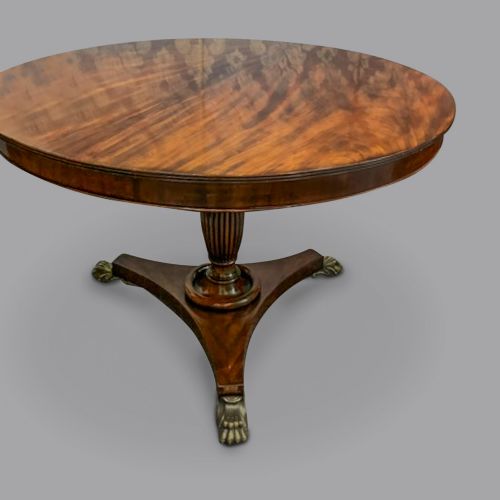
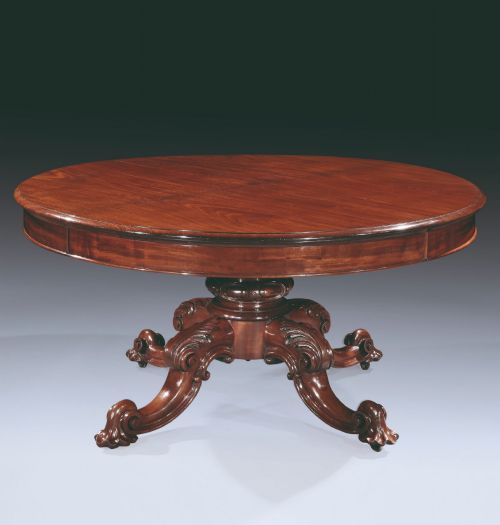
Pedestal Base Dining Table
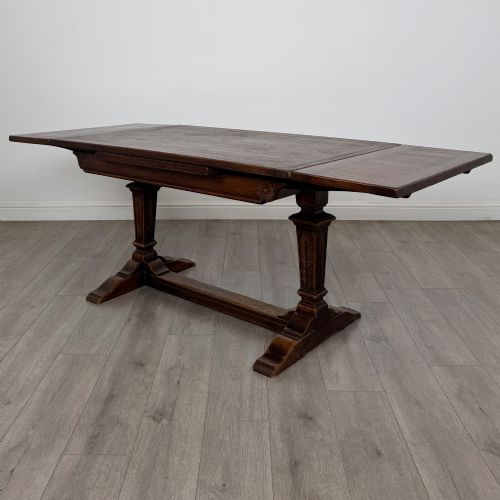
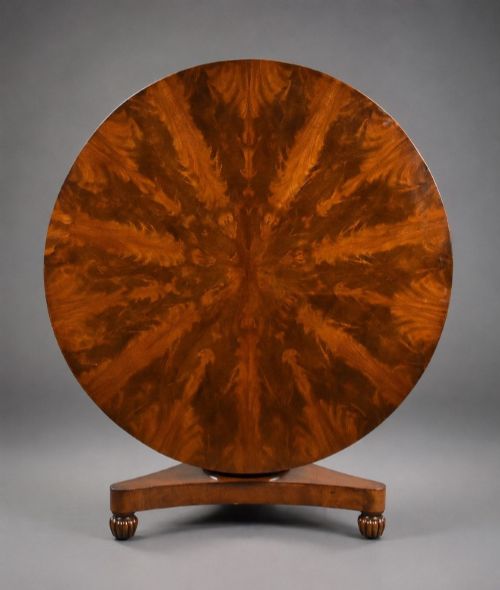
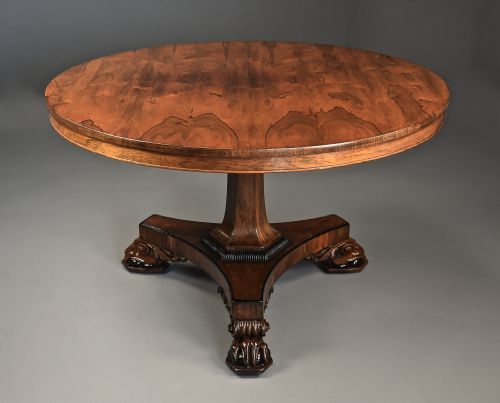
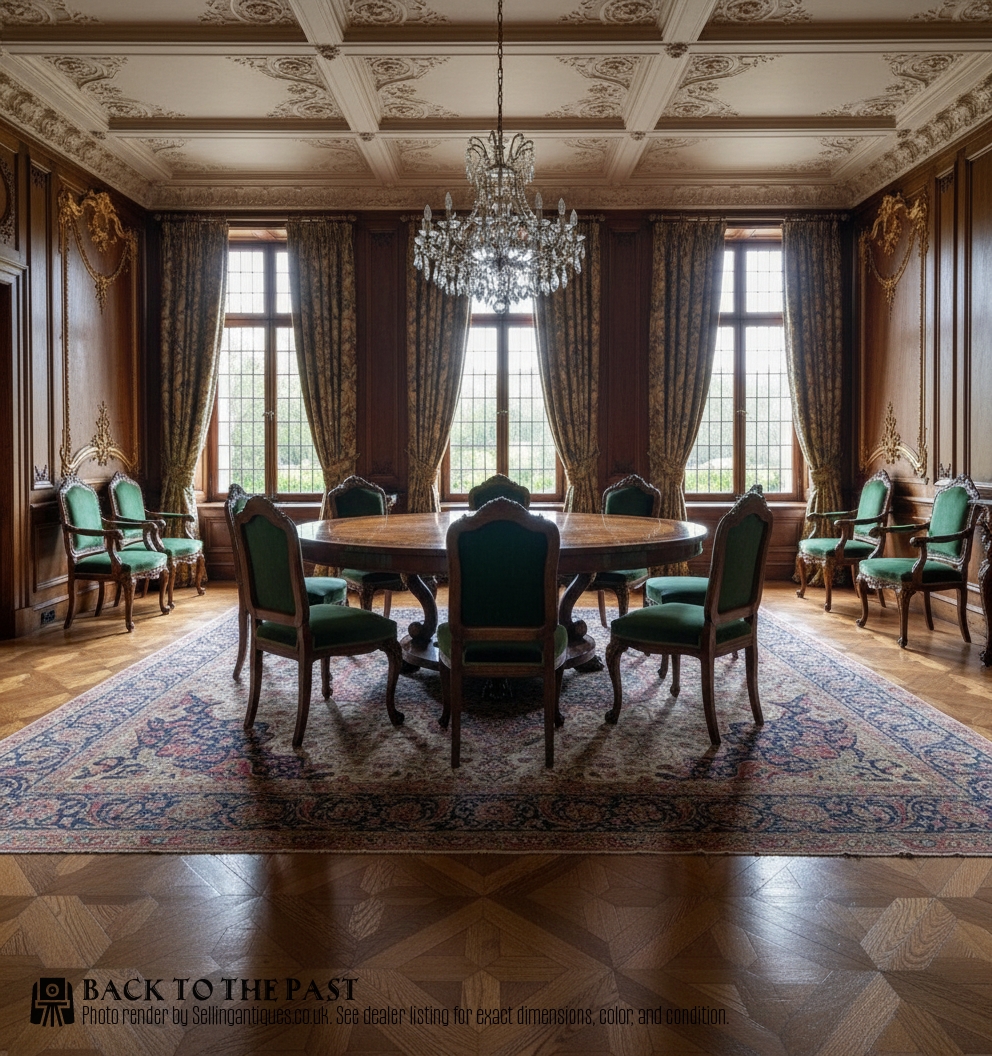
These pedestal base dining table examples are substantial dining pieces built around a central column, offering generous legroom and timeless hosting space.
Understanding the pedestal base dining table
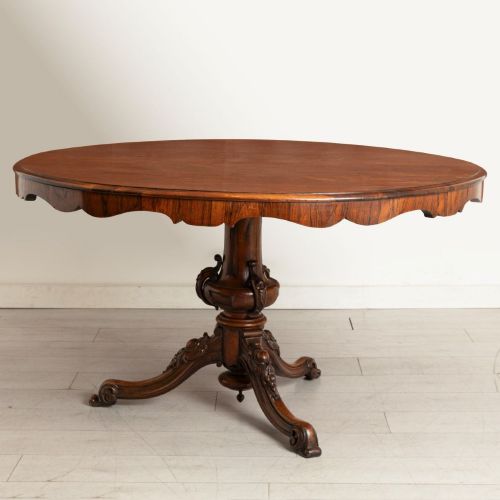
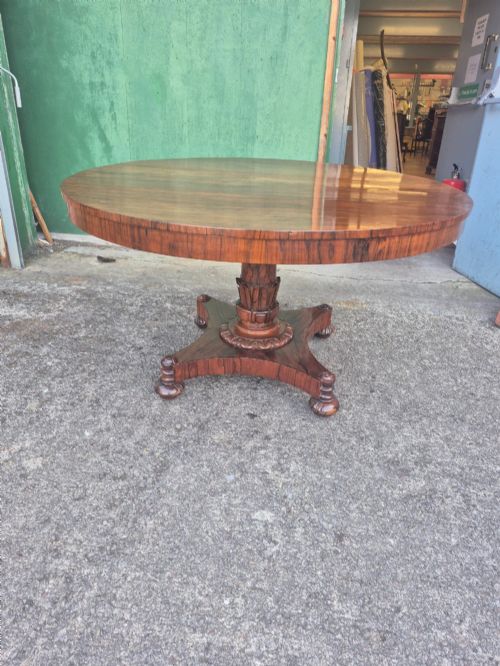
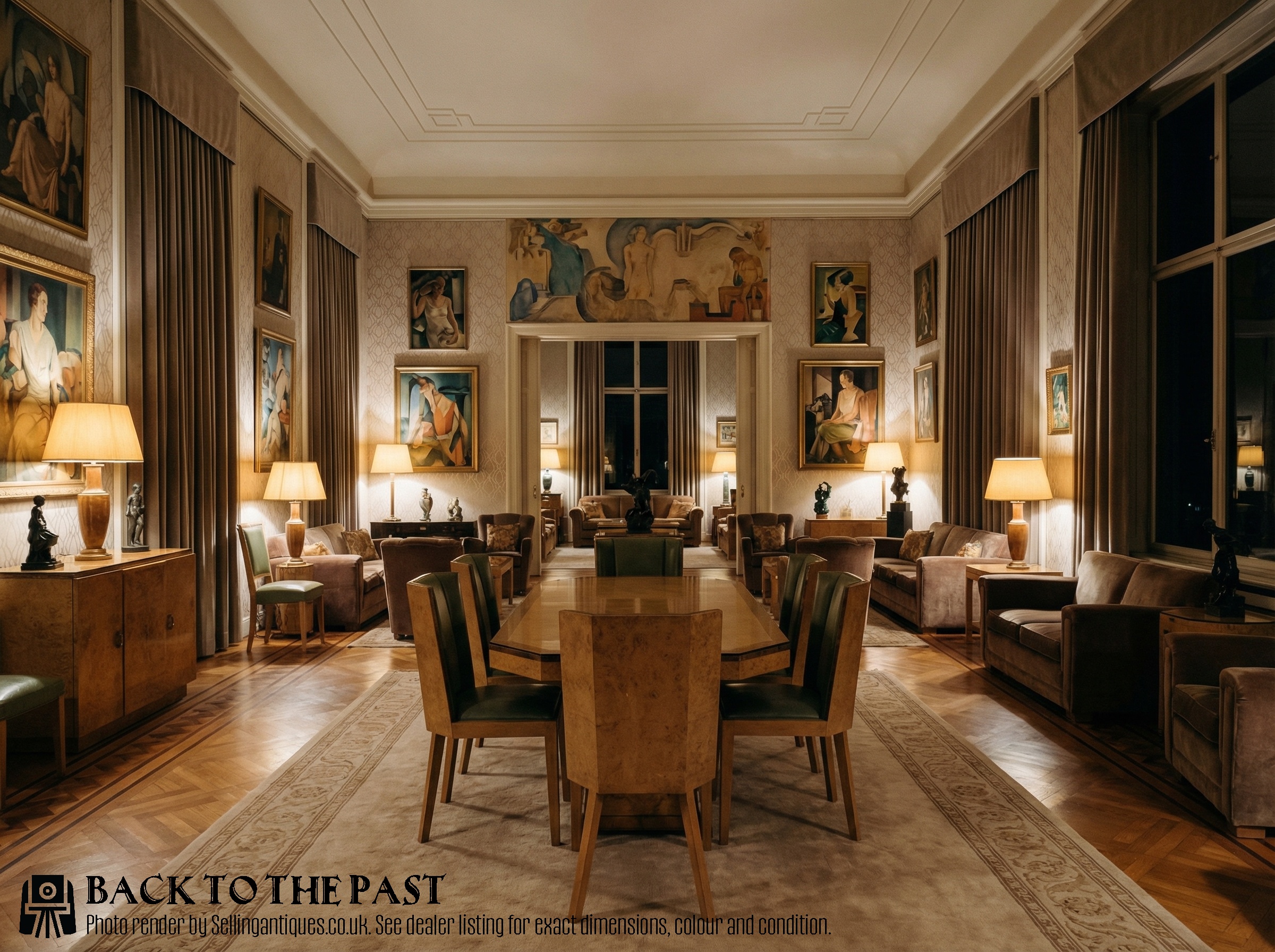
A pedestal base dining table is a dining table supported by a central pillar or column rather than conventional corner legs, allowing for flexible seating arrangements around the perimeter. The selection spans periods from the Regency era through the Victorian period into the nineteen twenties, nineteen thirties and nineteen forties, covering styles from Grand Regency to Art Deco.
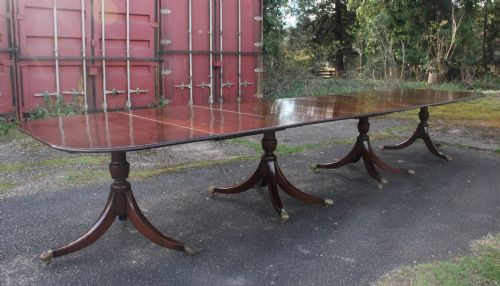
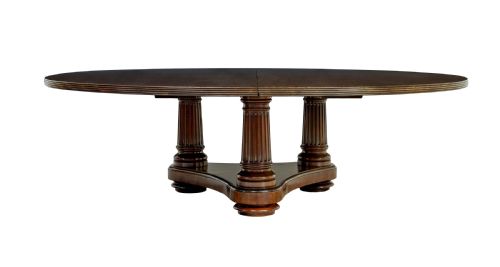
The forms vary between circular, oval, and large extending formats, with some pieces accompanied by chairs as a complete dining suite. These tables function as the visual centrepiece of a dining room while providing practical utility for daily meals and larger gatherings.
Materials and construction methods
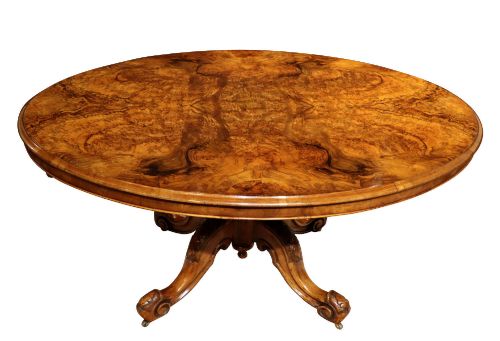
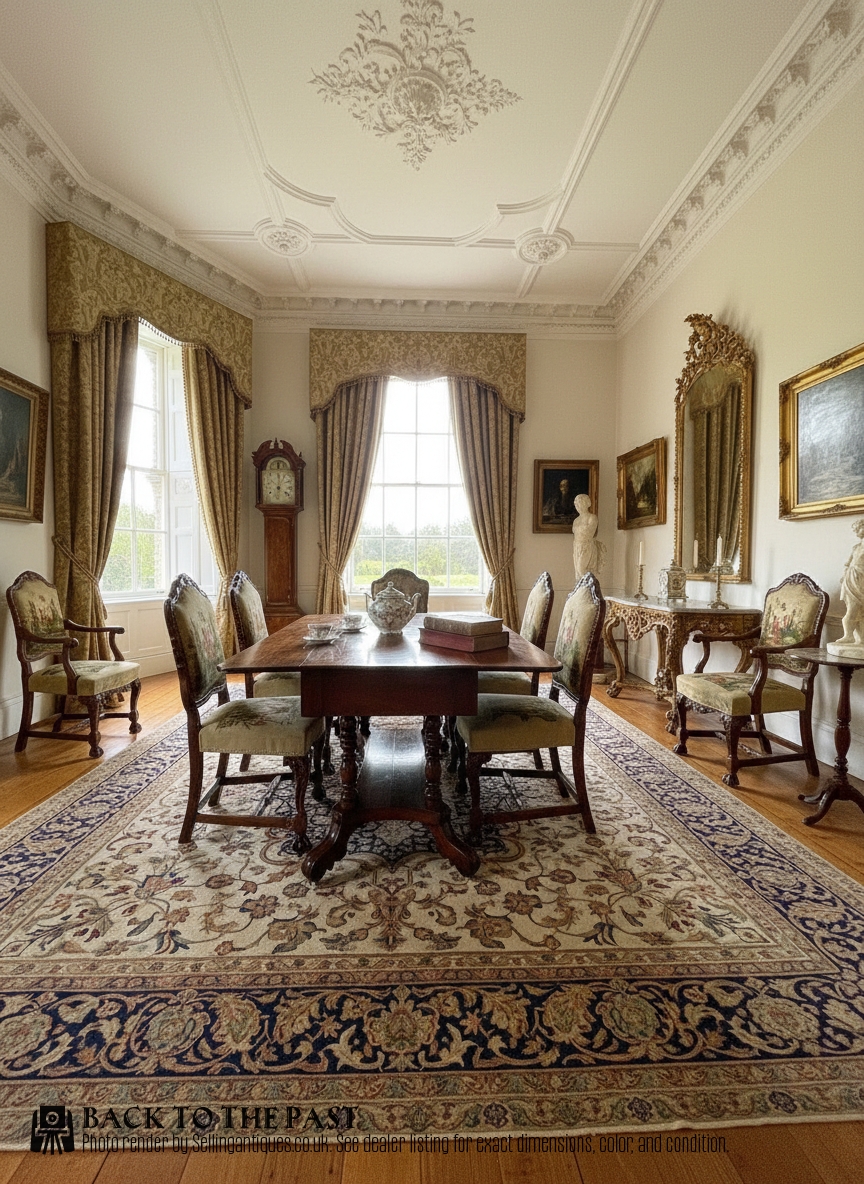
Cabinet makers utilised dense timbers including mahogany, walnut, burr walnut, and birds eye maple to construct these tables, frequently incorporating marquetry inlay and brass details. Surfaces display rich wood grain patterns, particularly on burr wood and marquetry examples which require precise veneer work.
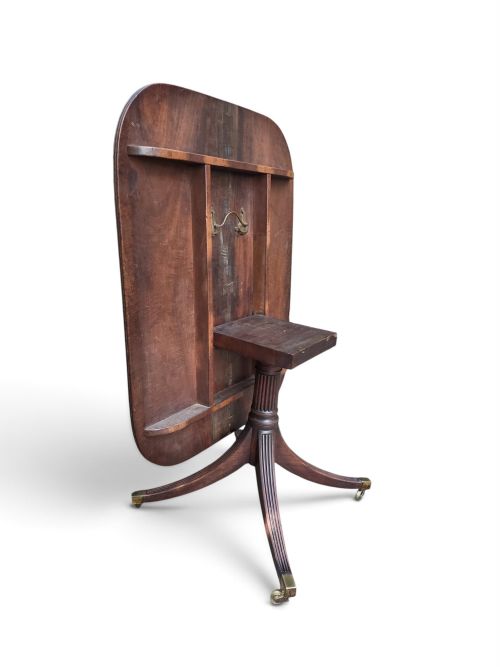
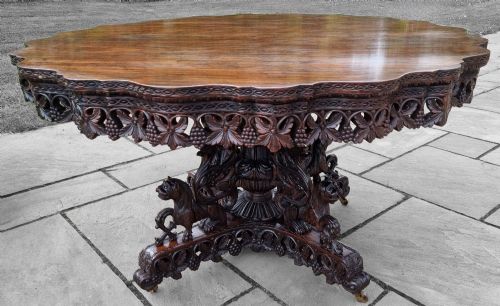
Structural support is provided by carved wooden pedestals that often feature detailed carving or gilding, while extending versions incorporate mechanical leaves to expand the surface area. Selected pieces combine timber with leather inserts or tilting mechanisms for versatility.
Retail Price Guide 2026
Typical UK retail prices for pedestal base dining table, calculated from the Sellingantiques database of over a million retail prices indexed since 2003. This retail price guide relies exclusively on Sellingantiques data; no external sources or auction records are used, so the figures do not describe the wider market.
Materials documented across the collection include mahogany, burr walnut, birds eye maple, brass, and marquetry inlay.
Judgments of quality and execution
Quality in a pedestal base dining table rests upon the selection of timber veneers, such as burr walnut or birds eye maple, and the crispness of any carved decoration on the central column. Superior examples display balanced proportions between the top and the supporting base, ensuring stability even when fully extended.
The refinement of the joinery and the integration of extending mechanisms or tilt-top actions differentiate standard production from master craftsmanship. Subtle details like marquetry inlay and gilded highlights elevate the visual weight of the piece.
The Pedestal Base Dining Table Glossary
- Pedestal base
- A central column or pillar that supports the weight of the table top, replacing traditional four-corner legs to maximise legroom. This design underpins the entire selection.
- Burr walnut
- A highly figured timber veneer taken from the growth growths of a walnut tree, prized for its complex swirling patterns. It appears frequently in twentieth-century examples.
- Marquetry inlay
- Decorative patterns created by fitting small pieces of contrasting veneer into a prepared wood surface. This technique decorates the top of finer tables.
- Drop leaf
- A table top design featuring hinged flaps that fold down to reduce the footprint when not in use. This mechanism offers flexibility in smaller spaces.
Frequently Asked Questions
How do I seat guests comfortably?
The absence of corner legs on a pedestal base dining table allows chairs to be positioned freely around the entire circumference. This makes fitting additional diners straightforward.
Extending versions provide extra surface length when needed, accommodating larger parties without restricting legroom.
What is a tilt-top mechanism?
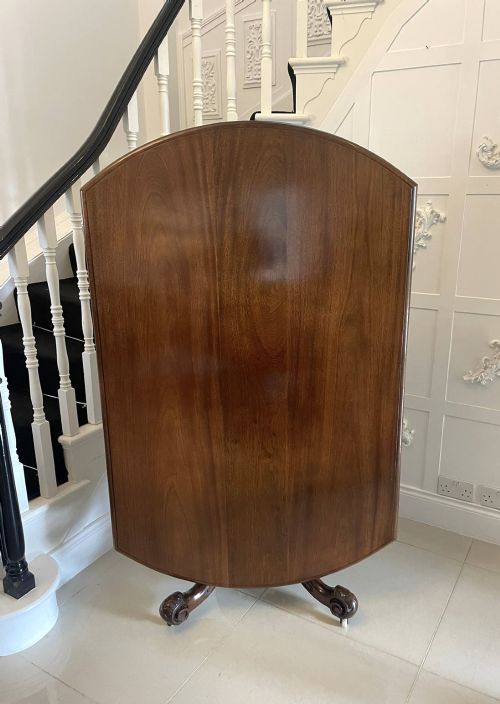
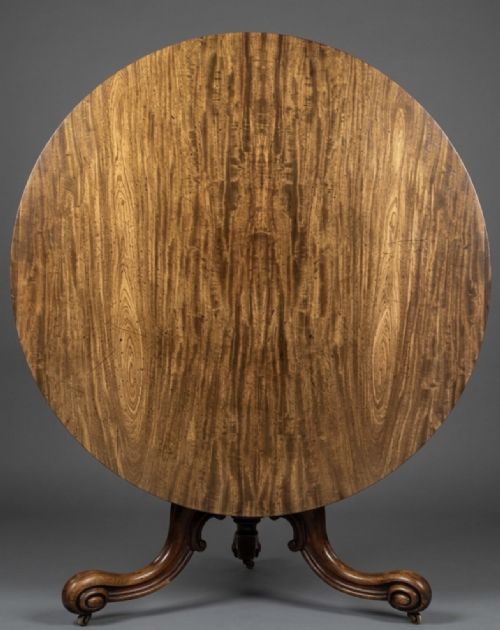
A tilt-top mechanism allows the main surface of the table to pivot ninety degrees into a vertical position. This historical feature enabled tables to be stored flat against a wall when not in use.
Today, it demonstrates the ingenuity of nineteenth-century cabinet makers and offers an interesting architectural silhouette.
How do I identify the period?
Dating relies on observing the combination of timber selection, decorative style, and structural hardware. Regency pieces often feature rich mahogany with classical lines, while nineteen thirties examples lean towards Art Deco forms and exotic veneers like birds eye maple.
Comparing the carving style on the central pedestal against known period motifs provides further confirmation.
Are these tables suitable for modern homes?
These tables adapt well to contemporary interiors due to their sculptural central columns and varied footprint sizes. Circular and oval formats soften angular dining spaces.
Extending and drop leaf variants offer practical day-to-day proportions that expand for hosting.