


Edwardian Extendable Table
An edwardian extendable table offers generous surface space for dining, uniting period craftsmanship with practical mechanics.
Edwardian Extendable Table
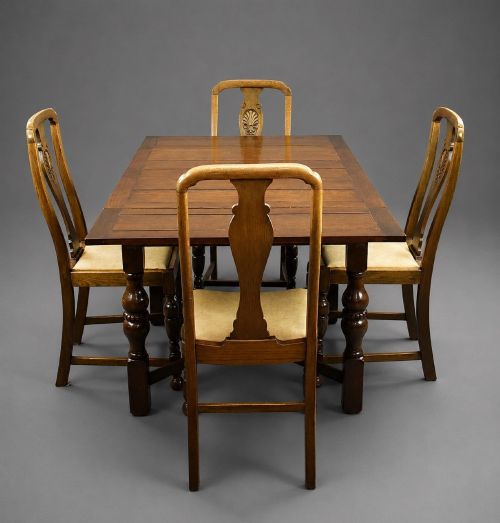
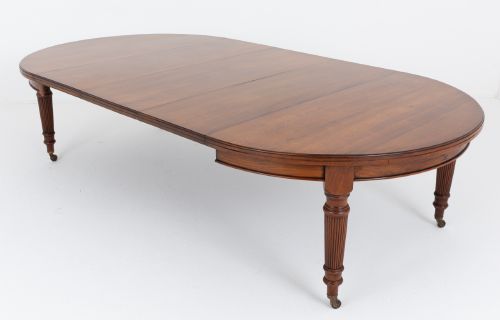
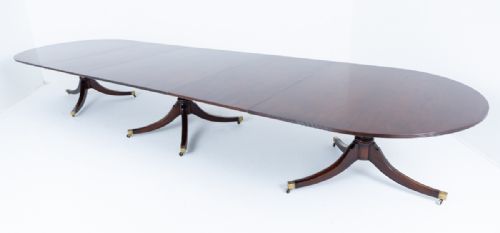
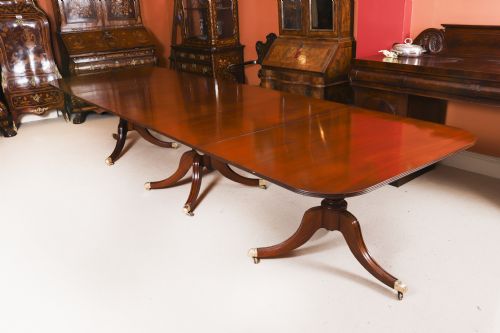
When searching for an edwardian extendable table, you encounter practical dining furniture designed to accommodate gatherings of varying sizes. These tables appear predominantly in mahogany and oak, reflecting the prevailing preferences of their period.
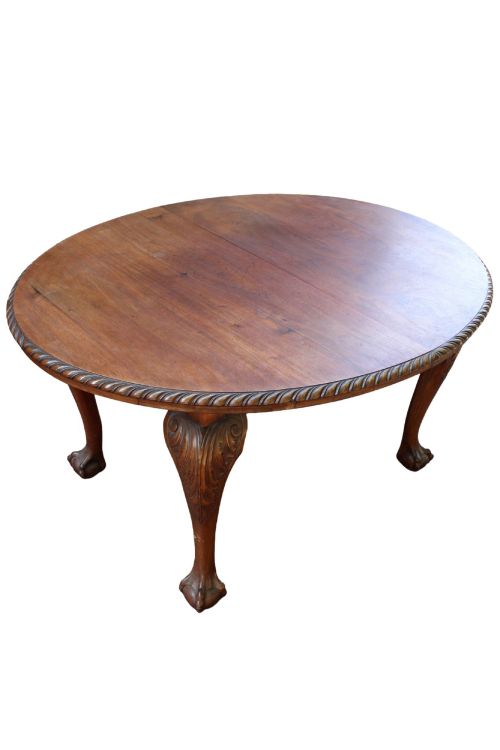
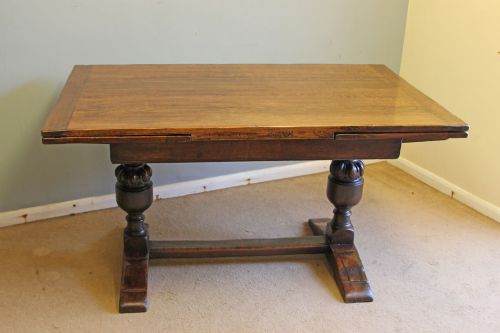
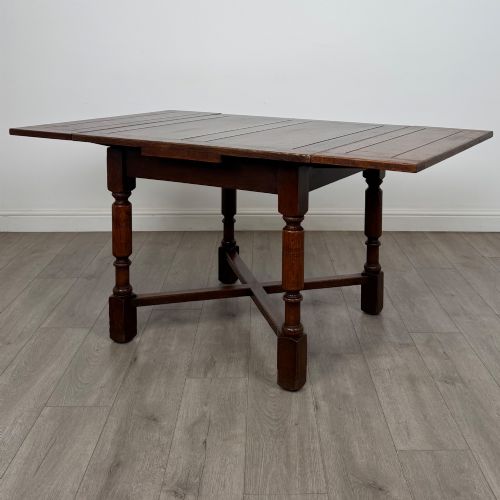
The selection ranges from traditional wind out mechanisms to draw leaf and drop leaf formats. Many examples show stylistic revivals, including Georgian, Chippendale, and Jacobean influences, alongside Arts and Crafts designs.
Most pieces date from the early twentieth century and the Edwardian era, though related examples span the nineteenth century through to the nineteen twenties.
How they were made
Cabinet makers utilised dense hardwoods such as mahogany and oak to construct the frames and leaves of these tables. Satinwood inlay and burr walnut veneer often provide decorative contrast on tabletop surfaces.
Mechanical components incorporate brass fittings and winding mechanisms to facilitate smooth extension. Supporting structures frequently employ turned legs, gateleg actions, or pillar and pedestal bases.
Listings feature woods including mahogany, oak, walnut, burr walnut, and satinwood, alongside brass hardware and upholstery.
What varies in quality
The calibre of timber selection and the precision of the extending mechanism define the distinction between standard and superior pieces. Finer examples display meticulous grain matching across multiple leaves and robust internal runners.
Stylistic execution also dictates quality, with refined carving, well-executed inlay work, and robust pedestal or pillar supports indicating superior workshop production.
Whytock and Reid·Maple and Co·Waring and Gillow
The Edwardian Extendable Table Glossary
- Draw leaf
- A table design where extension leaves slide out from beneath the main top. This mechanism allows the surface area to expand without removing separate boards.
- Wind out
- A mechanical system utilising a crank handle to separate table halves and insert additional leaves. It allows precise adjustment for varying numbers of diners.
- Gateleg
- A table with hinged legs that swing outward to support folding flaps. This construction provides a compact footprint when closed.
- Refectory
- A long, narrow table style traditionally used in communal dining. Edwardian interpretations frequently incorporate oak construction and stretchers.
- D-End
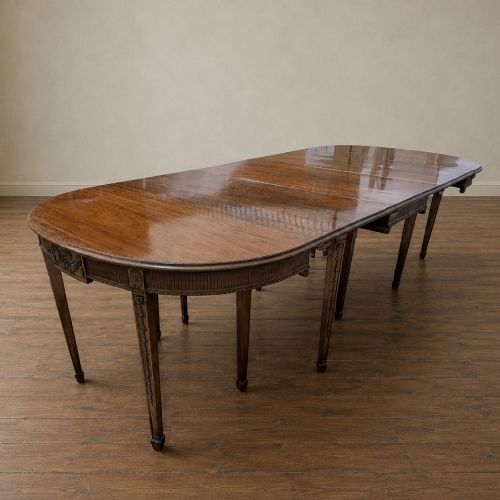
- A dining table format featuring semicircular ends when closed. Separate leaves insert into the centre to create a long rectangular surface.
Edwardian Extendable Table: Frequently Asked Questions
How do wind out tables operate?
A detachable metal handle inserts into a socket beneath the rim. Turning this handle rotates internal threaded metal rods that push the table halves apart.
Additional wooden leaves are then dropped into the central gap and secured in place as the mechanism is tightened.
What is a draw leaf table?
Draw leaf tables feature two auxiliary leaves stored beneath the main surface. To extend the table, you pull these leaves outward from the ends.
They automatically rise into alignment with the central top, providing quick expansion without separate storage boards.
How do I care for mahogany surfaces?
Maintain mahogany timber by dusting regularly with a dry, soft cloth. Avoid placing tables near direct heat sources or strong sunlight to prevent timber splitting and fading.
Apply quality beeswax periodically to nourish the grain and preserve the polished finish.
Are these tables suitable for daily use?
Solid hardwood construction and sturdy mechanical runners make these tables durable for everyday dining. Using heat mats and tablecloths protects the polish from moisture and thermal damage.
Regularly check and lubricate internal extension mechanisms to ensure smooth operation.