

Vintage Extended Table
A vintage extended table offers the adaptability needed for large gatherings without sacrificing period character.
Vintage Extended Table
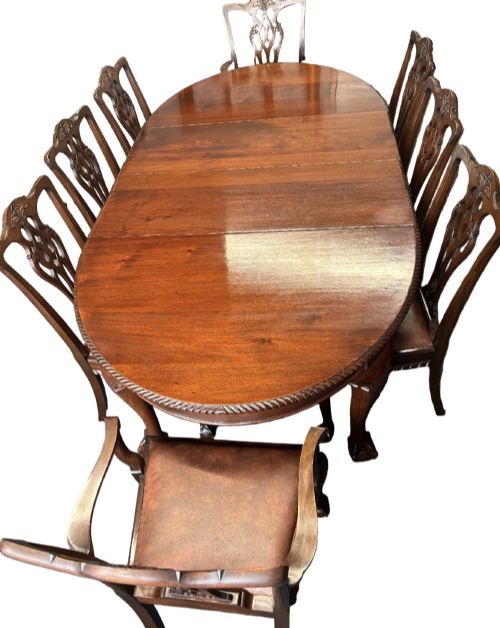
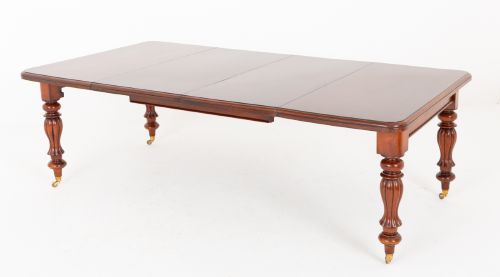
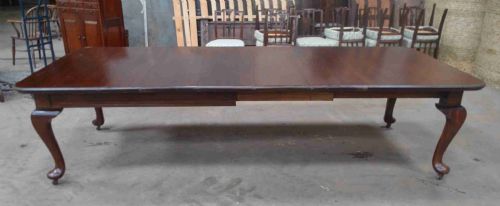
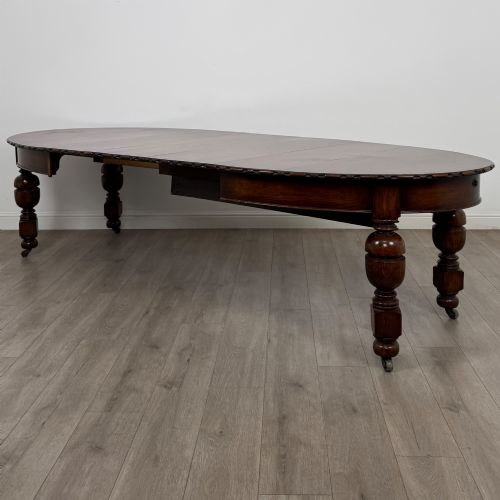
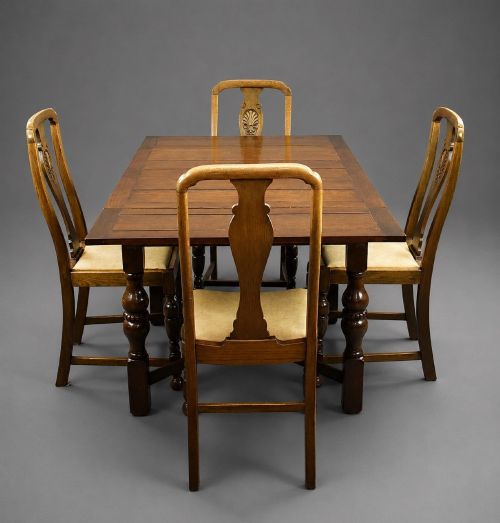
A vintage extended table serves dining rooms where capacity needs to expand for guests and retract for daily space. The selections here span the nineteenth and twentieth centuries, encompassing periods from the Victorian and Edwardian eras up to the nineteen-thirties.
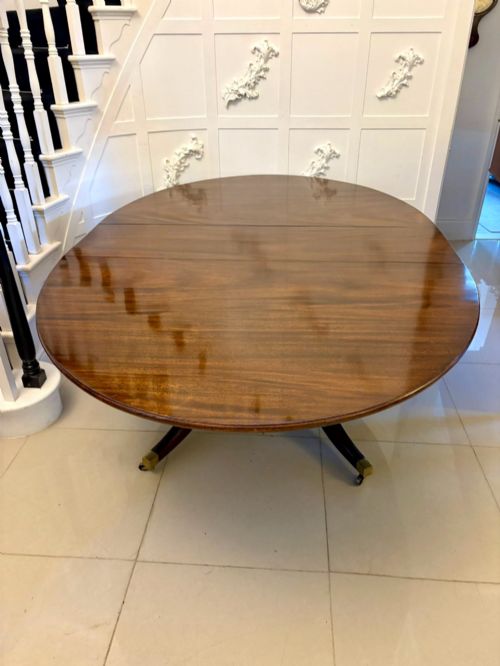
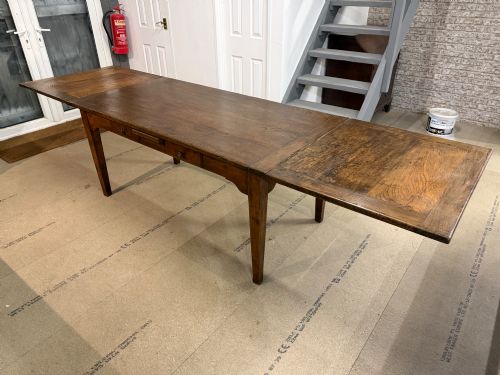
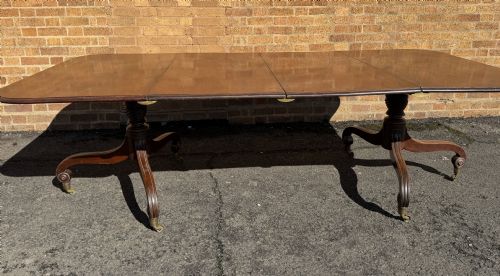
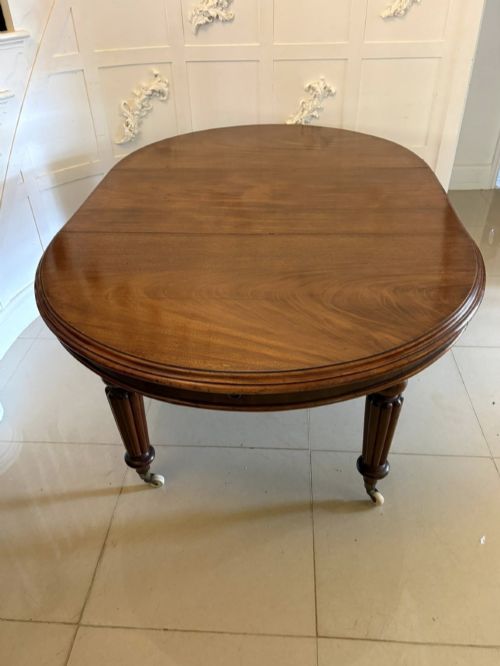
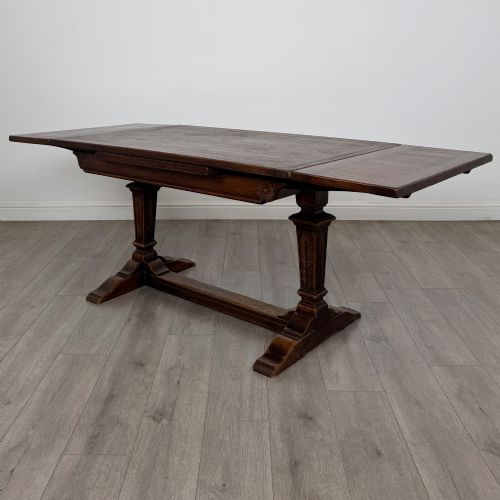
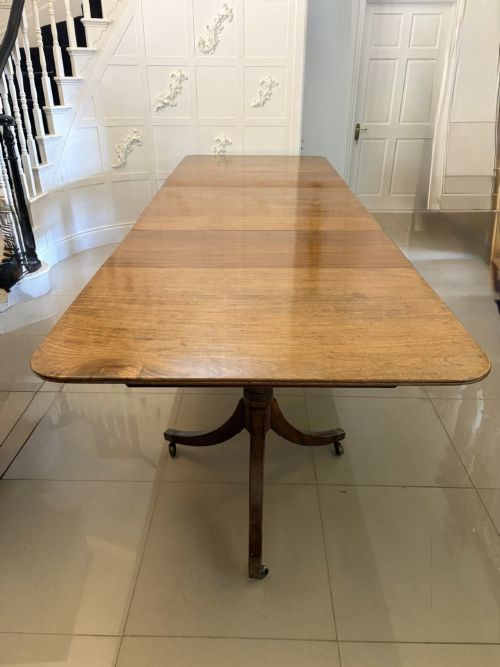
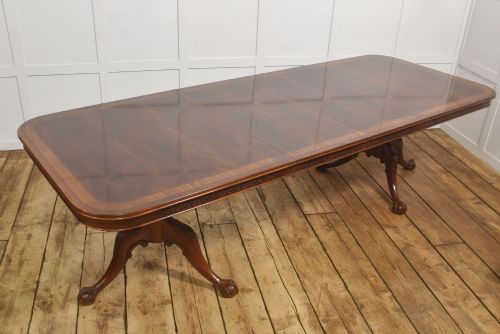
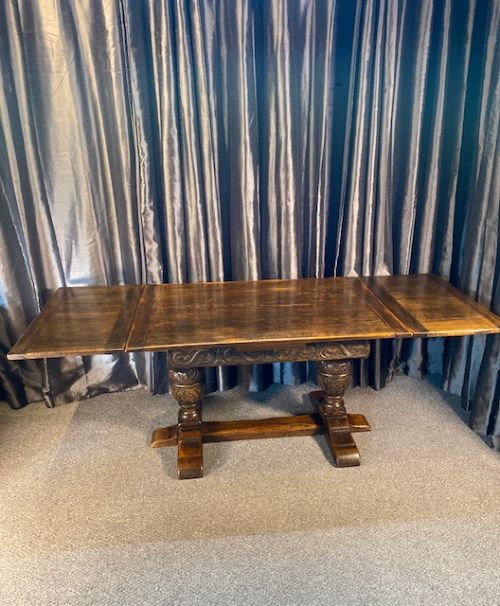
Buyers encounter two primary structural forms across these listings: pedestal tables that accept drop-in leaves and draw-leaf tables where leaves pull out from beneath the main top. Mahogany and oak dominate the material palette, supported by walnut and occasional rosewood.
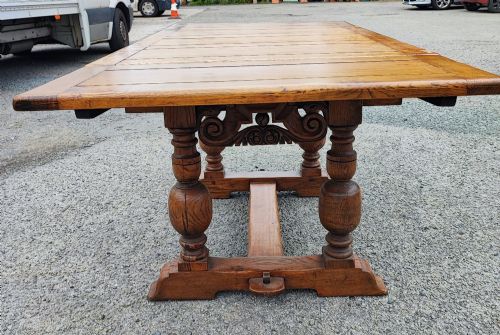
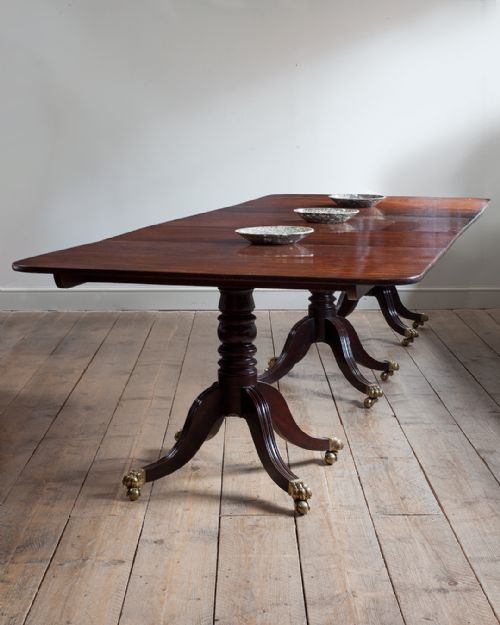
The style lineage draws heavily on Georgian and Regency proportions, alongside revival movements referencing Elizabethan, Jacobean, and Chippendale designs. These pieces range from compact farmhouse refectory tables to grand twelve-seater dining tables with multiple pedestals.
Materials and construction methods
Makers utilised solid timbers and selected veneers, applying mahogany for formal dining pieces and robust oak for refectory or draw-leaf formats. Brass mechanism components, including wind-out screws and castors, facilitate the smooth movement of heavy timber sections.
Joinery techniques rely on traditional draw-leaf runners, sliding frames, and drop-in leaf pins that maintain stability when the table stretches to its full capacity. Secondary woods support internal framing, while surface finishes involve hand-polished wax or French polish over figured mahogany and burr walnut.
Among the timber dining furniture sits a silver plate serving dish stand, proving that extension mechanisms apply to more than just legs and leaves.
Factors determining quality
The distinction between standard workshop output and superior cabinet-making rests in the precision of the extension mechanism and the uniformity of the timber grain. Tables featuring matched mahogany leaves or intricate parquetry display higher craftsmanship than utilitarian equivalents.
Structural integrity relies on the retention of original winding handles, stable pedestals, and smooth leaf alignment. Pieces bearing maker attribution or incorporating finely cast brass hardware command greater appreciation among collectors.
Maple and Co·Christofle
The Vintage Extended Table Glossary
- Draw-leaf
- A table with self-contained leaves stored beneath the main surface that pull out to extend the length.
- Wind-out
- A mechanical system utilising a crank handle to expand the frame and insert central leaves.
- Pedestal table
- A table supported by one or more central columns standing on a tripod or platform base rather than four corner legs.
- Refectory table
- A long, narrow dining table traditionally used in communal halls and sturdy in construction.
- Parquetry
- Geometric patterns constructed from inlaid wood veneers, often seen on tabletops from the nineteen-thirties.
Vintage Extended Table: Frequently Asked Questions
How do draw-leaf tables work?
Draw-leaf tables use an under-tier system where two matching leaves rest beneath the main top. When pulled, the main surface rises slightly as the extension panels slide outward into place.
This mechanism allows a single person to alter the table length without removing separate leaves for storage elsewhere.
What is a wind-out mechanism?
A wind-out mechanism employs a threaded metal screw turned by a removable handle to pull the table halves apart. This reveals gaps where extra timber leaves drop into place.
Victorian and Edwardian dining tables frequently utilise this system to support multiple heavy leaves smoothly.
Are pedestal tables stable when extended?
Multi-pillar pedestal tables distribute weight across heavy tripod or platform bases designed to bear extra loads. Quality examples balance the central columns to prevent tipping when the table is fully stretched.
Triple-pillar formats offer specific structural support for tables accommodating ten to fourteen diners.
How do I care for antique wood surfaces?
Antique mahogany and oak require regular treatment with natural beeswax to maintain the sheen and protect the grain. Avoid placing untreated timber near direct heat sources or moisture.
Using felt pads beneath serving dishes prevents heat rings and surface marks on polished French polish.