
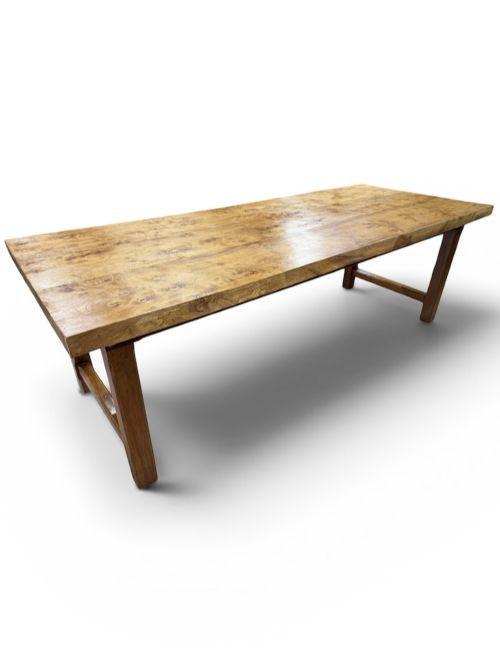
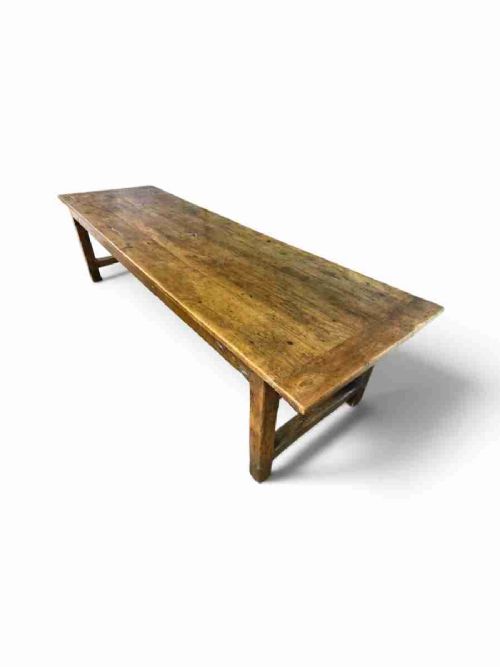
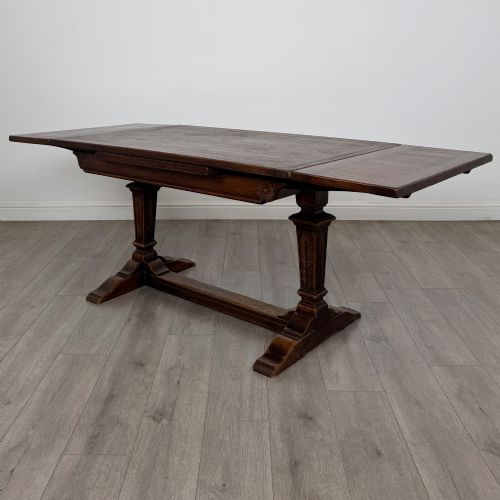
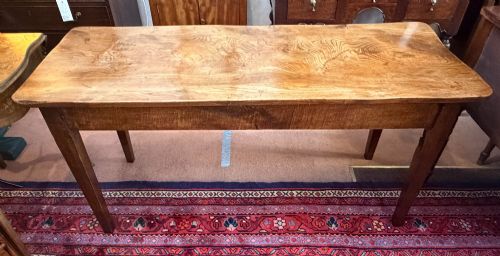


Traditional Wooden Dining Table
A traditional wooden dining table grounds a room with substance, offering a solid surface built to gather family and friends for decades.
Traditional Wooden Dining Table
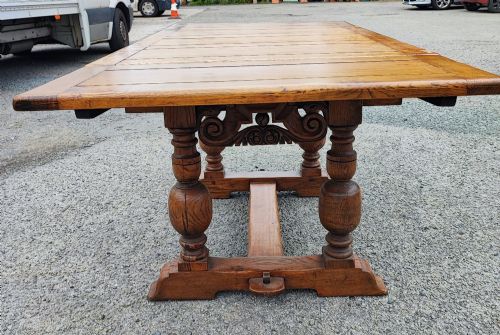
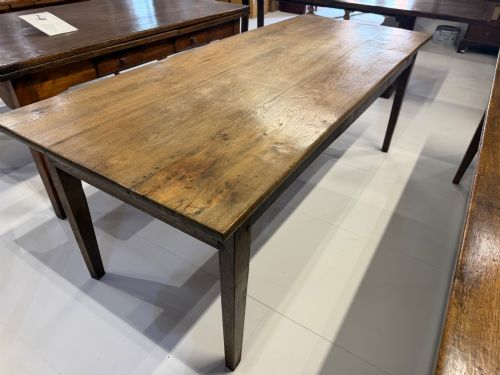
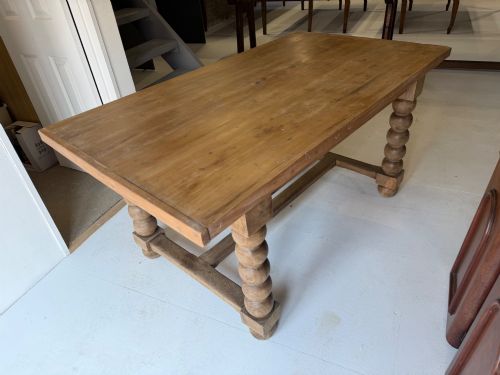
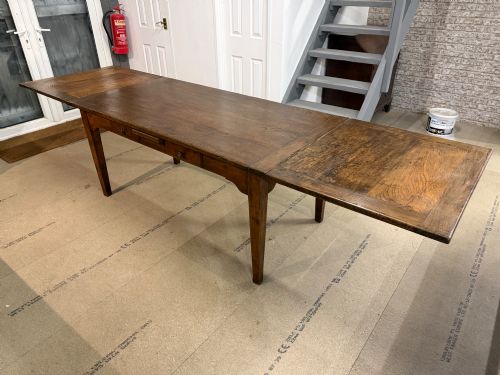
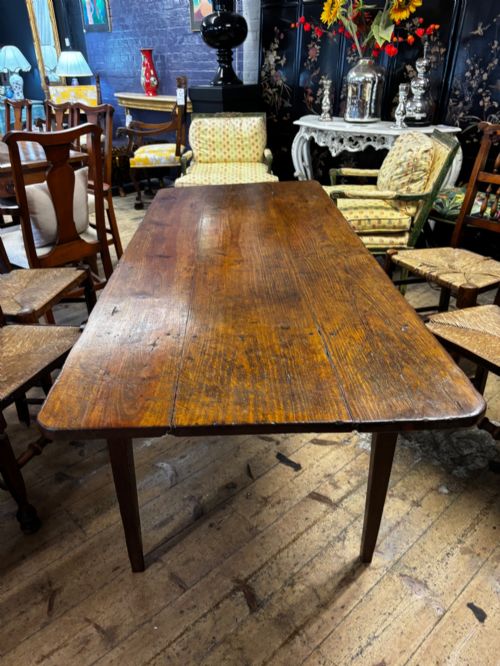
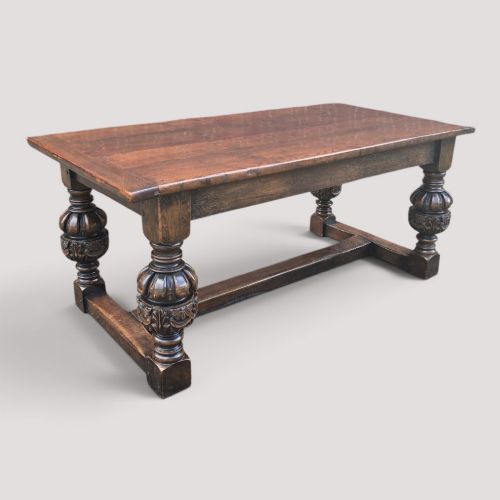
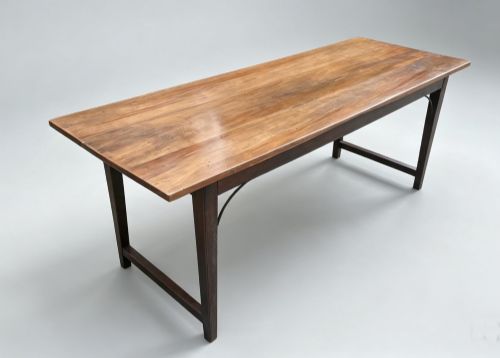
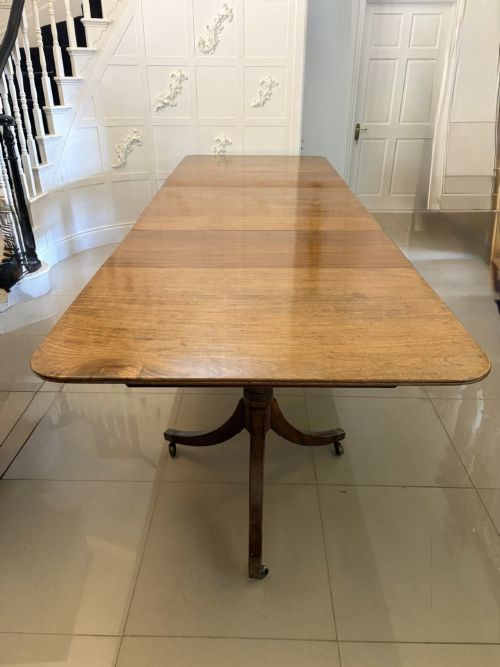
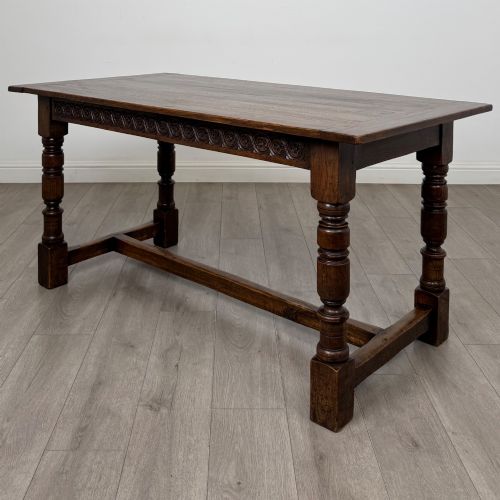
A traditional wooden dining table brings together a range of historic forms designed for daily communal meals and gatherings. When searching for a traditional wooden dining table, buyers encounter formats spanning oak refectories, extending pillar designs, and rustic farmhouse tables.
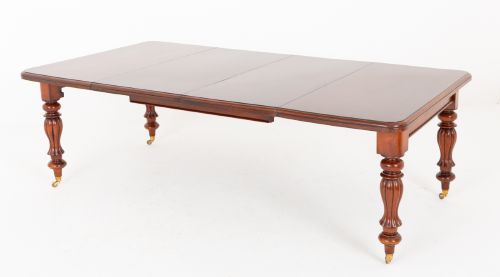
The pieces listed here date from the eighteenth century through the Edwardian era and into the early twentieth century. Oak and mahogany appear most frequently, shaped into refectory, draw-leaf, and gateleg formats suited for everyday dining.
Farmhouse and refectory styles dominate the selection, often featuring sturdy trestle ends, tapered legs, or double extending mechanisms. Alongside these, large mahogany pillar tables and walnut wake tables provide ample seating for twelve or more diners.
Materials and Construction
Cabinetmakers built these tables using durable timbers such as oak, mahogany, walnut, pine, fruitwood, and beech. Solid planks formed the heavy tops of refectory and farmhouse pieces, while figured veneers highlighted the surfaces of grander mahogany and walnut extending tables.
Joinery methods prioritized strength, utilising pegged mortise and tenon joints for heavy oak frames and sophisticated pillar mechanisms for mahogany dining tables. Secondary woods like pine appeared in framing, and finishes relied on traditional wax, polish, or painted treatments.
Traditional Wooden Dining Table Retail Price Guide 2026
Typical asking prices for traditional wooden dining table among the pieces listed under this phrase on Sellingantiques today, from the lower quarter to the upper quarter. They describe what is for sale here now, not the wider market.
Factors of Quality
The calibre of a table depends on the selection of timber and the integrity of its structural framing. Dense, well-figured grain in oak or mahogany indicates superior material choice, while tight joinery ensures the piece remains stable during extension.
Proportion and execution of carved details also distinguish finer examples. Tables with balanced trestle ends, smooth-running draw-leaf mechanisms, and original brass or timber components represent the upper tier of craftsmanship.
The Traditional Wooden Dining Table Glossary
- Refectory table
- A long, narrow dining table originally used in monasteries and great halls. These pieces typically feature substantial wooden legs connected by low stretchers for stability.
- Draw-leaf table
- An extending table equipped with two sliding leaves stored beneath the main top. Pulling the main top upward allows the leaves to drop flush into place, lengthening the surface.
- Gateleg table
- A drop-leaf table with hinged flaps supported by hinged legs that swing outward like a gate. This design allows the table to fold down into a compact footprint when not in use.
- Wake table
- A large oval or rectangular table designed with extra drop leaves and additional legs to accommodate large gatherings. They gained popularity for wakes, feasts, and community meals.
- Trestle ends
- Support structures consisting of vertical posts attached to horizontal feet at the base. They distribute weight evenly and offer ample legroom along the length of the table.
Traditional Wooden Dining Table: Frequently Asked Questions
How do I seat more guests?
Many traditional tables feature extending mechanisms such as draw leaves, extra drop-in leaves, or gateleg actions. These allow the surface area to expand when hosting large groups and contract for daily use.
Matching benches or additional chairs often accompany these larger formats, providing cohesive seating arrangements for twelve or more diners.
Where did farmhouse tables originate?
Farmhouse tables developed as utilitarian work surfaces in large country kitchens and rural dwellings. Carpenters built them from accessible local timbers like oak, pine, and fruitwood to withstand heavy daily use.
Over time, these robust pieces transitioned into domestic dining rooms, valued for their warm patinated surfaces and honest construction.
How do I care for wood?
Traditional wooden surfaces benefit from regular dusting with a soft cloth and occasional application of quality beeswax to nourish the timber. Avoiding direct sunlight and extreme heat prevents the wood from drying out or splitting.
Using mats under hot dishes and wiping up spills promptly protects the historic finish from water marks and staining.