


Large Breakfast Table
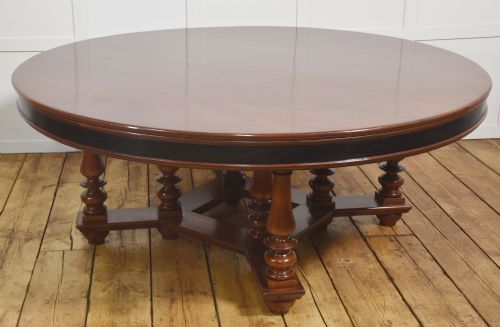
A large antique breakfast table is a substantial pedestal dining piece built to seat several guests in comfort.
Large Breakfast Table
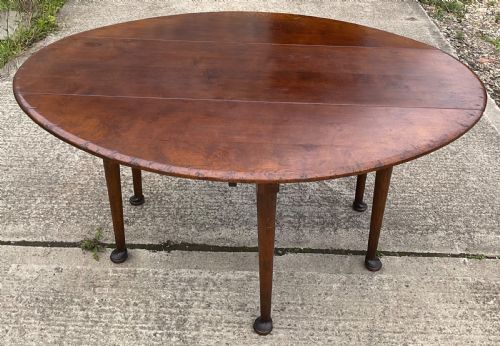
A large antique breakfast table is a substantial pedestal dining piece designed to gather company in the morning or evening. When you search this phrase, you meet circular, oval, and drop-leaf forms that date primarily from the eighteenth and nineteenth centuries.
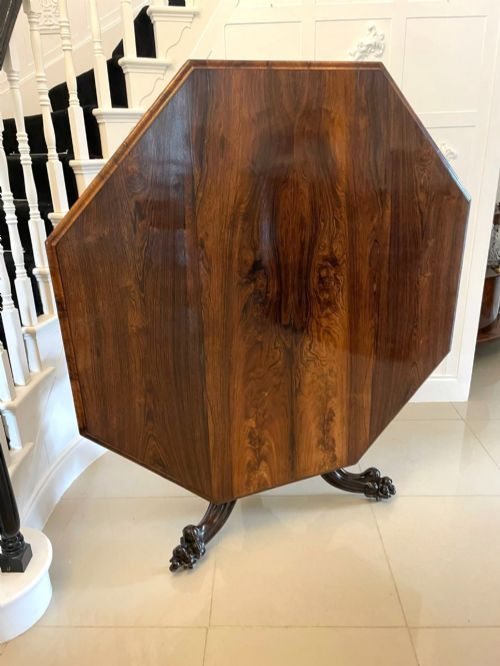
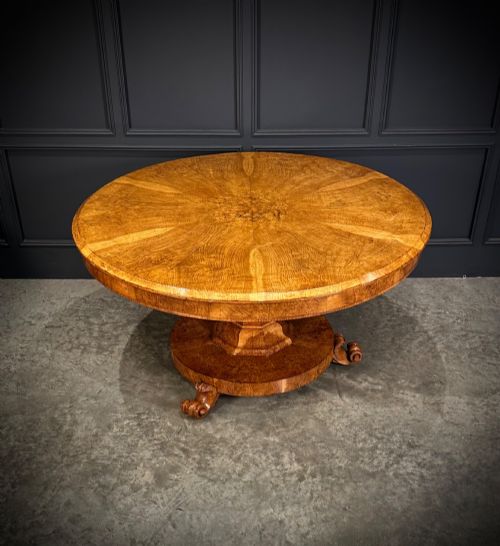
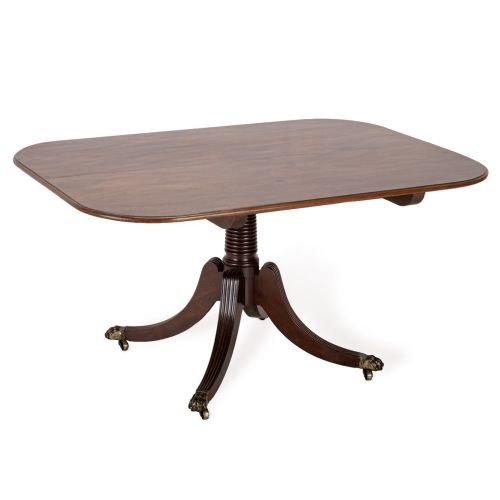
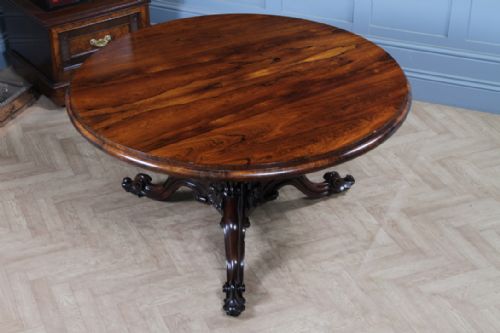
The pieces on this page span Georgian, Regency, William IV, and Victorian periods, with mahogany and rosewood dominating the timber choices. Most examples rely on a central pedestal base, occasionally featuring a tilt-top mechanism to save space when not in use.
Makers and workshops constructed these tables to serve multiple functions in large townhouses and country estates, moving easily between dining, centre table duties, and supper gatherings.
How they were made
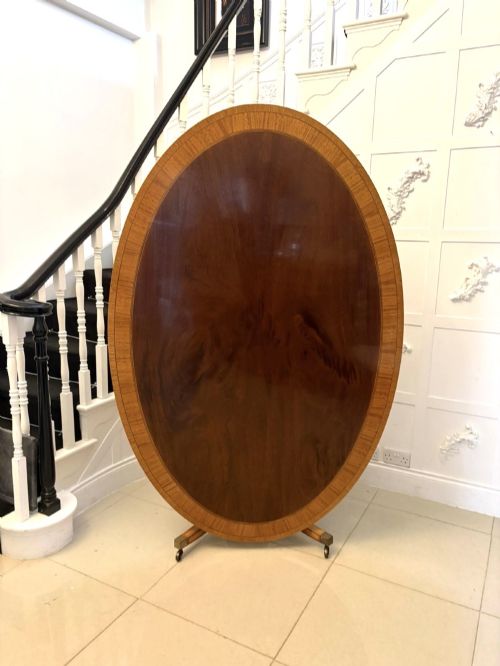
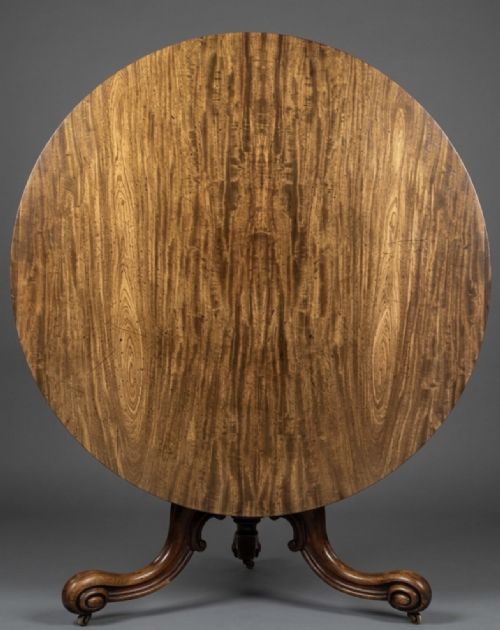
Cabinetmakers constructed these tables using solid hardwoods such as mahogany and oak for structural stability, often applying figured mahogany, rosewood, or pollard oak veneers to the top surfaces to showcase rich grain patterns. Crossbanding in satinwood and decorative stringing provided contrast along the table edges.
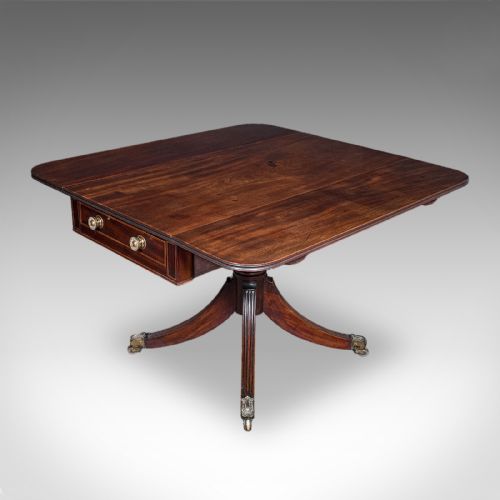
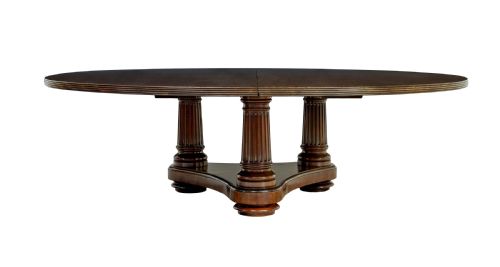
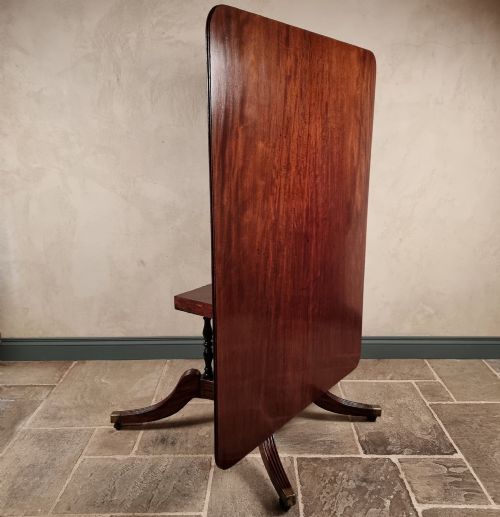
Joiners relied on heavy central pedestal columns supported by robust tripod or quadruped platform bases, frequently fitted with brass castors to allow movement across heavy carpets. Tilt-top designs required precise hinge mechanisms and brass catch hardware to lock the heavy timber top securely in place.
Some tables double as card tables for nineteenth-century loo, proving our ancestors took their evening gaming very seriously.
What varies in quality
Quality rests in the choice of timber and the precision of the cabinetwork. The finest examples display highly figured flame mahogany or burr walnut veneers matched symmetrically across the expanse of the top, whereas utilitarian pieces use plain timber boards.
The engineering of the pedestal and tilt mechanism separates standard production from superior workshops. Heavy, stable pillar supports with finely carved paw feet or robust brass castors indicate a higher standard of original manufacture.
Gillows
The Large Breakfast Table Glossary
- Tilt-top
- A hinged table top that pivots vertically so the piece can stand flat against a wall when not in use. This mechanism allowed large tables to clear floor space in principal rooms.
- Pedestal
- A single central pillar supporting the main weight of the table top above a stable foot. It replaced traditional four-legged designs to give diners more legroom.
- Crossbanding
- A border of veneer laid around the perimeter of a table top with the grain running perpendicular to the centre panel. It creates a neat framing effect on Regency and Victorian surfaces.
- Pollard oak
- Timber taken from trees that were pollarded, resulting in a gnarled, highly textured grain full of dense knots. Cabinetmakers prized this wood for decorative table surfaces.
- Loo table
- A nineteenth-century card and social table large enough to accommodate multiple players for the game of loo. These round or oval tables often share the same tilt-top pedestal format as breakfast tables.
Large Breakfast Table: Frequently Asked Questions
How many people do they seat?
These large tables typically accommodate between six and eight diners comfortably around a circular or oval top.
The generous proportions of the pedestal bases ensure that guests have ample legroom without obstructive corner legs.
What is a tilt-top mechanism?
A tilt-top mechanism uses a hinged block beneath the table surface allowing the entire top to pivot upright.
This practical feature enabled owners to store large tables against room perimeters when the dining room needed to double as a dance floor or sitting room.
How do I identify Regency pieces?
Regency tables often feature bold mahogany veneers, brass inlaid details, and heavy pillar supports resting on platform bases with brass paw castors.
The style leans toward classical restraint, drawing inspiration from ancient Roman and Greek furniture forms.
Where should I place one?
These pieces suit large dining rooms or central entrance halls where a statement table can be appreciated from all sides.
Ensure there is enough surrounding clearance for chairs to pull out easily if you intend to use the table for everyday dining.