


Nineteenth Century Painted Table
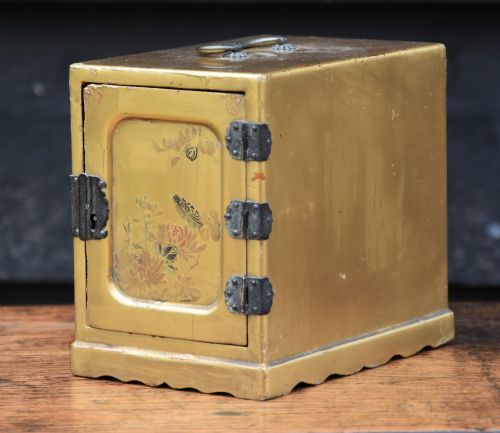
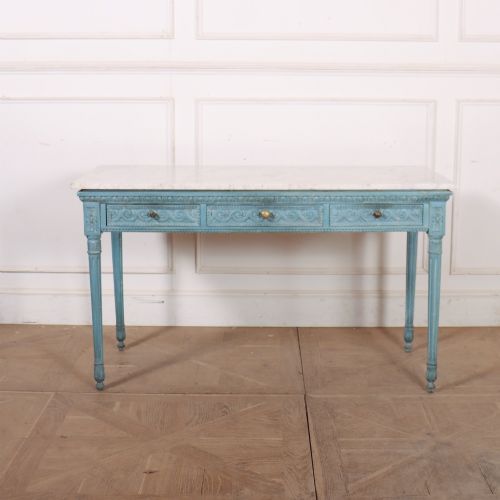
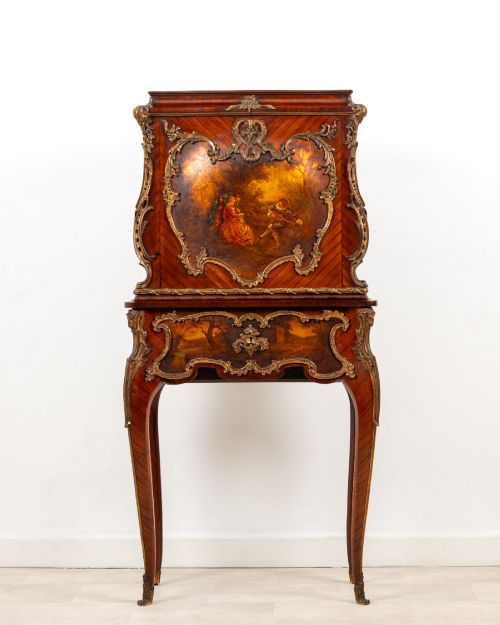
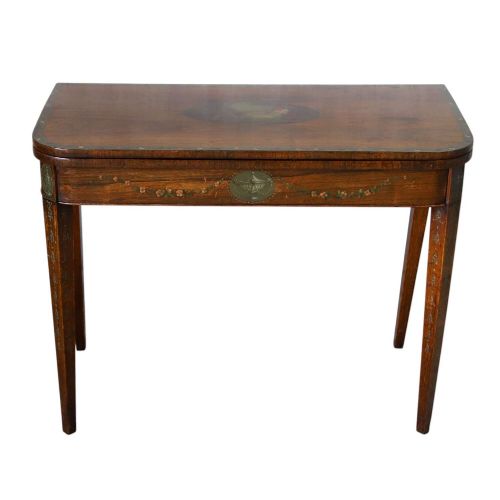
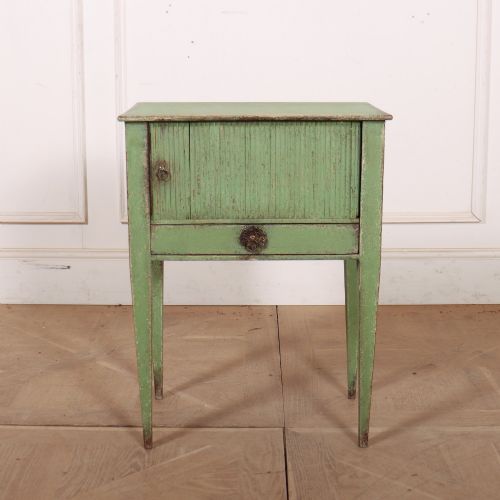
A nineteenth century painted table brings surface pattern and historical colour into a room, offering functional use alongside decorative hand-painted or stencilled detail.
Nineteenth Century Painted Table
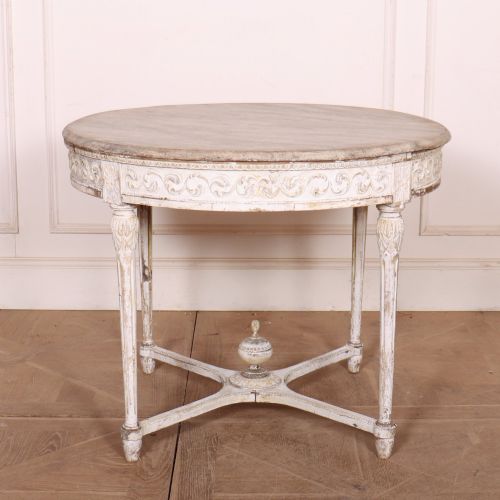
When you search for a nineteenth century painted table, you encounter various forms originating from diverse European traditions, including occasional tables, console tables, coffee tables, and lamp tables. These pieces span the Victorian period as well as earlier decades, reflecting the shifting domestic tastes of the eighteen-hundreds.
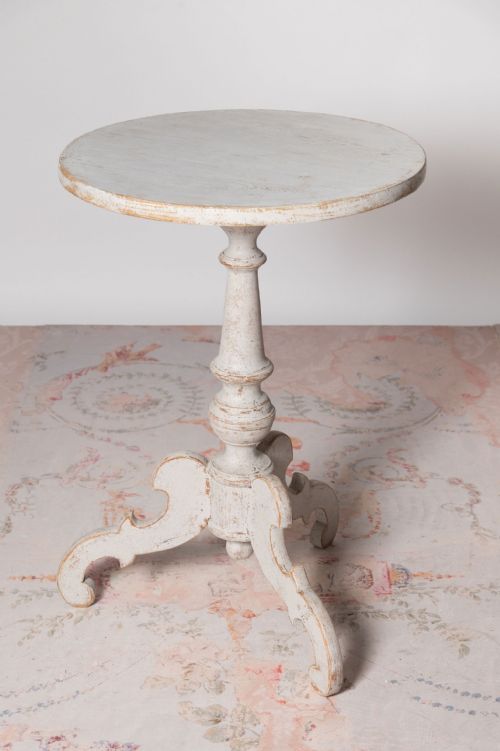
The selection on this page most frequently presents items associated with Swedish design, such as drop-leaf tables or side tables finished with regional paints, alongside English and Italian variants. These domestic furnishings served practical roles in sitting rooms, hallways, and bedchambers, often combining structural utility with ornamental surface decoration.
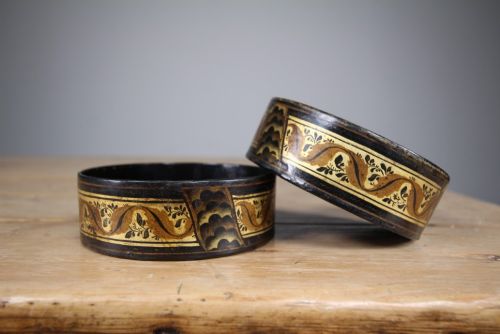
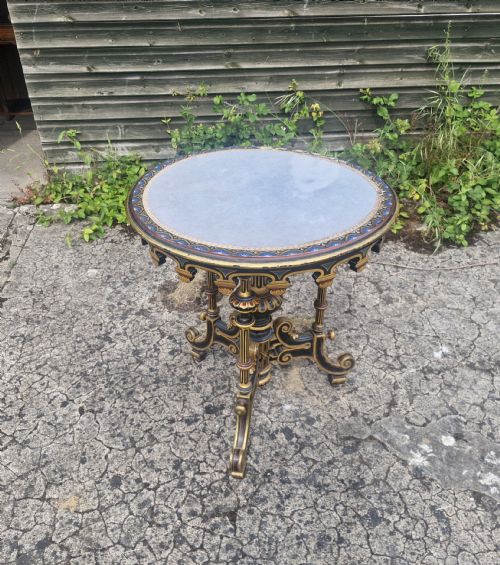
Makers and makers' workshops employed distinct regional palettes and finishes, ranging from simple pine treated with Falu paint to more elaborate Italian polychrome schemes and Chinoiserie lacquer work. Understanding these origins allows you to place a specific nineteenth century painted table within its correct geographical and stylistic context.
How They Were Made
Carpenters constructed these tables using native timbers such as pine, satin birch, and assorted hardwoods, frequently employing traditional joinery methods suited to each regional workshop. Surfaces were then prepared to receive decorative treatments, which included layers of paint, stencilling, or lacquer.
Many examples incorporate hand-painted floral or figural motifs directly onto the wood, sometimes protected with a clear finish or varnish. In certain cases, decorative paper or decalcomania techniques were applied to tabletops and subsequently sealed, mirroring the popular decorative arts of the period.
Listings feature nineteenth-century painted tables alongside related forms from the 1800s, 1860, 1870, 1880, 1890, and 1900 periods.
What Varies in Quality
The refinement of the hand-painted decoration largely distinguishes standard domestic furniture from finer examples, with delicate brushwork and nuanced polychrome palettes indicating superior artistry. Simpler utilitarian pieces, such as plain pine kitchen or drop-leaf tables, rely on the integrity of their timber and the honesty of their original surface coatings rather than intricate ornamentation.
The execution of the underlying carpentry and the preservation of the original paint layer significantly influence the overall integrity of a piece. Tables retaining their early or primary painted surfaces without excessive later overpainting command greater interest among collectors of period furniture.
Japy Freres·JP Delettrez·John Davenport of Longport·Sitzendorf·Samson
The Nineteenth Century Painted Table Glossary
- Falu paint
- A traditional Swedish matte red paint derived from copper mine waste, frequently utilised on pine furniture and vernacular woodwork. This mixture provided durable protection against harsh northern climates.
- Chinoiserie
- A European artistic style reflecting Chinese aesthetic influences, typically executed in lacquer with gilt motifs on black or coloured grounds. Artisans applied these designs to furniture, trays, and screens during the eighteenth and nineteenth centuries.
- Polychrome
- The practice of decorating architectural elements or furniture in a variety of colours. This decorative method creates vibrant surface patterns across Italian and continental occasional tables.
- Drop-leaf table
- A table with hinged flaps on either side that can be folded down to save space or raised and supported by swing legs. This practical form appeared frequently in nineteenth-century domestic settings.
- Occasional table
- A small, light table intended for sporadic use in a sitting room or parlour, such as for holding a lamp or books. These versatile forms were produced in numerous regional styles throughout the Victorian era.
Nineteenth Century Painted Table: Frequently Asked Questions
Where were these tables used?
These tables served primarily in domestic rooms such as parlours, drawing rooms, bedchambers, and hallways. They provided convenient surfaces for lamps, books, sewing equipment, or decorative ornaments.
Smaller occasional and lamp tables could be easily moved around the home to suit daily activities. Larger side and console tables remained fixed against walls to display decorative objects.
How do I care for painted surfaces?
Maintain painted and lacquered furniture by keeping it away from direct sunlight and steady sources of heat, which can cause timber to split and paint to flake. Dust gently with a dry, soft cloth rather than using liquid polishes.
Avoid placing damp items directly onto antique painted surfaces to prevent water staining and lifting of the historic finish. Professional restoration should be sought if the paint layer begins to detach from the wood.
What is Swedish Falu paint?
Falu paint is a traditional matte paint originating from the copper mines of Falun in Sweden. It consists of water, rye flour, linseed oil, and copper-rich tailings.
Historically utilised on timber buildings and vernacular furniture, it offers a distinct tactile finish and deep red hue. This durable coating remains a defining characteristic of specific regional Scandinavian pieces.
How are periods identified?
Periods are determined by examining the construction techniques, timber species, hardware, and stylistic traits inherent to the piece. Furniture from the Victorian era often displays different proportions and decorative motifs compared to earlier Regency or Georgian examples.
Comparing the painted decoration against documented design books and regional traditions helps narrow down the decade of manufacture. Original labels, stamps, or stamps by known makers also assist in precise dating.