

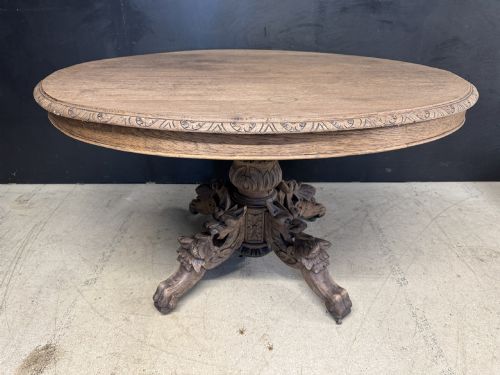


French Provincial Round Table
These french provincial round table examples bring warmth and robust utility to any room, offering the rustic charm of rural France.
French Provincial Round Table
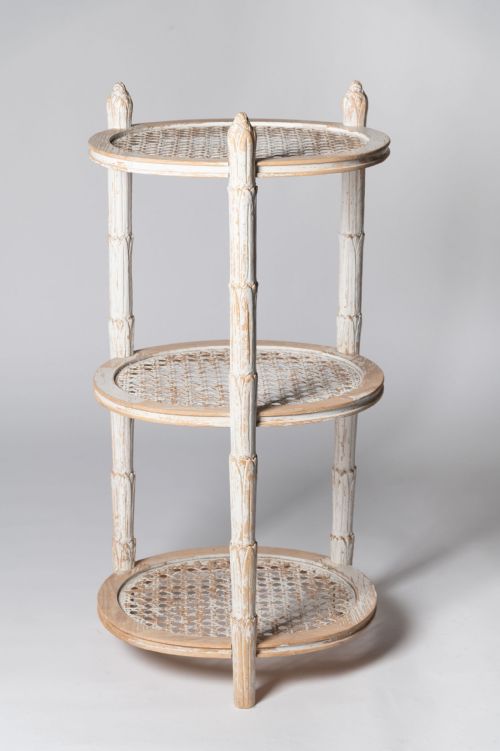
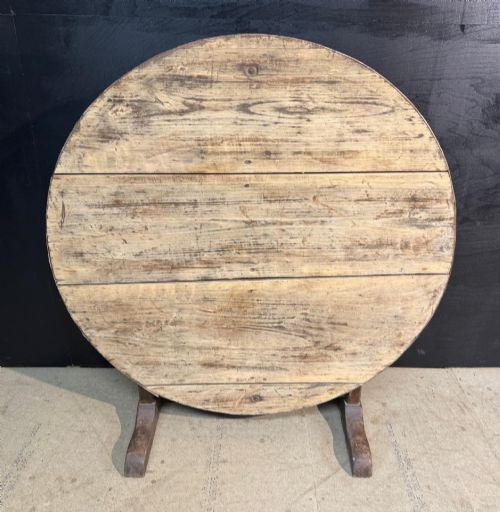
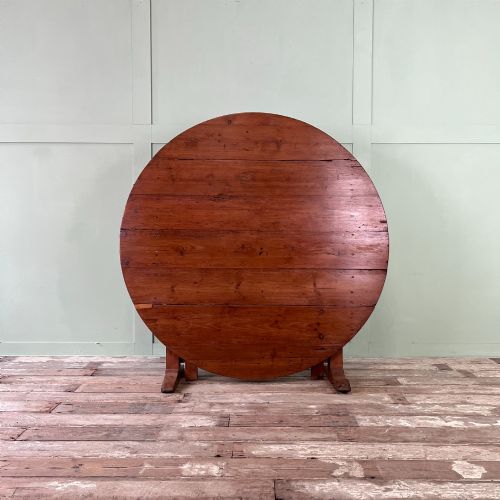
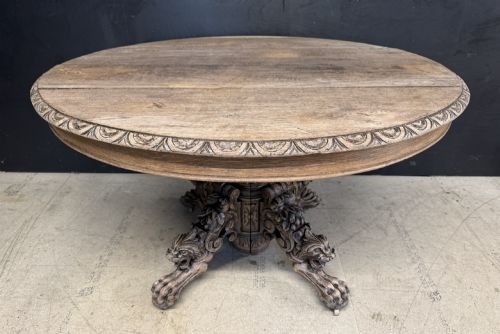
When you search for a french provincial round table, you are looking at practical domestic furniture originating from various regions of France, mostly dating from the nineteenth century. These pieces encompass rustic dining tables, folding vineyard tables, and smaller occasional forms designed for everyday use.
The versions you are most likely to meet on this page span the nineteenth century, including specific dates such as 1860 and 1920. They take shapes ranging from large country dining designs to smaller gueridon and breakfast tables.
The selection reflects both the daily work of French households and the lighter decorative arts of the period. Forms include folding vineyard designs alongside substantial oak and walnut dining furniture.
How french provincial round table designs were constructed
Constructed using traditional timber framing, these tables rely on regional hardwoods such as oak, walnut, fruitwood, elm, and pine. Carpenters selected these native timbers for their structural strength and distinctive grain patterns.
Surface finishes include original paint and polished wood, while specific forms incorporate inset marble tops. Folding mechanisms appear on vineyard tables, demonstrating practical engineering for seasonal agricultural use.
French Provincial Round Table Retail Price Guide 2026
Typical asking prices for french provincial round table among the pieces listed under this phrase on Sellingantiques today, from the lower quarter to the upper quarter. They describe what is for sale here now, not the wider market.
Materials recorded across these tables include oak, walnut, marble, fruitwood, pine, and original paint.
What distinguishes quality in a french provincial round table
The distinction between standard domestic items and finer pieces lies in the selection of timber and the sophistication of the joinery. Tables utilising dense hardwoods like walnut or incorporating marble tops demonstrate greater ambition from the maker.
Original surface treatments, such as untouched early paint, separate pieces retaining their historic character from those stripped or heavily altered over time. The presence of functional folding mechanisms and well-proportioned turnings also marks the grade of the work.
The French Provincial Round Table Glossary
- Gueridon
- A small round table on a central pillar, frequently topped with marble or decorated with paint. This form became popular in France during the nineteenth century.
- Vendange table
- A traditional French wine harvest table, often designed with a folding base for easy storage after the grape gathering. These circular or folding tables are typically constructed from oak or fruitwood.
- Fruitwood
- Timber gathered from fruit-bearing trees such as cherry or pear, utilised by regional cabinetmakers for its fine grain and warm tone. It was a common alternative to oak in provincial furniture.
- Dropleaf
- A table design featuring hinged flaps on the sides that can be raised or lowered to alter the surface area. This mechanism provides flexibility in smaller rooms.
French Provincial Round Table: Frequently Asked Questions
What is a french provincial round table used for?
These tables served various practical roles in nineteenth-century French homes, ranging from heavy daily dining to harvest work and casual breakfast service.
Today, buyers utilise them as functional dining surfaces, centre tables, or decorative coffee tables in domestic interiors.
How do I identify a nineteenth-century piece?
Look closely at the construction methods, tool marks, and the natural ageing of the timber. Nineteenth-century examples often display hand-cut joints and regional woods characteristic of the era.
Dates such as 1860 or 1920 provide a baseline for specific styles like painted gueridons or low coffee tables.
How should I care for a painted wood table?
Maintain painted and polished surfaces by keeping them away from direct sunlight and excessive moisture. Dust gently with a dry cloth rather than using harsh chemical cleaners.
Preserving the original painted finish maintains the historical integrity of the piece.