

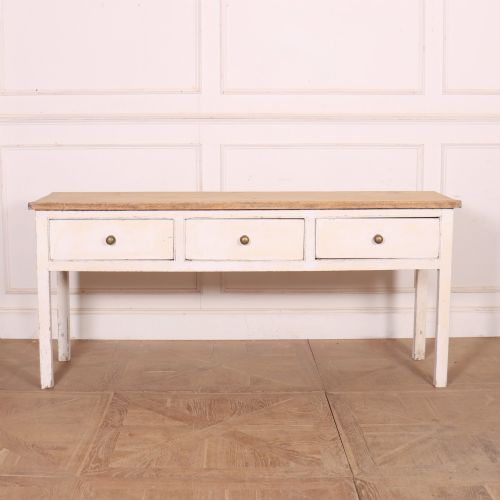
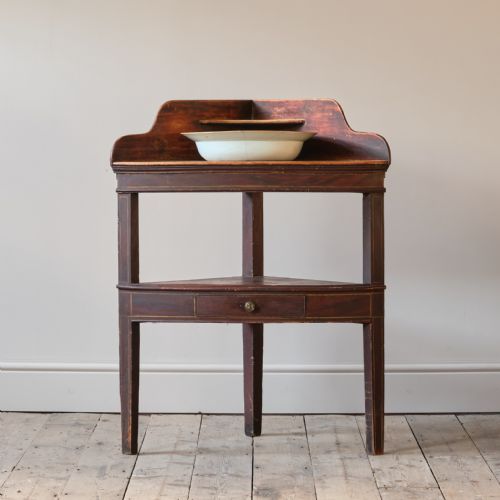
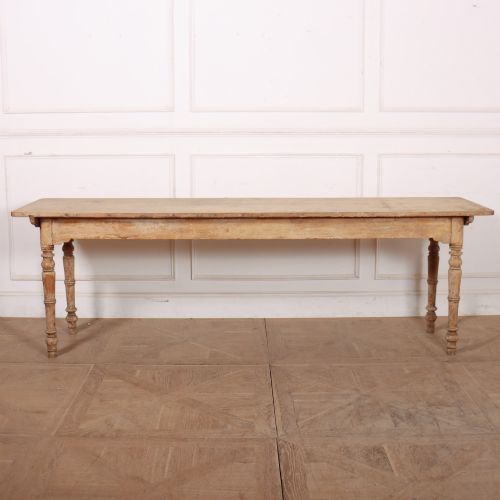

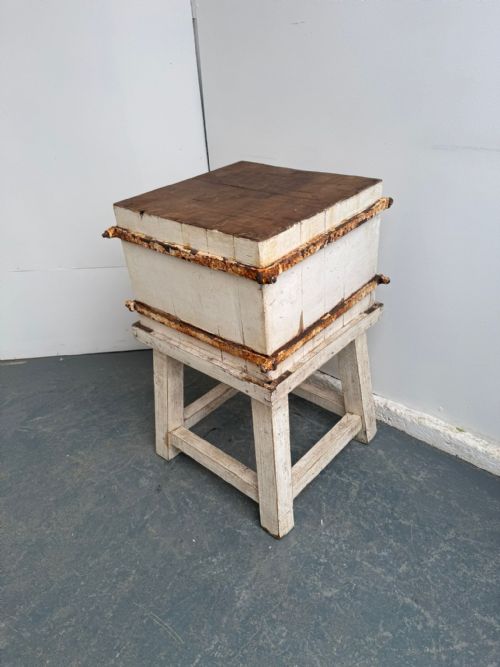
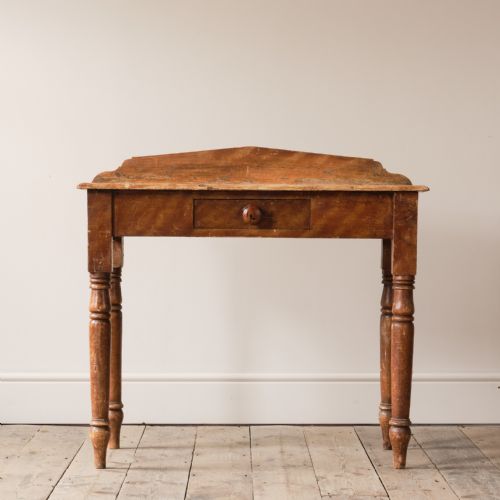
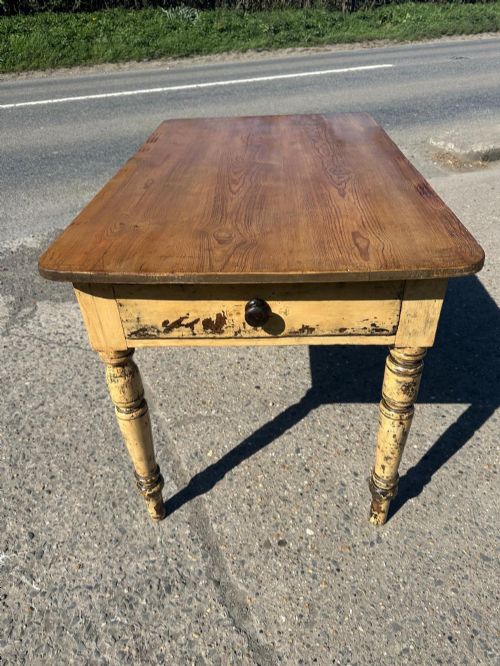


Original Paint Country Table
An original paint country table brings centuries of domestic history and weathered surface character directly into a modern room.
Original Paint Country Table
An original paint country table encompasses utilitarian domestic furniture spanning the Georgian, Regency and Victorian eras, alongside continental examples from France, Italy, Hungary and Sweden. These pieces range from compact lamp and side tables to large kitchen, dining, console and tavern tables, often constructed with vernacular designs like X-frame bases or tripod supports.
The pine construction forms the foundation of the majority of these pieces, though other woods appear alongside iron, brass and metal fittings. The surface finish defines the category, retaining historical layers of scumble glaze or weathered paint applied generations ago for practical protection or decoration.
Buyers frequently encounter nineteenth-century English, Welsh and continental forms on this page, reflecting both rural farmhouse utility and grander country house domestic service. The survival of the untouched surface remains the primary unifying characteristic across every listed variation.
Materials and construction methods
Carpenters utilised durable softwood timbers, predominantly pine, to build sturdy framework structures designed for daily domestic endurance in farmhouses, taverns and kitchens. Simple joinery techniques ensured functional stability without excess ornamentation.
Makers applied surface finishes directly to the wooden substrate, utilising traditional pigments, scumble glaze or layered paint. These coatings weathered naturally over decades through repeated cleaning and everyday use, creating the distinct patinated surfaces recorded in the archive.
Original Paint Country Table Retail Price Guide 2026
Typical asking prices for original paint country table among the pieces listed under this phrase on Sellingantiques today, from the lower quarter to the upper quarter. They describe what is for sale here now, not the wider market.
The inventory records regional English, Welsh, French, Italian, Hungarian and Swedish vernacular forms.
Evaluating surface and structure
The integrity of the surviving surface separates the standard examples from the exceptional ones, specifically the depth and undisturbed nature of the historical paint layers. A genuine weathered patination tells a story of long utility that artificial distressing cannot replicate.
Structural proportions and regional vernacular details dictate the hierarchy of these tables, from simple lamp stands to substantial tavern and dining formats. The balance between utilitarian strength and pleasing domestic proportion determines the standing of each individual piece.
The Original Paint Country Table Glossary
- Scumble glaze
- A translucent or semi-opaque oil-based paint layer dragged or textured over a pale ground to imitate grain or create mottled depth. This technique appeared frequently on nineteenth-century vernacular furniture.
- Vernacular furniture
- Domestic pieces built by local tradesmen or regional carpenters for everyday use rather than following high-style metropolitan fashion. These items often employ straightforward construction methods and local softwoods.
- X-frame base
- A structural support configuration intersecting in an X shape beneath the table top. This form provides lateral stability, commonly found on tavern and refectory tables.
- Washstand
- A dedicated domestic table or cabinet designed to hold a basin and pitcher for personal hygiene. Surviving examples frequently retain splashbacks and robust painted finishes.
- Butchers block
- A heavy, thick-topped work surface built for meat preparation in domestic or commercial settings. These utilitarian pieces utilise dense timbers and sturdy frames to withstand heavy impact.
Original Paint Country Table: Frequently Asked Questions
How do I clean an original paint table?
Dust the surface regularly with a dry, soft cloth to prevent particulate buildup without introducing moisture that might destabilise old pigment layers.
Avoid chemical cleaning agents, modern waxes or abrasive polishes entirely, as these substances can strip or soften historical paint surfaces.
Are these tables suitable for daily dining?
Many of these pieces served as kitchen, tavern or dining tables originally and remain structurally capable of everyday domestic use.
Protect the fragile historic paint surfaces from moisture and heat rings by using appropriate table mats during meals.
What does scumble glaze mean?
Scumble glaze refers to a decorative painting technique where a translucent top layer is manipulated over a lighter base colour to create mottled texture.
This finish appeared commonly on nineteenth-century furniture to add visual depth and protect the underlying softwood.
How can I tell the age of the paint?
Examining the pigment composition, crazing patterns and underlying tool marks helps determine the chronological depth of the surface coating.
Natural wear occurs gradually around high-contact areas like edges and legs, matching the historical period of the piece.