








Spanish Side Table
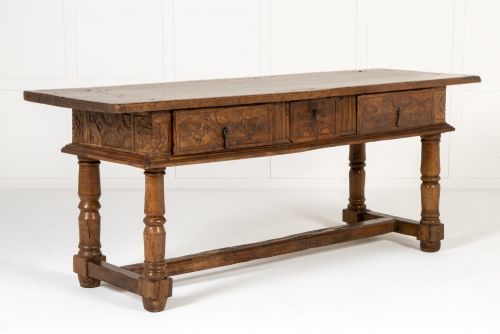
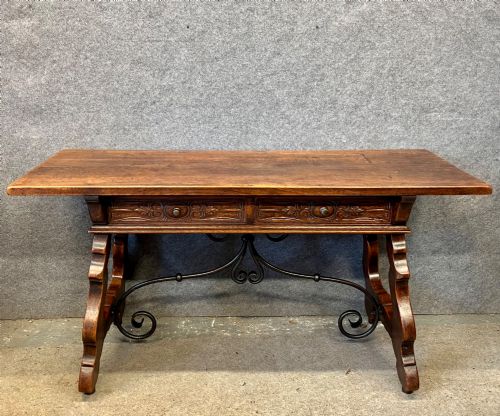
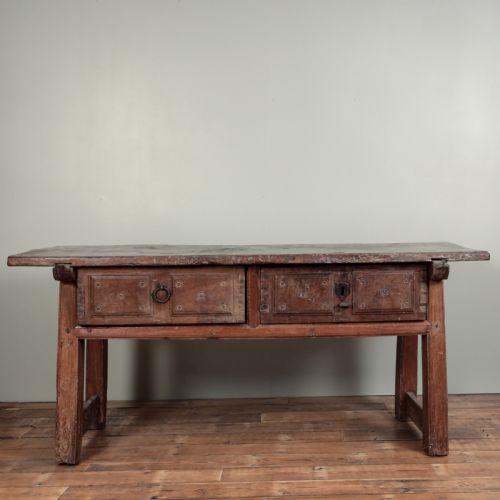
The spanish side table anchors a room with solid timbers, sturdy ironwork and centuries of vernacular design.
Spanish Side Table
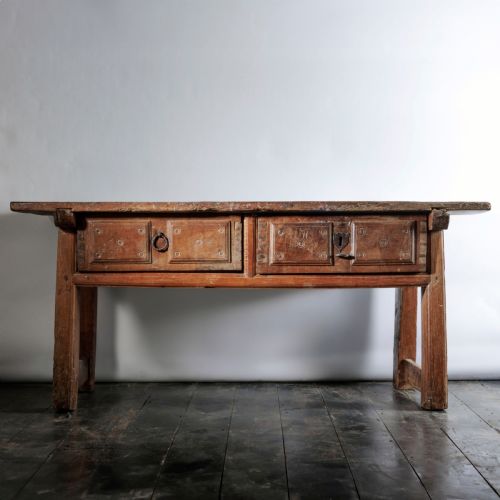
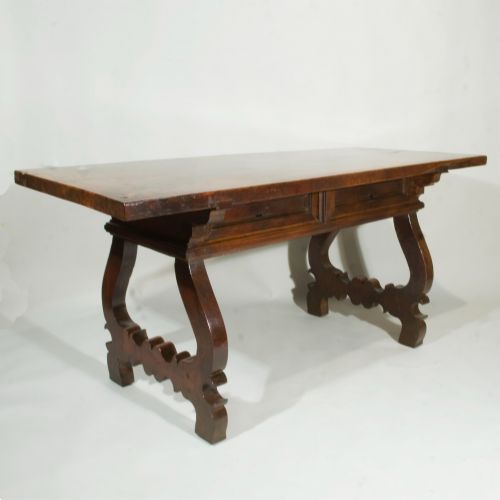
A spanish side table brings sturdy utility to domestic spaces through forms rooted in centuries of provincial craftsmanship. Buyers searching for a spanish side table encounter formats ranging from seventeenth-century walnut boards to nineteenth-century painted consoles and rustic oak servers.
The selection leans heavily toward seventeenth-century walnut examples alongside eighteenth-century oak pieces and later nineteenth-century interpretations. These tables function as compact surfaces for lamps, halls or dining rooms, retaining the utilitarian proportions of their origins.
Materials and Construction
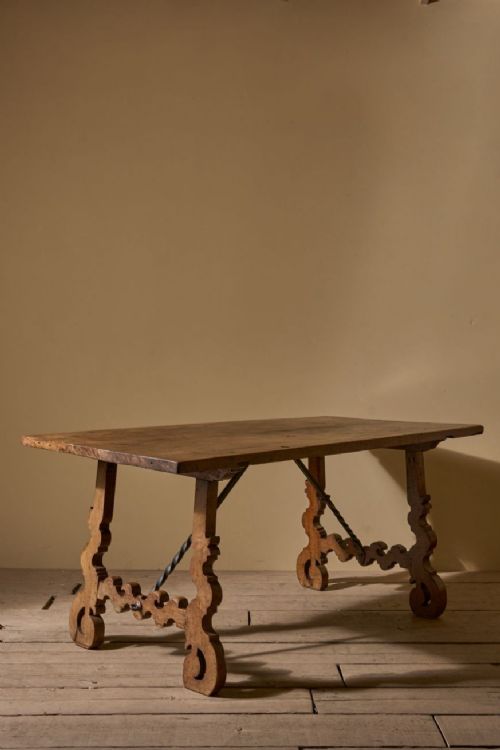
Construction relies primarily on dense timbers such as walnut, oak, chestnut and fruitwood, joined for heavy everyday use. Wrought iron stretchers frequently brace the legs, providing structural stability to the substantial wooden tops.
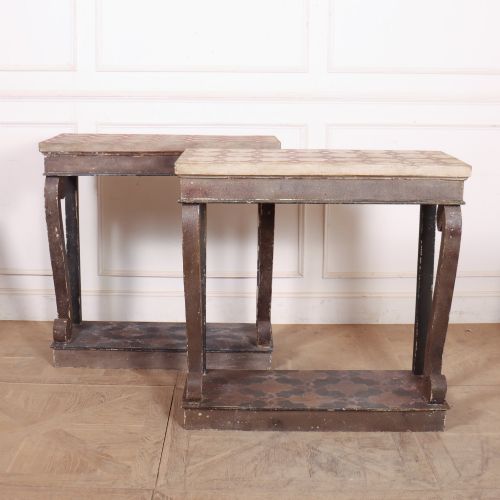
Surfaces exhibit varying treatments from unadorned timber showing original patina to painted finishes, ebonised surfaces and leather inserts. Joinery is straightforward and robust, reflecting the regional workshops where these tables originated.
Spanish Side Table Retail Price Guide 2026
Typical asking prices for spanish side table among the pieces listed under this phrase on Sellingantiques today, from the lower quarter to the upper quarter. They describe what is for sale here now, not the wider market.
Catalan shepherds once relied on small occasional tables built low to the ground for rural tasks.
Judging Quality
Quality rests in the integrity of the timber and the retention of original surface qualities like untouched patination or early paint. Tables retaining their authentic structural ironwork and uncompromised joints stand above later reconstructions or heavily restored examples.
The depth of carving on provincial pieces and the selection of figured or solid woods differentiate standard utilitarian items from finer examples. Proportion and restraint in the lines separate well-proportioned regional pieces from later revival items.
Whytock and Reid
The Spanish Side Table Glossary
- Patina
- The surface sheen and colour developed by wood through age and handling. This indicator helps confirm the natural ageing of seventeenth and eighteenth-century timber.
- Console table
- A table designed to stand against a wall, frequently supported on brackets or legs. These items serve narrow hallways and reception rooms.
- Bobbin leg
- A turned leg resembling a string of bobbins or spools. This decorative turning appears on seventeenth-century joined furniture.
- Fratino table
- A style of long, narrow table with trestle supports originating in monastic refectories. Versions of this format appear in limed oak.
- Provincial
- Denoting furniture made in the regions rather than metropolitan workshops. These pieces display local stylistic traits and regional timber choices.
Spanish Side Table: Frequently Asked Questions
What woods were used for these tables?
Makers relied on locally available hardwoods, predominantly walnut, oak and chestnut, supplemented by fruitwood and pine. These heavy timbers provided the necessary weight and durability for domestic utility.
Secondary woods occasionally appear in lesser structural components, but primary surfaces utilise solid timber boards rather than veneers.
How do I date a seventeenth-century table?
Dating relies on joinery methods, timber choice, and the presence of original forged iron stretchers. Seventeenth-century examples typically display pegged mortise and tenon joints.
Surface wear, hand-planed board irregularities and untouched patination further corroborate the period of manufacture.
Where should I place a console table?
Console tables fit naturally against hallway walls, living room perimeters or dining spaces where surface area is needed without deep footprints. Their shallow depth allows passage in confined areas.
Pairs of consoles often flank doorways or fireplaces for balanced display.
Are painted finishes period correct?
Original painted finishes appear on provincial and rustic pieces from the eighteenth and nineteenth centuries. These layers range from simple primary pigments to decorative schemes.
Evaluating the paint requires looking for natural craquelure and wear consistent with age.