
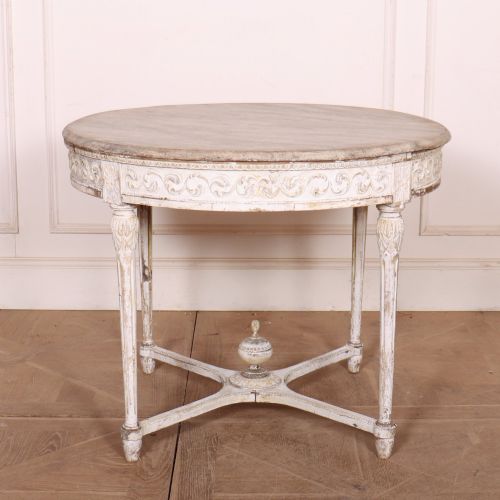
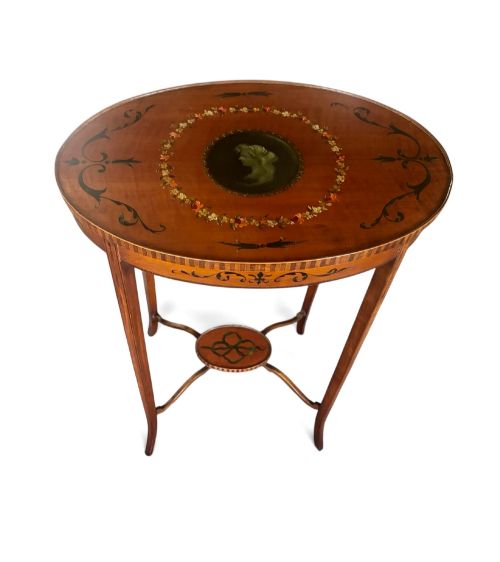
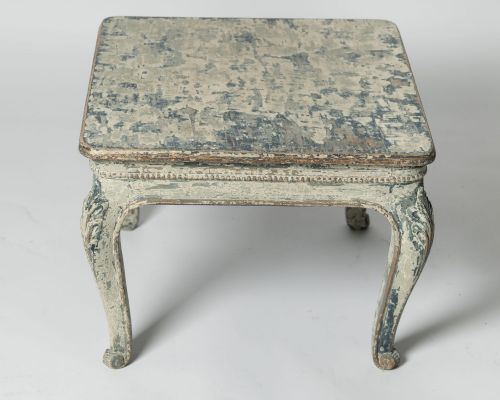
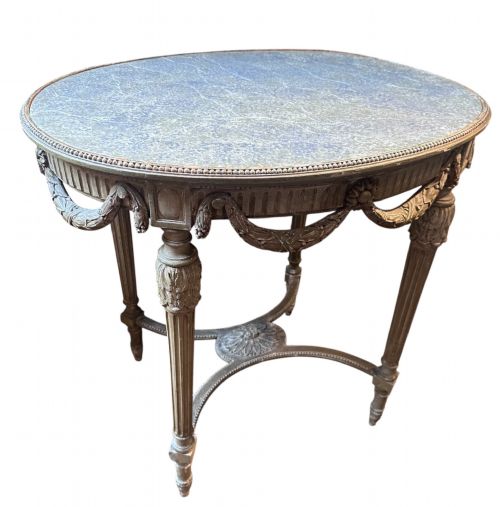
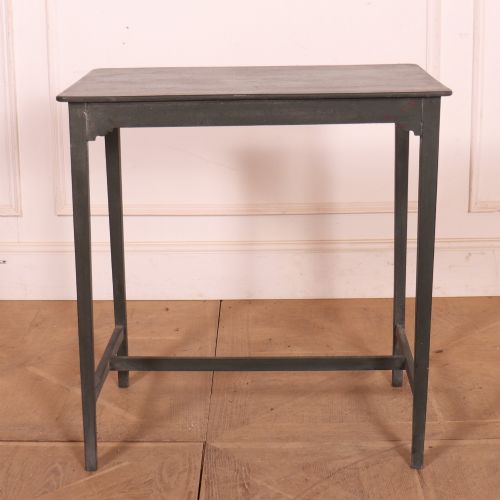
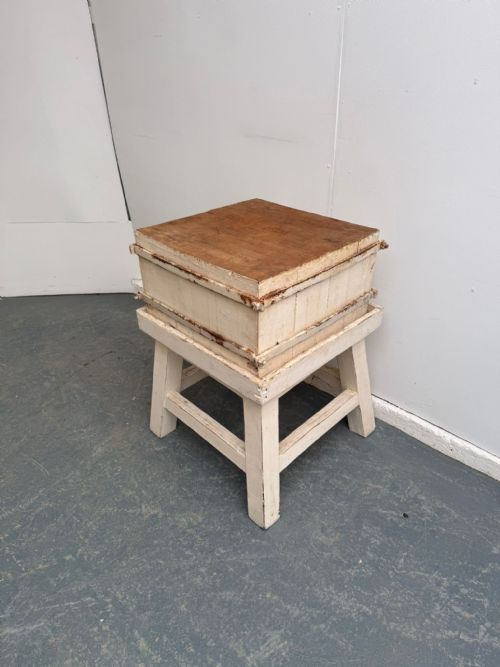


Painted Wood End Table
A painted wood end table brings surface space and character to a room, ranging from simple rustic country pieces to grand continental styles.
Painted Wood End Table
When you search for a painted wood end table, you encounter a variety of compact surfaces designed to sit beside seating or against walls. The selection on this page spans side tables, occasional tables, nests of tables, and lamp tables created across the eighteenth, nineteenth, and twentieth centuries.
The pieces originate from diverse European and global traditions, including English country workshops, Swedish and Scandinavian homesteads, French chateaux, and Italian workshops. You will frequently find lamp tables and occasional tables bearing hand-painted floral motifs or distinct regional finishes.
Beyond standard side tables, the inventory incorporates related forms such as console tables, stools, benches, and butchers blocks. These items share a reliance on timber foundations enhanced by paint, lacquer, or parcel gilt decoration.
Materials and construction methods
Makers utilised timber substrates such as oak, pine, satinwood, and fruit wood to build these tables. Paint was then applied directly to the wood, sometimes layered over gesso or combined with intricate hand-painted floral decoration, Chinoiserie, or gilt accents.
Structural techniques vary according to the period and regional origin, ranging from simple pegged pine construction in Scandinavian pieces to finely carved cabriole legs and parcel gilt details on Italian and French examples.
One particularly neat nineteenth-century nest even carries the signature of maker E. Daligny.
Distinctions in craftsmanship and finish
Quality in these pieces is dictated by the finesse of the timber preparation and the skill of the painted decoration. Finer examples display meticulous hand-painted details, such as floral motifs or Chinoiserie scenes, executed with precision on prepared satinwood or pine.
The integrity of the underlying construction also separates standard utility items from superior examples. Tables featuring solid joinery, original carved elements, and well-preserved historical painted surfaces command greater appreciation than later or more rudimentary alternatives.
E Daligny
The Painted Wood End Table Glossary
- Lamp table
- A small compact table specifically designed to hold a lighting fixture beside a chair or sofa.
- Occasional table
- A versatile small table intended for intermittent use around a principal living space.
- Chinoiserie
- European decorative style employing imitation Chinese motifs, often rendered in paint and lacquer.
- Parcel gilt
- Portions of a surface highlighted with gold leaf over a prepared base.
- Gueridon
- A small freestanding circular table supported by a central column or pillar.
Painted Wood End Table: Frequently Asked Questions
What is a painted wood end table used for?
These tables provide a convenient surface for lamps, books, and everyday items placed beside seating areas. Their compact dimensions allow them to fit easily into smaller spaces or corners.
Beyond functional placement, they serve as decorative accents that introduce colour and historical character to an interior scheme.
How do I identify the period of my table?
Dating relies on examining the construction methods, timber types, and stylistic vocabulary evident in the piece. Eighteenth-century models often show simpler country forms or classical proportions, while Edwardian pieces frequently feature satinwood with delicate floral painting.
Paint analysis and joinery inspection further help narrow down whether a piece originates from the nineteenth century or later.
Are these tables suitable for daily use?
Most antique and vintage tables remain sturdy enough for regular placement of everyday objects. Care should be taken to protect historical painted surfaces from excessive moisture and heat.
Using coasters and placing them away from direct sunlight will preserve the integrity of the paint and timber over time.
How do regional styles differ?
Swedish and Scandinavian pieces tend to feature pale, muted painted finishes suited to lighter interiors. French and Italian examples often incorporate more ornate carving, parcel gilt details, or formal neoclassical proportions.
English country versions lean towards sturdier pine or oak construction with simpler decorative painted elements.