
Georgian Style Lamp Table
These georgian style lamp table pieces are classic surfaces designed to hold lighting beside a chair or bed, bringing refined proportions to any room.
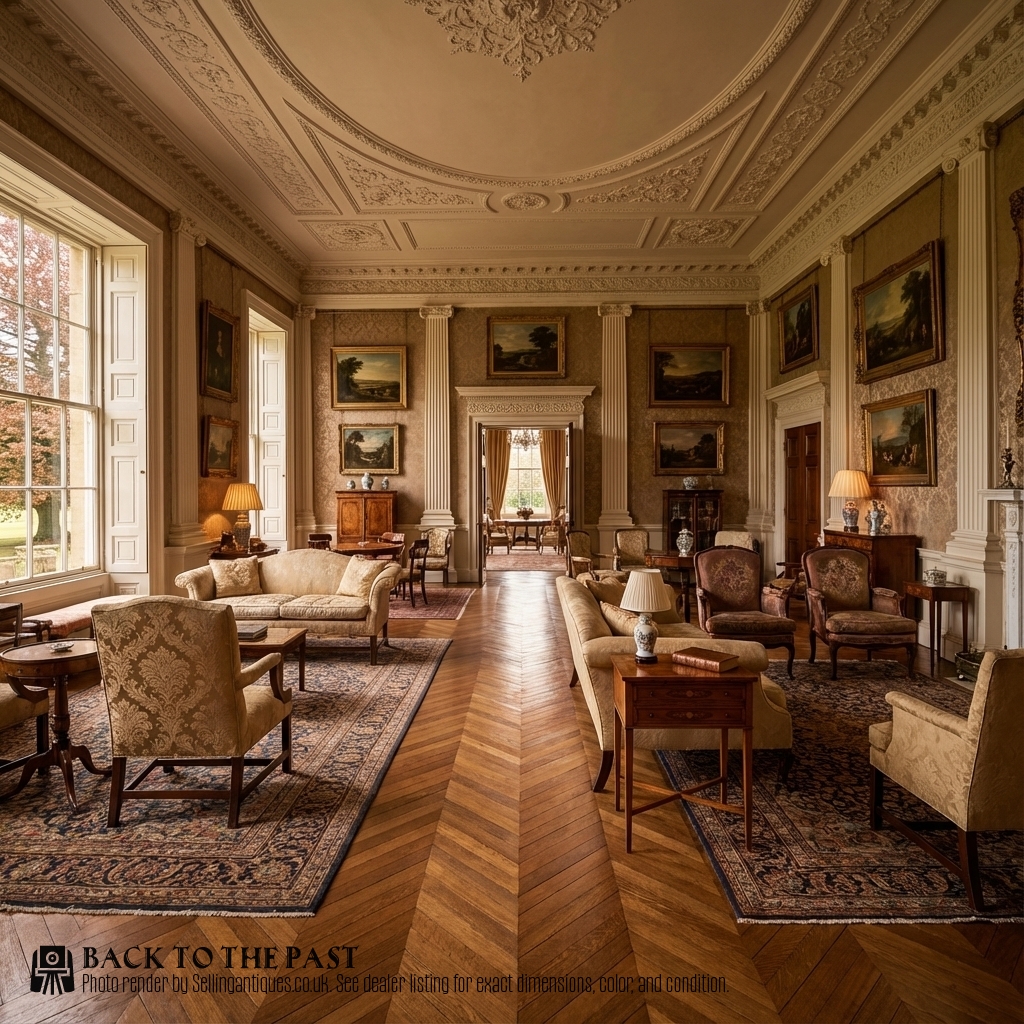
What They Are
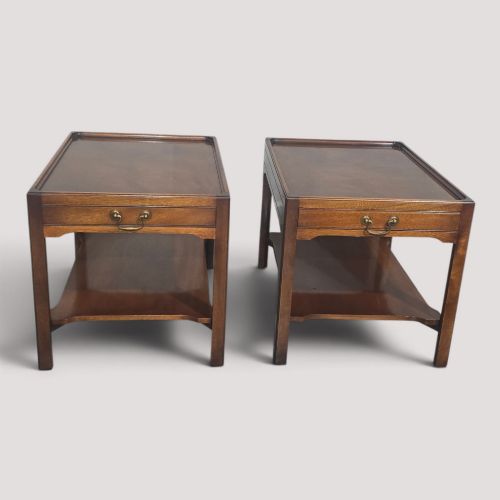
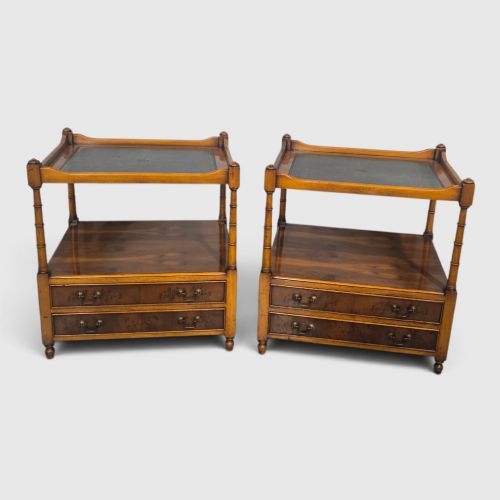
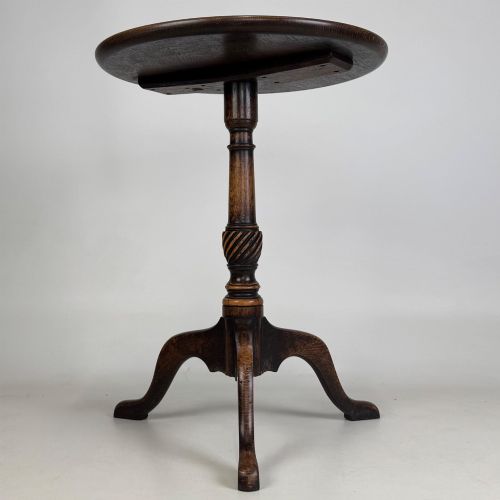
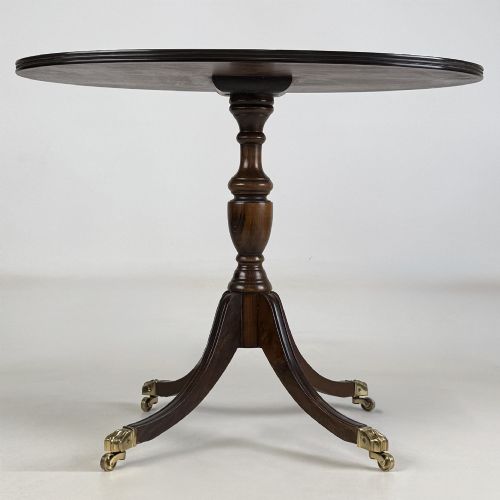
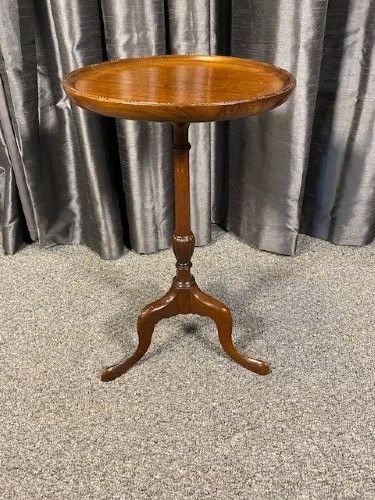
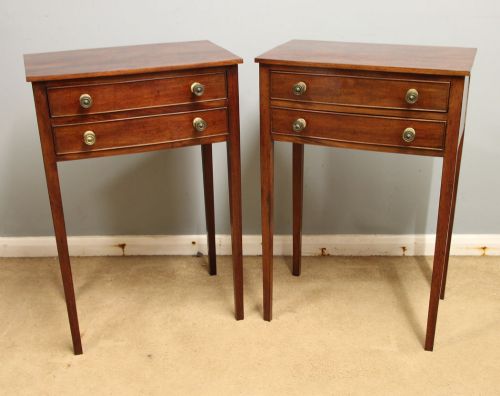
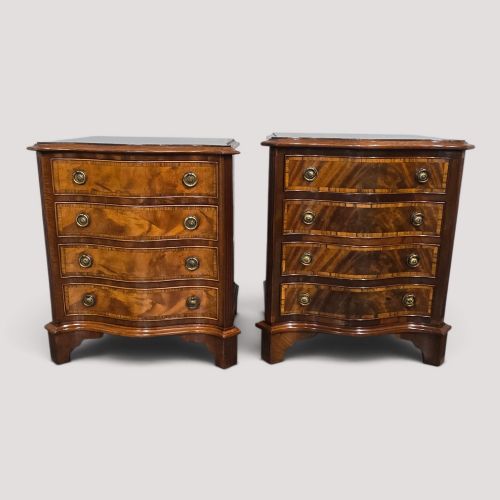
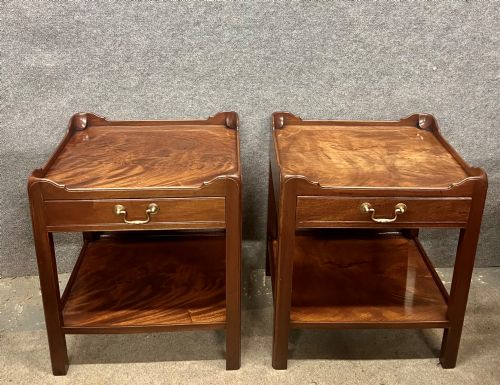
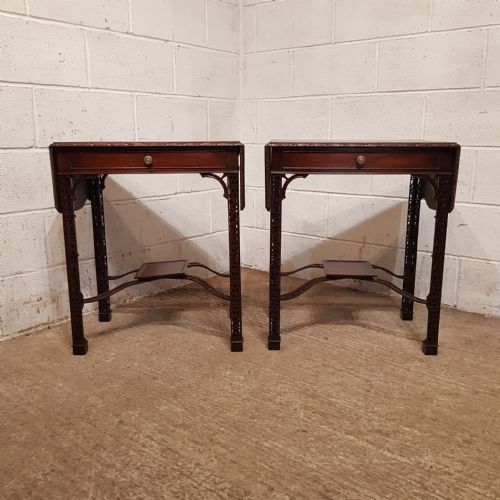
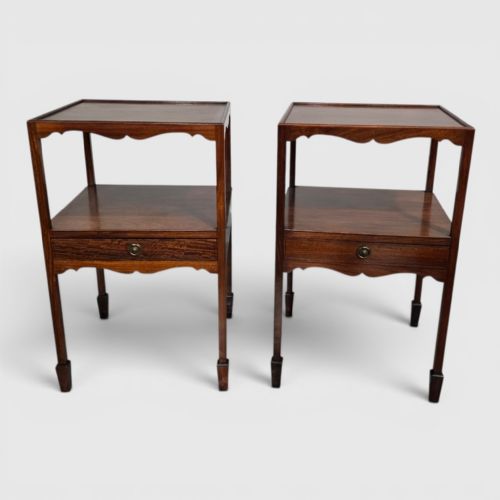
When you search for a georgian style lamp table, you encounter compact occasional and side tables designed for domestic utility. These pieces draw on eighteenth-century design principles to provide small surfaces for illumination and intimate spaces.
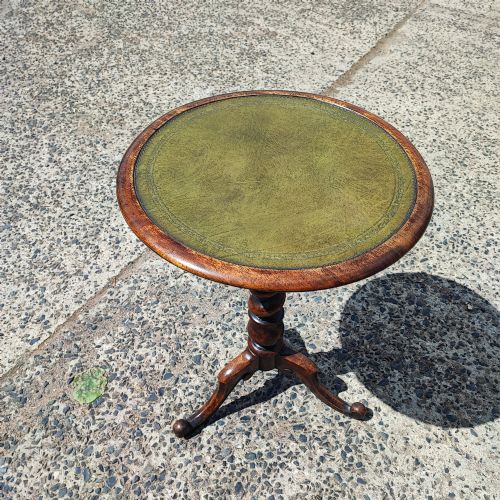
The selections span various eras, including pieces from the nineteenth century, Edwardian period, and early twentieth century. You will encounter side tables, occasional tables, and wine tables adapted for modern lamp placement.
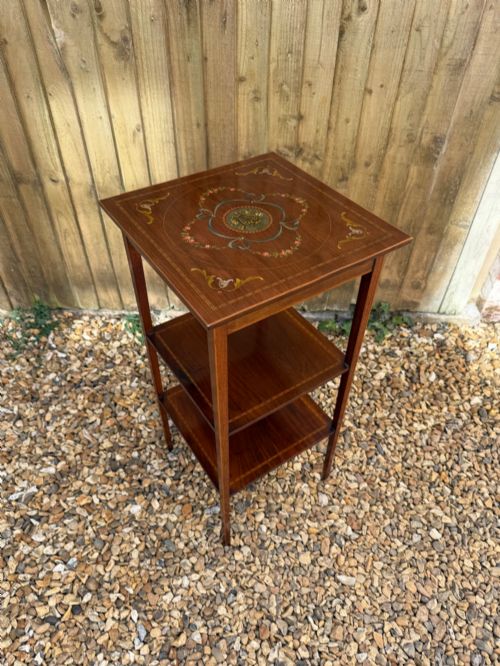
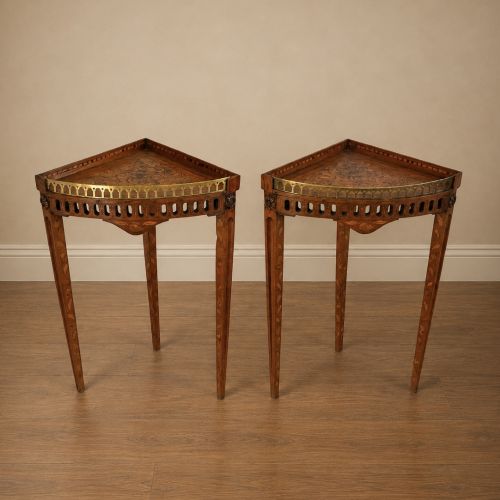
Makers across different decades reinterpreted classical forms using timber inlay, painted finishes, and rich grains. These tables function equally well beside a sofa or as a standalone accent in a traditional interior.
How They Were Made
Cabinetmakers utilised traditional timber species such as mahogany, oak, satinwood, and yew wood. Surfaces frequently incorporated decorative timber inlay and hand-painted details to enhance the visual appeal of the smaller tabletops.
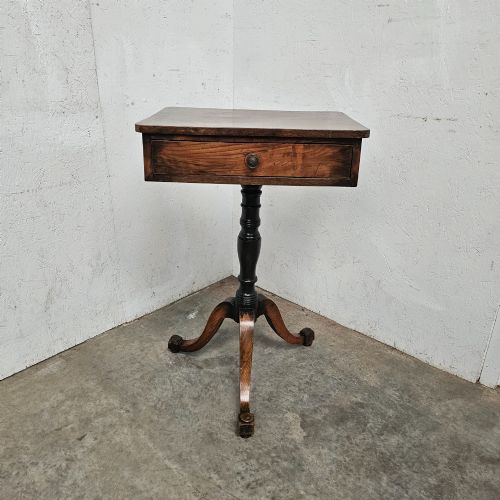
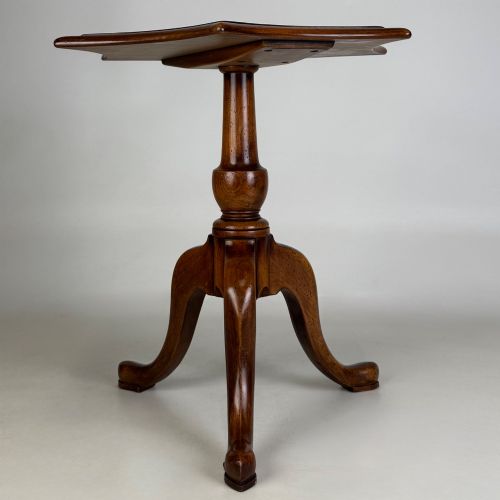
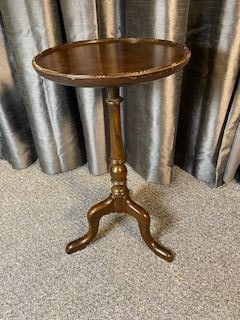
Structural elements also involved turned wooden supports and tripod bases alongside brass hardware. Craftsmanship focused on stability and neat joinery to support lamps and small objects without excessive bulk.
Retail Price Guide 2026
Typical UK retail prices for georgian style lamp table, calculated from the Sellingantiques database of over a million retail prices indexed since 2003. This retail price guide relies exclusively on Sellingantiques data; no external sources or auction records are used, so the figures do not describe the wider market.
What Varies in Quality
Quality rests in the crispness of the timber inlay, the depth of the wood grain, and the proportions of the turned supports. Finer examples display meticulous attention to surface decoration and balanced weight distribution.
Simpler interpretations rely on plain painted wood or straightforward construction without intricate detail. The distinction lies in whether the materials and decorative motifs achieve a harmonious, authentic period presence.
The Georgian Style Lamp Table Glossary
- Occasional table
- A small movable table intended for intermittent use rather than central placement in a room. These pieces provide versatile surfaces for lamps and decorative items.
- Tripod table
- A small table supported by three legs branching from a central column. This construction provides stable footing on uneven floorboards.
- Satinwood
- A durable hardwood prized for its golden lustre and smooth texture. Cabinetmakers utilised it extensively for decorative banding and inlay.
- Tilt top
- A tabletop hinged to the pedestal so it can be tipped vertically when not in use. This mechanism saved floor space in smaller period rooms.
Frequently Asked Questions
Where should I place a lamp table?
These compact surfaces sit comfortably beside armchairs, sofas, or beds where illumination is required. Their small footprint allows them to fit into corners and narrow gaps.
Ensure the height of the table matches the arm of your seating so the lamp sits at a comfortable level for reading.
How do I identify a revival piece?
Revival pieces emulate earlier aesthetic movements while utilising the construction methods of their own time of manufacture. You examine the secondary timbers and finishing techniques to determine the true era.
Makers in the nineteenth and early twentieth centuries frequently adopted eighteenth-century proportions for contemporary homes.
Are these tables sturdy enough for daily use?
Solid timber construction and traditional joinery ensure these tables handle everyday household items securely. Tripod bases offer reliable balance on most floor surfaces.
Avoid overloading smaller occasional tables with heavy objects to maintain their structural integrity over time.
What woods are typical for these tables?
Mahogany and oak form the backbone of these pieces, supplemented by decorative veneers like satinwood and yew. Painted finishes also appear on select English examples.
Each wood species offers distinct grain patterns that define the character of the finished piece.