


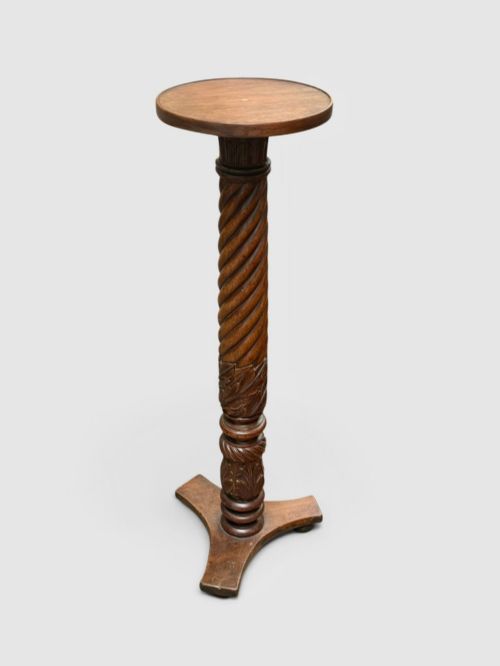
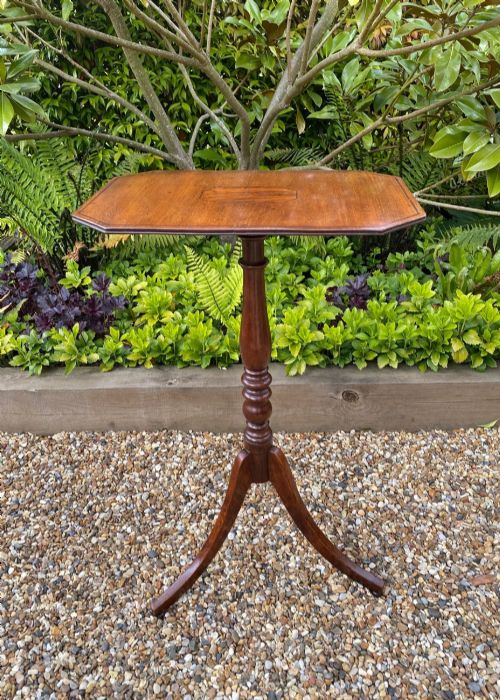
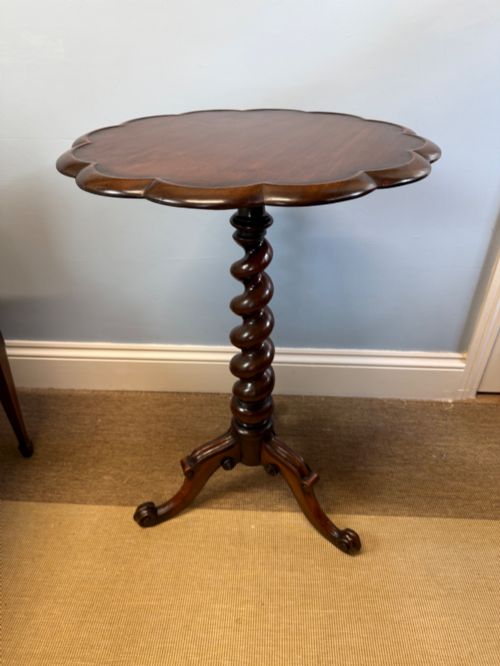
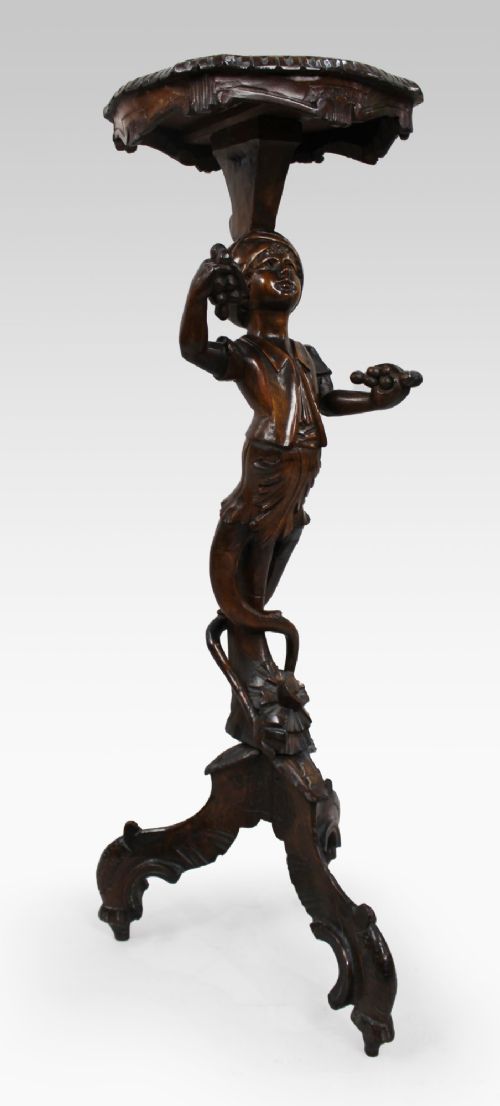
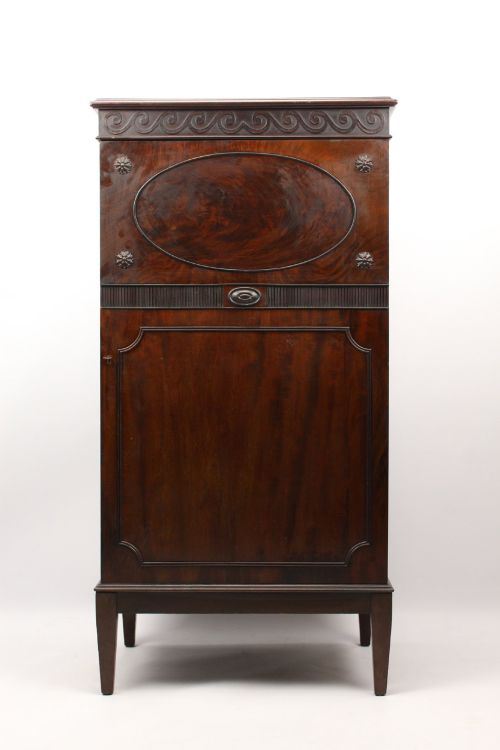
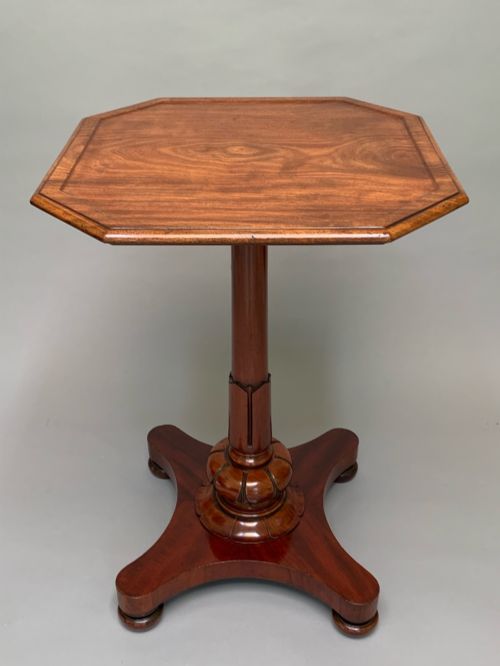
Antique Mahogany Pedestal Stand
An antique mahogany pedestal stand brings elevated timber to a corner, holding urns, plants or small lamps with quiet architectural poise.
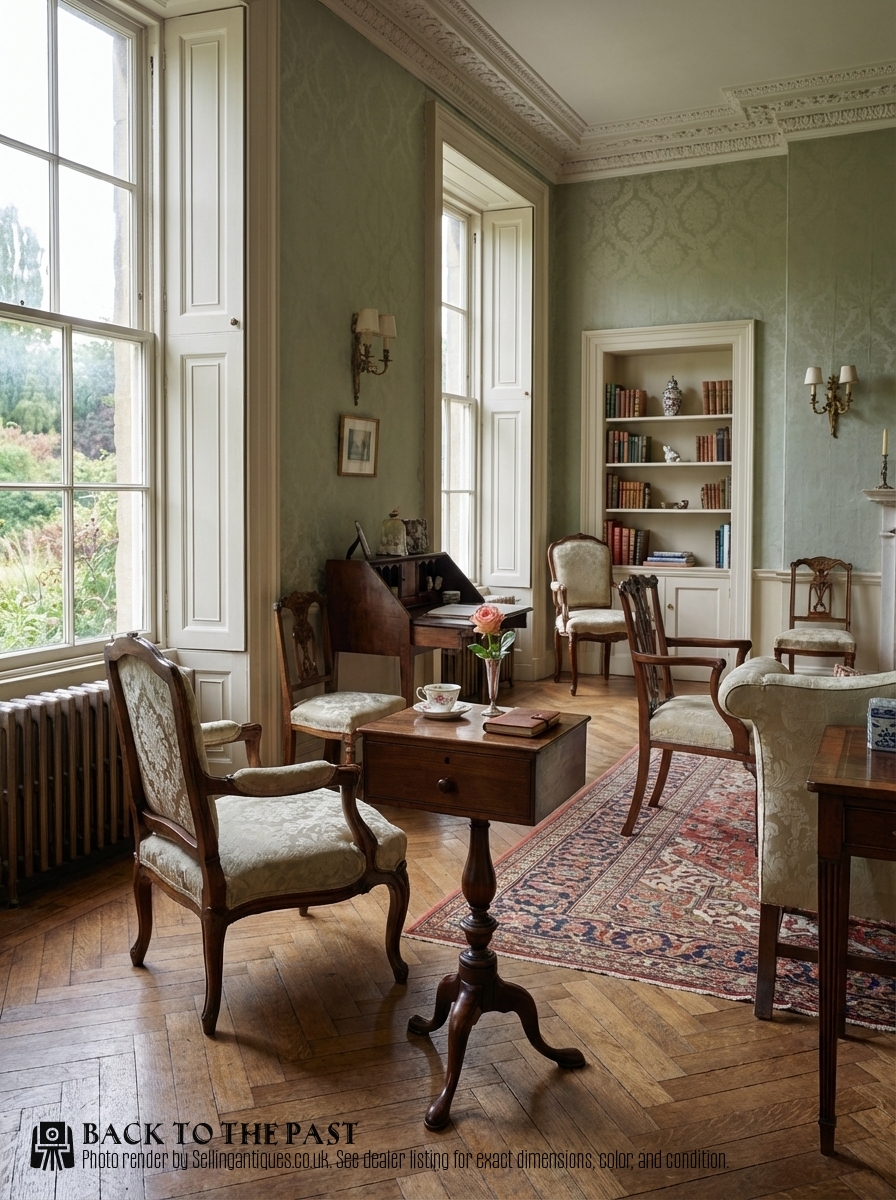
What the pieces are
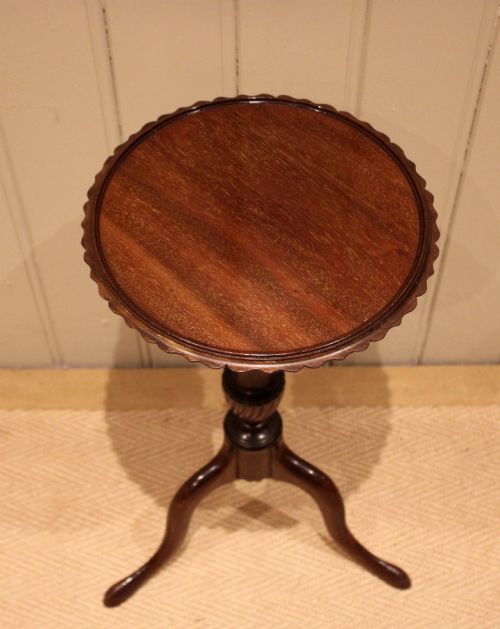
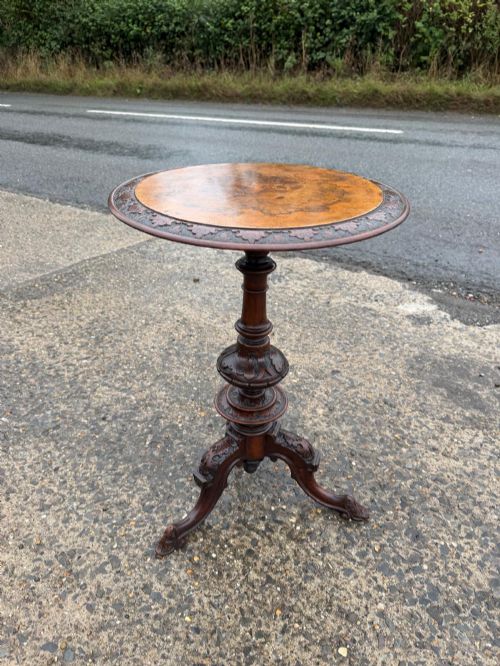
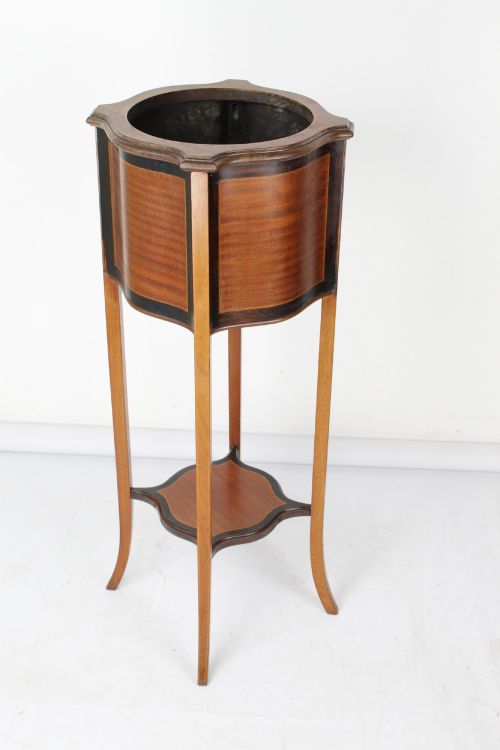
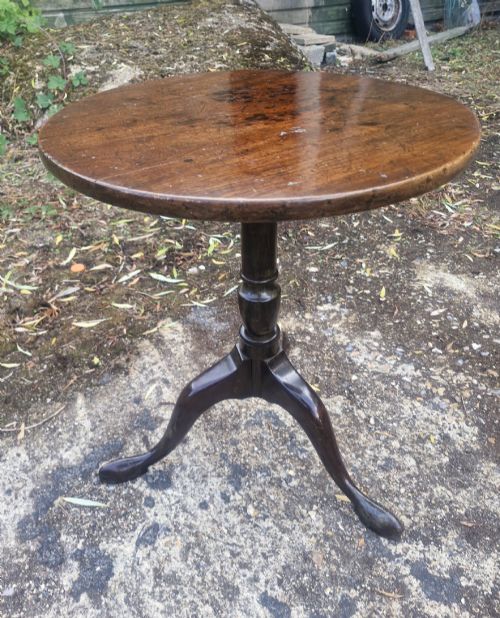
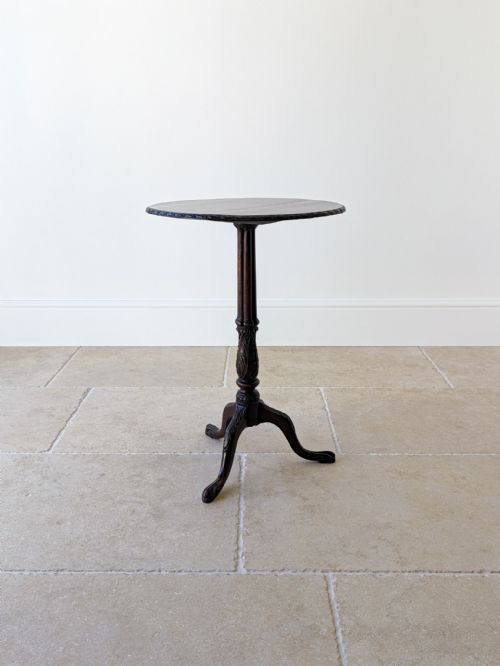
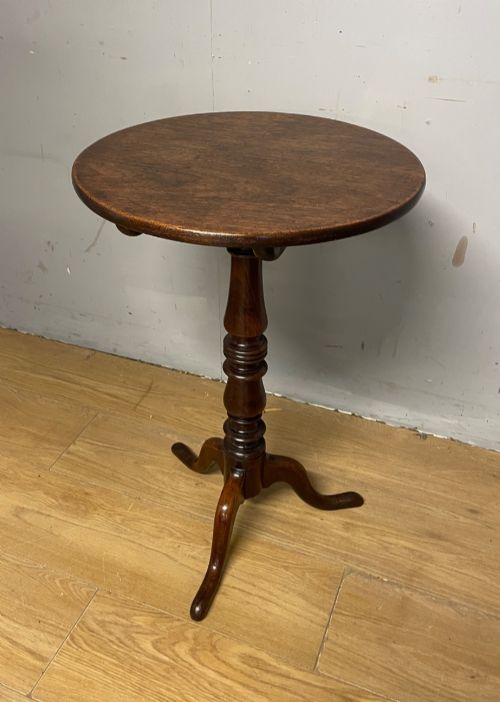
An antique mahogany pedestal stand encompasses everything from Georgian tripod-base tables to Victorian circular cake stands and torchères. The selections here range from eighteenth-century examples to later twentieth-century iterations, including specialised urn, kettle and plant stands.
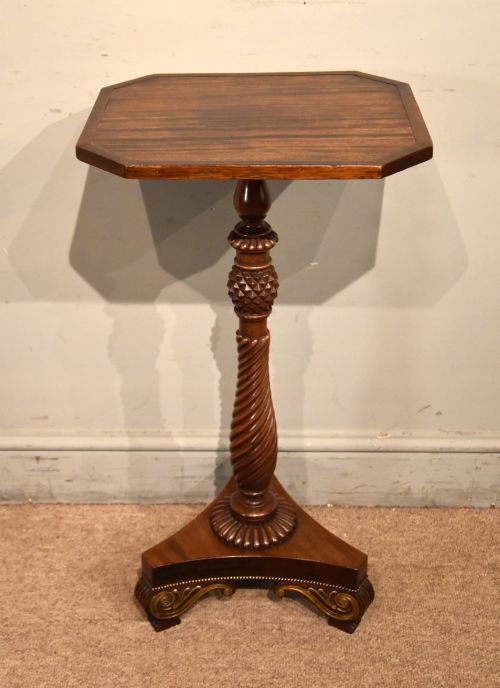
Forms vary from slender tripod supports to octagonal tops and revolving configurations. Buyers will encounter both modest utility stands and more elaborate George III period pieces designed for specific household tasks.
How they were made
These pieces rely upon solid mahogany timbers, occasionally enhanced with detailed inlay work. Construction methods involve stable tripod bases or central pedestals supporting circular and octagonal tops.
Cabinetmakers shaped the dense wood through turning and joinery techniques suited to supporting weight upon a single central pillar or slender legs.
Retail Price Guide 2026
Typical UK retail prices for mahogany pedestal stand, calculated from the Sellingantiques database of over a million retail prices indexed since 2003. This retail price guide relies exclusively on Sellingantiques data; no external sources or auction records are used, so the figures do not describe the wider market.
The listings span periods from the eighteenth century through to 1920, utilising mahogany alongside inlay techniques.
What varies in quality
Quality rests in the precision of the timber selection, the crispness of any inlaid details and the stability of the central pedestal or tripod legs. Superior examples demonstrate balanced proportions and thoughtful execution of turning.
Simpler twentieth-century iterations offer functional utility, whilst eighteenth-century and Georgian pieces display finer structural refinement and period joinery characteristics.
The Antique Mahogany Pedestal Stand Glossary
- Mahogany
- A durable tropical hardwood prized for its rich reddish-brown tone and fine grain. It forms the primary structural material across these stands.
- Torchère
- A tall, slender stand designed specifically to hold a candle, lamp or decorative plant. These pieces feature prominent vertical columns.
- Tripod-base
- A support structure comprising three legs radiating from a central pillar. This design provides stability for elevated circular or octagonal tops.
- Inlay
- The technique of embedding contrasting woods or materials into the surface of the mahogany to create decorative patterns.
Frequently Asked Questions
What is a pedestal stand used for?
These pieces function as elevated surfaces for decorative items, lamps, urns or plants. They allow objects to be displayed at height in corners or beside seating.
Historically, specific forms held kettles, wine urns or cakes during social gatherings.
How do I date an antique mahogany stand?
Dating relies upon observing construction techniques, timber characteristics and stylistic markers such as tripod feet or geometric inlays. Georgian and eighteenth-century examples differ noticeably from later Victorian or 1920s pieces.
Looking at the turning methods and joint construction helps establish the likely period of manufacture.
Are all pedestal stands made of solid mahogany?
The listings show mahogany as the predominant material, occasionally incorporating inlay work for decorative contrast. Timber selection and grain quality vary across different production eras.
Individual pieces utilise the wood for both structural support and visible surface areas.
How should I care for a mahogany stand?
Keep the timber away from direct heat sources and strong sunlight to prevent the mahogany surface from drying or fading. Regular dusting with a soft, dry cloth preserves the finish.
Avoid using silicone-based polishes that can build up a residue on the antique wood.