


Yew Wood Tripod Table
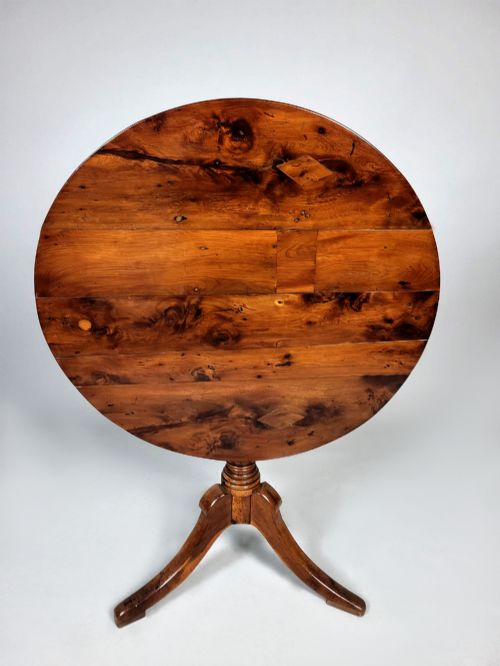
A yew wood tripod table brings rich timber figure and nimble three-legged form to any corner, answering the traditional need for a moveable stand.
Yew Wood Tripod Table
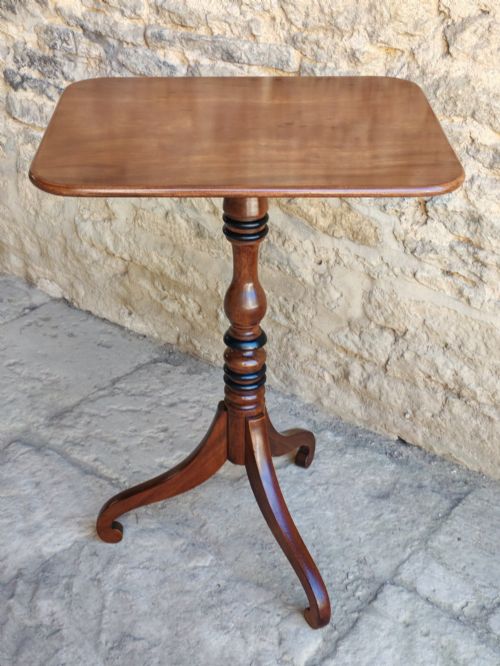
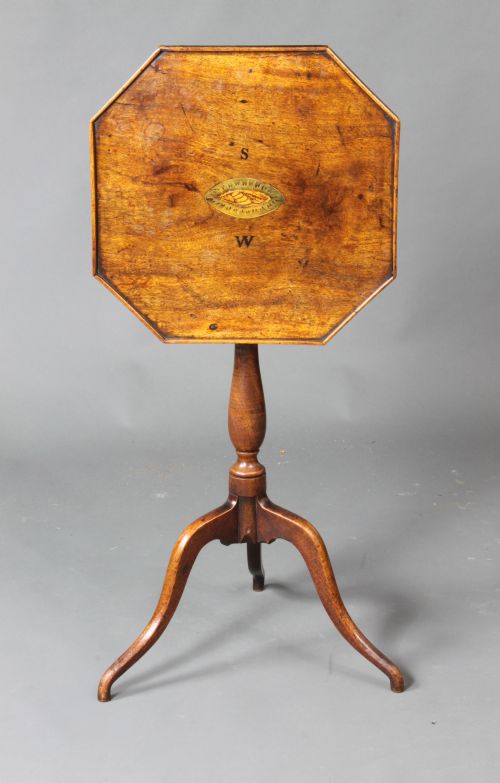
A yew wood tripod table is a compact stand supported by a central pillar and three splayed legs, designed for occasional use as a wine table, kettle stand or lamp table. When you search for this phrase, you encounter forms ranging from mid-eighteenth-century Georgian examples to Regency and nineteenth-century pieces.
The versions most commonly met on this page include round, circular or octagonal tops, alongside occasional rectangular or oval formats used for tea, wine or side placement. These tables emerge from English, Irish and Welsh workshops, reflecting both refined metropolitan cabinet work and simpler provincial craftsmanship.
Many examples date from the Georgian and Regency eras, though subsequent nineteenth-century revivals and early twentieth-century pieces also appear. Their modest scale and distinctive timber grain make them versatile additions to historic and contemporary interiors alike.
Materials and construction
Makers utilised solid yew wood and burr yew veneer, often pairing the timber with contrasting materials such as satinwood, oak, walnut and brass. Burr yew provides a dense, swirling grain pattern that demands careful selection and preparation by the cabinetmaker.
The superstructure relies on a turned central pedestal fixed to a three-legged tripod base, allowing the table to stand steady on uneven floors. Tops are frequently fixed to tilting mechanisms or stationary blocks, joined to the pillar with traditional pegging and dovetail joints.
Yew Wood Tripod Table Retail Price Guide 2026
Typical asking prices for yew wood tripod table among the pieces listed under this phrase on Sellingantiques today, from the lower quarter to the upper quarter. They describe what is for sale here now, not the wider market.
Quality and character
The distinction between standard examples and superior pieces rests on the choice of timber and the dexterity of the turning. Richly figured burr yew surfaces and well-proportioned baluster columns elevate an ordinary occasional table into a work of distinct decorative merit.
Originality of the tripod base and the stability of the central pivot dictate the integrity of the piece. Tables retaining their original surface patination and uncompromised leg fixings command greater appreciation among collectors of country and formal period furniture.
Gillows
The Yew Wood Tripod Table Glossary
- Tripod base
- A three-legged support structure attached to a central pillar, designed to maintain stability on uneven domestic floors. This configuration allows several small tables to sit closely together in a room.
- Burr yew
- A growth deformity in the yew tree that produces intricate, knotted grain patterns prized for decorative veneering. Cabinetmakers sliced this wood thinly to cover table tops with complex natural designs.
- Kettle stand
- A small, diminutive table historically used to hold a boiling water kettle for tea service near the hearth. These pieces typically feature compact circular or octagonal tops.
- Wine table
- A low circular occasional table designed to hold glasses and bottles during evening entertainment. They often feature tilting tops to save space when not in use.
Yew Wood Tripod Table: Frequently Asked Questions
What were yew wood tripod tables used for?
These tables served flexible domestic purposes, holding tea equipment, wine glasses, lamps or kettles beside seating areas. Their lightweight three-legged frames allowed servants to move them easily around the room as social needs changed.
Over time, their roles expanded from functional tea and wine service to decorative display surfaces in halls, drawing rooms and libraries. Today, they continue this versatile life as lamp or side tables in modern spaces.
How do I tell an 18th-century table from a later one?
Eighteenth-century examples often display provincial construction methods with solid yew tops, simple turned pillars, and hand-cut fixings. The timber patination shows decades of natural wear and wax accumulation that cannot be easily replicated.
Later nineteenth-century and twentieth-century versions frequently employ machine-cut elements, different secondary woods, or applied burr veneers rather than solid construction. Examining the underside and the joints reveals the age and hand of the maker.
Are these tables sturdy enough for daily use?
The three-legged tripod design provides inherent stability on level surfaces, making them reliable for holding lamps, books or cups. The central pillar distributes weight evenly across the three splayed feet.
While robust, their slender proportions mean heavy weight or rough treatment should be avoided. Placing them away from high-traffic pathways protects the delicate legs and pivot mechanisms.