
Georgian Circular Side Table
A Georgian circular side table brings practical surface space and traditional craftsmanship to any room, offering versatile utility.
What a Georgian circular side table is
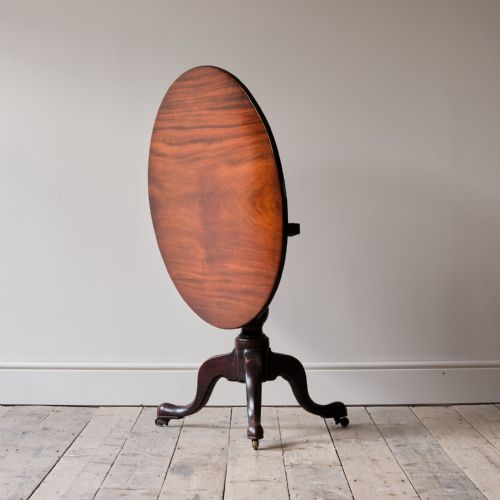
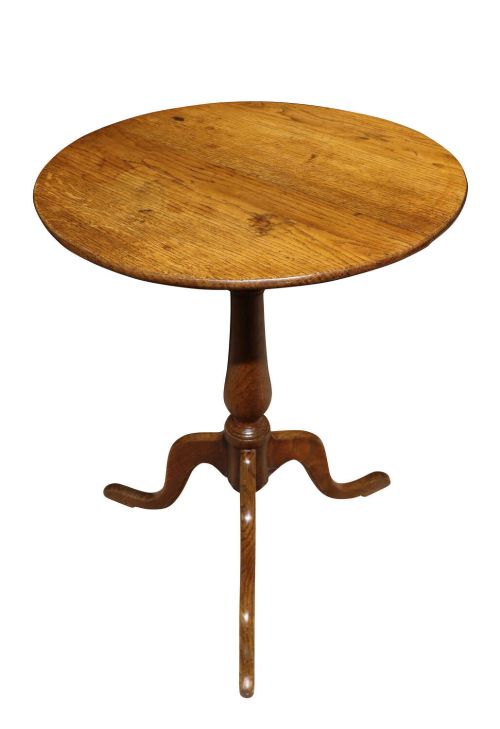
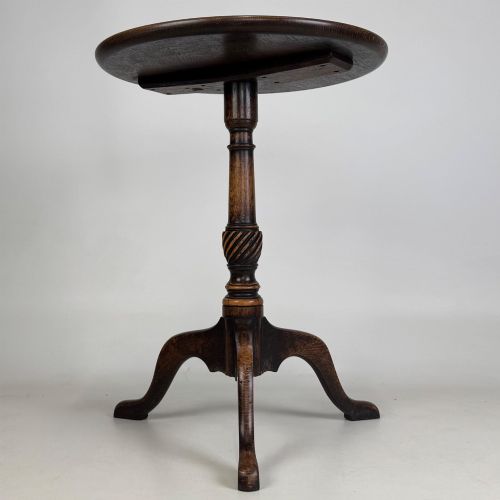
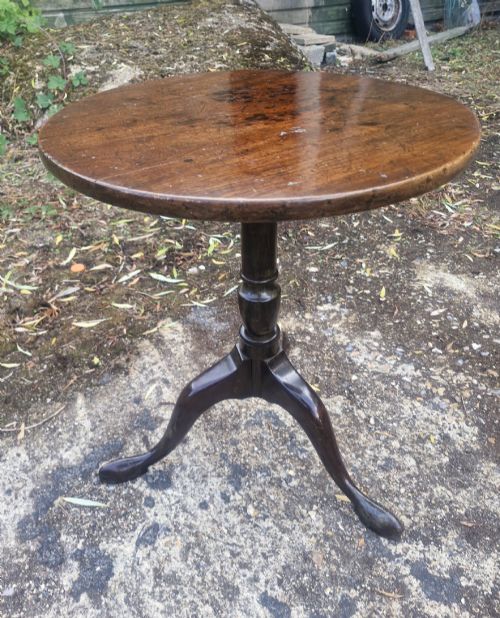
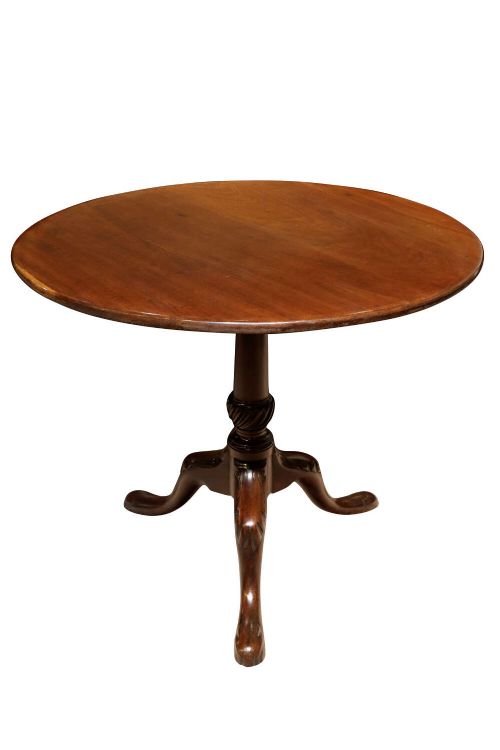
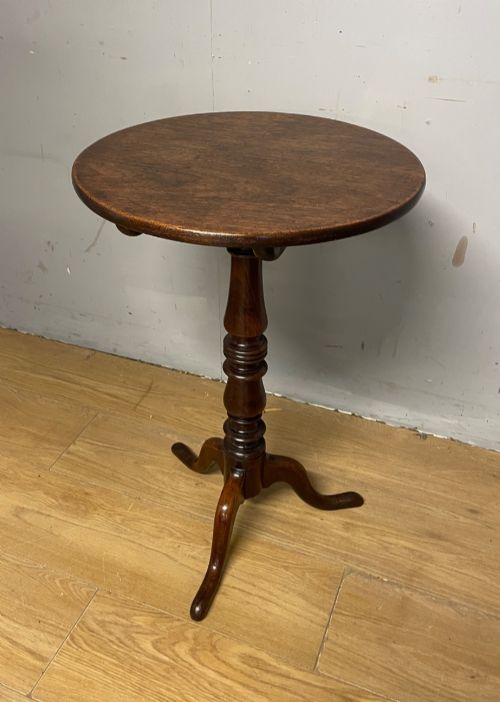
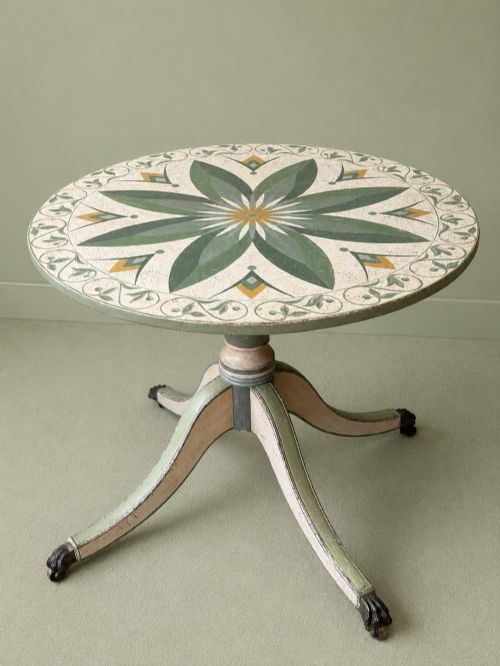
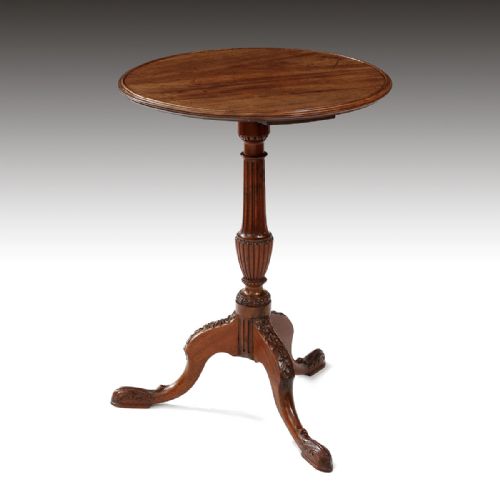
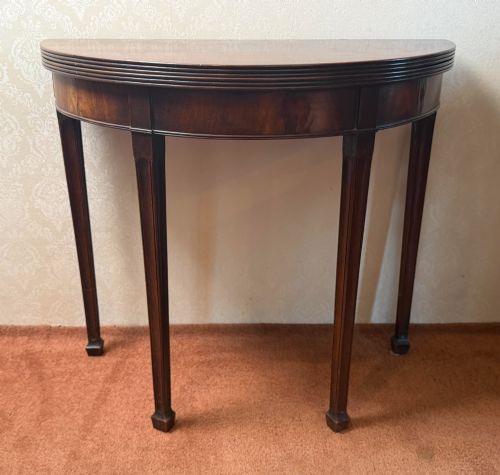
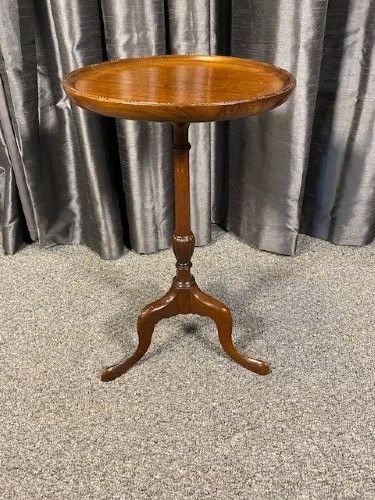
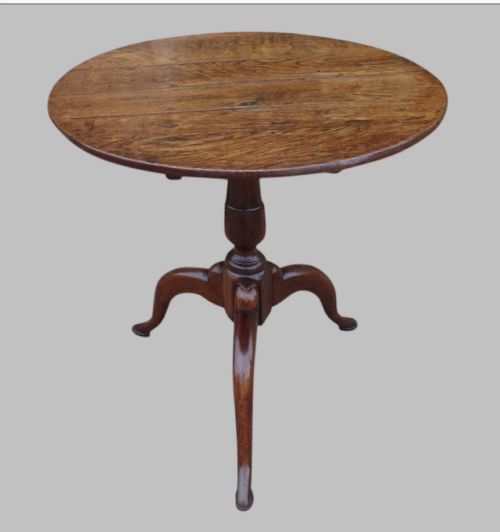
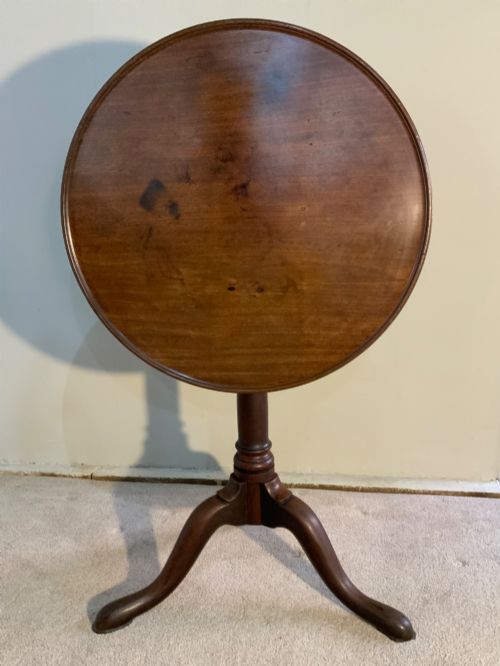
A georgian circular side table is an occasional piece designed for domestic utility, taking forms such as wine tables, tea tables, and lamp tables. These tables stand on tripod bases supporting circular tops, making them easy to move around a room as needed.
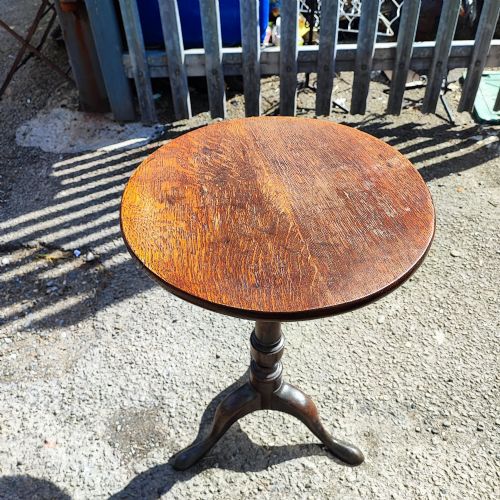
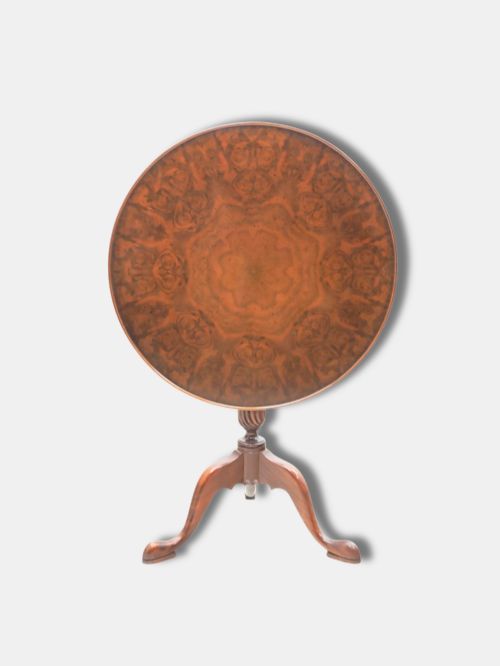
Most examples found here date from the eighteenth century, spanning the Georgian period and around eighteen hundred. They appear in materials like mahogany, solid walnut, oak, and yew wood, reflecting the domestic furniture of the era.
How they were made
Cabinetmakers constructed these tables using timber planks for the circular tops and turned posts for the central supports. Tripod bases feature three legs joined to the central column, often incorporating tilt top mechanisms or birdcage assemblies.
Materials include dense hardwoods like mahogany and walnut alongside native timbers such as oak and yew wood. Metal components like brass and iron appear in mechanisms, hinges, and fastenings used to secure the tilting tops.
Retail Price Guide 2026
Typical UK retail prices for georgian circular side table, calculated from the Sellingantiques database of over a million retail prices indexed since 2003. This retail price guide relies exclusively on Sellingantiques data; no external sources or auction records are used, so the figures do not describe the wider market.
Some tables feature a birdcage, letting the top spin like a compass before tipping sideways to hide in the corner.
What varies in quality
The choice of timber dictates much of the character, with finely figured mahogany and rich solid walnut sitting at the upper end of the scale. Simpler vernacular pieces utilise native oak or yew wood, showing more rustic grain patterns and direct construction.
Joinery and mechanism execution separate standard examples from finer ones. Smooth operation in the birdcage and tilt top pivots, combined with elegant turning on the tripod stems and legs, defines the better made pieces.
The Georgian Circular Side Table Glossary
- Tripod base
- A three-legged support structure underneath the central column of the table. This design keeps the table stable on uneven floors.
- Tilt top
- A mechanism allowing the circular tabletop to pivot into a vertical position. This saved floor space when the table was not in use.
- Birdcage
- A wooden framework beneath the tabletop that allows the top to both tilt and rotate. It is a sign of more complex joinery.
- Occasional table
- A small, movable table used for specific tasks such as serving tea or holding a lamp. These pieces were easily relocated around the home.
Frequently Asked Questions
What is a tilt top table used for?
These tables served various domestic purposes including holding tea equipment, wine bottles, or lamps during the evening.
The tilt mechanism allowed the top to fold flat against the pedestal so the table could be stored against a wall when not in use.
How do I identify a Georgian circular table?
Look for construction traits typical of the eighteenth century, such as tripod legs, turned central posts, and timber choices like mahogany and oak.
Many examples feature specific mechanisms like birdcages or tilting catches that date the piece to the Georgian period.
Are these tables sturdy?
The three-legged tripod base is designed to rest firmly on uneven floorboards without wobbling.
Weight distribution depends on the solid timber top and the sturdy attachment to the central column.
What woods were used?
Cabinetmakers utilised imported timber such as mahogany for finer urban pieces.
Native woods like oak, solid walnut, and yew wood appear frequently in vernacular and regional pieces.