




Brown Walnut Footstool
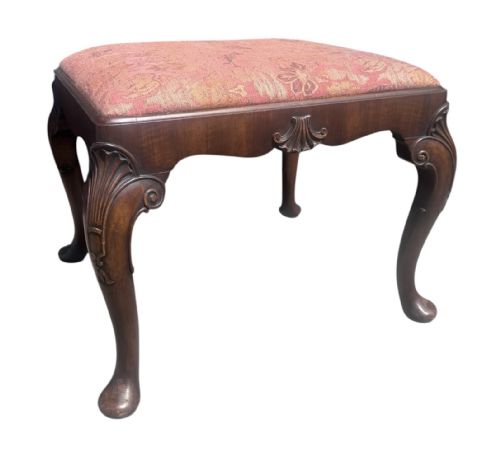
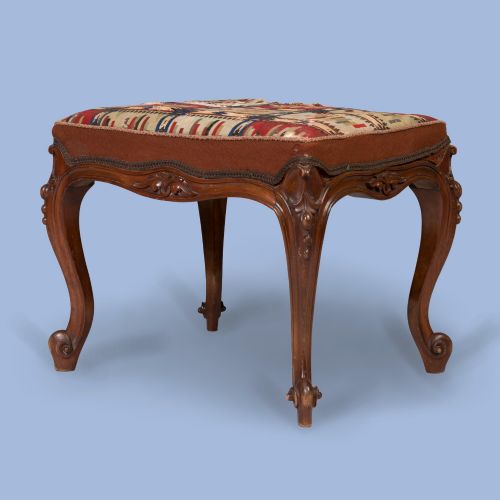
A brown walnut footstool brings warmth and practical comfort to a room, appearing in forms from early eighteenth-century oval designs to Victorian cabriole-legged seating.
Brown Walnut Footstool
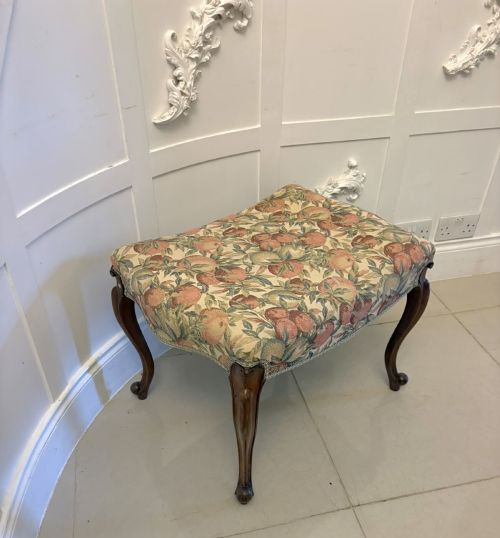
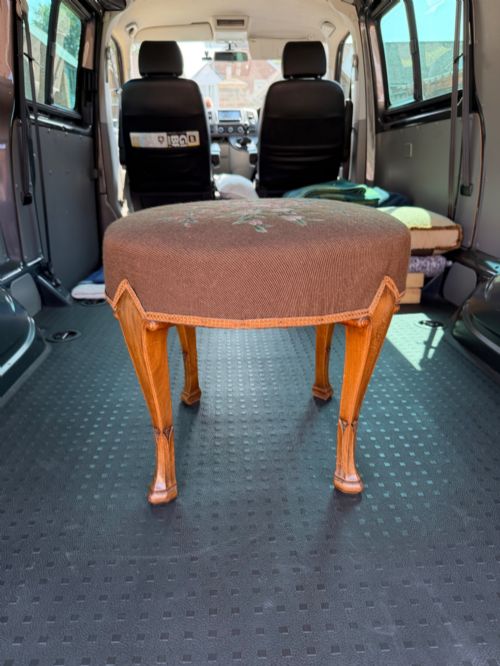
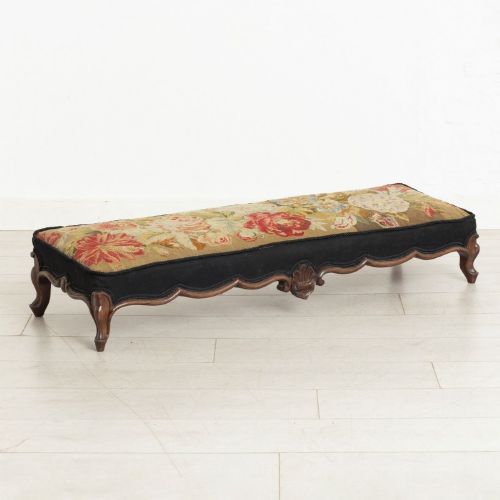
A brown walnut footstool is a low seating piece constructed primarily from walnut timber, often designed to support seated occupants or serve as a dressing table seat. The selections span multiple periods, notably the eighteenth century and the Victorian era, alongside later twentieth-century interpretations.
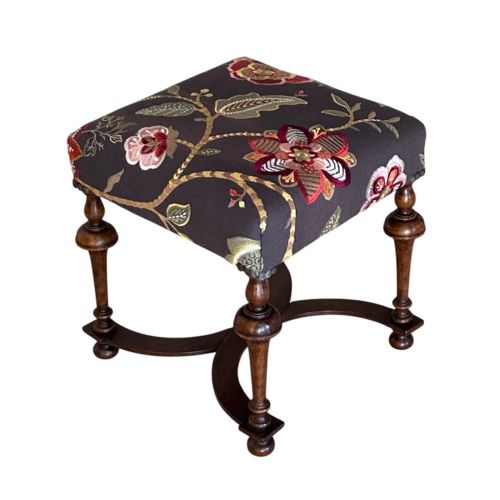
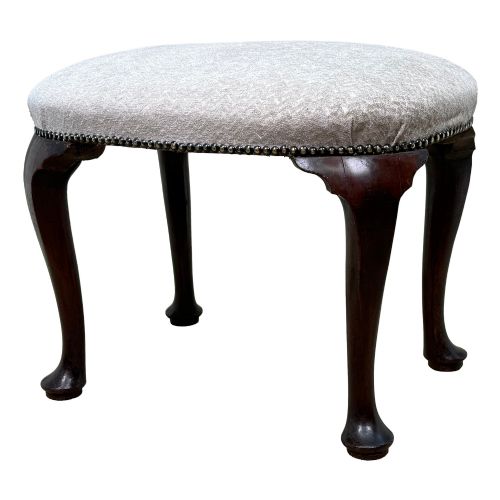
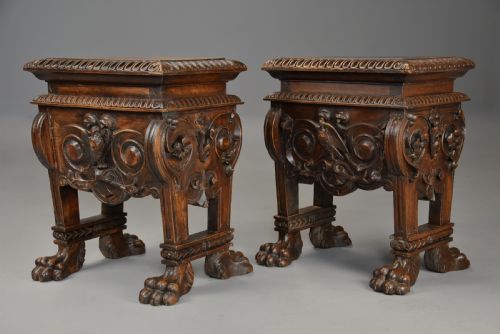
Buyers encounter various stylistic influences within these listings, including Queen Anne revivals, George I designs, and Scottish Baronial forms. Shapes range from simple rectangular formats to oval frames and X-frame configurations.
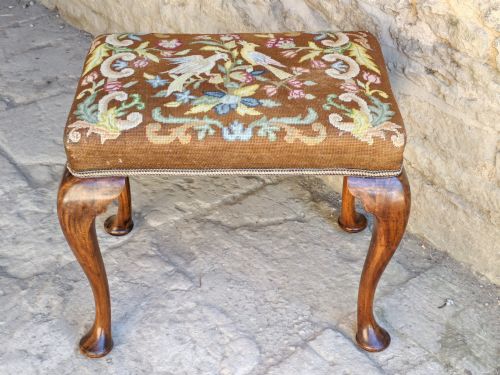
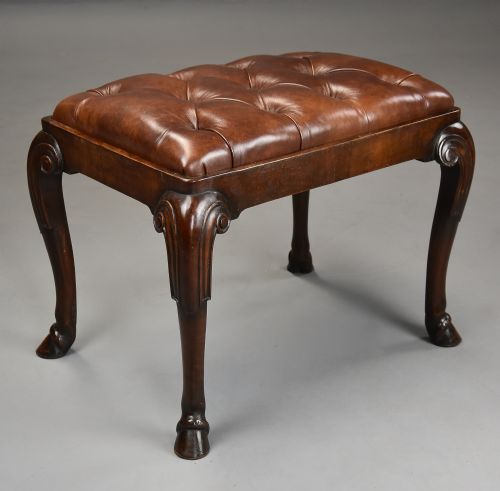
Many examples incorporate upholstered elements, ranging from original fabric and leather to tapestry and velvet. Some pieces double as piano stools or small benches equipped with storage compartments.
Materials and construction
Carpenters utilised solid walnut for the structural frames, often applying carved details such as cabriole legs or decorative motifs directly into the timber. The natural grain of the wood provides the primary visual texture across these pieces.
Upholstery techniques varied by era, employing textiles, leather, velvet, and tapestry secured over padding. Brass components occasionally appear as structural or decorative fixings on specific styles.
Brown Walnut Footstool Retail Price Guide 2026
Typical asking prices for brown walnut footstool among the pieces listed under this phrase on Sellingantiques today, from the lower quarter to the upper quarter. They describe what is for sale here now, not the wider market.
Factors that distinguish quality
The sophistication of the woodwork marks the division between standard production and exceptional examples. Hand-carving on cabriole legs or frames reflects greater artisan effort than simpler turned or plain supports.
The integrity of the upholstery and the retention of original coverings contribute to the character of individual items. Coherence between the chosen historical style, such as Queen Anne or George I design principles, and the execution of the frame dictates the overall standard.
Morris And Co.
The Brown Walnut Footstool Glossary
- Cabriole leg
- A furniture leg that curves outward and then tapers inward, mimicking an animal's leg. This form appears frequently on eighteenth-century and Victorian walnut stools.
- X-frame
- A structural base formed by intersecting diagonal wooden members that create an X shape when viewed from the side. These frames often support more decorative or formal seating.
- Tapestry
- A heavy hand-woven or machine-woven textile featuring pictorial designs used historically for seat covers. It appears on several period footstools and window seats.
- Canterbury
- A low stand or stool featuring partitioned sections, historically utilised for holding sheet music or books. Certain Victorian walnut examples combine this function with a seat.
- George I period
- The design era spanning the early eighteenth century, characterised by refined walnut furniture and clean lines. Subsequent revivals draw heavily upon these proportions.
Brown Walnut Footstool: Frequently Asked Questions
How do I identify a period brown walnut footstool?
Examination of the timber grain, joinery methods, and leg style helps indicate the era of manufacture. Eighteenth-century pieces often display hand-carved cabriole legs, whereas later Victorian examples utilise machine assistance and distinct upholstery.
Comparing the specific decorative motifs against documented furniture styles from periods like George I or the Victorian era provides further context for dating.
Were these stools used purely for the feet?
While many functioned as footstools alongside larger armchairs, numerous variants served alternative purposes in the home. Piano stools, dressing table seats, and window benches all fall within this category.
Some examples also incorporated internal storage compartments or partitioned sections for music sheets, doubling as functional small furniture.
What fabrics typically cover these stools?
Upholstery materials range widely across the available pieces, reflecting both original specifications and later restorations. Common textiles include velvet, leather, tapestry, and standard woven fabric.
Certain listings retain their original upholstery, while others feature newer fabrics applied during twentieth-century updates or conservation work.
How do I care for walnut wood furniture?
Maintaining walnut timber involves keeping the surface clean from dust using a soft, dry cloth. Avoiding direct sunlight and excessive moisture prevents the wood from drying out or warping over time.
Periodic application of appropriate furniture wax helps preserve the natural sheen of the walnut grain without building up heavy residues.