
Padded Vanity Stool
These padded vanity stool examples combine period timber frames with tactile upholstery, bringing genuine historic character to a dressing space.
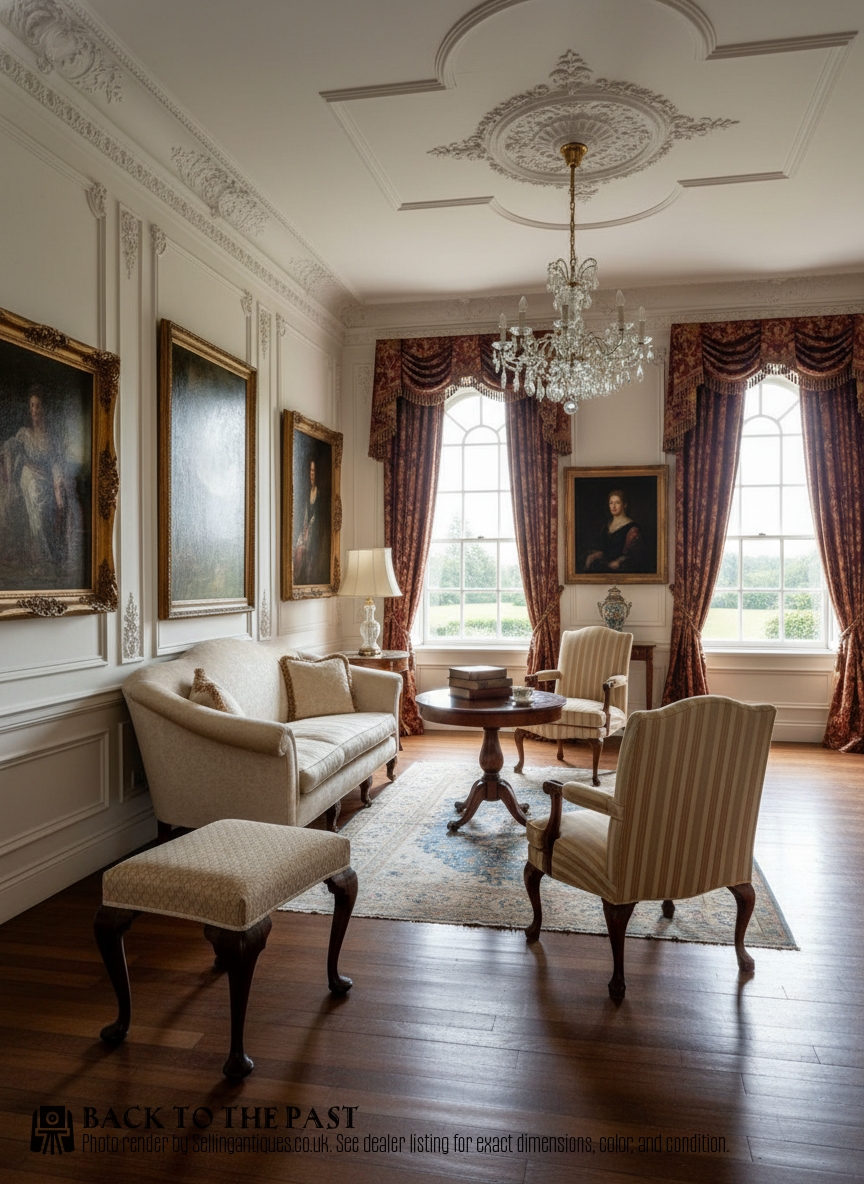
What a padded vanity stool is
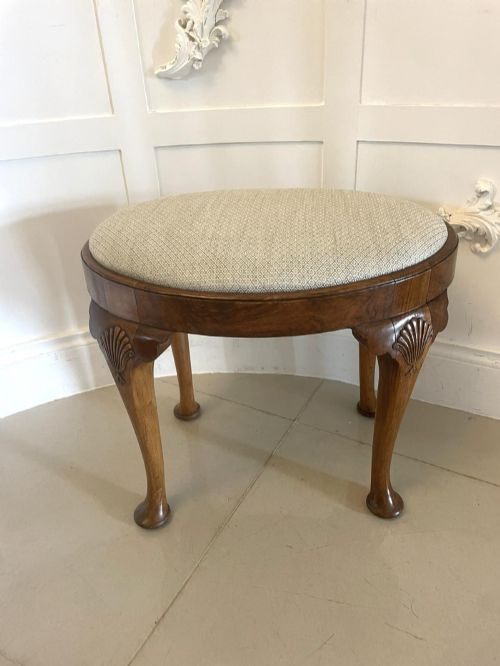
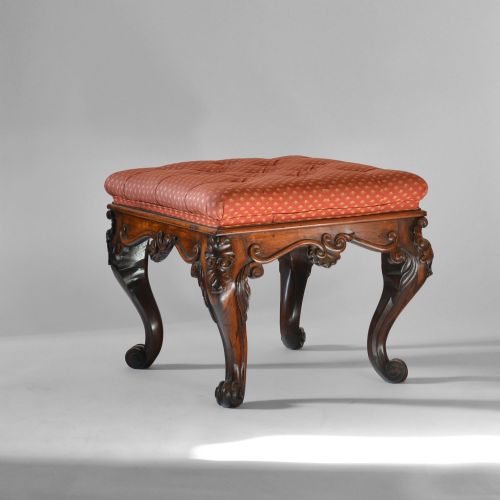
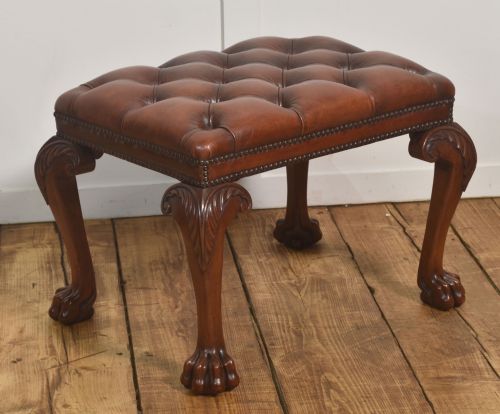
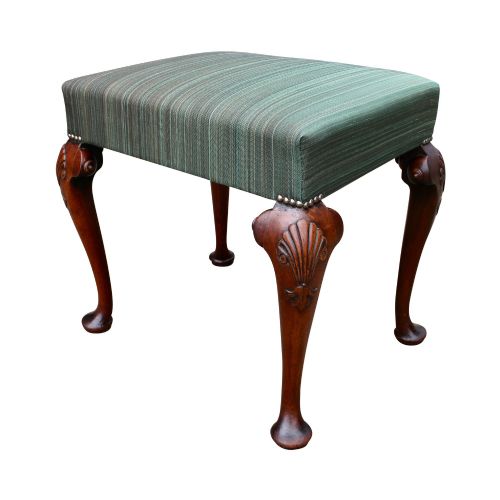
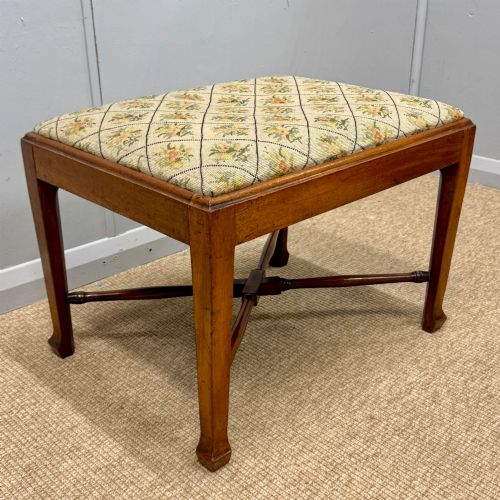
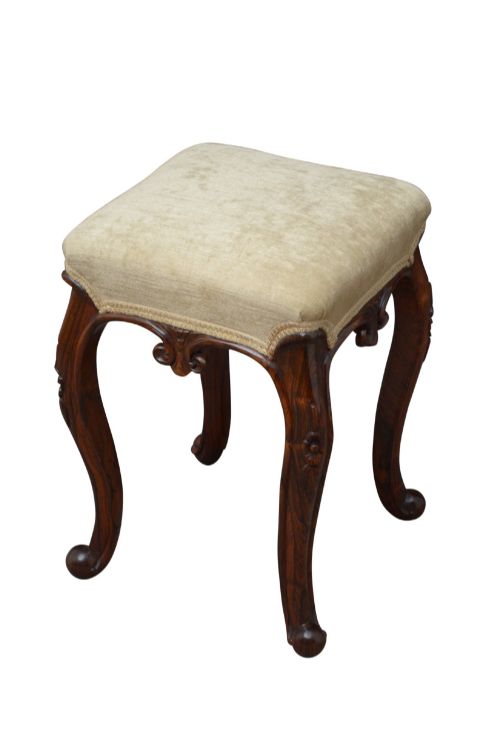
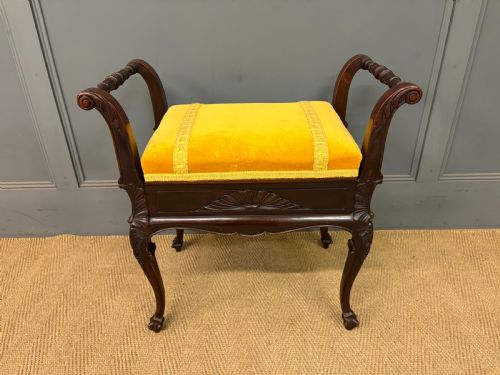
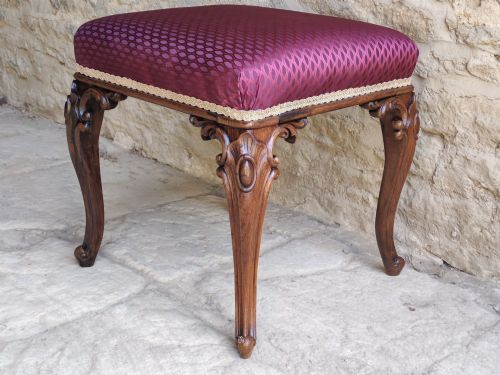
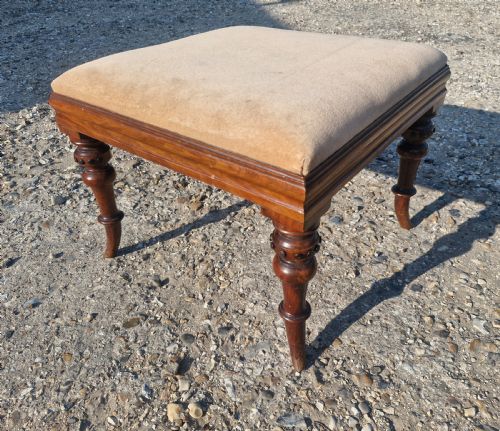
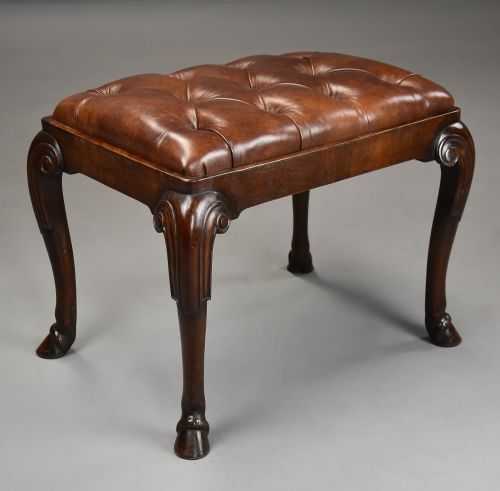
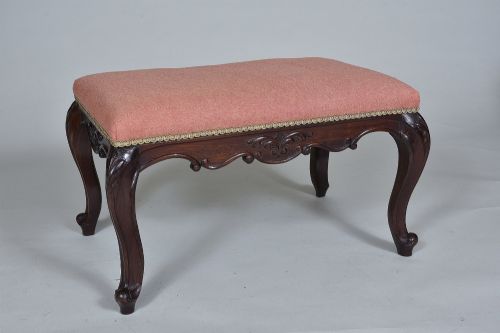
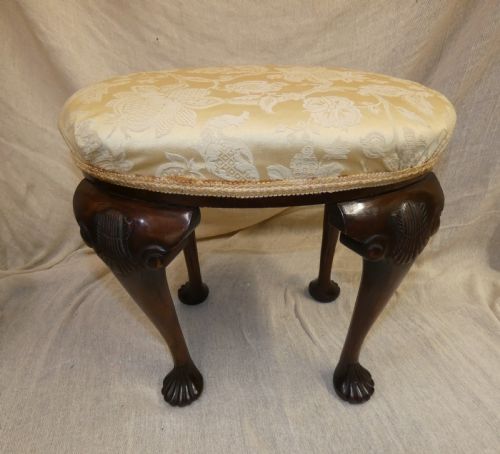
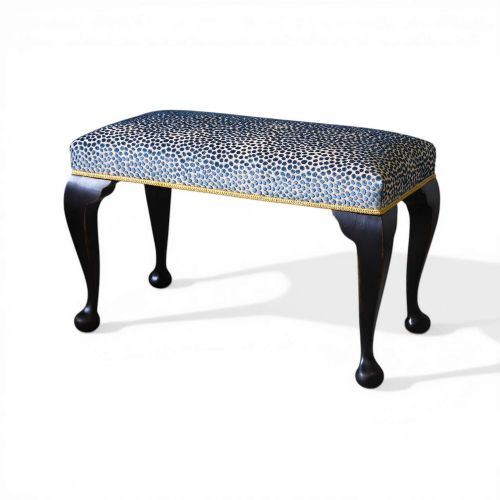
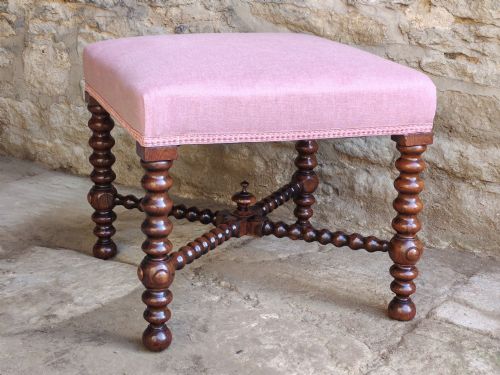
A padded vanity stool is a compact seating piece designed for dressing tables and boudoirs, typically featuring an upholstered top supported by a timber frame. The versions you meet on this page span the nineteenth century, Regency era, and nineteen-twenty, alongside revival styles including Queen Anne, George II, and Victorian Rococo.
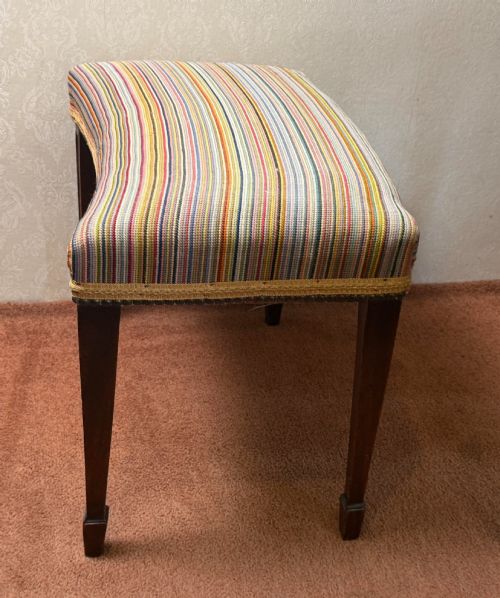
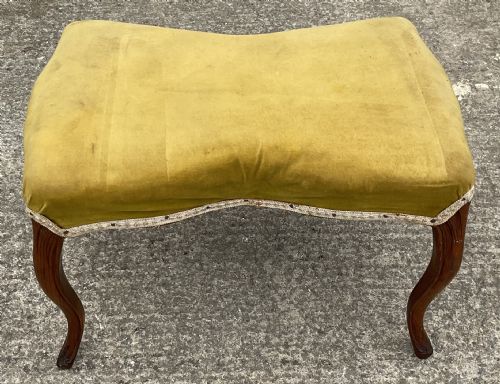
The forms encompass traditional dressing stools, footstools, benches, and waisted ottoman stools. These pieces function primarily as movable seats for personal grooming while adding a touch of period elegance to a bedroom or dressing room.
Materials and construction
The frames utilise solid timbers such as walnut and mahogany, carved and shaped according to the prevailing taste of their period. Metal components occasionally appear in structural or decorative capacities within the designs.
Upholstery relies on traditional textiles, including cotton, chenille, and tapestry. Liberty fabric also appears on specific nineteenth-century examples, paired with internal padding to create a comfortable seat.
Retail Price Guide 2026
Typical UK retail prices for padded vanity stool, calculated from the Sellingantiques database of over a million retail prices indexed since 2003. This retail price guide relies exclusively on Sellingantiques data; no external sources or auction records are used, so the figures do not describe the wider market.
Liberty fabric makes a surprise appearance on a nineteenth-century waisted ottoman, proving the Victorians loved a designer touch just as much as we do.
Distinctions in quality
The distinction between standard examples and superior pieces rests on the crispness of the timber carving and the architectural proportion of the frame. Finer stools display harmonious lines and carefully selected wood grains that reflect accomplished workshop practices.
Upholstery choice and execution further separate the grades, with specialist textiles like tapestries or designer fabrics elevating the visual weight of the piece. The integrity of the underlying joinery determines how solidly the frame endures centuries of use.
The Padded Vanity Stool Glossary
- Waisted ottoman stool
- A form featuring a pinched or curved profile along the sides of the padded body. This shape creates a distinct silhouette popular in nineteenth-century seating.
- Chenille
- A textured fabric woven with fuzzy pile yarns, frequently utilised for historic upholstery. It offers a soft surface and catches the light differently depending on the pile direction.
- Regency
- An architectural and decorative style spanning the early nineteenth century. Pieces from this era often draw on classical Greco-Roman motifs.
- Queen Anne style
- A revival aesthetic characterised by cabriole legs and curved woodwork. It reflects the graceful proportions associated with early eighteenth-century English furniture.
Frequently Asked Questions
Where should I place a padded vanity stool?
These stools fit naturally in front of a dressing table or bedroom mirror where a low, movable seat is required. They also function well as decorative accent pieces in corners or hallways.
Because of their compact proportions, they slide easily beneath tables when not in use, preserving floor space in smaller rooms.
How do I care for antique upholstery?
Vacuum textile surfaces gently using a soft brush attachment to remove dust without pulling the fibres. Keep the fabric away from direct sunlight to prevent fading over time.
If spills occur, blot them immediately rather than rubbing, and consult a professional textile conservator for deep cleaning.
How do I identify a Regency vanity stool?
Regency pieces typically exhibit neoclassical influences, featuring clean architectural lines or classical decorative motifs inspired by ancient Rome and Greece. The timber frames from this period often display dark mahogany finishes.
Examining the construction methods and joinery beneath the upholstery helps confirm the period origin alongside stylistic markers.