





Carved Wood Footstool
A carved wood footstool brings useful low seating and period craftsmanship into a room.
Carved Wood Footstool
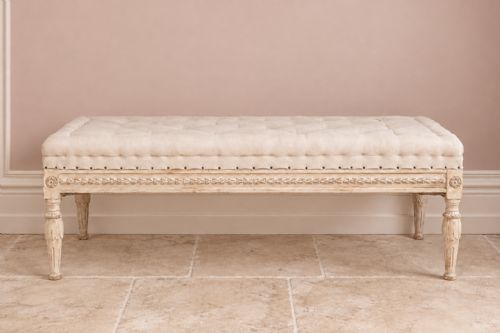
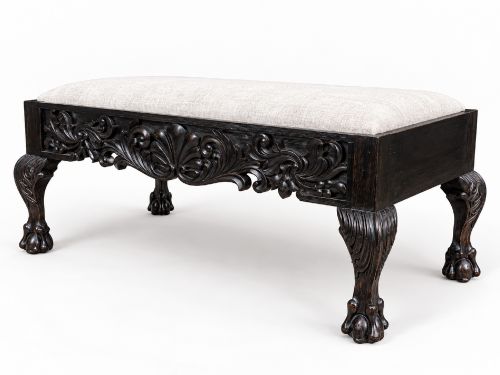
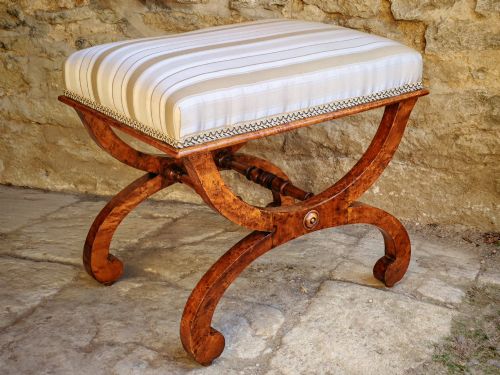
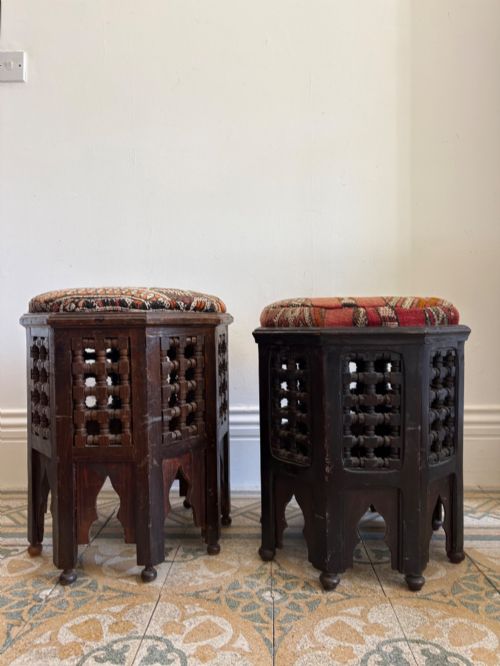
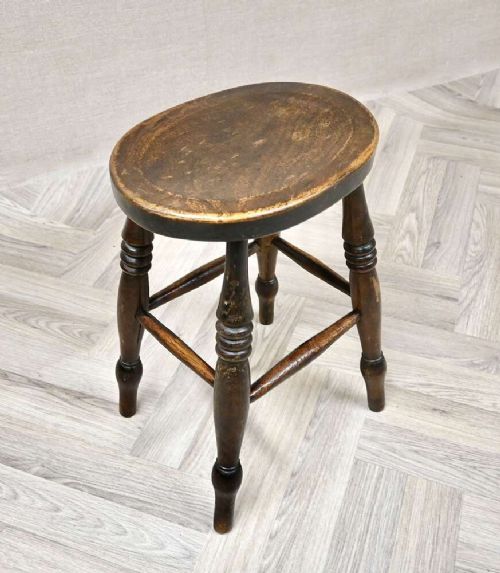
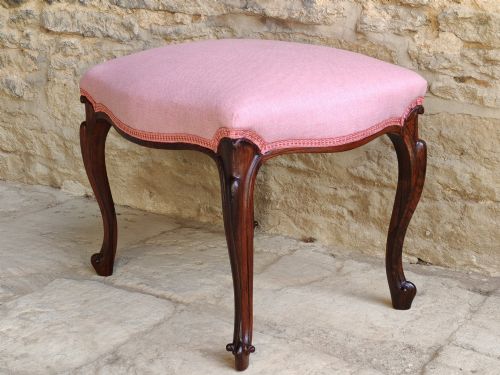
A carved wood footstool is a low seating piece designed to support the feet or serve as a small seat, appearing frequently in Victorian and nineteenth-century forms. Buyers inspecting this selection encounter pieces shaped as dressing table stools, fireside supports, and X-frame varieties.
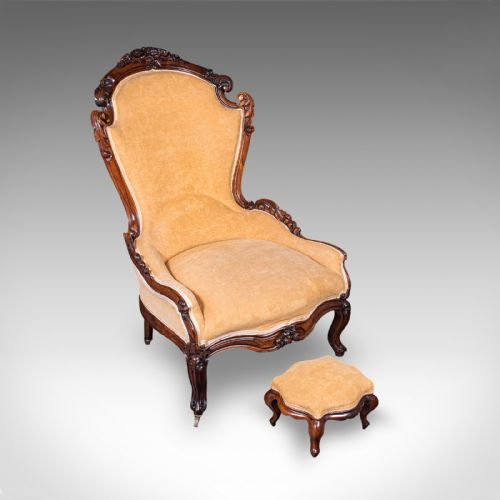
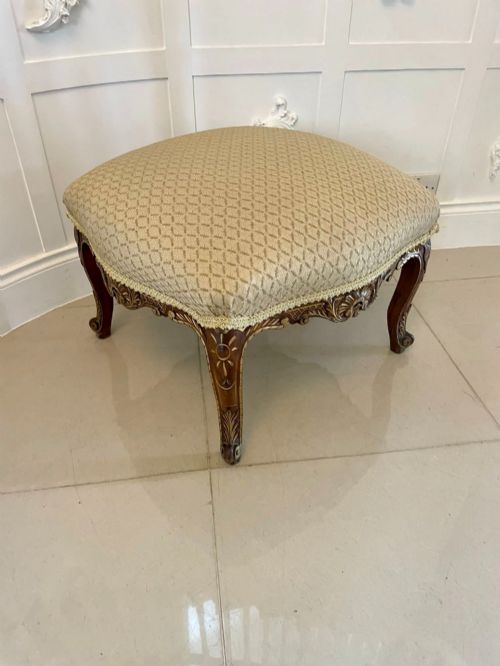
The most common versions on this page date from the nineteenth century, often constructed from walnut or mahogany with upholstered tops. Makers built these items to accompany larger chairs or dressing tables, employing styles that range from plain vernacular timber to revival designs.
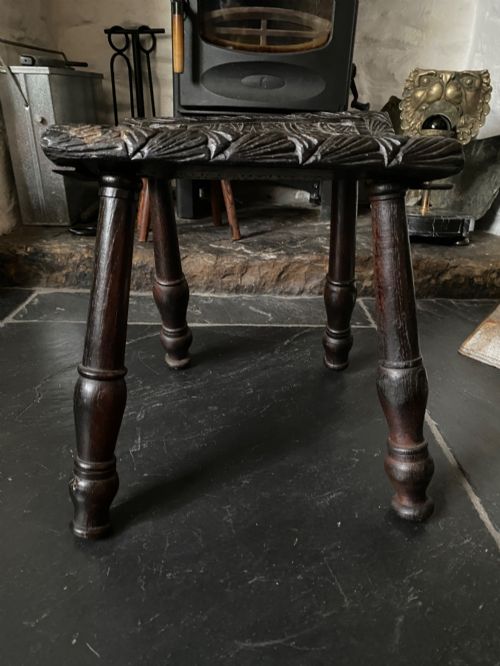
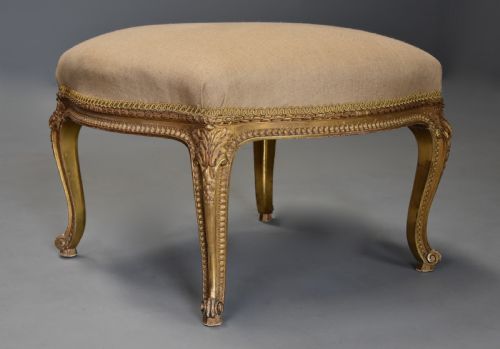
Origin details in the evidence show English, French, and Continental workshops producing these low seats. Collectors find everything from simple country stools with sculpted wooden seats to giltwood and needlepoint-covered parlour examples.
How they were made
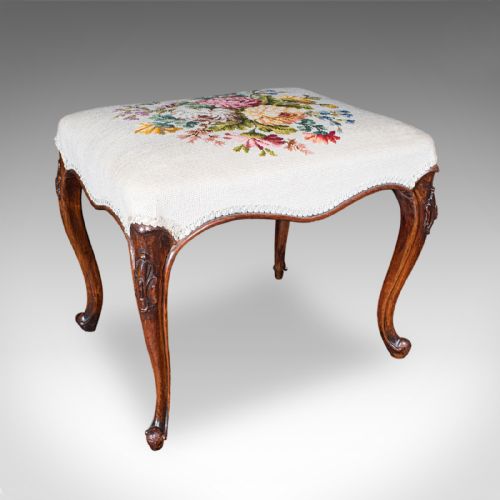
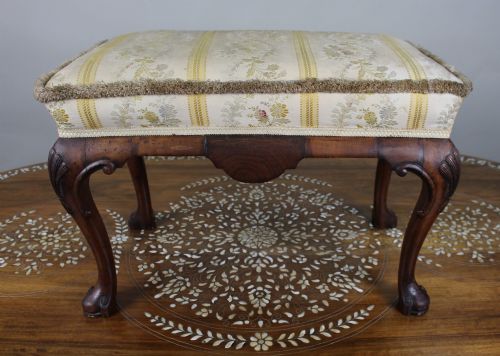
Makers carved these supports from dense hardwoods such as walnut, mahogany, rosewood, and oak, often shaping the timber into cabriole legs, barley-sugar twists, or curule X-frames. Joinery relied on traditional techniques to support weight on compact frames.
Upholstery formed an integral part of the construction, utilising fabrics, textiles, velvet, and needlepoint secured over padding. Artisans frequently combined carved wooden elements with giltwood accents, brass details, or painted finishes.
Carved Wood Footstool Retail Price Guide 2026
Typical asking prices for carved wood footstool among the pieces listed under this phrase on Sellingantiques today, from the lower quarter to the upper quarter. They describe what is for sale here now, not the wider market.
Listings feature woods including walnut, mahogany, rosewood, oak, burr maple, and goncalo alves across multiple centuries.
What varies in quality
The distinction between ordinary and superior pieces rests on the crispness of the timber carving and the selection of figured woods like burr maple or rosewood. Heavier framing and balanced proportions elevate a piece from a utilitarian item to a formal parlour furnishing.
Original surface patination and the integrity of the structural joinery determine the standing of an antique footstool. Pieces retaining their original gilding, upholstery schemes, or maker stamps command greater interest from discerning collectors.
Miles & Edwards·Loidrault Freres Paris
The Carved Wood Footstool Glossary
- Cabriole leg
- A furniture leg that curves outward at the knee and tapers inward toward the ankle, often ending in a pad or scroll foot. This shape draws inspiration from animal limbs and appears widely on eighteenth and nineteenth-century seating.
- X-frame
- A structural support formed by intersecting diagonal members that create an X shape when viewed from the side. This classical design provides stability while offering a decorative profile.
- Needlepoint
- A type of canvas work embroidery executed with yarn, frequently utilised for historical stool and chair upholstery. It introduces intricate patterns and colour to the top of a footstool.
- Giltwood
- Timber that has been coated with a thin layer of gold leaf or gilt paint. This finish creates a bright decorative surface found on formal French and Victorian salon pieces.
- Stretcher
- A horizontal wooden rod connecting the legs of a stool to provide lateral stability. Stretchers can be plain or elaborately turned with twists and carvings.
Carved Wood Footstool: Frequently Asked Questions
How were antique footstools used?
These low seats served primarily to support the feet of individuals seated in high armchairs or fireside chairs. They also functioned as dressing table seats and small movable perches in parlours.
In domestic interiors, their compact size allowed them to be easily shifted around a room as needed for extra seating.
What woods are common?
Walnut and mahogany appear most frequently in the evidence, prized for their strength and suitability for detailed carving. Rosewood and oak also feature regularly across different periods.
Lighter timbers like pine and beech occur in country pieces or items intended to be painted and gilded.
How do I date a footstool?
Dating relies on stylistic clues such as cabriole legs, X-frames, and revival motifs that correspond to specific design eras. Construction methods and secondary timbers inside the frame offer further chronological evidence.
Comparing the decorative carving to known period styles helps narrow down the decade of manufacture.
Can I reupholster an antique stool?
Many historical pieces survive with updated or replacement fabric covers applied to suit modern interiors. Reupholstering is a standard practice for items that have lost their original textile covering over time.
Preserving the underlying webbing and padding structure helps maintain the integrity of the piece during restoration.