

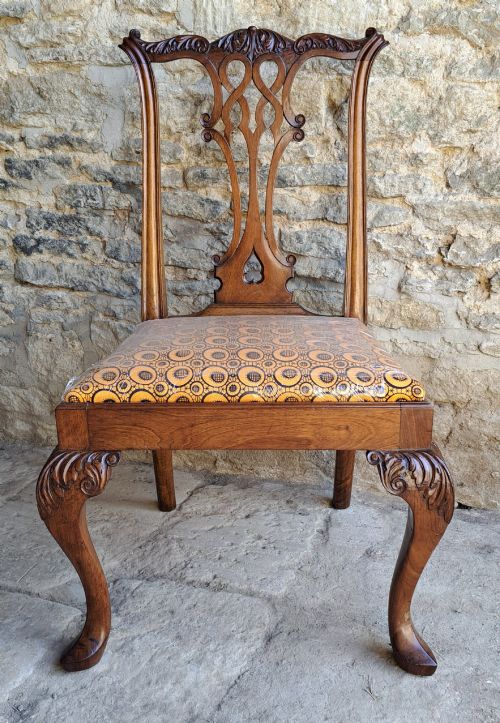
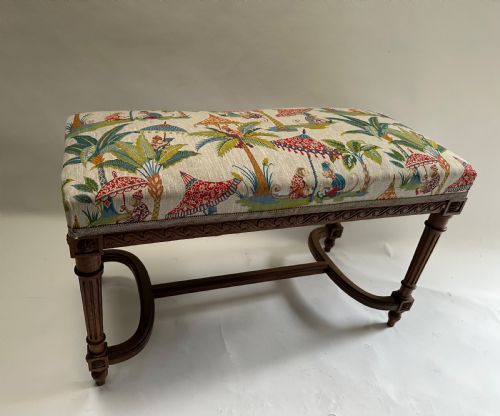
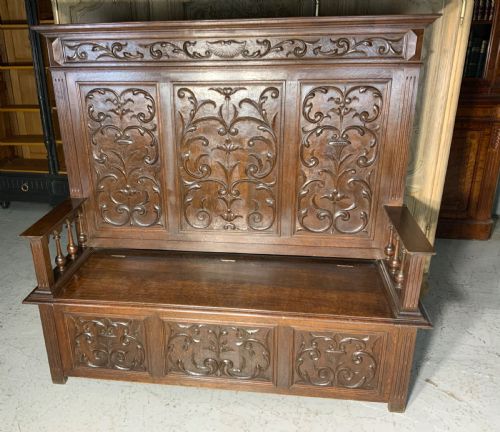
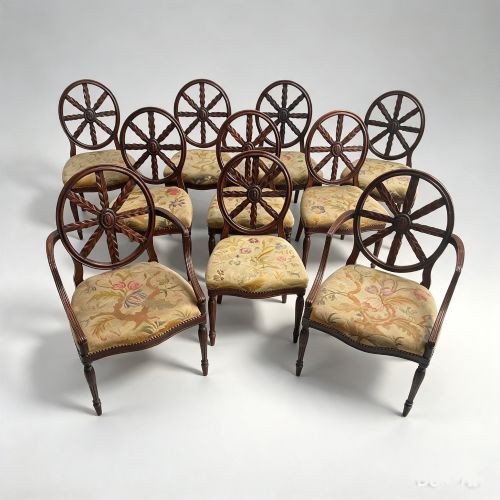



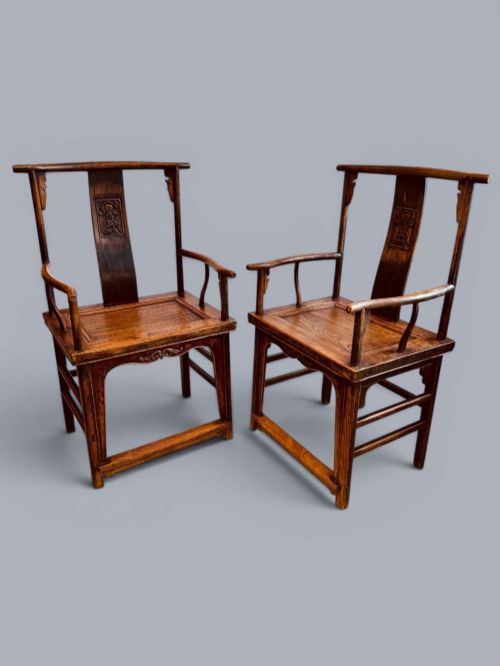
Carved Wooden Seat
When you handle a carved wooden seat, you hold centuries of timber working, from sturdy oak settles to elegant mahogany dining chairs.
Carved Wooden Seat
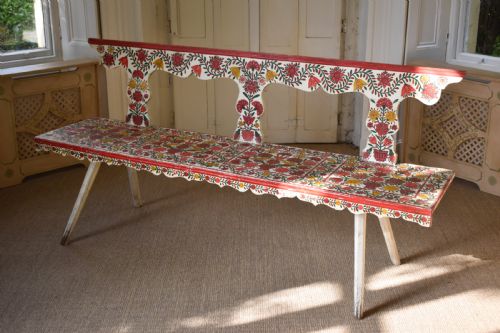
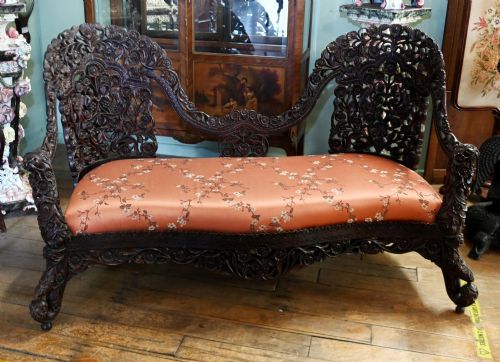
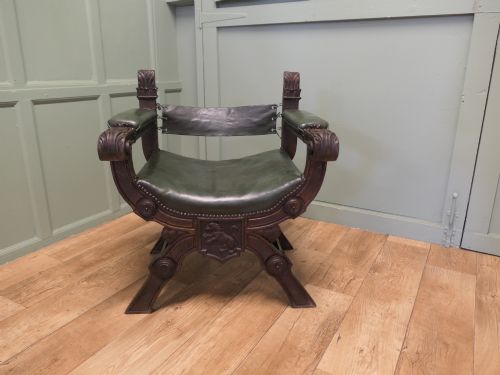
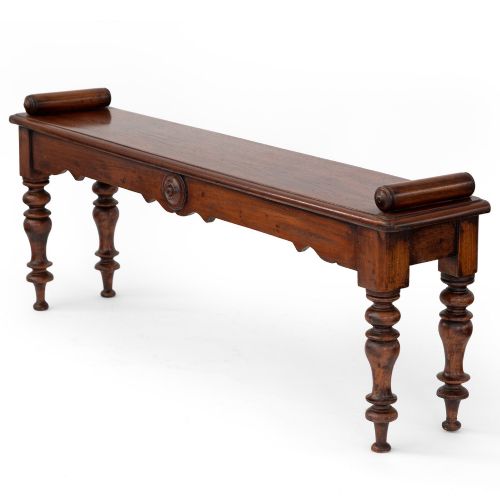
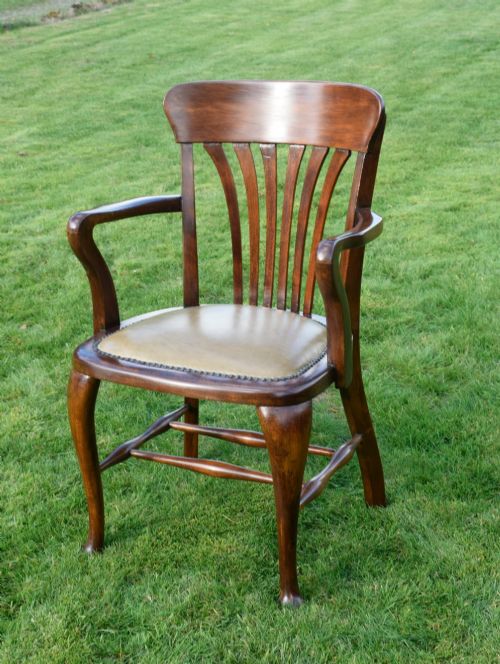
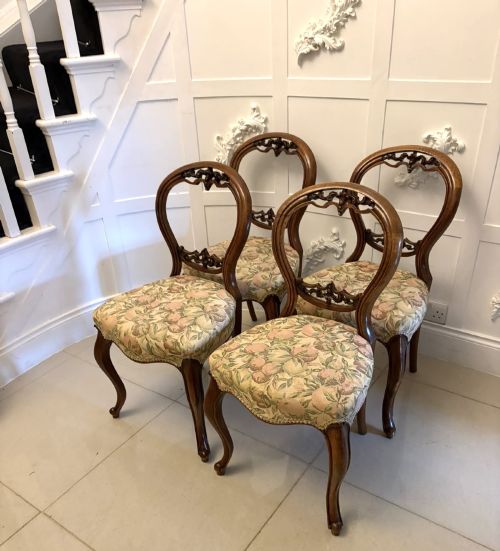
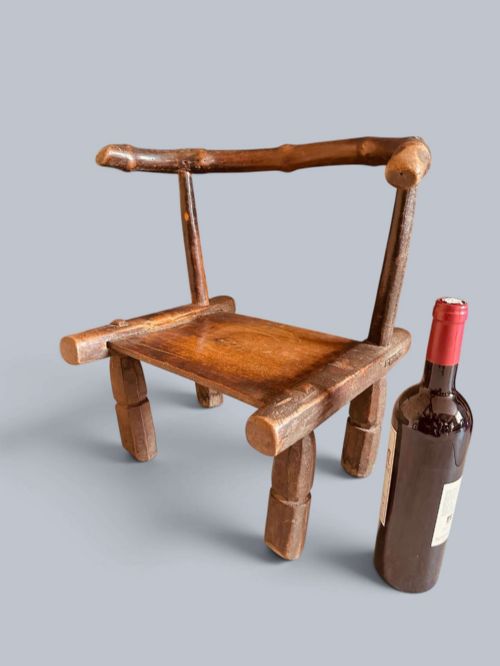
A carved wooden seat encompasses a broad range of historical furniture designed for resting, from formal dining chairs and armchairs to long benches, settles, and occasional stools. The pieces span periods from the eighteenth century through the Victorian era and into the early twentieth century, appearing in woods such as oak, mahogany, and walnut.
You are most likely to encounter nineteenth-century dining chairs and hall benches on this page, alongside sturdy elm and oak country pieces. Styles shift from the clean lines of the Georgian and Regency periods to ornate Victorian revivals and Arts and Crafts designs.
The category also stretches to occasional stools, window seats, and architectural sculptures, showing how carvers applied their tools to utilitarian furniture and decorative seating alike.
Materials and construction
Cabinet makers and joiners relied on hardwoods like oak, mahogany, and walnut, selecting each timber for its grain and strength. Oak dominated early country furniture and heavy settles, while mahogany and walnut became the choice for formal eighteenth and nineteenth-century dining chairs.
Carving was executed by hand using gouges and chisels to create linenfold panels, trefoils, shield backs, and elaborate scrollwork. Joinery methods relied on traditional mortise and tenon joints, sometimes augmented with brass inlay, fabric upholstery, or silk seats.
Carved Wooden Seat Retail Price Guide 2026
Typical asking prices for carved wooden seat among the pieces listed under this phrase on Sellingantiques today, from the lower quarter to the upper quarter. They describe what is for sale here now, not the wider market.
Listings feature woods including oak, mahogany, walnut, elm, and sycamore, spanning the Georgian, Regency, Victorian, and Edwardian periods.
Judging the work
Quality rests in the crispness of the hand carving and the selection of the timber. Sharp, deeply undercut details on walnut or oak show a carver with command over the grain, whereas soft or shallow moulding indicates hurried production.
Structural integrity also separates standard utility pieces from finer examples. Tight joints, matching sets with uniform timber figures, and original upholstery support or intact wooden panels elevate a piece above heavy restorations or mismatched components.
Maple & Co
The Carved Wooden Seat Glossary
- Settle
- A wooden bench with high back, solid arms, and often a box base beneath the seat for storage. They were placed near hearths in halls and taverns to block draughts.
- Hall chair
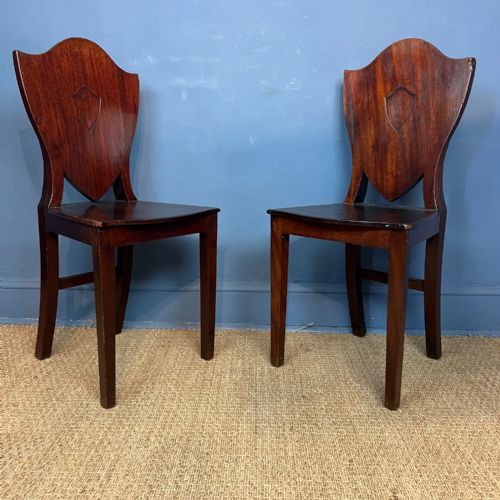
- A rigid wooden seat, usually without upholstery, designed for entrance halls and often featuring a carved crest or shield on the back. These were intended for brief seating rather than comfort.
- Gothic Revival
- A nineteenth-century architectural and decorative style drawing on medieval forms. Pieces often display pointed arches, trefoil motifs, and heavy timber construction.
- Bar back
- A chair style featuring a curved top rail resembling the top rail of a horse cart or a horizontal bar. This form appeared frequently in dining sets during the William IV period.
- Elbow chair
- An armchair designed with low arms intended to fit beneath a desk or dining table. They frequently accompany larger sets of single dining chairs.
Carved Wooden Seat: Frequently Asked Questions
How do I identify a Georgian hall chair?
Georgian hall chairs from the eighteenth century typically feature solid timber seats, turned or tapered legs, and carved shield or oval backs bearing family crests. They were built strictly for entrance halls.
Examine the timber beneath and behind the crest to ensure the carving is integral to the wood rather than a later addition applied to a plain board.
What is the difference between a settle and a bench?
A settle incorporates a high solid back and sides designed to keep out cold draughts in large medieval or country rooms. Benches are generally more open constructions with trestle ends or simpler frames.
Settles often conceal box storage beneath the hinged seat lid, whereas benches remain open underneath.
Are oak benches from the Arts and Crafts period comfortable?
Arts and Crafts oak benches prioritize structural honesty and visible grain over padded luxury. They rely on angled supports, curved top rails, and solid wood construction.
While firm to sit upon, their ergonomic shaping in pieces like Pugin-style designs provides surprising support without cushions.
How should I care for antique mahogany dining chairs?
Antique mahogany requires regular dusting with a soft cloth and occasional feeding with quality beeswax to preserve the natural lustre of the timber. Avoid placing them near direct heat sources.
Check the joints periodically, as dining chairs experience frequent movement and shifting weight during everyday use.