




Black Wooden Stool
These black wooden stool examples range from Victorian ebonised designs to tribal forms, offering compact seating with dark finishes.
Black Wooden Stool
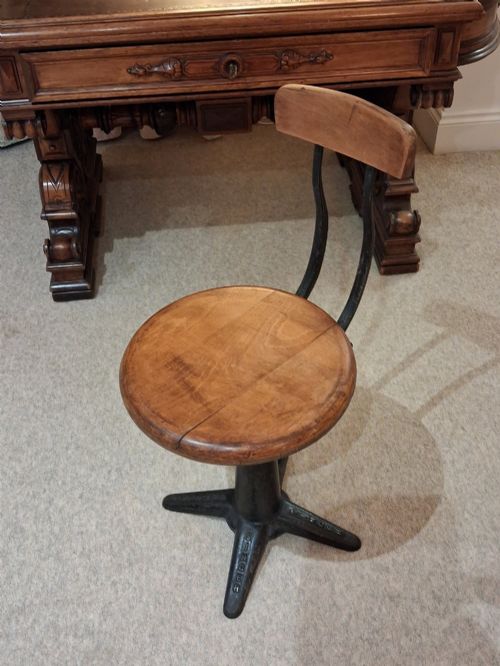
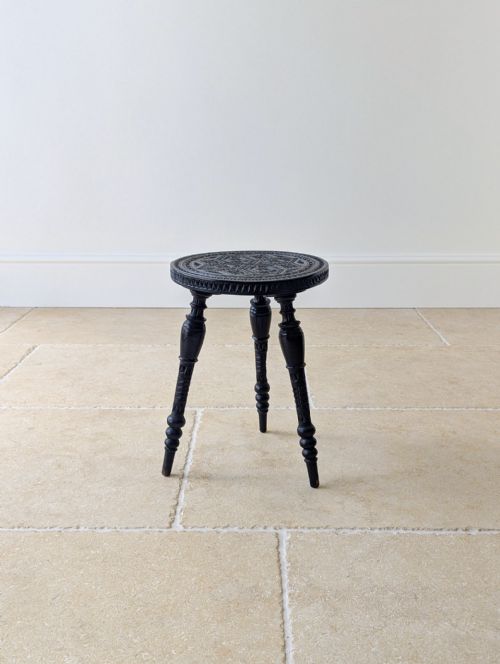
A black wooden stool is a compact seating piece defined by a dark finish or natural dark timber, appearing across periods from the nineteenth century onward. You encounter various iterations on this page, including Victorian ebonised examples, adjustable forms, and carved tribal pieces from African and Asian origins.
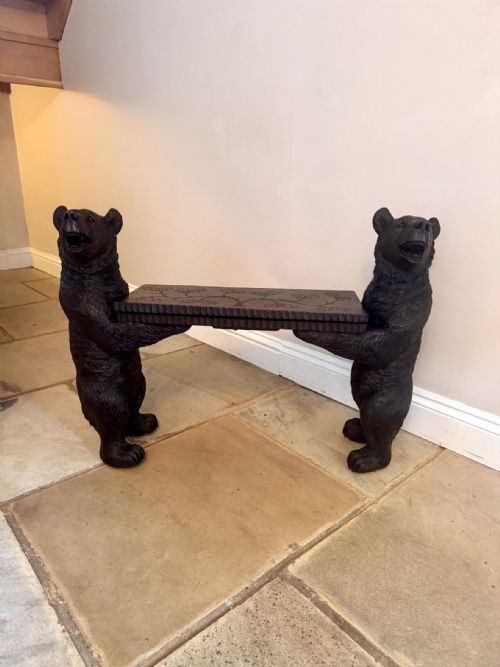
The selection extends to related low seating and occasional forms such as benches and window seats sharing similar dark wooden constructions. These pieces function as versatile accents in a room, serving equally as seats or small display surfaces.
Materials and construction
Construction relies primarily on hardwoods and pine finished with ebonisation, black paint, or dark stains to achieve the characteristic dark surface. Workshops utilised traditional joinery methods suited to each regional tradition, from European turning and chip carving to tribal carving techniques.
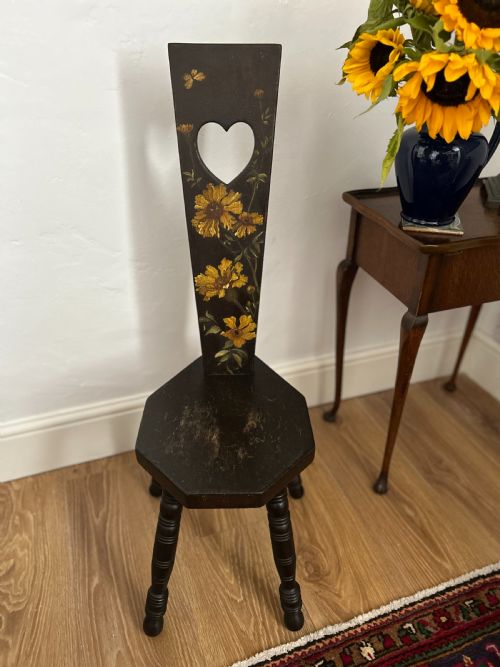
Surface ornamentation often incorporates parcel gilding, paint, or inset materials such as marble, alongside carved details reflecting Aesthetic Movement or regional folk art styles.
Black Wooden Stool Retail Price Guide 2026
Typical asking prices for black wooden stool among the pieces listed under this phrase on Sellingantiques today, from the lower quarter to the upper quarter. They describe what is for sale here now, not the wider market.
Some nineteenth-century makers cleverly disguised ordinary pine as exotic ebony just to keep up with the dark furniture craze.
Assessing quality and execution
Quality reveals itself in the crispness of the carving, the stability of the frame joints, and the integrity of the ebonised or painted surface. Finer examples display deliberate attention to proportion and decorative detail, whether in Victorian parcel gilding or traditional chip carving.
The distinction between standard utility items and finer decorative pieces rests on the refinement of the timber preparation and the sophistication of any applied ornament or upholstery.
The Black Wooden Stool Glossary
- Ebonised
- Wood treated with a stain, dye, or paint finish to imitate expensive ebony. This process became widely popular during the nineteenth century for decorative furniture.
- Chip Carved
- A style of ornamentation where small chips or notches are removed from a flat wooden surface to create geometric patterns. It appears frequently on folk art and Victorian occasional pieces.
- Parcel Gilt
- A decorative technique where specific raised portions or details of an object are partially gilded with gold leaf. This method highlights carved elements against a dark background.
- Aesthetic Movement
- A late nineteenth-century design style that emphasised visual beauty over narrative content, often drawing inspiration from Japanese art and employing ebonised surfaces.
- Tribal
- A term describing objects created within indigenous cultural traditions, such as Ashanti or other African communities. These pieces are typically hand-carved from single blocks of timber.
Black Wooden Stool: Frequently Asked Questions
How do I date a black wooden stool?
Dating relies on examining the construction methods, tool marks, and stylistic indicators present in the wood. Victorian and nineteenth-century pieces often show specific ebonising techniques and joinery standard to that era.
Comparing the form to documented examples from periods like the Aesthetic Movement or African tribal traditions helps narrow down the probable decade of creation.
Are ebonised stools painted or stained?
Ebonisation can involve either a chemical staining process that darkens the timber throughout its surface or the application of a black paint finish. Both methods were utilised to achieve the desired dark tone.
Closer inspection of the surface under good light generally reveals whether the dark layer is a stain penetrating the grain or an applied coating.
How should I clean an antique ebonised finish?
Maintenance requires gentle dusting with a soft, dry cloth to prevent the accumulation of grit on the dark surface. Avoid harsh chemical cleaners that might strip or damage the historic finish.
If cleaning requires more attention, a slightly damp cloth followed immediately by a dry one is typically sufficient for preserving the wood.
Can these stools be used for daily seating?
Most sturdy nineteenth-century and tribal stools remain structurally capable of occasional seating use. Checking the stability of the joints ensures the piece can safely support weight.
Upholstered variants may require attention to internal padding depending on their age and condition, while solid wooden tops offer immediate utility.