


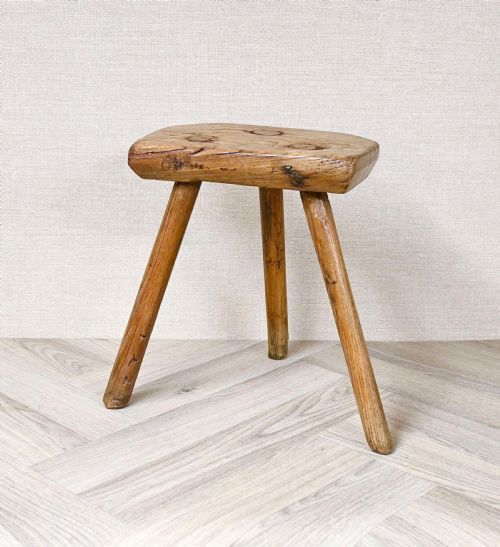


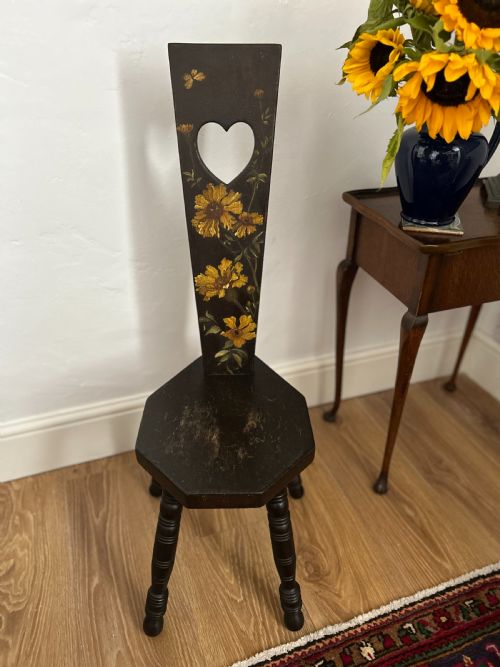


Hand Carved Wood Stool
These hand carved wood stool pieces bring character to a room, ranging from rustic folk art forms to intricate Anglo-Indian designs.
Hand Carved Wood Stool
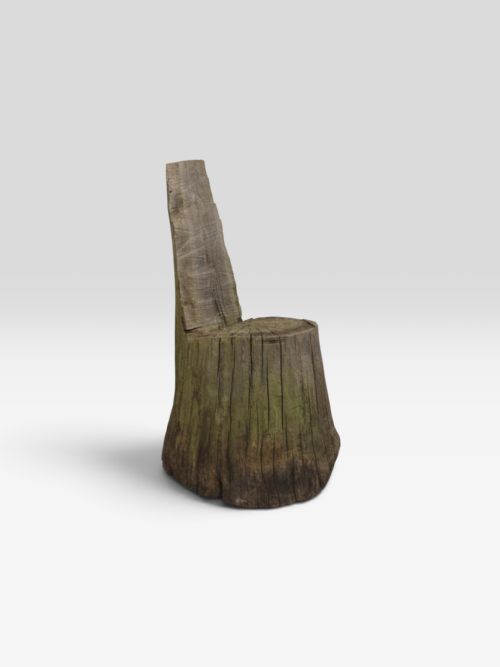
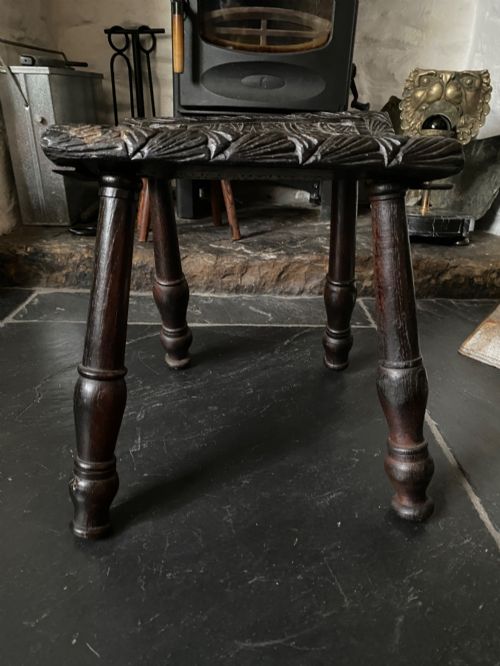
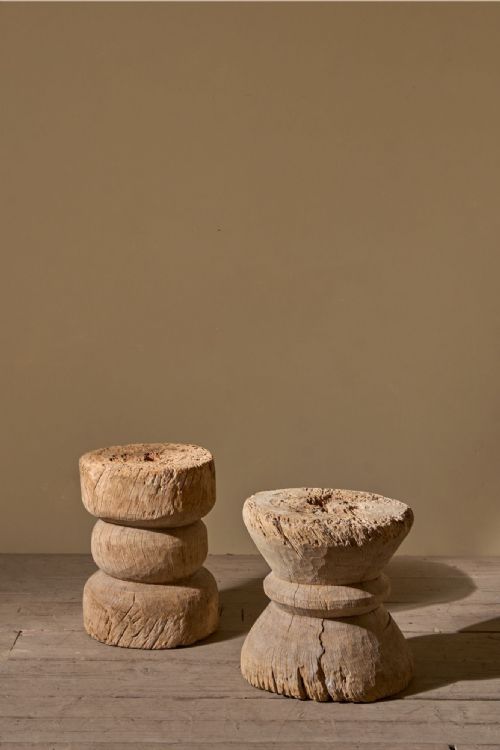
When you search for a hand carved wood stool, you encounter a diverse selection of seating and low tables spanning from the eighteenth century to the twentieth century. These pieces encompass various cultural traditions, including African tribal items, Chinese vernacular forms, and Anglo-Indian colonial works.
You are most likely to meet rustic country pieces and Anglo-Indian examples on this page, alongside occasional tables, chairs, and tribal stools. The selection frequently includes utilitarian items like milking stools alongside highly decorative carved seats.
How they were made
The construction relies heavily on solid timber and hardwood, utilising natural materials shaped by hand. Makers employed traditional carving techniques to transform tree trunks and solid wood into sculptural forms.
Some pieces incorporate supplementary materials like bone inlay and paint to enhance the surface decoration. Structural approaches range from simple dugout construction to complex jointing found in regional chairs and tables.
Hand Carved Wood Stool Retail Price Guide 2026
Typical asking prices for hand carved wood stool among the pieces listed under this phrase on Sellingantiques today, from the lower quarter to the upper quarter. They describe what is for sale here now, not the wider market.
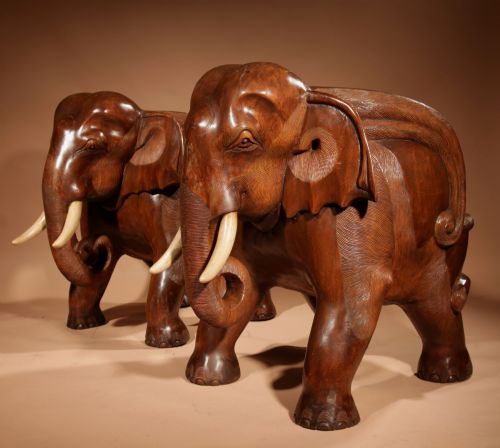
Several pieces feature carved elephant tusks and trunks, turning ordinary seating into miniature menageries.
What varies in quality
The depth and execution of the carving separate standard utility items from finer sculptural works. Sharpness of detail in regional motifs and animal figures indicates the skill of the maker.
Material selection also defines the tier of a piece, with dense hardwoods and well-preserved solid timber commanding greater appreciation than simpler softwood items.
The Hand Carved Wood Stool Glossary
- Anglo-Indian
- Pertaining to the artistic styles produced during the British period in India, frequently featuring dense botanical and animal carving. These items often incorporate local hardwoods.
- Vernacular
- Everyday objects made by local artisans following regional traditions rather than high-style academic designs. Such pieces reflect the specific domestic needs of their origin.
- Dugout
- A method of construction where a single log is hollowed out to form the body of a seat or vessel. This technique produces robust, heavy furniture.
- Tribal
- Objects created within indigenous village communities, often serving ceremonial or utilitarian functions. These works display distinct cultural motifs handed down through generations.
Hand Carved Wood Stool: Frequently Asked Questions
What is a primitive milking stool?
A primitive milking stool is a simple, three-legged or four-legged wooden seat historically used by agricultural workers for milking livestock.
These utilitarian pieces prioritise sturdiness and practicality over ornamentation, often showing straightforward construction from local timber.
How do I identify Anglo-Indian furniture?
Anglo-Indian furniture is identified by its dense, intricate carving, frequently featuring elephants, foliage, and geometric patterns executed on dense hardwoods.
These pieces often combine British furniture forms with traditional South Asian craftsmanship and ornamentation.
Where were Ashanti stools made?
Ashanti stools originate from the Ashanti Empire in West Africa, where they hold deep cultural and social significance for their owners.
Carved from a single block of wood, these curved seats traditionally function as personal thrones and symbols of status.
How should I clean a carved wood stool?
You should clean a carved wood stool gently using a dry, soft cloth to remove dust from the intricate recesses of the carving.
Avoid harsh chemical cleaners and excessive water, applying a traditional wax polish occasionally to nourish the timber.