






Neoclassical Dressing Stool
A neoclassical dressing stool brings restrained classical form and textile comfort to a bedroom, offering a low seat grounded in eighteenth and nineteenth-century design.
Neoclassical Dressing Stool
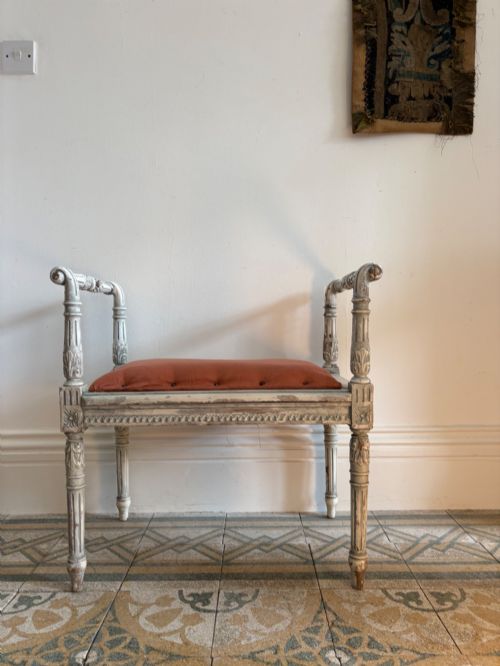
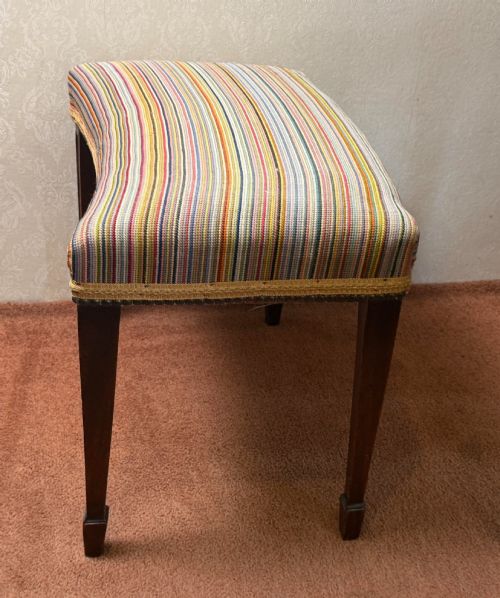
A neoclassical dressing stool encompasses low seating forms such as benches, footstools, and X-frame stools created during the eighteenth and nineteenth centuries. These pieces reflect the clean lines and symmetrical ornamentation associated with the neoclassical movement, adapting classical architectural motifs for domestic interiors.
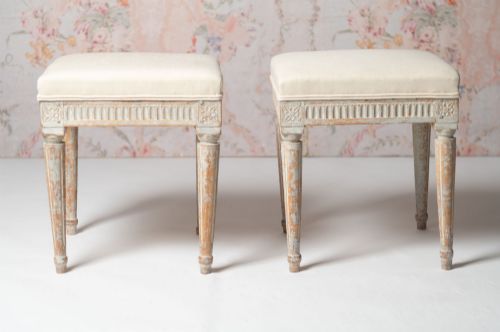
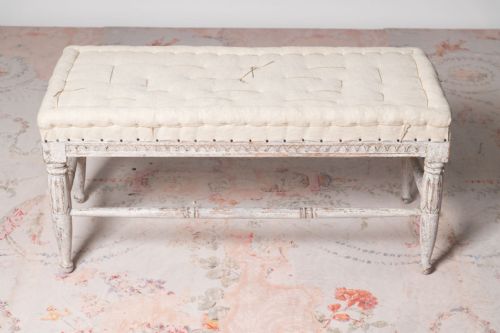
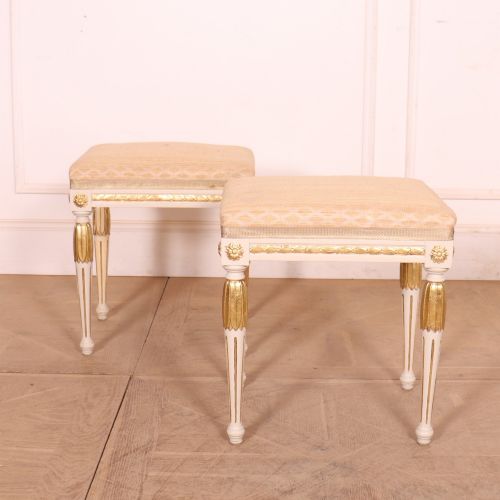
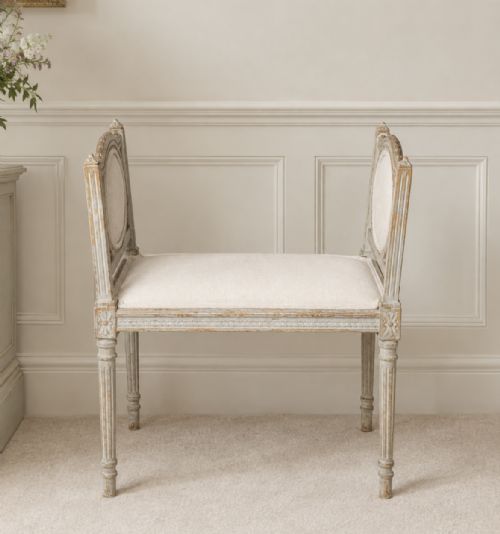
Buyers on this page most frequently encounter Swedish Gustavian interpretations alongside French and Italian examples from the nineteenth century. These items typically feature painted wooden frames or gilded finishes, paired with textile upholstery ranging from simple linen to patterned silk and needlework.
The functional scope ranges from simple square forms with tapering legs to curved curule shapes derived from ancient roman archetypes. Such seating serves as a functional dressing table companion or an accent piece within a period bedroom setting.
Materials and construction methods
The structural framework relies predominantly on timber such as mahogany, oak, and pine, which is then shaped through traditional joinery techniques. Surfaces receive either applied paint, such as white or pale pigments common in Gustavian pieces, or layers of gesso and gold leaf for giltwood finishes.
Upholstery forms an integral part of the construction, utilising textiles like linen, silk, and damask secured over padded seat foundations. Carved decorative elements on the wooden rails and legs demonstrate hand-tooling appropriate to the specific regional style, whether French, Italian, or Swedish.
Neoclassical Dressing Stool Retail Price Guide 2026
Typical asking prices for neoclassical dressing stool among the pieces listed under this phrase on Sellingantiques today, from the lower quarter to the upper quarter. They describe what is for sale here now, not the wider market.
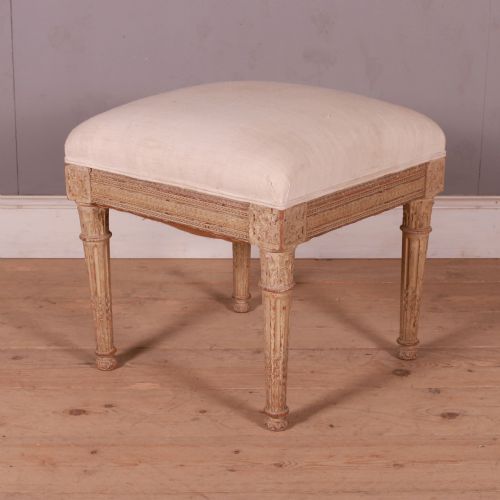
Several Swedish pieces arrive with paint layers thick enough to record the energetic brushstrokes of a nineteenth-century workshop.
Distinctions in craftsmanship and preservation
Quality rests in the crispness of the wood carving and the integrity of the original surface treatment, whether layered paint or applied gilding. Finer examples display balanced proportions, refined leg tapering, and structural joinery that remains rigid over centuries of use.
The condition of the textile upholstery and the underlying webbing contributes to the overall merit of the piece. Retaining original painted finishes without excessive later overpainting distinguishes superior decorative examples from heavily restored variants.
The Neoclassical Dressing Stool Glossary
- Gustavian
- The Swedish interpretation of neoclassical design, characterised by restrained carving, pale painted finishes, and functional elegance. This style emerged during the late eighteenth century under king gustav iii.
- Curule stool
- An ancient Roman magistrate's seat form featuring intersecting X-shaped legs that create a folding or X-frame profile. Neoclassical revivals frequently adopted this ancient shape for formal seating.
- Giltwood
- Timber coated with a thin layer of gold leaf over a prepared gesso ground. This technique creates a luminous surface common on French and Italian neoclassical furniture.
- Damask
- A reversible figured fabric woven on a jacquard loom, frequently utilised for historic upholstery. The pattern appears through contrasting matte and lustrous yarn surfaces.
- Gesso
- A paint mixture consisting of a binder mixed with chalk, gypsum, or pigment, applied to wood as a base for gilding. It provides a smooth ground for subsequent leaf application.
Neoclassical Dressing Stool: Frequently Asked Questions
What is a neoclassical dressing stool?
A neoclassical dressing stool is a low nineteenth or eighteenth-century seat designed for vanity use, following classical aesthetic principles. These pieces incorporate rectilinear or curule frames with painted or gilt finishes.
They function as portable seating within domestic spaces, often coordinated with period bedroom furnishings. The designs draw from French, Italian, and Swedish interpretations of classical antiquity.
How do I identify a Gustavian stool?
Gustavian stools are identified by their pale painted wooden surfaces, often in white or soft grey, combined with restrained neoclassical carving. These Swedish pieces favour understated elegance over heavy ornamentation.
They frequently feature square tapering legs and simple structural lines dating from the nineteenth or late eighteenth century. The regional aesthetic prioritises light reflection in northern European interiors.
Were these stools used at dressing tables?
These low seats provided practical seating for daily grooming routines at dressing tables and mirrors. Their compact proportions allowed them to slide neatly beneath furniture when not in use.
The upholstered tops offered comfort during extended periods, while the decorative frames complemented the larger chamber furnishings.
How should I care for giltwood and painted finishes?
Preserving historic painted and giltwood surfaces requires dusting with a soft, dry cloth without chemical polishes or moisture. Avoiding direct sunlight prevents the gesso and paint layers from drying and flaking.
Gentle handling of the wooden frame prevents chipping on the delicate edges of carved details. Textile upholstery should be vacuumed lightly using a brush attachment.