
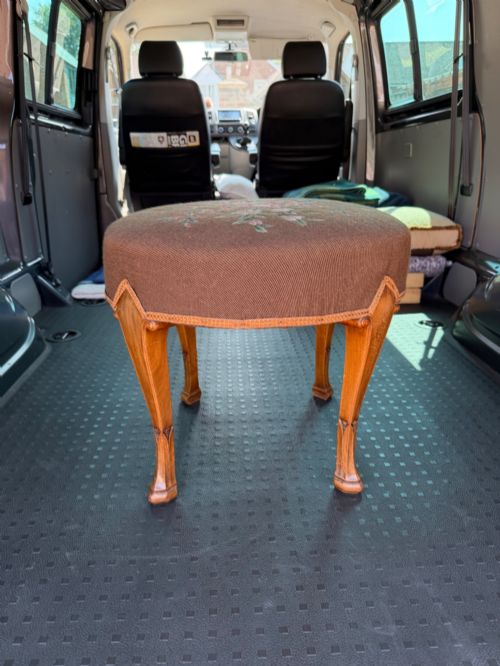
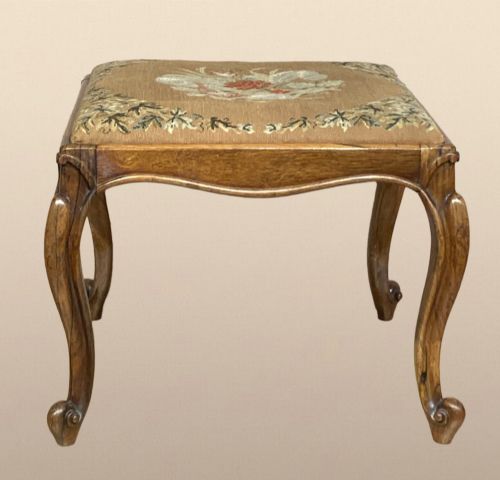


Needlepoint Dressing Stool
A needlepoint dressing stool brings a touch of period charm to a bedroom, combining practical seating with decorative textile artistry.
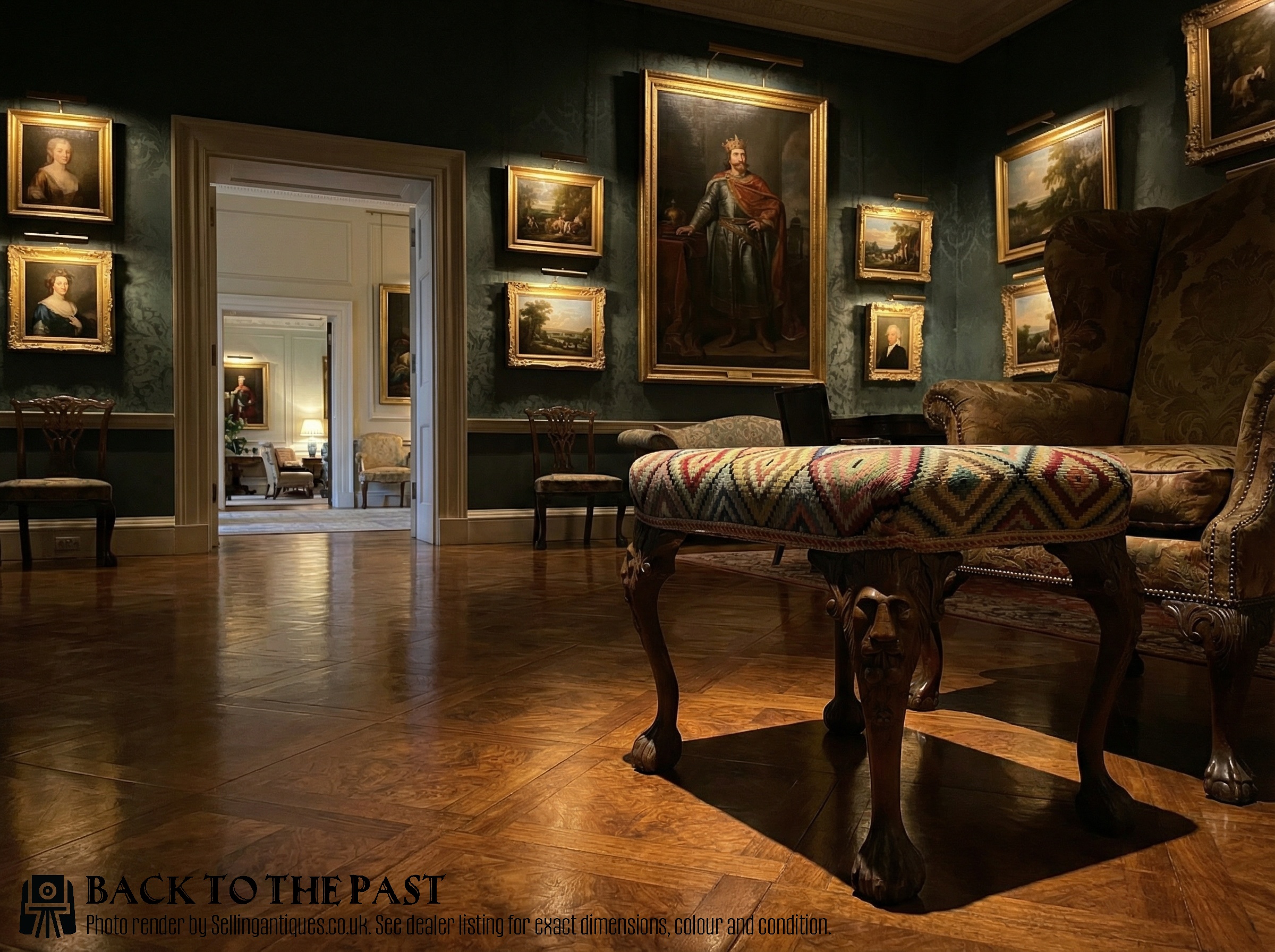
Needlepoint Dressing Stool
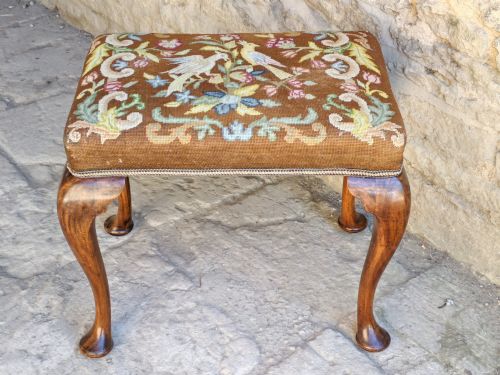
A needlepoint dressing stool is primarily designed for use at a dressing table, piano, or fireside, appearing in forms ranging from small circular seats to large upholstered ottomans. These pieces span several eras, with many examples originating from the Victorian period alongside earlier 19th-century designs and later 1920s revivals.
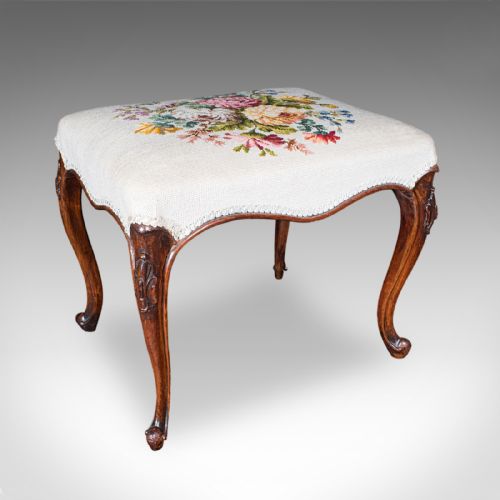
Buyers will encounter various stylistic influences when examining these items, including Queen Anne style, Chippendale style, and Louis XV revival framing. The core function remains a low, movable seat paired with a decorative textile top suited for daily domestic use.
Materials and Construction
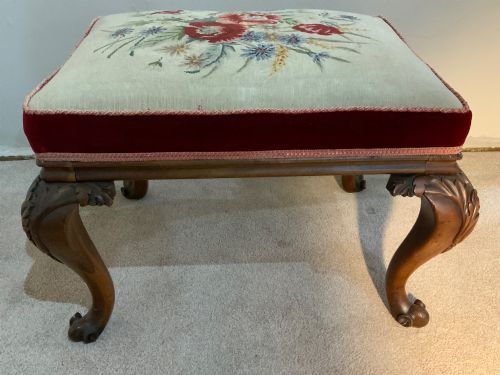
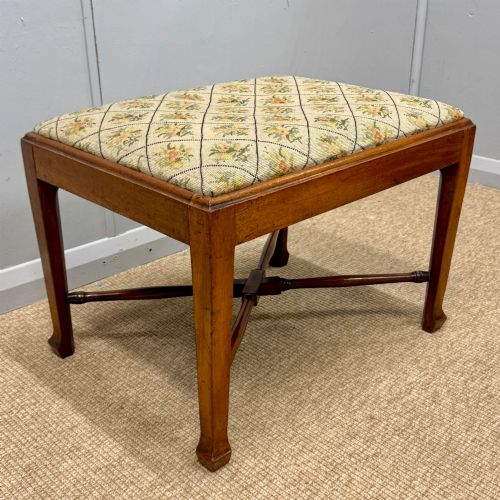
Frames are constructed from sturdy timbers such as walnut, mahogany, rosewood, oak, and birch, often shaped with cabriole legs, cross stretchers, or carved details. Some pieces feature painted or gilt surfaces rather than exposed wood grain.
The seats are upholstered in wool tapestry, needlepoint, textile, fabric, or velvet, displaying stitched patterns that secure directly over the wooden frame. Original fabric survivals sit alongside later reupholstered examples.
Needlepoint Dressing Stool Retail Price Guide 2026
Typical asking prices for needlepoint dressing stool among the pieces listed under this phrase on Sellingantiques today, from the lower quarter to the upper quarter. They describe what is for sale here now, not the wider market.
Listings feature woods spanning walnut, mahogany, rosewood, oak, and birch, alongside upholstered surfaces in wool tapestry and velvet.
Distinctions in Quality
Quality rests in the crispness of the timber carving and the density of the frame construction, particularly where legs join the seat rails. Walnut and mahogany frames with robust stretcher systems or detailed cabriole legs represent higher levels of cabinetmaking.
The needlepoint and tapestry work varies considerably in the fineness of the stitch and the complexity of the design. Hand-worked wool upholstery with well-preserved colour and tight tension elevates the overall standard of the piece.
Jas Shoolbred
The Needlepoint Dressing Stool Glossary
- Needlepoint
- A type of counted thread embroidery stitched on canvas, commonly used for the top seat covers of these stools. It provides a durable and decorative surface.
- Cabriole leg
- A furniture leg that curves outward and then tapers inward, frequently found on Victorian and revival period frames. This shape mimics animal legs in profile.
- Cross stretcher
- An intersecting wooden brace connecting the legs beneath a stool for added stability. They appear on various 19th-century and 1920s dressing table seats.
- Tapestry
- A heavy woven or stitched textile used interchangeably with needlepoint in period upholstery. These covers often depict floral or geometric motifs.
Needlepoint Dressing Stool: Frequently Asked Questions
What is a needlepoint dressing stool used for?
These low seats function primarily at dressing tables or pianos, offering a comfortable place to sit while grooming or playing music. They also serve as decorative footstools in living spaces.
Their compact size allows them to tuck neatly beneath furniture when not in active use.
Are the needlepoint tops original?
Many pieces retain their original wool tapestry or needlepoint covers from the 19th century, showing natural age and wear. Other pieces have received fresh upholstery over time to ensure structural integrity.
Examining the underside helps determine whether the textile dates to the frame's period.
Which woods are most common?
Walnut and mahogany appear most frequently across the surviving examples, prized for their rich grain and strength. Rosewood, oak, birch, and painted or gilt finishes also occur in the listings.
Cabinetmakers matched these timbers to the prevailing style of the decade.
How do I identify a Victorian piece?
Victorian examples typically feature dense hardwoods like walnut or rosewood, often paired with elaborate floral needlepoint. Carved cabriole legs and robust frame construction are standard markers of this era.
Looking beneath the upholstery reveals period fixings and timber ageing consistent with the mid to late 19th century.