
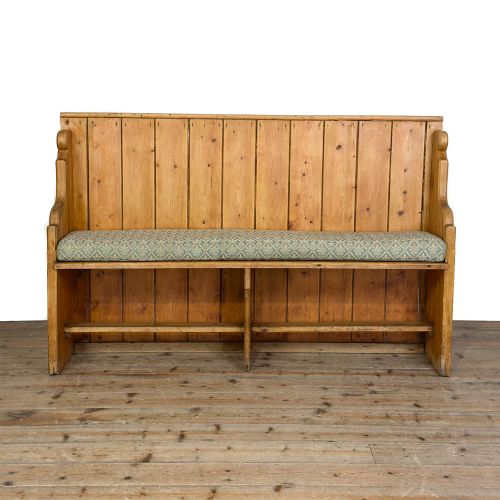
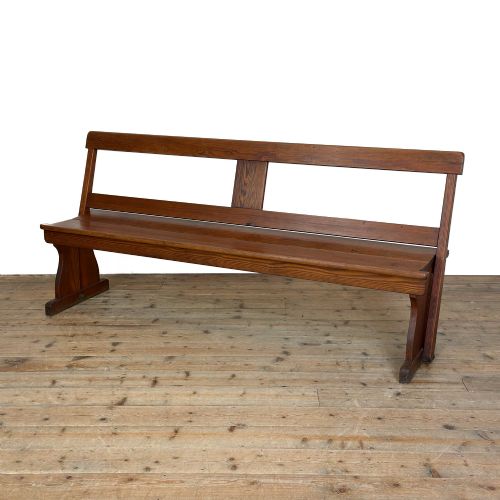
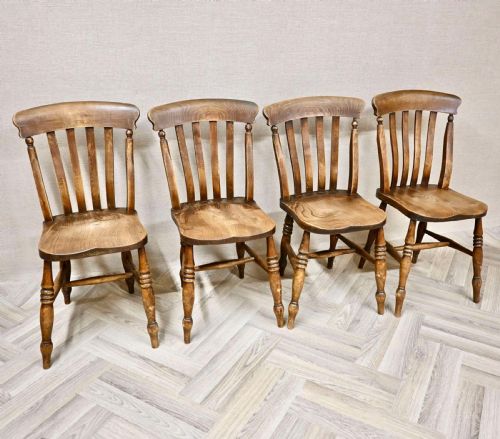

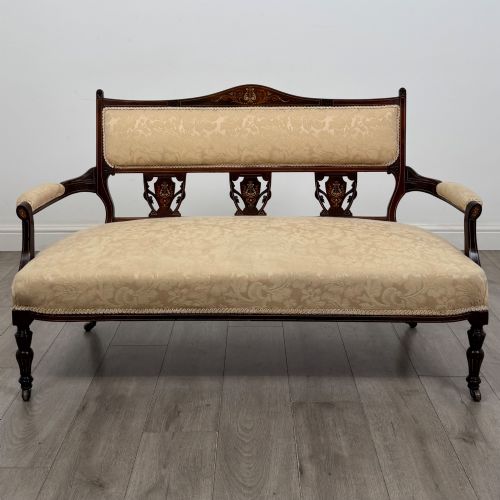
Victorian Seating
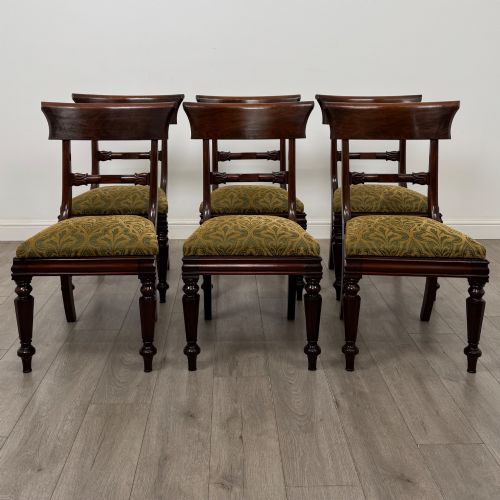
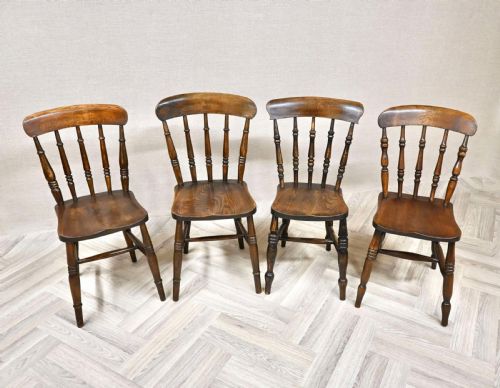
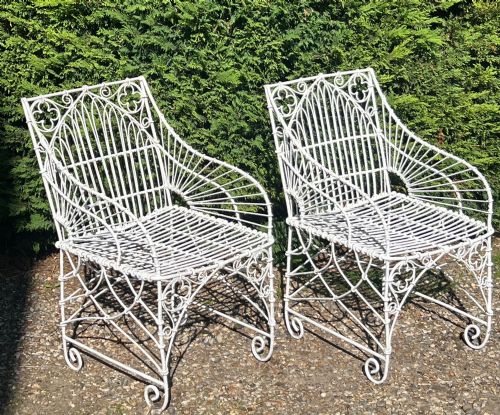
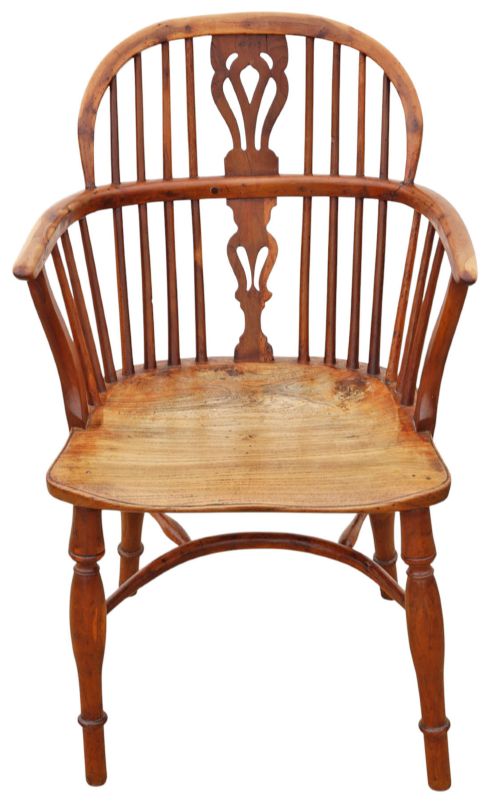
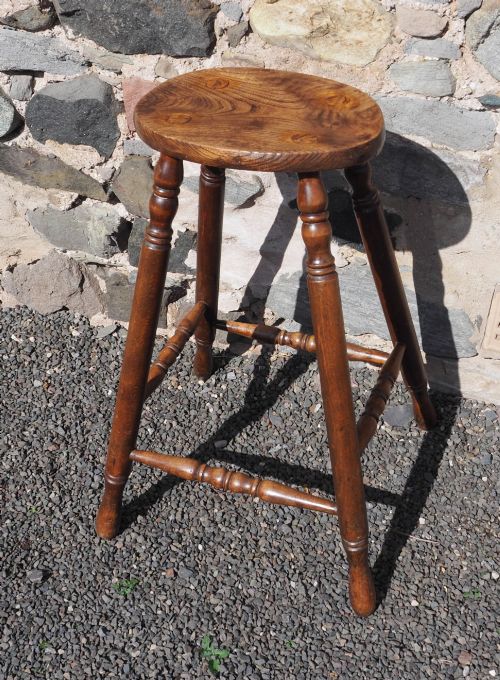
These pieces of victorian seating span sturdy country kitchen chairs and formal walnut library armchairs designed for nineteenth-century life.
Victorian Seating
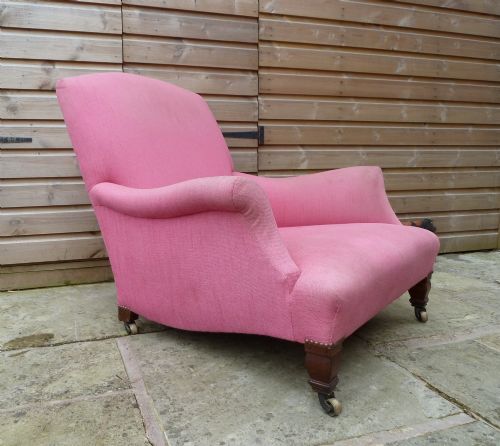
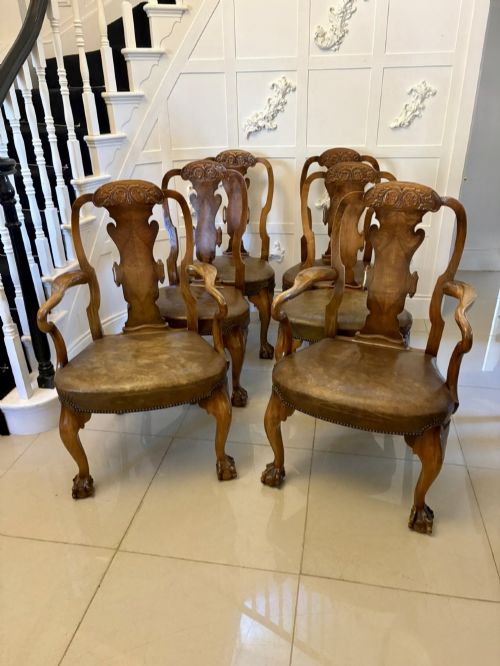
Victorian seating encompasses a broad spectrum of domestic and commercial furniture, ranging from simple elm farmhouse Windsor chairs to elaborately carved walnut dining chairs and mahogany revolving desk chairs. Buyers seeking victorian seating most frequently encounter dining sets, armchairs, benches, and various stools originating from nineteenth-century workshops.
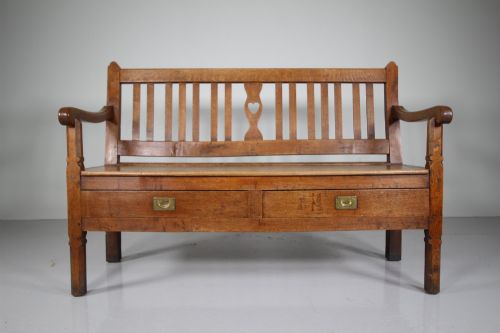
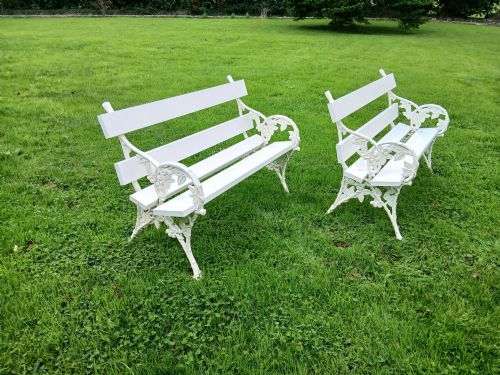
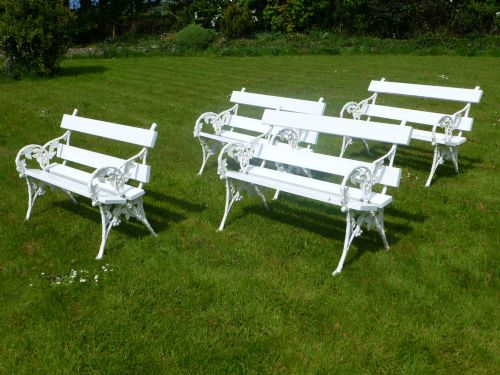
The selection extends across regional variations including Welsh country benches, Thames Valley Oxford chairs, and Scottish baronial stools, alongside garden pieces cast in iron by foundries such as Falkirk Carron.
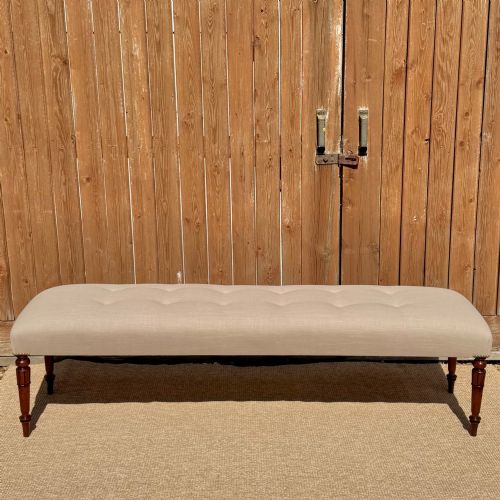
Forms adapt to specific domestic functions, including buttoned long stools, prie dieu chairs, hall benches, and music stools, reflecting the diverse social rituals of the period.
Materials and Construction
Cabinet makers utilised a rich palette of timbers suited to each form, selecting mahogany, walnut, and rosewood for formal reception rooms, while employing tougher indigenous woods like elm, ash, beech, oak, and sycamore for vernacular country seating.
Metal components appear where functional strength or outdoor durability is required, notably in cast iron garden benches and brass accents, alongside traditional upholstery fabrics supporting buttoned finishes.
Construction techniques combine traditional joinery such as turning and mortise-and-tenon framing with specialised regional framing methods seen in Windsor chair production and cast foundry work.
Craftsmanship and Material Selection
Superior examples of victorian seating are distinguished by the careful selection of timber figures, such as dense grain patterns in mahogany and walnut, and the refined execution of hand-carved details.
The integrity of the original finish and the retention of structural components dictate the standing of a piece, with high-quality items demonstrating harmonious proportions and robust joinery executed by skilled makers.
Falkirk Carron Foundry·Jennens And Bettridge·William Morris
The Victorian Seating Glossary
- Windsor chair
- A wooden chair constructed with a solid sculpted seat into which the legs and back spindles are wedged directly. These country pieces often combine ash, elm, and beech.
- Prie Dieu
- A low devotional chair featuring an elevated back designed for kneeling during prayer. They date predominantly from the mid-nineteenth century.
- Carver elbow-chair
- An armchair designed to match a set of dining chairs, typically positioned at the head of a dining table. They feature supportive armrests integrated into the frame.
- Settle
- A wooden bench featuring a high back to block draughts and solid side arms. They frequently incorporate enclosed storage compartments beneath the seat.
- Papier-mâché
- A composite material made from paper pulp or layers of paper bound with glue, moulded and lacquered. It is found on decorative music stools from the period.
Victorian Seating: Frequently Asked Questions
How do I identify a genuine Victorian Windsor chair?
Authentic nineteenth-century Windsor chairs typically display multi-wood construction, combining elm seats with ash or beech spindles and legs, showing natural wear patterns from sustained domestic use.
Examine the underside of the saddle seat for traditional wedged tenon joints and tool marks that indicate hand-turning rather than modern machinery.
Where were hall benches used in a Victorian home?
Hall benches and settles were positioned in entrance hallways and vestibules to provide seating for visitors removing outerwear or waiting to be received.
Many incorporated lift-up lids or lower compartments to store boots, umbrellas, and walking sticks out of sight.
What is the difference between a side chair and a dining chair?
Side chairs are generally lighter, armless seats intended for occasional use around a room or against a wall rather than extended sitting at a table.
Dining chairs are engineered for comfort during meals, often featuring sturdier frames, upholstered seats, and carved backs designed to complement a matching dining table.
How should I care for antique rosewood and mahogany seating?
Keep wooden seating away from direct heat sources and strong sunlight to prevent the timber from drying out and the polish from fading over time.
Apply a traditional beeswax polish sparingly and buff with a soft cloth to maintain the lustre of the original finish without building up greasy residue.