
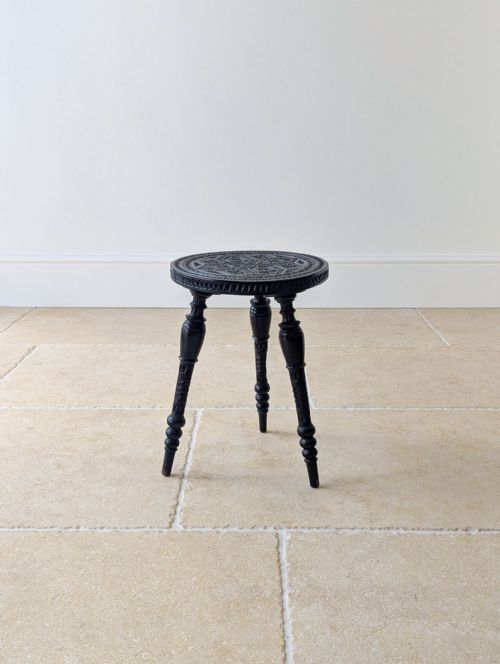
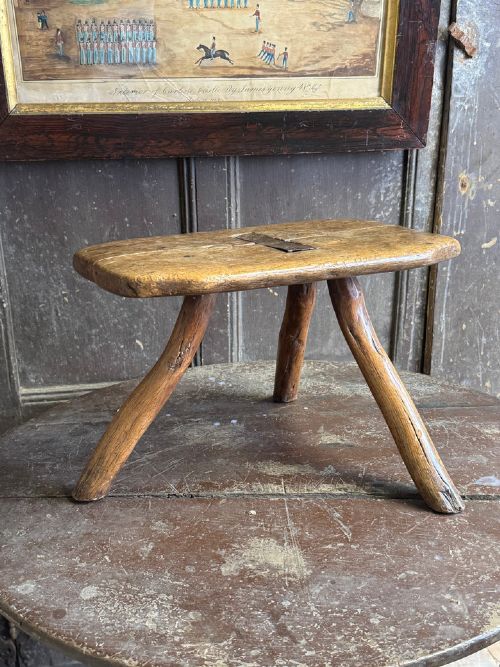
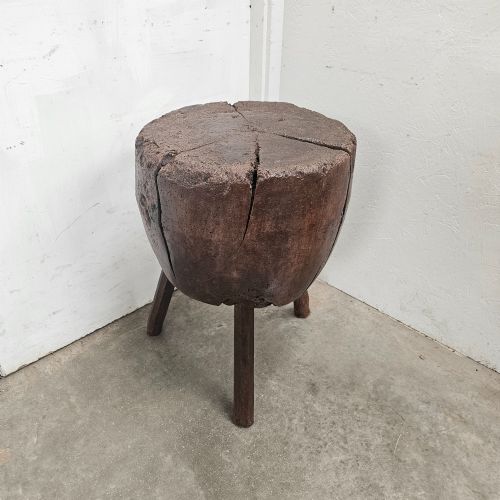
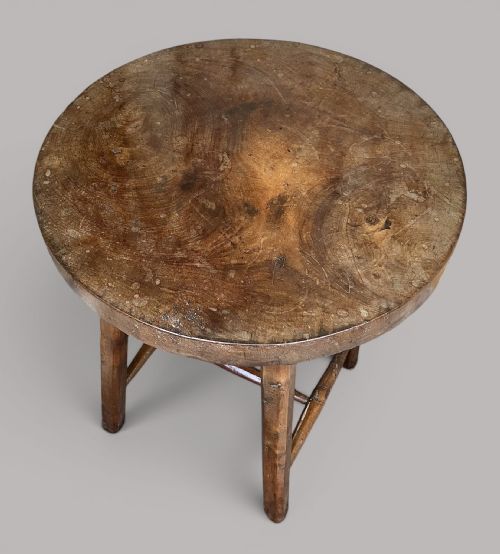

Tripod Wooden Stool
Tripod wooden stool pieces are functional rustic seats and tables shaped by vernacular traditions, offering enduring character to a room.
Tripod Wooden Stool
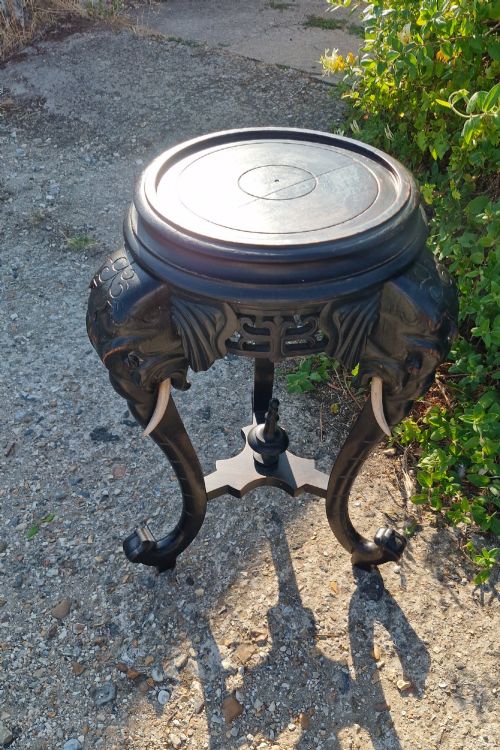
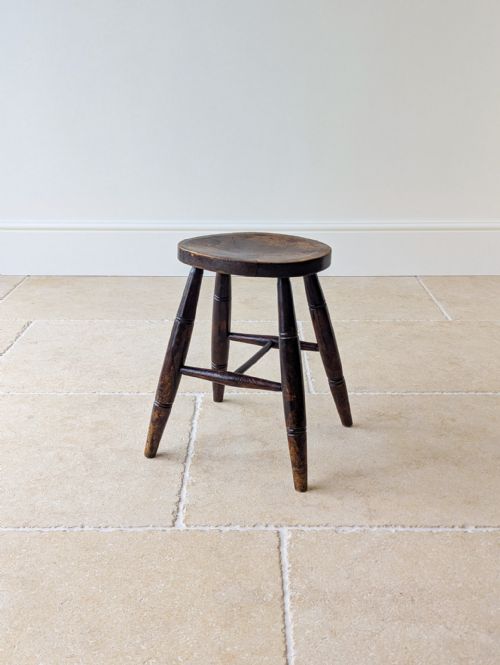
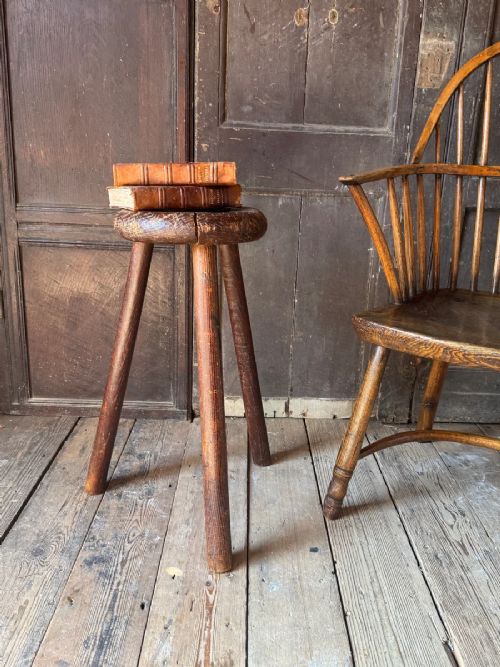
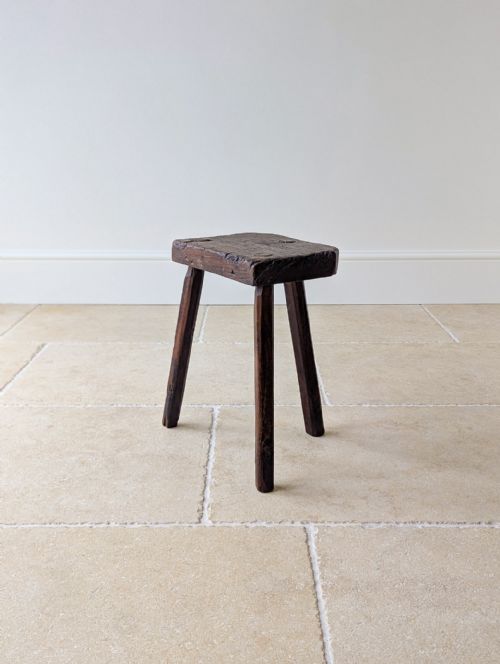
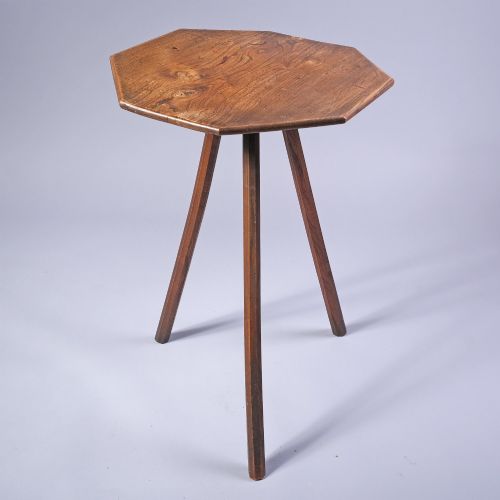
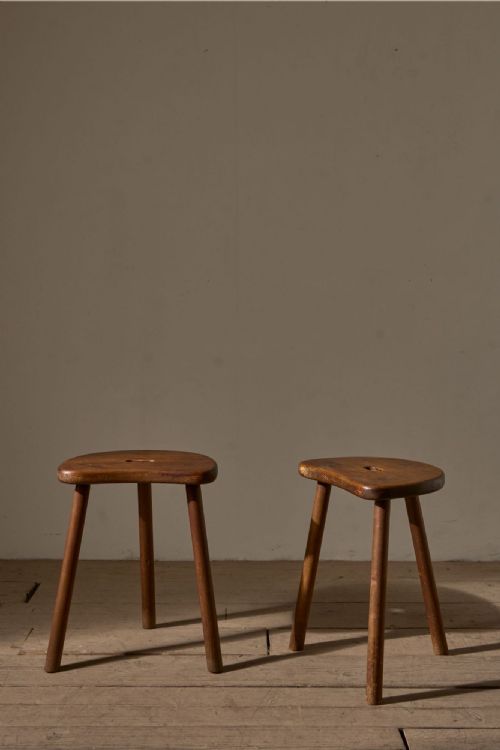
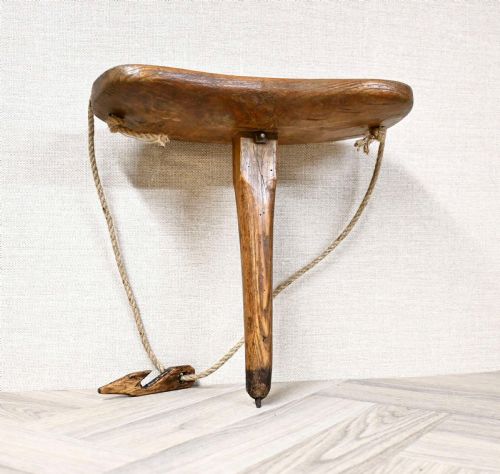
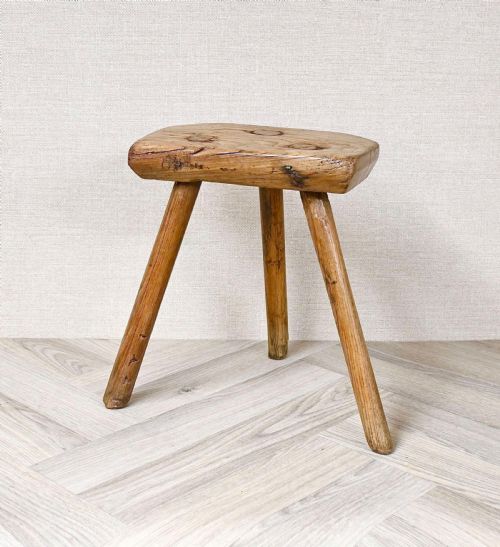
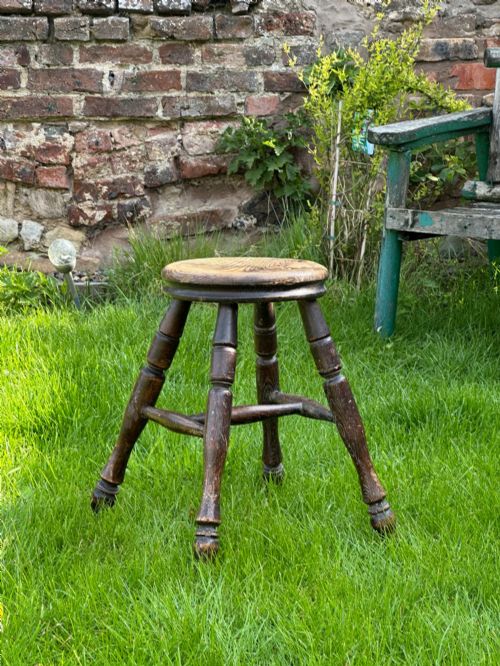
A tripod wooden stool embodies the practical design of past centuries, combining three legs with a solid timber top for stability on uneven floors. When you search for a tripod wooden stool, you encounter forms ranging from simple milking seats and dairy stools to cutler's and jeweller's work seats.
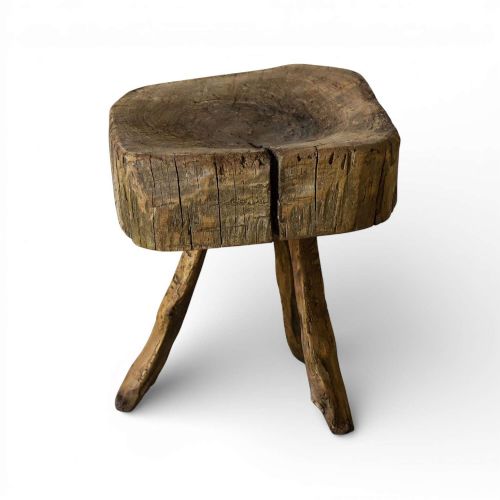
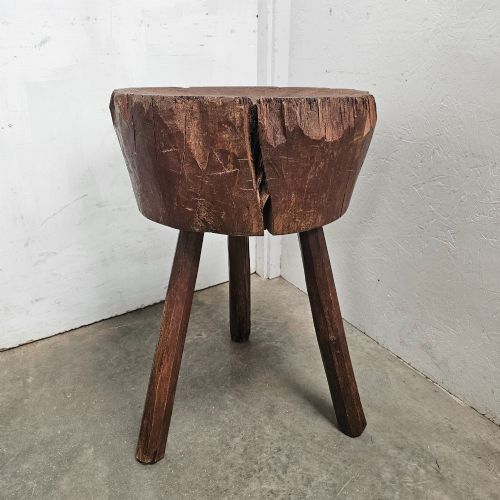
The pieces listed here span the 18th century, the Georgian era, and the Victorian period, reflecting rural workshops and provincial use. Alongside traditional seats, you find related utilitarian forms such as game blocks, chopping blocks, and occasional tables supported by three legs.
Country traditions dominate the selection, with styles encompassing English, French, and vernacular regional designs. These low and occasional seating items served specific trades and daily household tasks before finding a place in modern interiors.
How they were made
Maker-joiners utilised native hardwoods like elm, oak, ash, beech, and walnut, selecting dense timbers capable of enduring heavy daily use. Tops were often fashioned from a single thick slab of elm or oak, chosen for its resistance to splitting.
Legs were typically attached using through-wedged tenons or simple splayed socket joints, driven into bored holes beneath the seat. Blacksmith repairs and iron bracing occasionally reinforced the structural integrity of older working examples.
Listings feature items built from elm, ash, oak, beech, walnut, and pine across the 18th, 19th, and early 20th centuries.
What varies in quality
Quality rests upon the integrity of the timber, the balance of the splayed legs, and the retention of original surface patination. A well-proportioned seat displays honest wear from its working life rather than excessive intervention or cleaning.
The connection between the legs and the underside of the seat dictates structural survival; firm joints without excessive modern glue distinguish better preserved specimens. Original surfaces, whether bare polished wood or traces of old paint, preserve the historical authenticity of the piece.
J. Shoolbred·James Shoolbred
The Tripod Wooden Stool Glossary
- Vernacular
- Objects designed by local craftsmen for practical use rather than following formal academic architectural styles. These pieces rely on regional materials and traditional methods.
- Splayed legs
- Legs angled outwards from the centre to provide a stable base on uneven stone or earth floors. This geometry is characteristic of three-legged seating.
- Milking stool
- A low, small seat traditionally used by agricultural workers during milking. They often feature three legs for stability in barns and fields.
- Game block
- A heavy timber chopping block or cutting surface used in food preparation. French and provincial examples often double as low occasional tables.
- Patina
- The surface sheen and colour developed by wood over decades through handling, waxing, and ageing. It acts as an indicator of genuine age.
Tripod Wooden Stool: Frequently Asked Questions
How do I spot a genuine antique stool?
Look for tool marks, hand-turned leg components, and natural wear patterns around the seat edges. Traditional construction methods, such as wedged tenons passing entirely through the seat top, indicate older vernacular manufacture.
Examine the underside of the timber for signs of age, including dry grain and old fixings. Genuine examples carry the bumps and marks of working life rather than uniform machine production.
Can I use these stools as daily seating?
Most surviving examples possess sturdy timber construction suitable for regular use as low seats or side rests. Their three-legged design ensures they remain stable even on uneven floorboards.
Care should be taken with delicate painted surfaces or adjustable mechanisms on specialised variants like piano stools. Regular waxing helps protect the dry antique wood from household wear.
What woods were commonly used?
English and continental makers relied heavily on native hardwoods available in local forests. Elm was favoured for seat tops due to its interlocking grain resisting splits, while ash and beech provided strong legs.
Oak and walnut also appear in vernacular and Georgian pieces, offering different weights and grain patterns. Regional timber choices often help identify the geographic origin of a piece.
How do I style a wooden stool at home?
These pieces function well as small side tables, plant stands, or occasional seats in hallways and living spaces. Their compact footprint allows them to fit into tight corners where standard furniture will not go.
Pairing a rustic three-legged stool with contemporary interiors creates a contrast in textures. They work effectively alongside larger upholstery to add height variation and organic warmth to a room.