


Primitive Wood Seat
Primitive wood seat pieces are honest utilitarian forms spanning centuries of vernacular craftsmanship that connect modern rooms to the raw character of early rural life.
Primitive Wood Seat
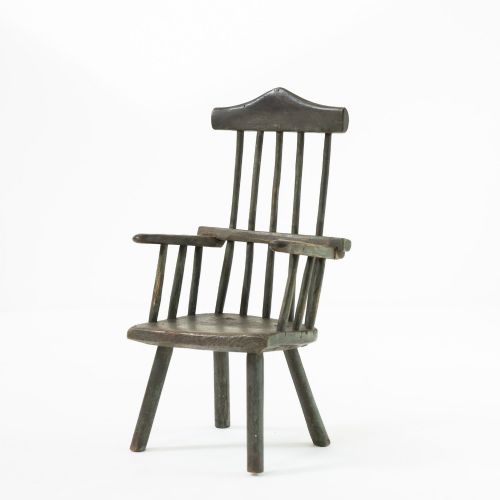
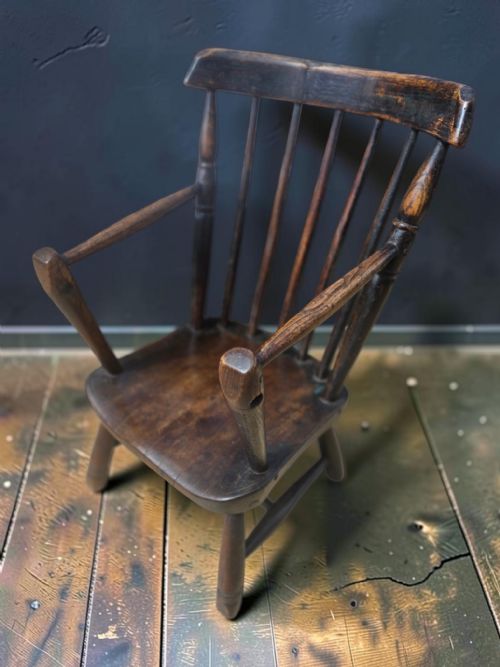
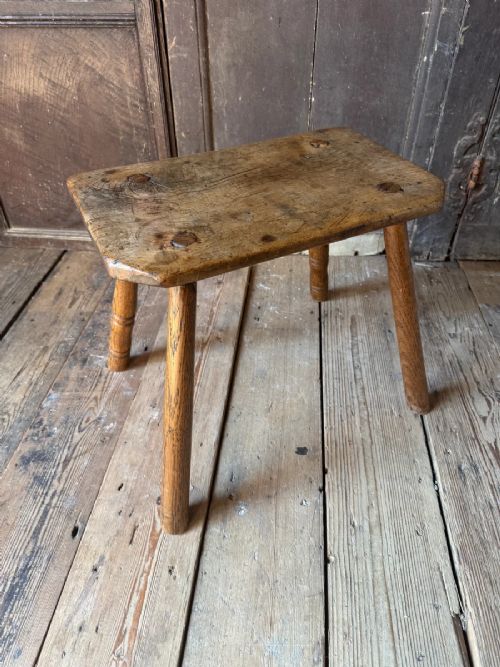
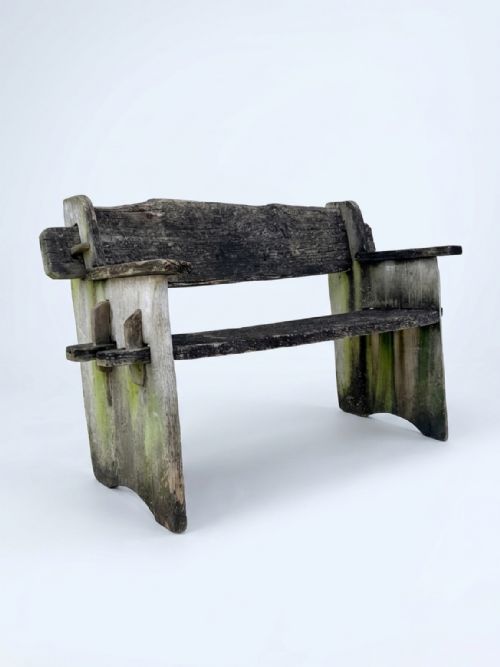
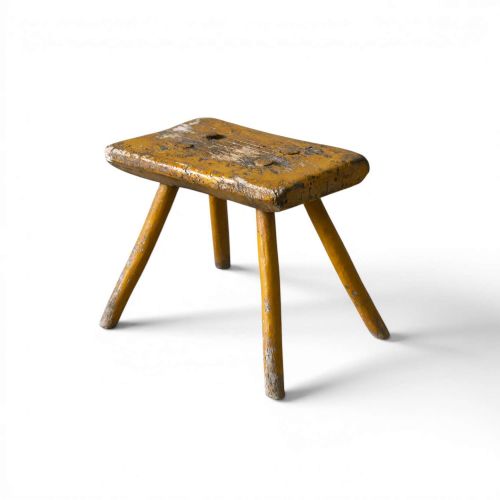
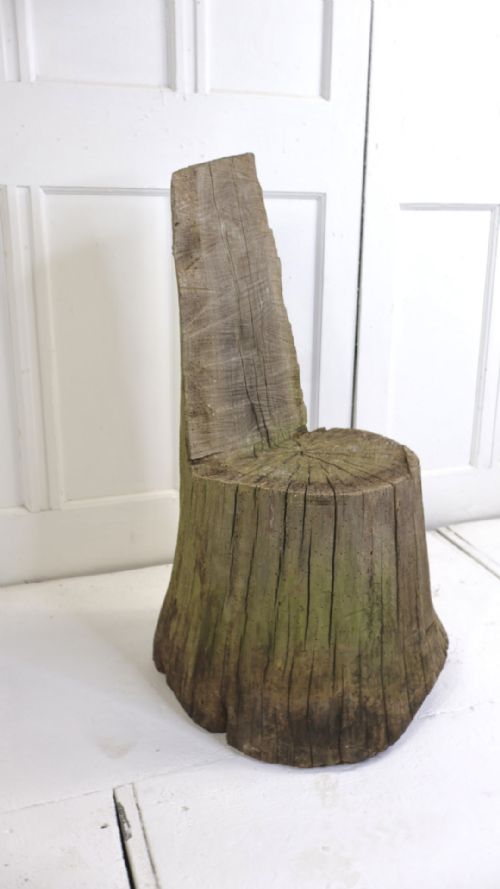
The versions most commonly met on this page range from simple three-legged milking stools and sculpted dug-out chairs to stick-back armchairs and Welsh vernacular seating. Their origins stretch from English regional workshops to European and African traditions, displaying straightforward construction methods prioritising function over embellishment.
Many examples retain traces of their working lives, including original paint finishes, heavy surface wear, and the natural grain variations inherent in early timber. They appeal because their straightforward silhouettes and honest construction suit contemporary interiors seeking genuine historical texture.
What varies in quality
The distinction between ordinary and exceptional examples rests upon the sculptural confidence of the carving and the balance of proportions. A superior piece possesses an instinctive harmony in its silhouette, whether it is a comb-back armchair or a diminutive vernacular stool.
Survival of original surface finishes, such as untouched early paint or rich patination accumulated through decades of handling, elevates the character of a piece significantly. Furthermore, the clever integration of natural timber growth into a functional design marks out the work of a more accomplished vernacular maker.
Current listings demonstrate materials spanning oak, elm, ash, pine, and sycamore across 18th, 19th, and early 20th century periods.
The Primitive Wood Seat Glossary
- Dug out
- A seat formed by hollowing out a single solid block of timber rather than assembling separate boards. This method represents one of the oldest forms of chair construction.
- Stick back
- A chair construction style where turned or cleft spindles are tenoned directly into a solid wooden seat to form the backrest. It is typical of regional vernacular seating.
- Vernacular
- Everyday objects designed and built by local craftsmen to fulfil specific practical needs without adherence to academic architectural styles. These pieces reflect regional materials and traditions.
- Comb back
- A chair back design featuring vertical spindles topped by a horizontal crest rail resembling the shape of a traditional hair comb. This form provides sturdy support in regional Windsor chairs.
- Patina
- The deep surface sheen and mellow colour developed by wood through long use, handling, and exposure to light over many years. It serves as a key indicator of age and authenticity.
Primitive Wood Seat: Frequently Asked Questions
What is a primitive wood seat?
A primitive wood seat is a piece of utilitarian furniture made by regional craftsmen using basic woodworking techniques and local timber. These items include stools, benches, and armchairs designed for practical work rather than formal dining.
They derive their appeal from honest construction, sculptural silhouettes, and the marks of everyday use left behind over centuries.
How do I date these chairs?
Dating primitive seating relies on examining tool marks, timber species, construction methods, and overall wear patterns. Eighteenth-century examples often display riven wood and early joinery, while nineteenth-century pieces may utilise more standardised turned components.
Surviving surface treatments like early paint can also help place a piece within a specific period.
Where were these pieces made?
These pieces originate from diverse rural workshops across the British Isles, continental Europe, and beyond. Regional variations developed because makers used whatever local hardwoods and softwoods were accessible in their immediate landscape.
From Welsh stick chairs to Eastern European milking stools, each region developed distinct forms suited to local trades and domestic habits.
How should I live with them?
Living with primitive seating involves appreciating their sculptural presence and historical character within modern interiors. They work well as occasional seating, bedside tables, or standalone decorative accents in a hallway.
Maintain stable indoor humidity levels and treat surfaces gently with natural wax to preserve their historic patina without removing evidence of age.