
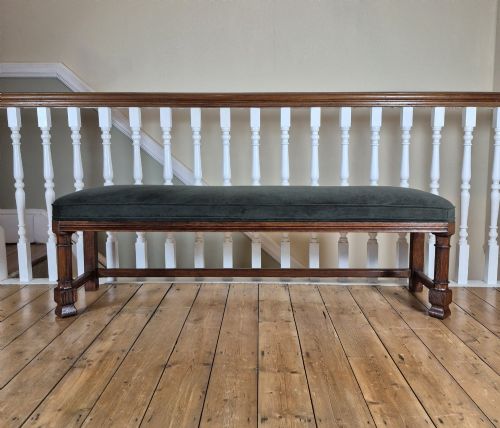
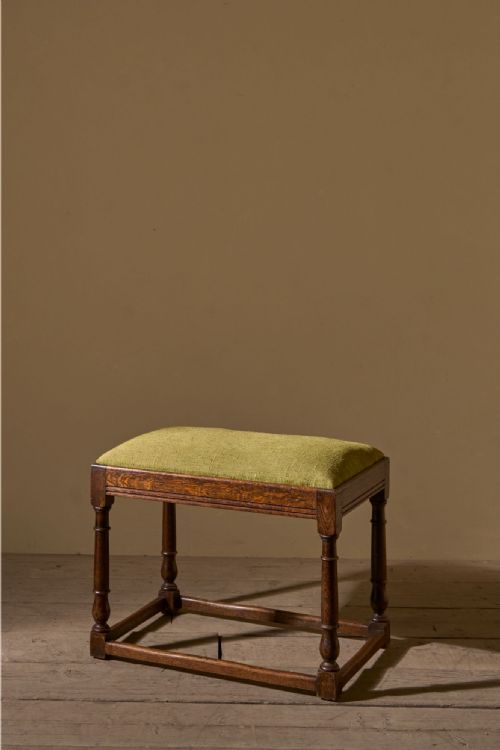
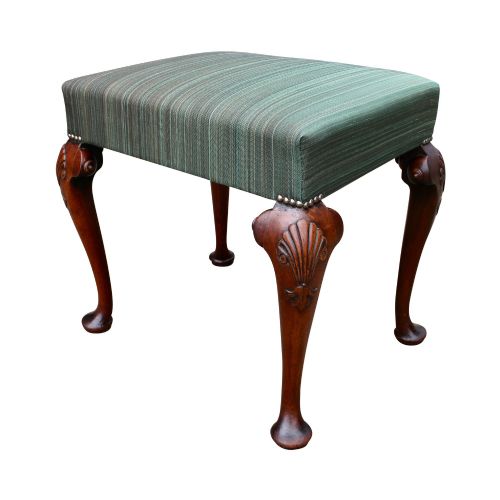
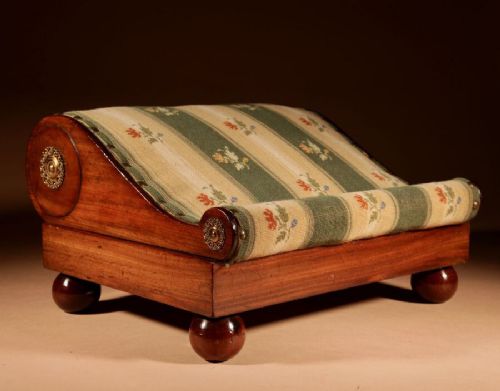
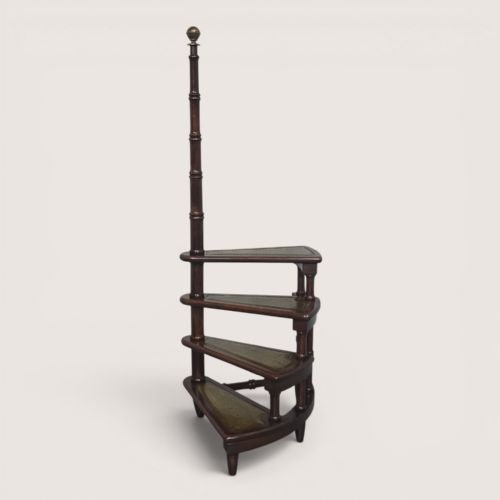
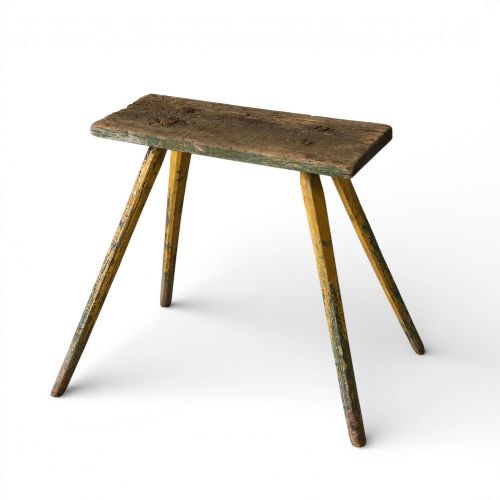
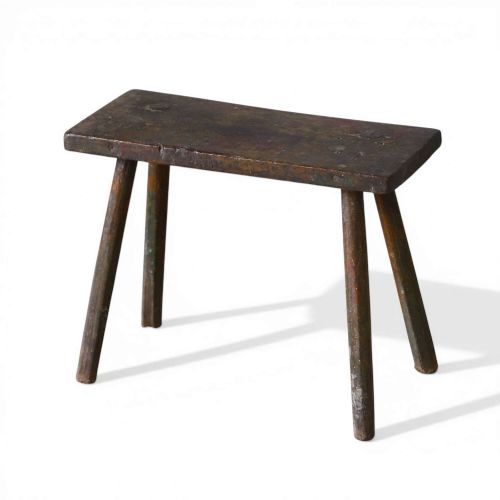
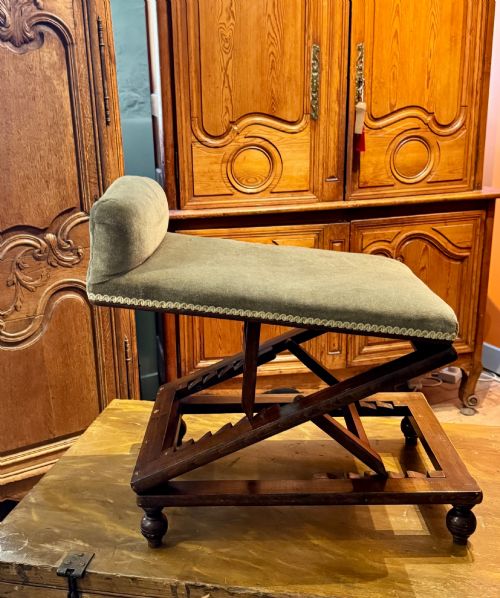




Green Wooden Stool
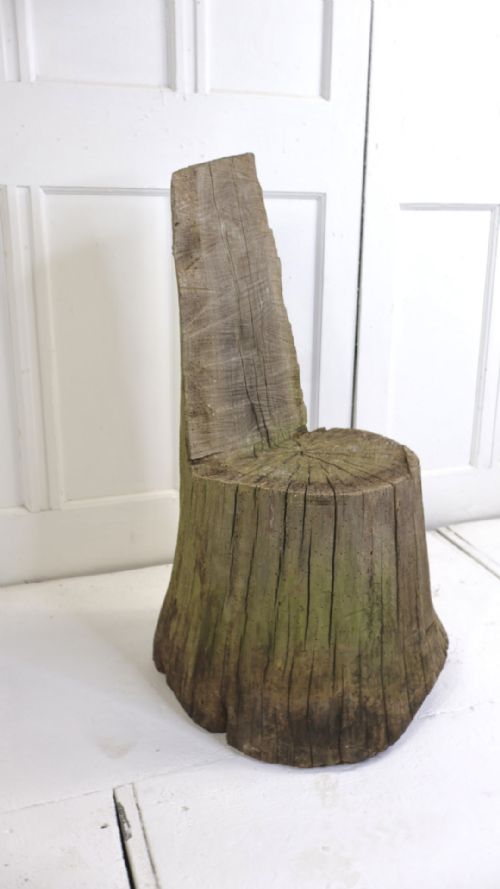
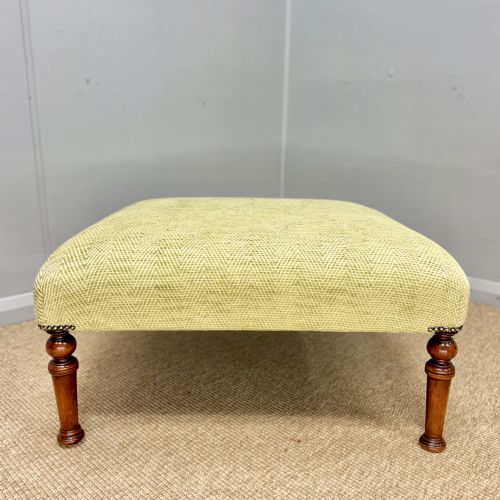
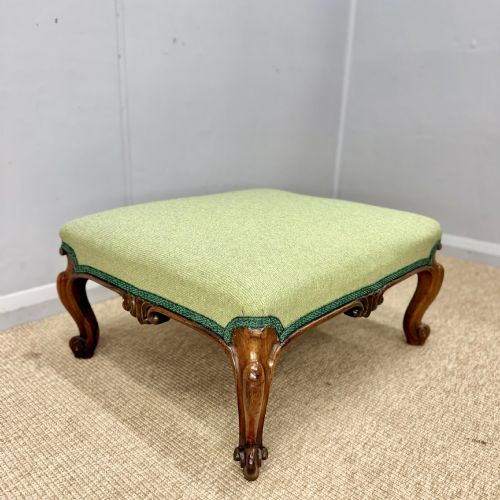
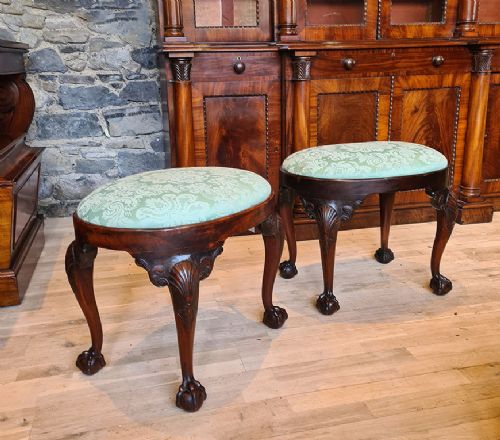
These green wooden stool pieces range from rustic painted milking seats to upholstered footstools.
Green Wooden Stool
When you search for a green wooden stool, you encounter low seating designed for domestic utility and comfort across the nineteenth and early twentieth centuries. The selection includes simple milking stools carrying original green paint alongside substantial oak and beech pieces.
Forms span from French rustic and Eastern European milking designs to Victorian footstools and Edwardian seating. These items function equally as low seats, decorative accents or footrests within a room.
How they were made
Carpenters constructed these items using timber such as oak, mahogany, walnut, beech and general wood, often applying original paint or stains directly to the surface. Upholstered variants incorporate fabrics including linen, velvet, leather and needlepoint over padding.
Joinery techniques range from rustic pegged joints on simple milking forms to finer turned and carved legs on Victorian and Edwardian examples. Brass fittings occasionally appear on adjustable or metamorphic pieces.
Listings feature timber varieties including oak, mahogany, walnut, rosewood and beech alongside painted finishes.
What varies in quality
Quality reveals itself through the integrity of the timber and the preservation of original surface treatments like historic green paint. Pieces retaining their early upholstery or original needlepoint hold distinct character compared to later re-coverings.
The refinement of the turning, carving and structural joinery separates standard utility items from more ambitious stylistic revivals such as Gothic Revival or Queen Anne examples.
Harry & Lou Epstein·John Tesch
The Green Wooden Stool Glossary
- Milking stool
- A simple low three or four-legged seat traditionally used by dairy workers. These functional items often display robust construction and original painted surfaces.
- Joint stool
- A low wooden seat constructed with mortise and tenon joints held together by wooden pins. This sturdy form dates back centuries and remains durable.
- Gout stool
- An adjustable footrest designed to elevate the foot for those suffering from joint ailments. These items frequently feature ratcheted mechanisms to alter the angle.
- Needlepoint
- Hand-stitched canvas work utilised for upholstery on period seats. This dense embroidery provides both texture and decorative pattern.
Green Wooden Stool: Frequently Asked Questions
How do I date a green wooden stool?
Dating relies on examining the timber species, joinery methods and any retained surface finish or original paint. Stylistic indicators like Gothic Revival or Queen Anne influences also point toward specific decades.
Secondary clues include the wear patterns on the feet and the nature of any underlying upholstery webbing or stuffing materials.
Were these painted stools used outdoors?
Milking stools with original green paint served primarily inside barns and dairies during agricultural work. The pigment protected the timber rather than suiting them for garden decoration.
Over decades, exposure to working environments created the weathered patinas seen on these surviving painted surfaces today.
How should I clean original painted wood?
Preserving historic paint requires gentle dusting with a dry microfibre cloth and avoiding modern chemical solvents. Moisture can lift fragile nineteenth-century pigments from the underlying timber.
Consult a conservator if deeper cleaning is necessary to protect the original finish of the piece.
Can I use an antique footstool daily?
Sturdy oak and mahogany frames support everyday use as occasional seats or footrests in modern rooms. Lighter rustic milking stools handle gentle sitting well if their structural joints remain tight.
Heavier upholstery may benefit from careful treatment to preserve fragile vintage fabrics like velvet or needlepoint.