


Yellow Wooden Stool
These yellow wooden stool examples bring warmth and character to a room, offering practical seating shaped by various historical periods.
Yellow Wooden Stool
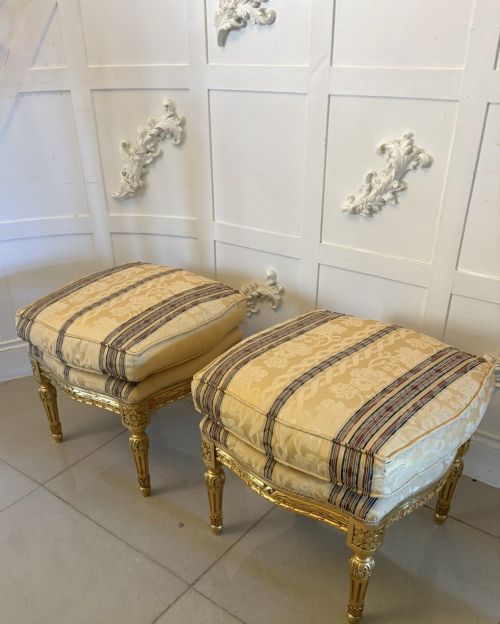
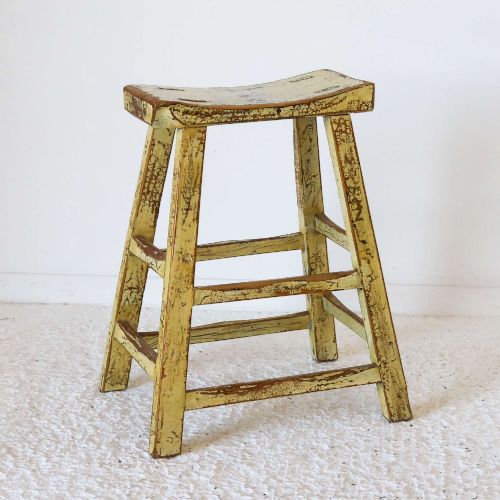
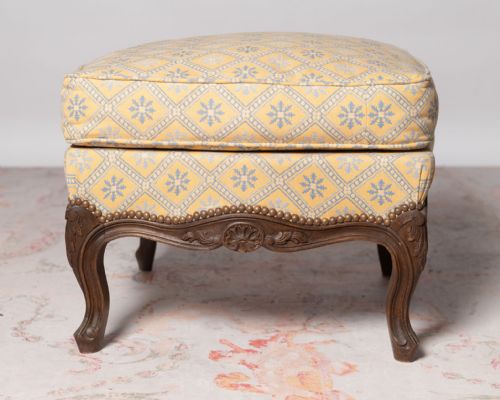
A yellow wooden stool search reveals seating spanning multiple periods, notably the nineteenth century and the twentieth century, alongside earlier eighteenth-century examples. The selection includes specific forms such as milking stools, footstools, and larger ottomans, originating from diverse regions including China, France, and Eastern Europe.
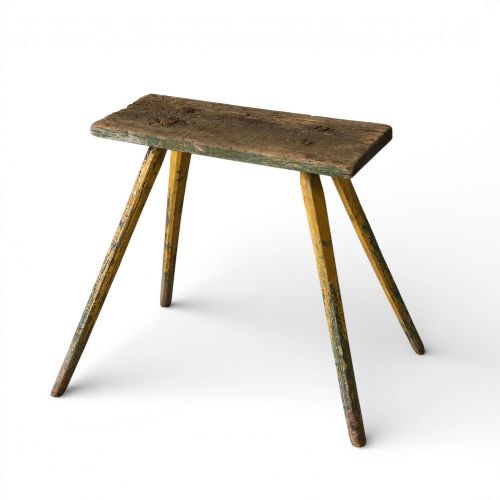
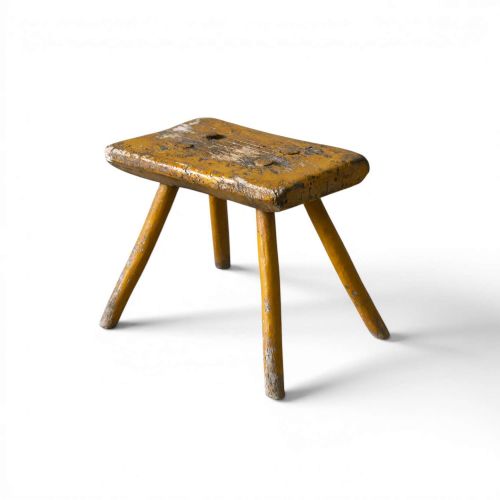
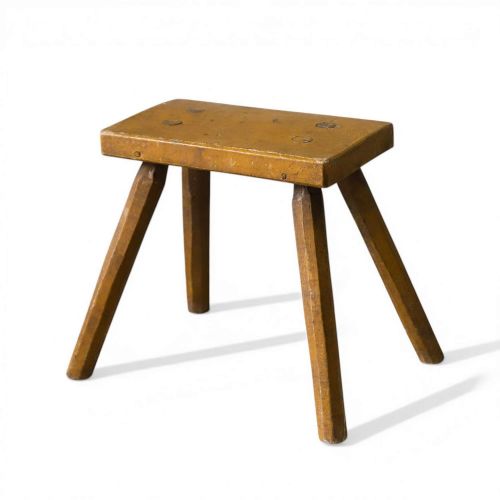
Milking stools represent a common form within this category, often retaining original paintwork in ochre or yellow tones. Other variations range from rustic farmhouse designs to formal Victorian walnut or mahogany pieces and Anglo-Indian styles.
Buyers encounter different regional interpretations, from Chinese lacquered elm to European painted timber. These objects combine functional utility with decorative painted surfaces that highlight their age and origin.
Materials and construction
The construction relies on traditional timber materials such as elm, mahogany, walnut, and general timber, frequently enhanced with painted finishes like ochre or yellow paint, lacquer, or ebonisation. Some variations incorporate upholstery elements utilising fabric, velvet, or brass details.
Joinery methods reflect the specific period and regional origin of each piece, from simple rustic peg construction found in milking stools to more formal carved cabriole legs on Victorian walnut examples. Original surface treatments, including aged paint and lacquer, remain intact on many pieces.
Materials recorded across these pieces include brass, velvet, walnut, fabric, and traditional timber.
Assessing quality and authenticity
Quality in these pieces rests upon the survival of original surface finishes, such as early yellow or ochre paint and Chinese lacquer, compared to later repainting. The integrity of the timber frame and the finesse of any carved details, such as cabriole legs or turned supports, further distinguish individual examples.
The relationship between utilitarian form and decorative execution determines distinction, where simple rustic milking stools derive their appeal from honest wear and original pigment, while formal period stools rely on refined cabinetmaking and timber selection.
The Yellow Wooden Stool Glossary
- Milking stool
- A simple three-legged or four-legged seat traditionally used by agricultural workers. These functional items often feature rustic timber construction and visible wear from daily use.
- Cabriole leg
- A furniture leg that curves out and then in, resembling the leg of an animal. This form appears frequently on finer period seating.
- Ebonisation
- A finishing process that stains timber to resemble ebony. This technique creates a dark, uniform surface seen on formal nineteenth-century pieces.
- Lacquered elm
- Elm wood treated with a durable resin finish derived from tree sap. This traditional Asian technique provides a protective and glossy surface.
Yellow Wooden Stool: Frequently Asked Questions
How do I date a yellow wooden stool?
Dating relies on examining the timber species, construction joints, and surface wear patterns. Tool marks and traditional fixings often indicate whether a piece originates from the eighteenth, nineteenth, or twentieth century.
Surface treatments provide further clues, as original paint layers, patination, and lacquer age in distinct ways over decades of use.
Are these stools comfortable for daily seating?
Many smaller milking stools and rustic pieces have compact seats designed for brief tasks rather than extended lounging. Upholstered variants offer softer seating suitable for longer periods.
Buyers should consider the height and seat area of each specific piece to match their intended domestic use.
How should I clean original painted wood?
Preserving original paint requires gentle dusting with a dry, soft cloth to remove surface particles. Moisture and harsh chemical cleaners can damage fragile historic pigment layers.
Consulting a professional restorer is advisable if deeper cleaning becomes necessary to protect the underlying timber and finish.
Can I use these stools as small tables?
Sturdy flat-topped stools and low ottomans function effectively as occasional display surfaces or small coffee tables. Their compact dimensions make them adaptable additions to various living spaces.
Placing protective pads underneath items placed on antique painted surfaces helps prevent scratching or water marks.