






Distressed Paint Stool
These distressed paint stool examples offer tactile character, bringing centuries of regional European and Asian craftsmanship directly into domestic spaces.
Distressed Paint Stool
A distressed paint stool is a low seating form shaped by practical utility, ranging from simple dairy and milking variants to decorative provincial seating. Buyers searching this phrase look for authentic weathered surfaces that reveal layers of historical pigment and timber.
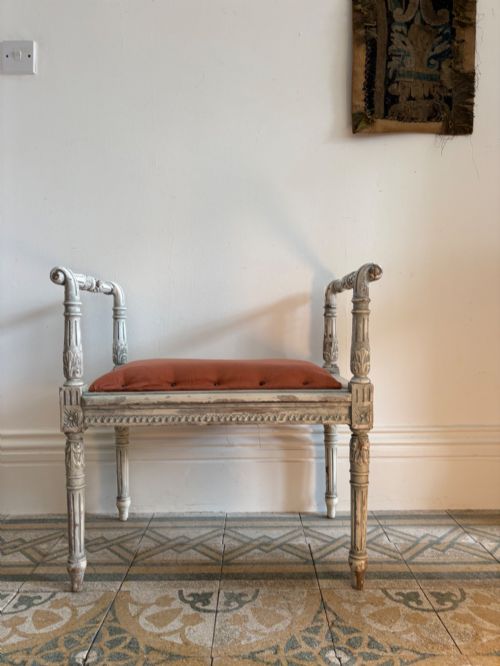
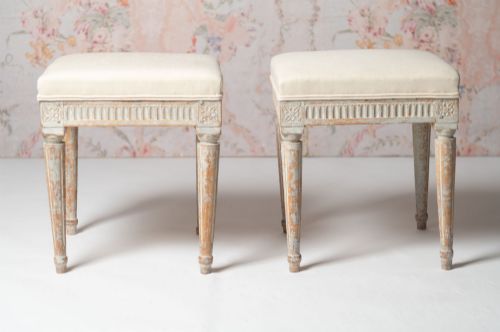
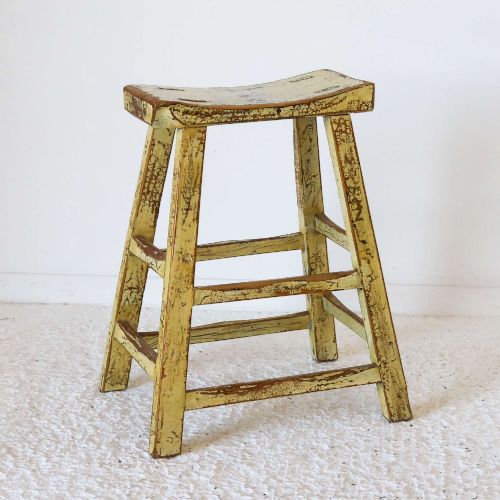
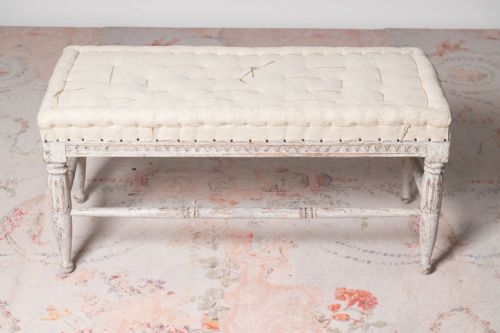
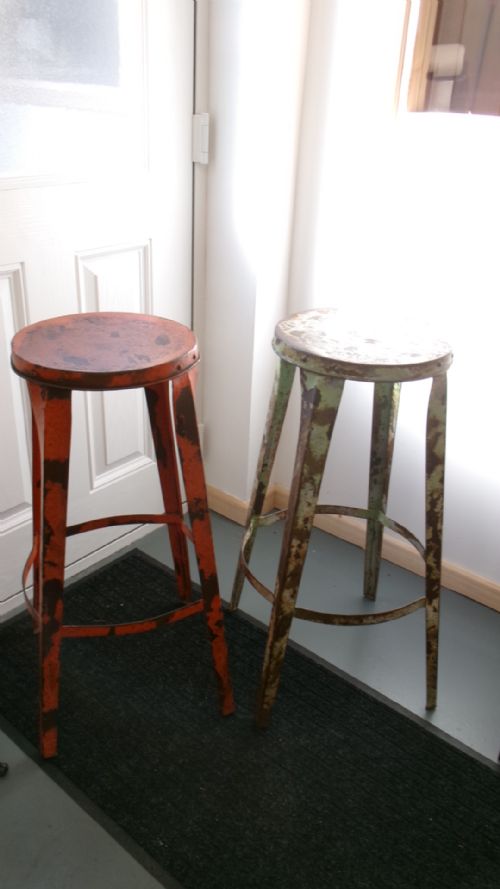
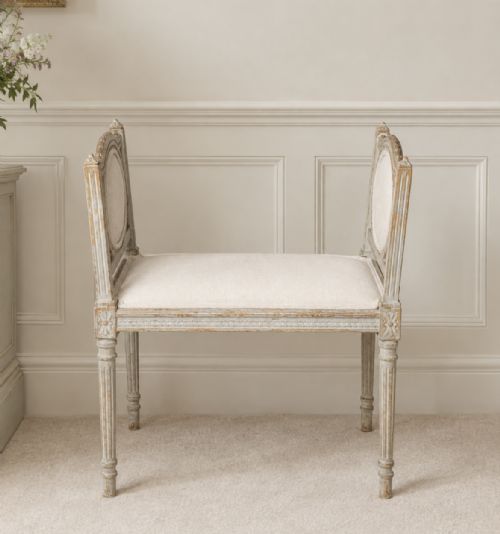
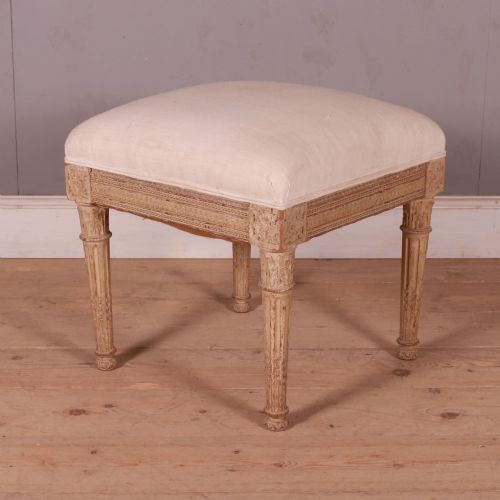
The most common examples on this page hail from Swedish Gustavian workshops and French rural traditions, alongside occasional Chinese lacquered pieces and industrial metal bar stools. These pieces arrive in various formats, including footstools, low stools, benches, and window seats.
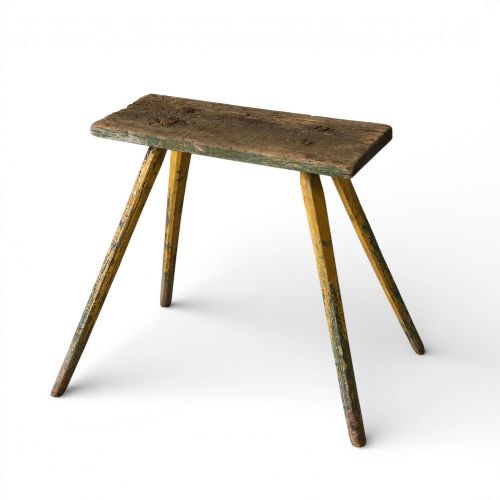
Originating from utilitarian roots in farmhouses and workshops, these stools now function as decorative accents, occasional seats, or low coffee tables. Their forms vary from the carved elegance of French Régence and Louis XV styles to the honest simplicity of scratch built country pine.
How they were made
Construction relies primarily on timber such as pine, elm, and general wood, shaped by hand or through industrial riveting in later metal variants. Artisans built these frames using traditional joinery, creating sturdy seating meant for daily labour in dairies and homes.
Surfaces received layers of paint, often left in original finishes that wore down naturally over decades of use. Some refined pieces incorporate upholstered pads featuring silk, linen, fabric, or needlework stitched onto the seat frames.
Listings span multiple centuries, ranging from eighteenth-century Swedish seating to twentieth-century industrial metal bar stools and Chinese lacquered elm.
What varies in quality
Quality rests in the integrity of the original surface and the honesty of the wear, distinguishing naturally aged pigment from later applied finishes. The depth of character in the timber and the subtlety of regional hand carving separate standard utility items from finer decorative examples.
Structural honesty plays a significant role, where untouched joints and original framing command greater interest than heavily restored structures. The sophistication of the design, from simple country pine to detailed Gustavian neoclassical carving, defines the upper tier of the range.
The Distressed Paint Stool Glossary
- Gustavian
- A Swedish interpretation of French neoclassical design, characterised by restrained carving, lighter colour palettes, and balanced proportions. It emerged during the late eighteenth century and influenced Scandinavian seating for generations.
- Milking stool
- A simple, low three or four-legged stool traditionally used by agricultural workers for milking dairy animals. These pieces prioritise stability on uneven ground over ornamental detail.
- Original paint
- A surface finish applied during the period of manufacture that remains largely uncompromised by subsequent stripping or modern repainting. Collectors value this patination for its historical honesty.
- Needlework
- Stitched textile decoration executed in yarn or thread, often applied to the padded seats of nineteenth-century stools. It introduces texture and colourful pattern to the wooden frames.
Distressed Paint Stool: Frequently Asked Questions
How do I use a distressed paint stool at home?
These pieces function well as extra seating in tight spaces, or as low side tables to hold books and small objects. Their textured surfaces provide a contrasting focal point against cleaner, contemporary interiors.
In living areas, low variants work effectively as footstools or as decorative platforms for plants and lamps. Their compact footprint allows them to move easily between rooms as functional household items.
Are these stools comfortable for sitting?
Many early wooden variants were designed for brief tasks rather than prolonged lounging, offering hard timber surfaces shaped by utility. Upholstered versions featuring linen, silk, or needlework provide softer seating.
When choosing a piece for daily sitting, consider whether a padded seat or an ergonomic wooden contour suits your intended use. Smaller dairy and milking stools are naturally lower and best suited for short rests.
How do I identify a Swedish Gustavian stool?
Gustavian pieces typically display lighter painted finishes, often in white or pale tones, paired with restrained neoclassical carved details. They reflect a Scandinavian adaptation of continental European court styles.
Look for clean lines, fluted legs, and subtle geometric carvings that distinguish them from more rustic French provincial or heavier industrial variants.
What is the difference between a dairy stool and a window seat?
Dairy and milking stools are typically small, portable, and built for agricultural labour, featuring simple timber tops and three or four sturdy legs. They prioritise utilitarian strength above all else.
Window seats are longer, often built for comfort in domestic rooms, and frequently incorporate upholstered pads or decorative frames in styles such as French Régence.