


Rustic Farmhouse Stool
These rustic farmhouse stool examples bring honest timber, vernacular charm, and daily utility straight from centuries past into modern rooms.
Rustic Farmhouse Stool
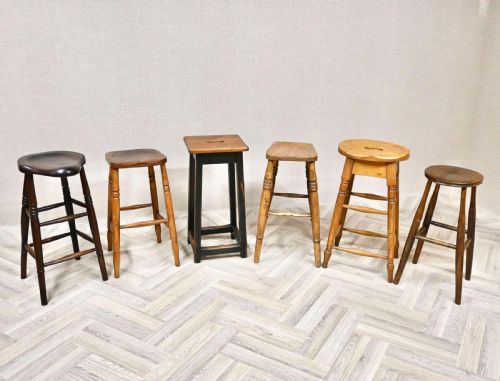
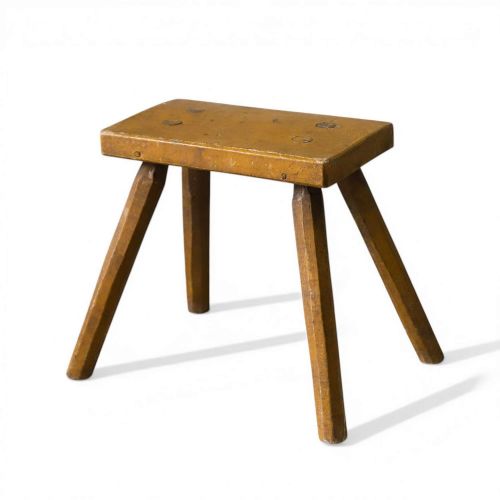
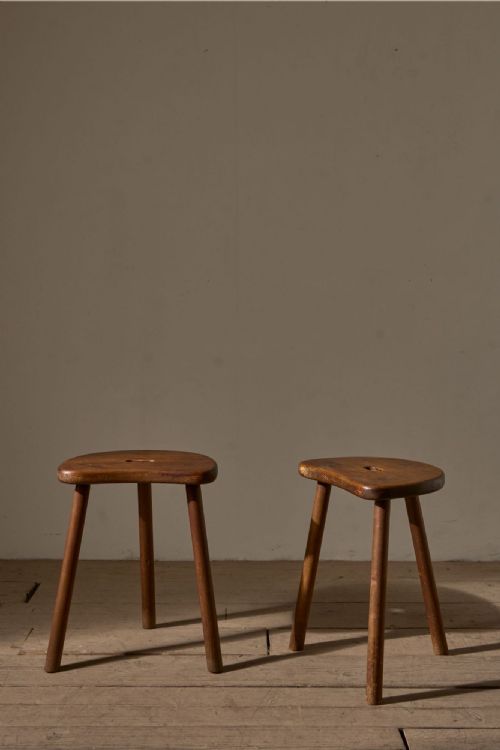
A rustic farmhouse stool serves as a seating choice rooted in domestic utility, spanning the eighteenth and nineteenth centuries up to the Edwardian period. Such seating appears in forms ranging from low country stools to tall bar stools and milking stools.
The pieces listed on this page originate primarily from English, French, and Eastern European traditions. Buyers encounter single items, pairs, and sets such as sets of four or six.
Makers shaped these utilitarian objects for kitchens, dairies, and rural homes using regional styles like French Provincial and English Country. Their primary forms include simple timber tops supported by sturdy legs.
How they were made
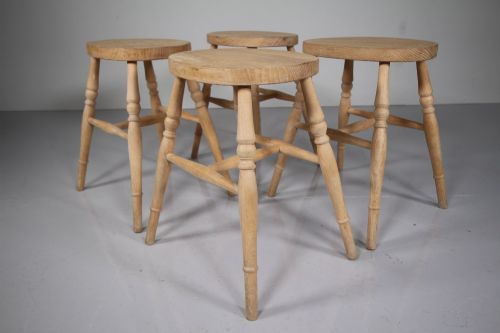
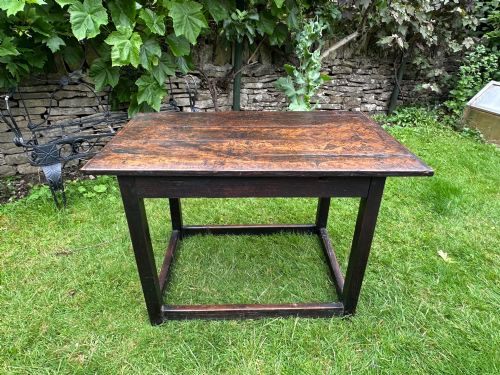
Carpenters and rural makers constructed these items from solid woods such as oak, elm, pine, beech, and general timber. Many examples feature thick plank tops paired with turned or joined legs.
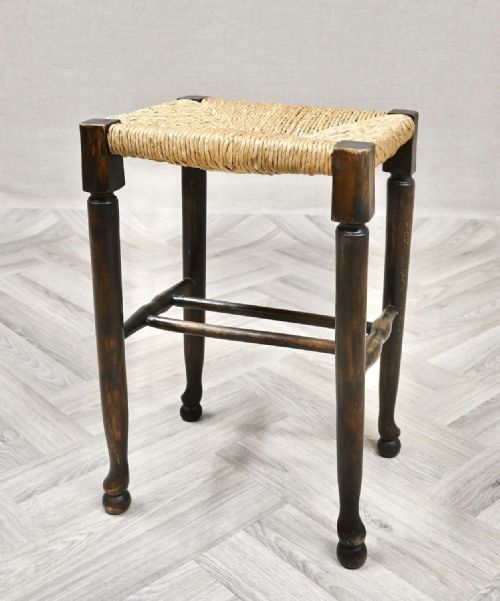
Surface finishes include natural wood grain, rush seating, and original paint such as yellow paint. Scratch-built construction methods highlight the practical, non-industrial origins of these rural furnishings.
Listings feature items spanning the eighteenth century, the nineteenth century, and the Edwardian period, constructed from oak, elm, pine, beech, and rush.
What varies in quality
Quality in a rustic farmhouse stool rests upon the character of the timber and the integrity of the original construction. Elm seats and oak planks display differing grain patterns and surface patination developed through decades of domestic service.
The presence of original surfaces, such as early paint or untouched rush seating, elevates a piece above standard utilitarian examples. Construction depth ranges from simple scratch-built vernacular work to refined Edwardian dining designs.
The Rustic Farmhouse Stool Glossary
- Vernacular
- Everyday objects made by local craftsmen for practical use rather than high-style design. These pieces reflect regional traditions and available materials.
- Milking stool
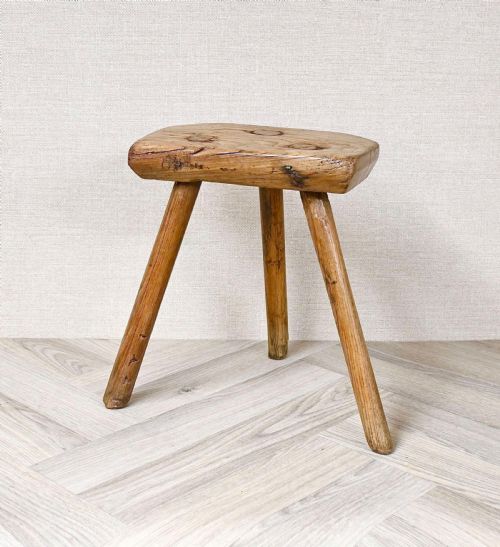
- A small, usually three-legged seat designed for use while milking animals. They often feature a low profile and simple timber construction.
- Rush seat
- Seating made from woven marsh grasses twisted around a frame. This traditional technique provides a durable and textured sitting surface.
- Pig bench
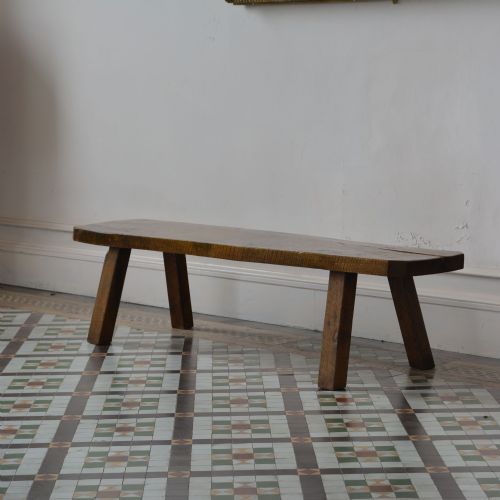
- A low wooden bench historically used in rural settings for farming tasks. They are prized today for their robust timber construction and compact proportions.
Rustic Farmhouse Stool: Frequently Asked Questions
How do I use a rustic farmhouse stool at home?
These pieces function well as extra seating around dining tables, in kitchens, or as bedside surfaces. Their modest scale allows them to fit easily into smaller spaces.
Tall variants serve effectively at breakfast bars or high tables, while low versions double as plant stands or occasional display surfaces.
What woods were used for these stools?
Rural makers relied on readily available local timber including oak, elm, pine, and beech. Each wood yields a different weight, grain pattern, and colour.
Elm frequently appears in seat tops due to its resistance to splitting, while oak and pine provide sturdy structural support for legs and stretchers.
How can I tell an older stool from a newer one?
Age is apparent through the tool marks, surface patination, and wear patterns left by decades of use. Hand-cut joints and naturally oxidized wood indicate historical manufacture.
Items from the eighteenth and nineteenth centuries display structural methods and timber shrinkage that modern reproductions cannot replicate.
Are painted rustic stools original?
Some pieces retain original historic finishes, such as early yellow paint, applied during their working life. This surface layer survives beneath subsequent wear and tear.
Original paint adds significant character and confirms the regional provenance of pieces like Eastern European milking stools.