





Painted Rustic Stool
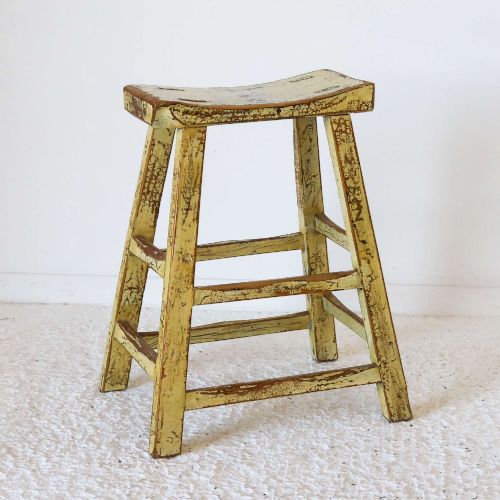
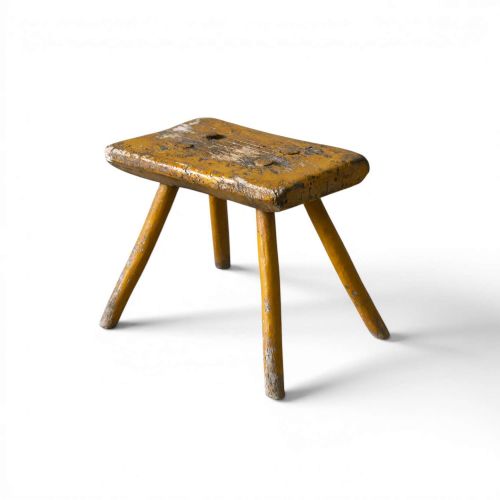
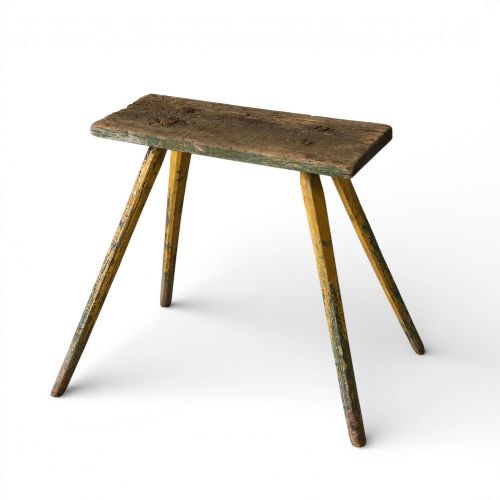
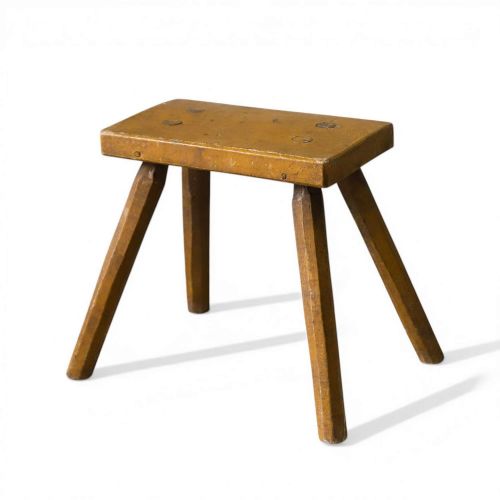
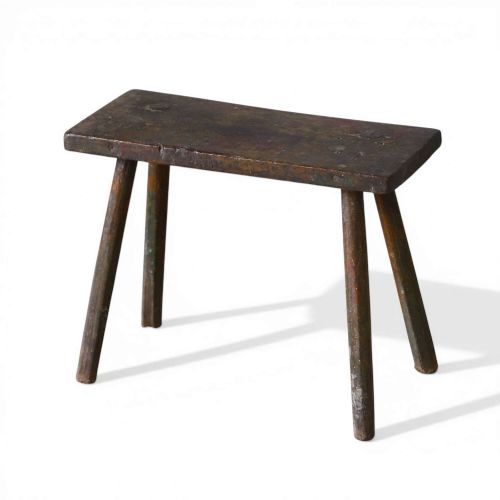
These painted rustic stool examples offer genuine character, combining utilitarian forms with time-worn colour that anchors a room.
Painted Rustic Stool
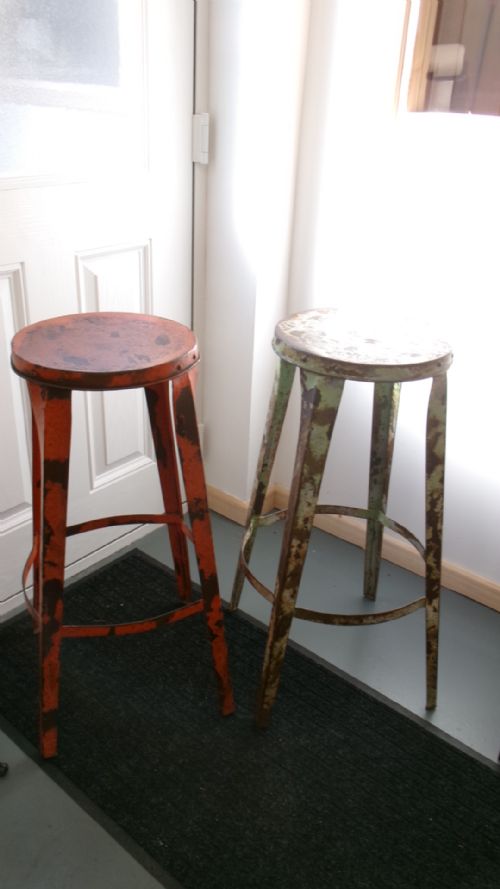
A painted rustic stool serves as a functional piece of seating rooted in agricultural, domestic or industrial daily life. When searching for a painted rustic stool, buyers encounter diverse forms ranging from French and Eastern European milking stools to Chinese elm variants and industrial metal bar stools.
The pieces listed on this page span the nineteenth century, nineteen-hundred, nineteen-twenty, and eighteen-fifty periods. Most frequently, a buyer meets compact dairy and milking stools featuring original surfaces in ochre, yellow, green, or lacquered finishes.
Beyond standard three-legged and four-legged seats, related forms include benches, step ladders, bar stools, and clerks desks with matching stools. These objects originate from various regional traditions including French country, Chinese provincial, and folk art aesthetics.
How they were made
Construction relies on sturdy timbers such as pine, elm, and general wood, shaped by hand or scratch-built for everyday utility. Iron fasteners and rivets appear on industrial examples, while traditional domestic seating often employs pegged joints and solid wood slabs.
Surface treatments define these pieces, utilising original paint, ochre paint, yellow paint, green paint, and lacquer. These finishes were applied to protect the timber and evolved through decades of functional use and wear.
Many milking stools were made with three legs because four legs wobble on uneven barn floors.
What varies in quality
The integrity of the original surface finish dictates much of the visual merit, where untouched paint layers and authentic patination elevate a piece above later decorative overpainting. The relationship between the timber seat and its supports reveals the care taken in construction, from simple pegged legs to riveted iron frames.
Proportion and regional character also set examples apart, with well-balanced milking stools and distinct provincial forms commanding greater visual presence than utilitarian workshop items.
The Painted Rustic Stool Glossary
- Milking stool
- A low, typically three-legged seat traditionally used by dairy workers for convenience during hand-milking. These seats feature simple slab tops and splayed legs for stability on uneven agricultural floors.
- Ochre paint
- An earthy, natural pigment ranging from yellow to deep brown or red, frequently used historically to coat rural utilitarian furniture. It provided both coloration and basic preservation for softwood timber.
- Elm
- A durable, tough wood resistant to splitting, often utilised for chair seats and stools where strength is paramount. Its interlocking grain handles heavy daily wear exceptionally well.
- Scratch built
- A term describing furniture made from available materials without the use of commercial kits or standardised factory patterns. Each such piece exhibits unique dimensions and ad-hoc construction details.
- Provincial
- Denoting styles originating from regional provinces rather than metropolitan centres. These designs reflect local materials, domestic needs, and traditional craftsmanship.
Painted Rustic Stool: Frequently Asked Questions
What is a painted rustic stool?
A painted rustic stool is a traditional seat built for utilitarian work in homes, farms, or workshops, finished with historic paint or lacquer.
These pieces combine practical function with the decorative appeal of aged surfaces and regional woodworking traditions.
How were these stools used?
They served workers in dairies, kitchens, and industrial settings where a low or stable perch was necessary for daily tasks.
Over time, many transitioned from purely working environments into domestic interiors as decorative accent pieces.
How do I style a painted rustic stool at home?
They function well as bedside tables, plant stands, or extra seating in a hallway or living room.
Their compact size allows them to fit easily into small spaces while introducing texture and historic colour.
How do I identify the period of a stool?
Dating relies on observing construction methods, tool marks, and the chemical composition or appearance of the original paint layers.
Nineteenth-century examples often display hand-turned or cleft legs and authentic patination accumulated through decades of use.