




Small Rustic Bench
A small rustic bench brings honest vernacular character and simple utilitarian charm into a modern interior.
Small Rustic Bench
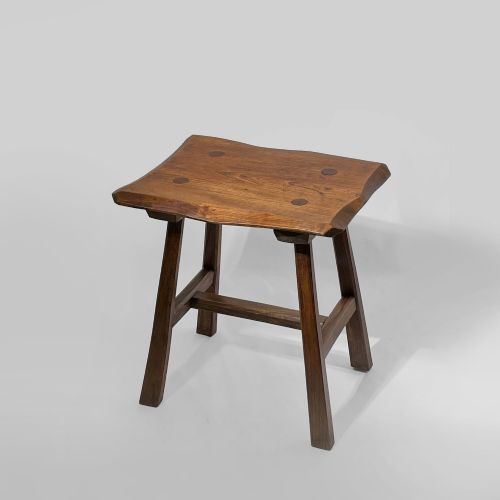
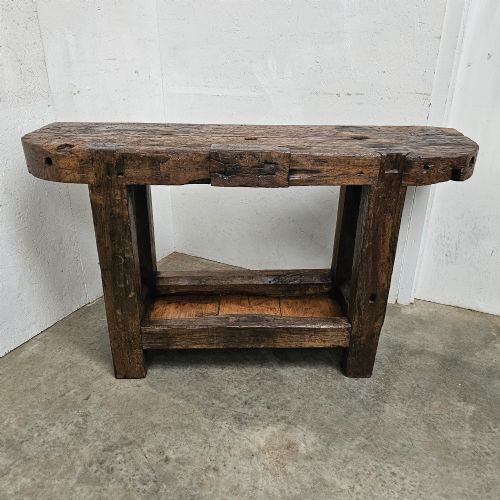
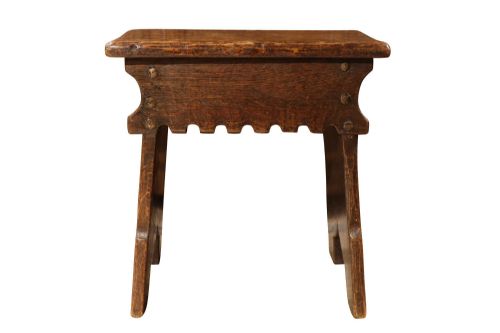
When you search for a small rustic bench, you are looking at utilitarian seating and low tables shaped by local hands from domestic timbers. The pieces on this page span several centuries, including Victorian, Edwardian, and earlier examples from the seventeenth and eighteenth centuries.
The aesthetic is resolutely unpretentious, relying on straightforward construction and visible tool marks for its visual appeal. Regional variations appear across English, French, Eastern European, and Scandinavian examples, each utilising native woods.
How they were made
Carpenters and rural makers utilised solid native hardwoods and softwoods such as oak, elm, pine, and beech. Construction often relied on pegged joints, board-built forms, and turned legs wedged directly into carved seats.
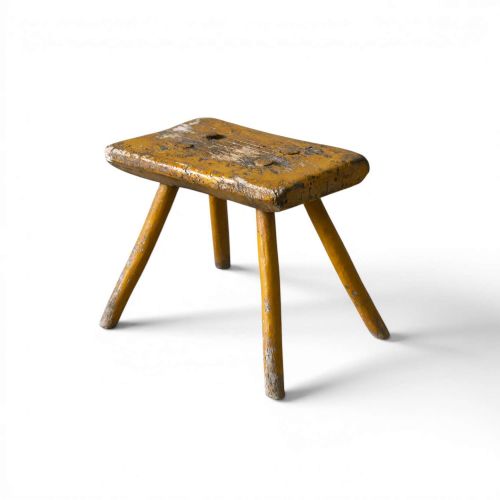
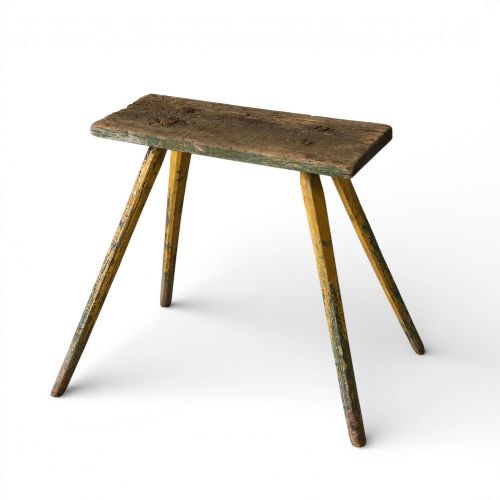
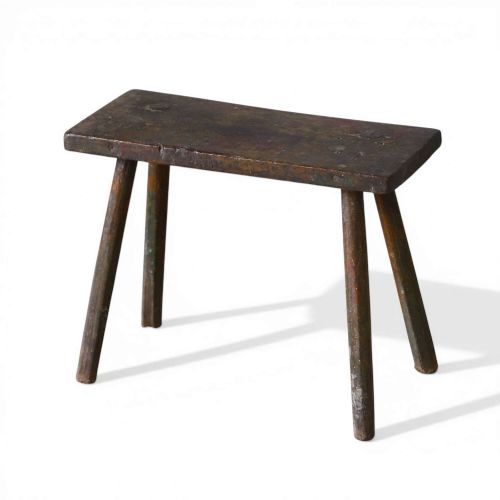
Many surviving surfaces retain traces of original paintwork, including ochre and green finishes, alongside weathered patinas developed through decades of agricultural or domestic use. Scratch-built and pegged assemblies demonstrate traditional joinery designed for durability rather than polite salon display.
Small Rustic Bench Retail Price Guide 2026
Typical asking prices for small rustic bench among the pieces listed under this phrase on Sellingantiques today, from the lower quarter to the upper quarter. They describe what is for sale here now, not the wider market.
Swedish children's benches from eighteen-ninety prove that small people historically required miniature seating just as charming as adult versions.
What varies in quality
The distinction between ordinary utility items and superior examples rests upon the integrity of the timber, the subtlety of the seat sculpting, and the survival of an untouched surface. Ergonomic shaping in seats and original painted finishes elevate a piece well beyond standard workshop production.
Proportion and structural honesty also define the upper tier, where restraint in restoration preserves the authentic character of the wood. Pieces retaining their original pegs, wedges, and structural stability command greater appreciation from collectors of vernacular furniture.
The Small Rustic Bench Glossary
- Vernacular
- Furniture made by local craftsmen for everyday regional use rather than following high-style academic designs. These pieces reflect local traditions and available materials.
- Milking stool
- A low, three-legged seat designed for stability on uneven agricultural floors while milking livestock. Their diminutive scale makes them versatile display stands today.
- Pegged construction
- A traditional method of joining wooden elements using wooden pins or trunnels rather than metal nails. This technique allows the timber to expand and contract naturally.
- Settle
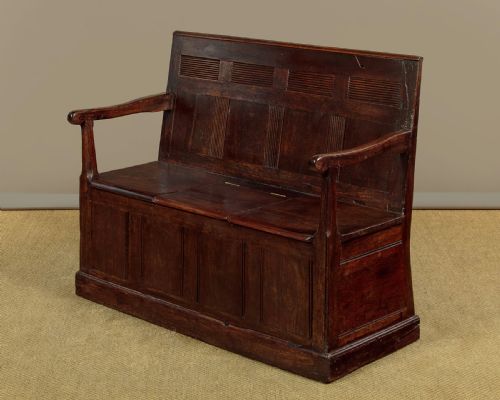
- A wooden bench with a high back and solid arms, often featuring enclosed storage beneath the seat. They were designed to block draughts in vernacular interiors.
- Patina
- The surface sheen and colour developed on wood and paint over long periods of handling and exposure. It acts as a visual record of an object's age and history.
Small Rustic Bench: Frequently Asked Questions
How do I use a small rustic bench at home?
These compact pieces adapt easily to various rooms as low side tables, impromptu seating, or display surfaces for plants and books. Their modest scale allows them to fit neatly into hallways, beside beds, or beneath windows.
In living areas, low benches and milking stools function well as coffee tables or footstools. Their unpretentious presence complements both minimal modern spaces and traditional interiors.
Are these benches sturdy enough for daily seating?
Most surviving examples retain their structural integrity, though their primary function in modern homes often leans towards display or occasional seating. Solid timber construction and pegged joints generally ensure lasting durability.
Lighter forms, such as children's benches or dairy stools, suit gentle use or decorative placement rather than heavy daily loading. Checking the firmness of the legs and seat joints will confirm their everyday capability.
How can I tell the period of a rustic bench?
Dating relies on observing tool marks, timber selection, construction methods, and signs of wear. Earlier seventeenth-century pieces often feature boarded construction and heavier oak timbers, while nineteenth-century examples frequently utilise softer pine or turned beech components.
Original paint finishes and surface patination also provide clues to age and origin. Comparing the joinery techniques with established vernacular styles helps narrow down the era of production.
What is the difference between a bench and a settle?
A standard bench offers open seating without a backrest, whereas a settle incorporates a solid back and arms designed to shield the sitter from draughts. Settles also frequently include box storage compartments beneath the seat base.
Benches tend to be lighter and more portable, suitable for temporary placement around a room. Settles act as substantial architectural anchor pieces within a domestic floor plan.
Should I remove old paint from a rustic bench?
Original paint finishes, even when worn or flaking, contribute significantly to the historical value and visual charm of vernacular pieces. Stripping the surface often destroys the patinated skin built up over generations of use.
Preserving original colours like ochre or green maintains the authentic character intended by the maker. Cleaning gently with wax or mild soap protects the remaining finish without altering its age.