
Rustic Timber Seat
A rustic timber seat brings enduring utility and honest craftsmanship into a room, offering simple forms shaped by everyday domestic or garden use.
Rustic Timber Seat
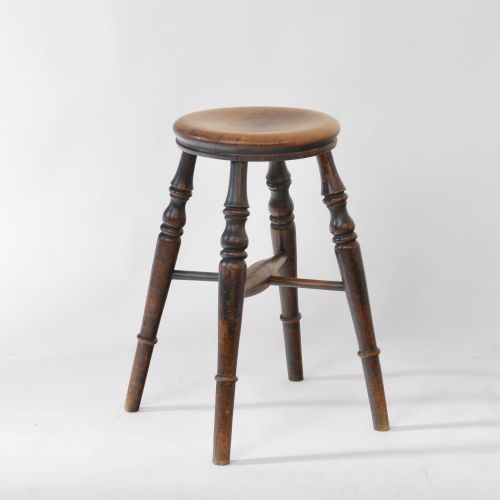
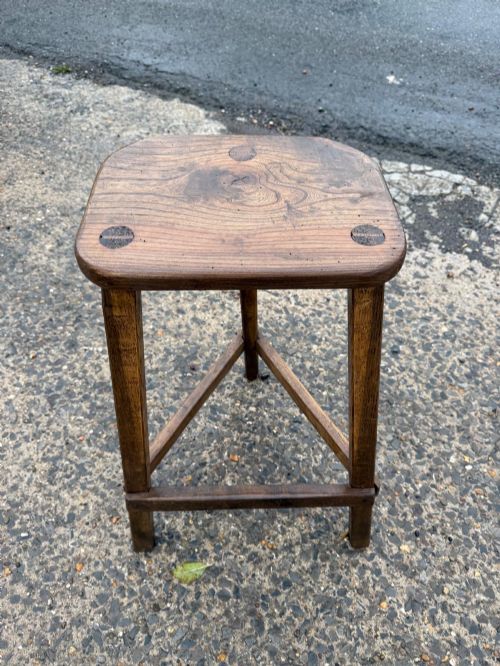
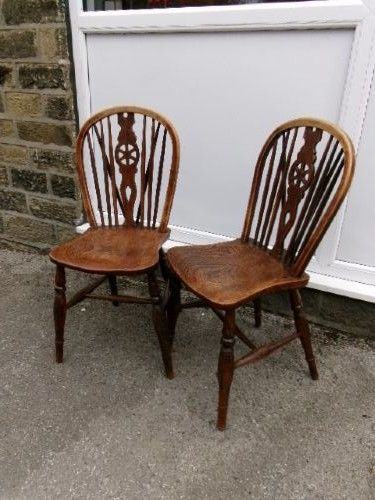
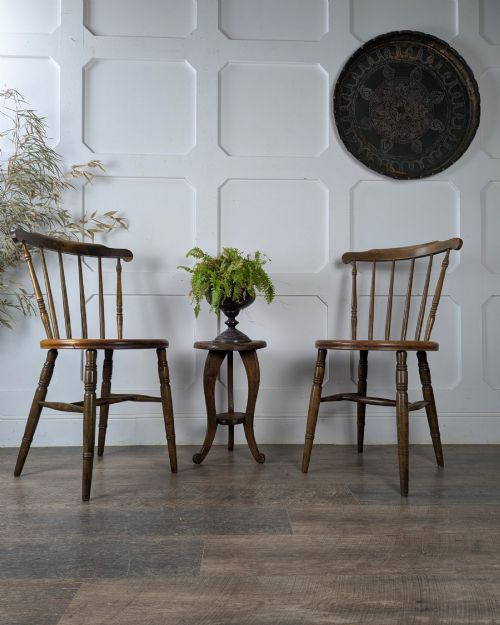
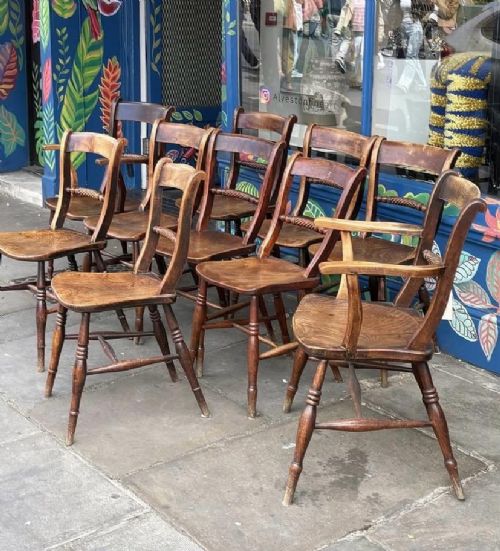
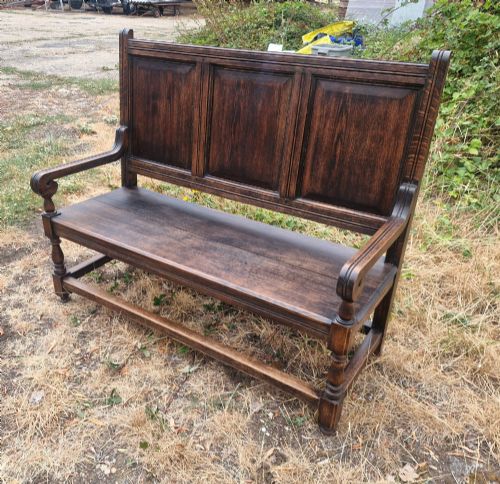
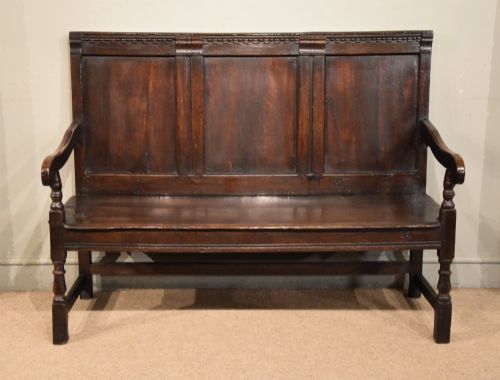
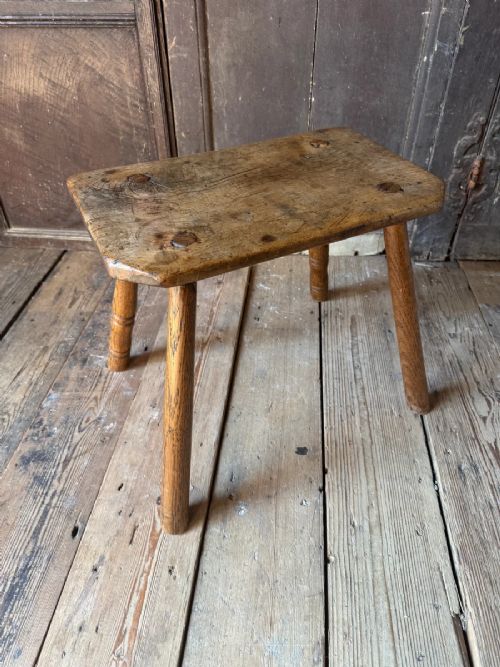
A rustic timber seat encompasses a diverse group of practical furniture designed for sitting, ranging from single-person stools to long benches, settles, and armchairs. When exploring these listings, a buyer encounters functional pieces shaped by traditional vernacular makers across several centuries, including the eighteenth, nineteenth, and early twentieth centuries.
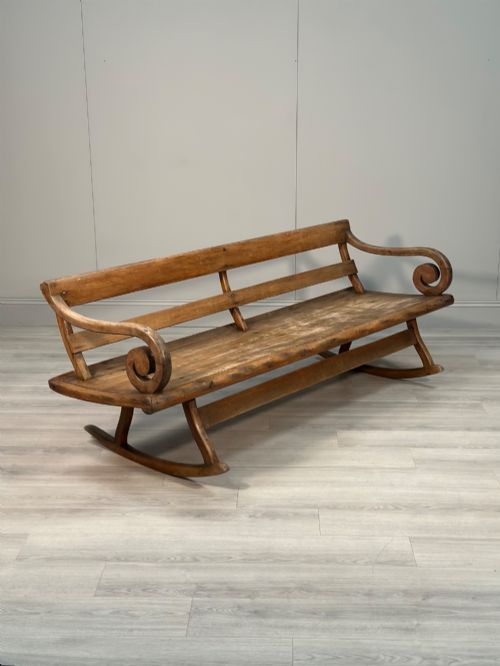
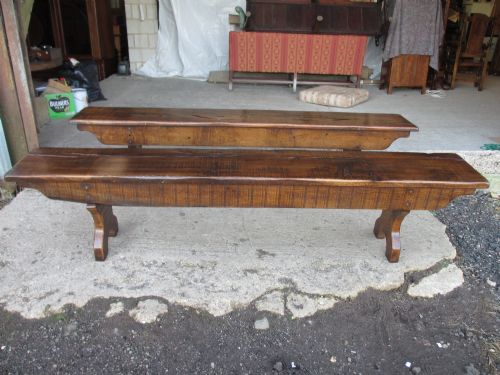
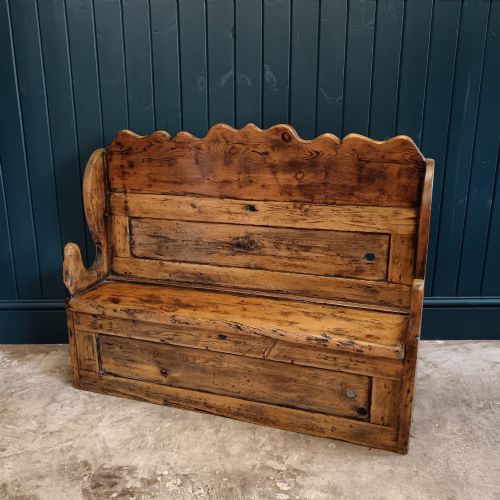
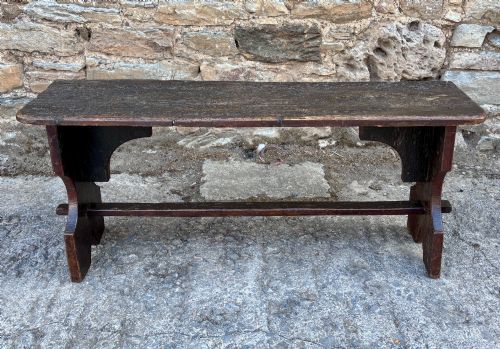
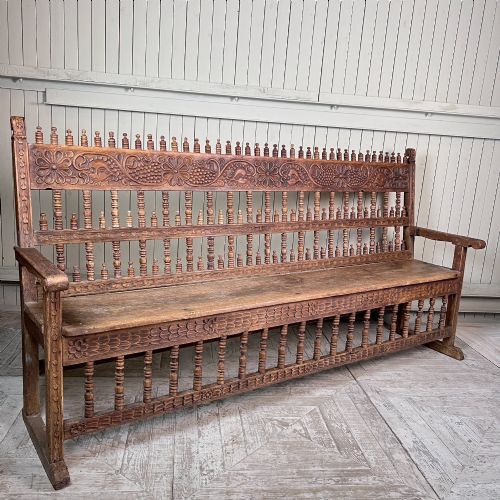
The versions most commonly met on this page include nineteenth-century elm and pine hallway benches, oak settles, and various country stools featuring simple wooden construction. These items derive from distinct regional traditions, spanning English country workshops, French provincial origins, and Eastern European domestic use.
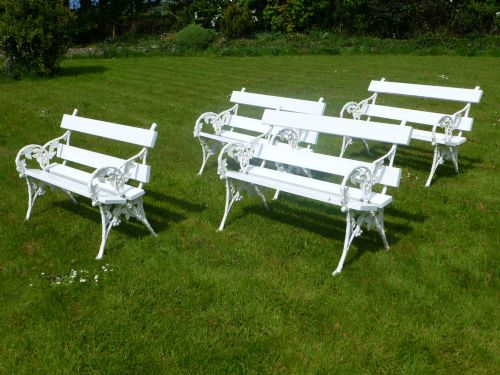
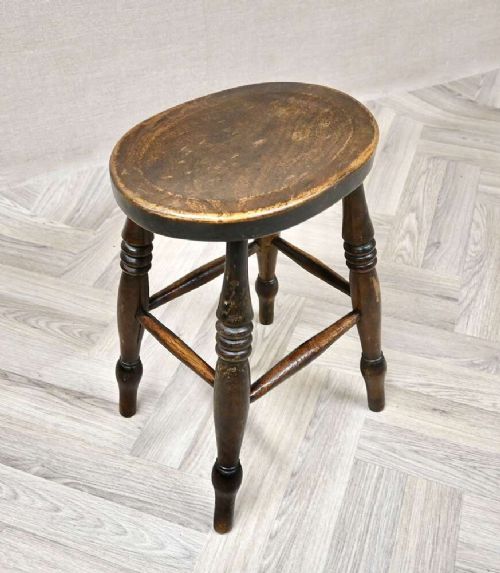
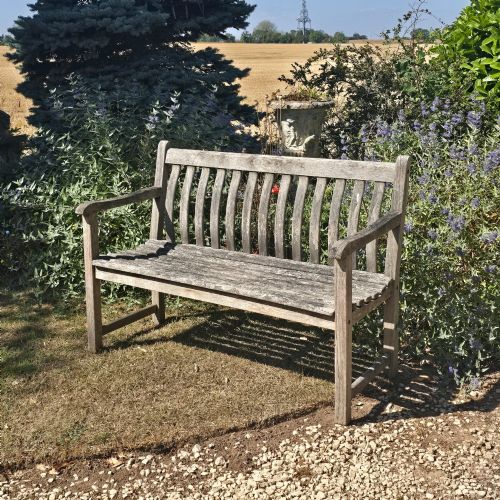
Buyers also find specialised seating forms such as milking stools, garden benches, and kitchen chairs utilising woods like ash, beech, and sycamore. Each piece reflects the straightforward utility demanded by its original context, whether used beside a hearth, in a tavern, or outdoors.
Materials and Construction Techniques
Makers constructed these seats using solid native timbers such as oak, elm, pine, ash, and beech, often pairing wooden seats and frames with cast iron elements for outdoor garden benches. Carpenters and bodgers selected woods based on local availability and structural demand, utilising dense hardwoods for legs and frames while employing softer woods for panels and secondary components.
Traditional joinery techniques governed the assembly of these pieces, utilising pegged mortise and tenon joints, stick-back construction, and shaped trestle ends. Surface finishes developed organically through decades of handling and use, resulting in honey brown patinas, original ochre or green paint layers, and deeply weathered exterior surfaces.
Materials recorded across the inventory include oak, elm, pine, ash, beech, sycamore, cherrywood, teak, and cast iron.
Assessing Quality and Character
Quality in a rustic timber seat rests upon the integrity of the original construction and the preservation of its uncompromised surface character. Pieces retaining their early or original paint finishes, deep patination, and unaltered structural joinery stand apart from those with excessive modern alterations.
The balance of proportions and the honesty of the materials dictate the desirability of each item. Simple country forms display superior artistic merit when the timber shows robust natural grain and the maker executed the design with confident, purposeful economy.
Falkirk foundry
The Rustic Timber Seat Glossary
- Settle
- A wooden bench featuring a high back to block drafts, often incorporating solid paneling or a box storage base beneath the seat.
- Vernacular
- Everyday furniture made by local craftsmen for domestic or agricultural use, prioritizing function over formal academic design.
- Milking stool
- A small, portable three-legged or one-legged seat traditionally used by agricultural workers during milking.
- Patina
- The surface sheen and colour developed over decades through handling, exposure to light, and regular cleaning.
- Windsor
- A chair or stool construction method where legs and back spindles are wedged directly into a thick solid wooden seat.
Rustic Timber Seat: Frequently Asked Questions
What is a rustic timber seat?
A rustic timber seat is a practical wooden stool, bench, settle, or chair built by traditional craftsmen for everyday domestic, agricultural, or garden use. These items utilise solid woods like oak, elm, pine, and ash.
They reflect regional vernacular designs from periods spanning the eighteenth century through to the early twentieth century. Their appeal lies in honest construction and straightforward utility.
How were old wooden benches used?
Historical wooden benches served multiple purposes inside and outside the home, functioning as hallway seating, fireside settles, and garden furniture. High-back versions helped block cold drafts in older dwellings.
Smaller stools and settles provided mobile seating around the hearth or in workshops, taverns, and farmyards. Their robust construction allowed them to withstand heavy daily demands.
How do I live with country furniture?
Living with country furniture involves integrating practical, unpretentious pieces into modern interiors where their tactile surfaces and simple forms can stand out. These seats fit naturally into hallways, kitchens, and living spaces.
Protecting the wood from extreme temperature fluctuations preserves the historic patinas, painted surfaces, and dry timber finishes. Regular, gentle care ensures the original character remains intact.
How do I tell different periods apart?
Distinguishing periods relies on observing construction methods, tool marks, timber selection, and overall stylistic evolution from the eighteenth to the twentieth century. Earlier pieces often display hand-sawn surfaces and pegged joints.
Later Victorian and Edwardian examples incorporate machine assistance or reflect specific revival styles while maintaining traditional forms. Original surface treatments and paint layers also provide clear clues to age.